In recent years, central banks around the world have turned to quantitative easing (QE) as a tool to stimulate economic growth and combat deflation. However, as inflation concerns mount, the effectiveness of QE in controlling inflationary pressures has come under increasing scrutiny. This article delves into the complex relationship between QE and inflation, exploring both its potential benefits and potential risks.
We begin by examining the theoretical underpinnings of QE, outlining its intended mechanisms for influencing inflation. We then analyze empirical evidence from past instances of QE implementation, assessing its actual impact on inflationary trends. Furthermore, we consider the potential unintended consequences of QE, such as asset bubbles and financial instability, and their implications for inflation control.
Through this comprehensive analysis, this article aims to provide a clear and balanced understanding of the effectiveness of quantitative easing in controlling inflation. It will equip readers with the knowledge necessary to form informed opinions on this critical economic policy tool and its implications for the global economy.
In this article I will be discussing the importance of quantitative easing method to control the inflation in the economy and other related phenomenon.
What is the Inflation and why it’s is important to understand?
Inflation, a seemingly simple term, can have profound and far-reaching consequences for individuals and economies as a whole. It’s not just about the increasing cost of groceries or gas; inflation affects everything from purchasing power to wages, investments, and economic stability. Understanding this concept is crucial for navigating personal finances, making informed investment decisions, and participating in informed economic discussions.
What is Inflation?
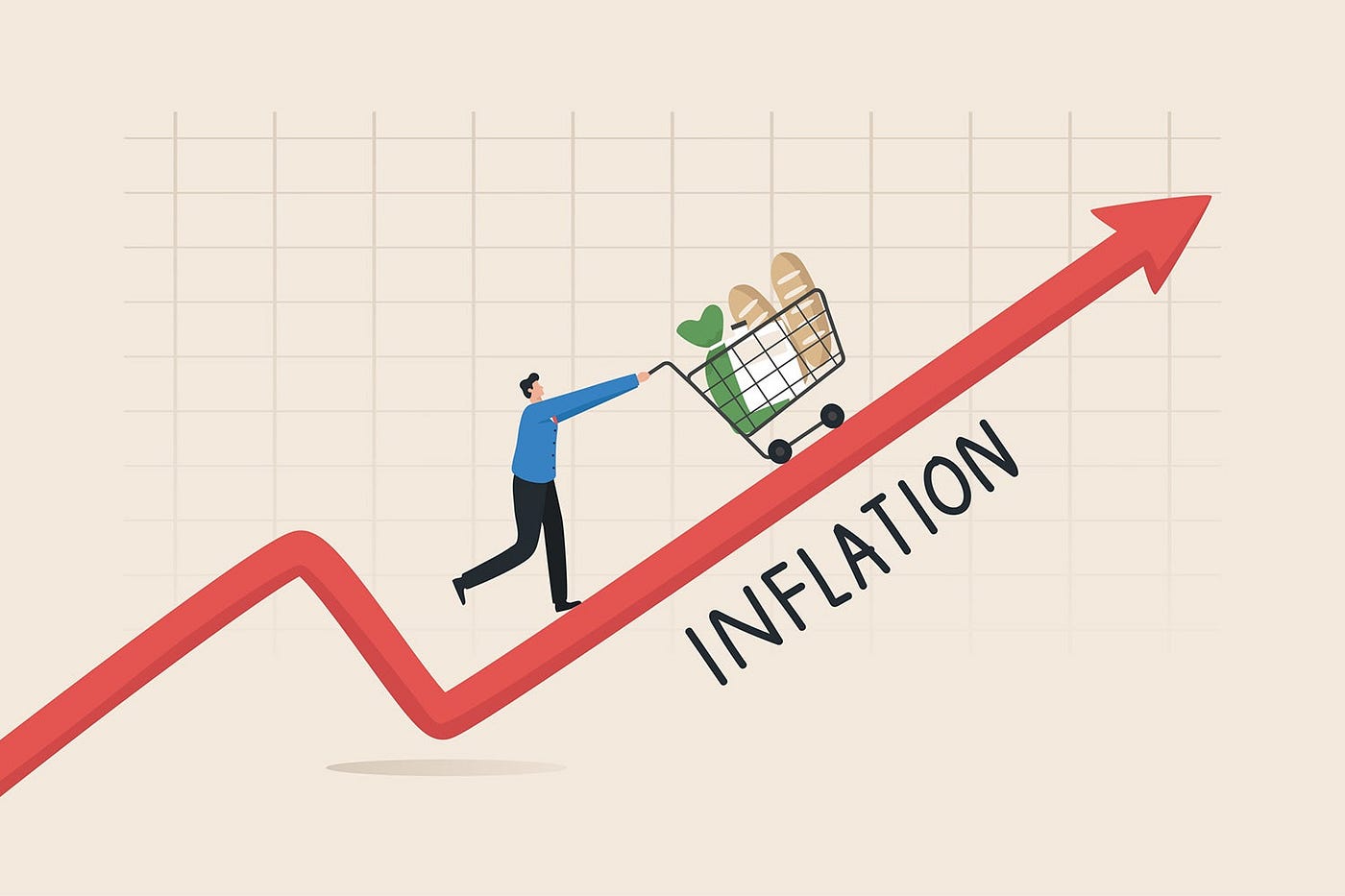
At its core, inflation is the sustained increase in the price of goods and services over time. It’s measured by tracking changes in a “basket” of everyday items, like groceries, transportation, and housing. This rise in prices reduces the purchasing power of your money, meaning each dollar buys less than it did before.
Why is Understanding Inflation Important?
Understanding inflation is crucial for several reasons:
1. Personal Finance: Inflation impacts our daily lives as it erodes the value of our savings and wages. By understanding inflation, we can make informed budgeting and spending decisions, invest wisely, and adjust our financial goals.
2. Investment Decisions: Inflation affects the returns on investments. Understanding how different asset classes perform in inflationary environments can help individuals make informed choices about where to allocate their savings.
3. Economic Stability: Inflation can be a double-edged sword. Moderate inflation can be beneficial for growth, while high and unpredictable inflation can create uncertainty, discourage investment, and lead to economic instability. Understanding how inflation is managed by central banks and governments is crucial for assessing the overall health of the economy.
4. Informed Participation in Public Discourse: Inflation is a frequent topic of public debate and policy decisions. Understanding inflation empowers individuals to engage in informed discussions about economic policies and hold leaders accountable for managing inflation effectively.
Understanding Inflation: Beyond the Numbers
While inflation is often represented by a single percentage point, its impact is multifaceted and complex. It’s important to consider:
1. Inflation’s Uneven Impact: Inflation doesn’t affect everyone equally. Low-income individuals and those on fixed incomes are often disproportionately impacted by rising prices.
2. The Role of Expectations: Inflation expectations can be self-fulfilling, meaning if people believe prices will continue to rise, they may demand higher wages and spend more, further contributing to inflation.
3. Global Interconnectedness: Inflation in one country can ripple through the global economy, impacting trade, currencies, and economic stability in other nations.
A proper understanding inflation is not just about knowing the latest numbers. It’s about recognizing its impact on our lives, making informed financial decisions, and participating in a more informed and engaged public discourse. By taking the time to learn more about this fundamental economic concept, we can better navigate the challenges and opportunities it presents.
How to Control Inflation?
Inflation, the sustained increase in the price of goods and services over time, can have a significant impact on individuals and economies. While a moderate level of inflation can be beneficial, high and unpredictable inflation can lead to economic instability and hardship. Fortunately, several strategies can be employed to control inflation and maintain economic stability.
Monetary Policy:
Raising Interest Rates: Central banks, like the Federal Reserve in the United States, can raise interest rates to discourage borrowing and spending, thereby reducing demand and slowing down inflation.
Federal Reserve building
Quantitative Tightening: This involves reducing the amount of money in circulation by selling government bonds. This strategy also aims to decrease demand and curb inflation.Fiscal Policy:
- Reducing Government Spending: By decreasing government spending, the government can reduce the overall demand for goods and services, leading to lower prices.
- Increasing Taxes: Increasing taxes can also decrease demand by taking money out of the hands of consumers and businesses.
Supply-Side Measures: - Increasing Production: Increasing the supply of goods and services can help to bring down prices. This can be achieved through policies that encourage investment, innovation, and economic growth.
- Reducing Trade Barriers: Lowering tariffs and other trade barriers can increase the supply of imported goods and services, putting downward pressure on prices.
- Wage and Price Controls:
- Direct Wage and Price Controls: This involves setting limits on how much wages and prices can increase. While this strategy can be effective in the short term, it can also lead to inefficiencies and distortions in the economy.
- Wage-Price Guidelines: These are voluntary agreements between businesses and labor unions to limit wage and price increases. They can be effective in managing inflation if they are widely followed.
Addressing Underlying Causes:
Controlling Supply Chain Disruptions: Supply chain disruptions can lead to shortages and higher prices. Measures can be taken to improve efficiency and resilience in supply chains.
Investing in Infrastructure: Infrastructure investments, such as in transportation and energy, can improve productivity and reduce costs, contributing to lower inflation.
Promoting Competition: Competition in markets can help to keep prices in check. Governments can promote competition by reducing regulations and encouraging new businesses to enter the market.
The effectiveness of each strategy depends on the specific circumstances of the economy. A combination of approaches may be necessary to effectively control inflation and maintain economic stability.
It is important to note that controlling inflation involves making trade-offs. For example, raising interest rates can slow down economic growth and increase unemployment. Therefore, policymakers must carefully consider the potential benefits and drawbacks of each strategy before taking action.
References —
The International Monetary Fund’s website on inflation: https://www.imf.org/en/Home
The Federal Reserve’s website on monetary policy: https://www.federalreserve.gov/monetarypolicy.htm
The Congressional Budget Office’s website on fiscal policy: https://www.cbo.gov/
So let’s understand the term Quantitative Easing to control the inflation in the economy and achieve price stability
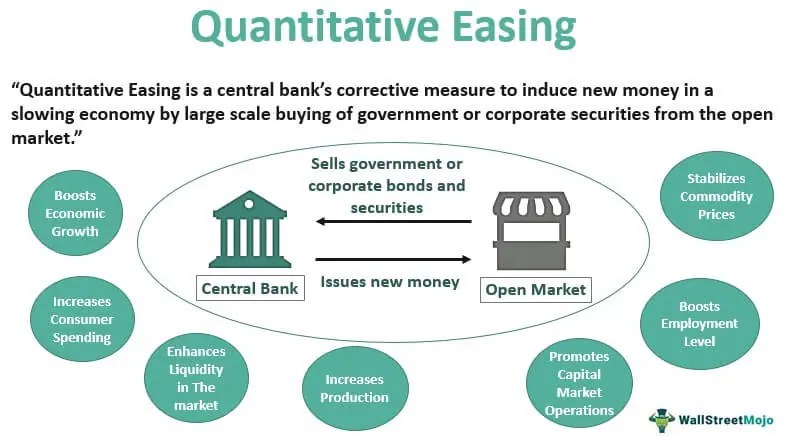
Quantitative easing (QE) is a non-traditional monetary policy tool used by central banks to stimulate economic growth and combat deflation. It involves the large-scale purchase of financial assets, primarily government bonds, in an attempt to increase the money supply and lower interest rates.
Here’s a breakdown of the key features and mechanics of QE:
1. Definition:
QE is a non-traditional monetary policy tool, meaning it falls outside of conventional open market operations.
It involves the central bank directly purchasing financial assets from financial institutions, instead of simply adjusting interest rates.
The goal of QE is to achieve specific economic objectives, such as economic growth, price stability, and financial stability.
2. Key Features:
Large-scale asset purchases: Central banks purchase massive amounts of financial assets, usually government bonds and mortgage-backed securities.
Increased money supply: Through the purchase of assets, the central bank injects new money into the financial system, which increases the overall money supply.
Lower interest rates: Increased money supply leads to lower interest rates, as there is more money available to borrow.
3. Mechanics of QE:
Open market operations: The central bank conducts open market operations, where it directly purchases financial assets from banks and other financial institutions.
Reserve requirements: In some cases, the central bank may lower reserve requirements for banks, which allows them to lend out more money and further increase the money supply.
Interest rate guidance: The central bank may provide forward guidance on its future interest rate policy to influence market expectations and promote economic growth.
4. Types of QE:
Conventional QE: Purchase of government bonds and mortgage-backed securities.
Unconventional QE: Purchase of other assets, such as corporate bonds, stocks, or even real estate.
Targeted QE: Purchase of assets aimed at specific sectors of the economy.
5. Impact of QE:
Increased liquidity: QE increases the amount of money available in the financial system, making it easier for businesses and individuals to borrow money and invest.
Lower interest rates: Lower interest rates can encourage borrowing and investment, leading to economic growth.
Higher asset prices: Increased demand for financial assets due to QE can lead to higher prices, particularly for stocks and bonds.
6. Potential Risks:
Inflation: Excessive QE can lead to inflation if the money supply increases too rapidly.
Asset bubbles: QE can contribute to the formation of asset bubbles, particularly in the stock market.
Financial instability: If QE leads to excessive risk-taking in the financial system, it can increase the risk of financial instability.
QE is a powerful tool that can be effective in stimulating economic growth and combatting deflation. However, it is important to use QE carefully and be aware of its potential risks.
Understanding the theoretical relationship between quantitative easing (QE) and inflation is crucial for evaluating its effectiveness as a tool for economic policy. While the relationship is complex and multifaceted, several key theoretical channels can explain how QE can influence inflation.
1. Quantity Theory of Money:
The most fundamental theoretical link between QE and inflation is based on the quantity theory of money, which states that the price level is directly proportional to the money supply. When the central bank expands the money supply through QE, it increases the total amount of money available in the economy. This, in turn, can lead to higher prices as there is more money chasing the same amount of goods and services.
2. Aggregate Demand:
QE is designed to stimulate aggregate demand by lowering interest rates and increasing the availability of credit. This can encourage businesses to invest, consumers to spend, and households to purchase durable goods. Increased spending, in turn, can lead to higher demand for goods and services, which can put upward pressure on prices.
3. Asset Prices and Exchange Rates:
QE can also affect inflation through its impact on asset prices and exchange rates. The purchase of government bonds by the central bank can lead to lower interest rates and higher bond prices. This, in turn, can push investors to seek higher returns in other asset classes, such as stocks and real estate, potentially driving up their prices. Additionally, a weaker exchange rate due to QE can make imported goods more expensive, contributing to inflationary pressures.
4. Inflation Expectations:
The effectiveness of QE can depend heavily on how it affects inflation expectations. If individuals and businesses believe that QE will lead to higher inflation in the future, they may demand higher wages and increase prices preemptively. This can create a self-fulfilling prophecy, where expectations of inflation actually cause it to happen.
5. Deflationary Pressures:
QE can also play a role in mitigating deflationary pressures. By increasing the money supply and aggregate demand, QE can help to prevent the economy from falling into a deflationary spiral, where falling prices lead to reduced spending and investment.
6. Long-Term Implications:
The long-term implications of QE on inflation are still being debated by economists. Some argue that QE can lead to a permanent increase in the money supply and inflation, while others believe that the effects are temporary and can be mitigated through appropriate policy responses.
In summary, the theoretical relationship between QE and inflation is complex and involves multiple channels. Understanding these channels is crucial for policymakers when using QE as a tool for managing inflation and achieving economic stability.
Empirical Evidence of the Quantitative Easing and its Effectiveness —
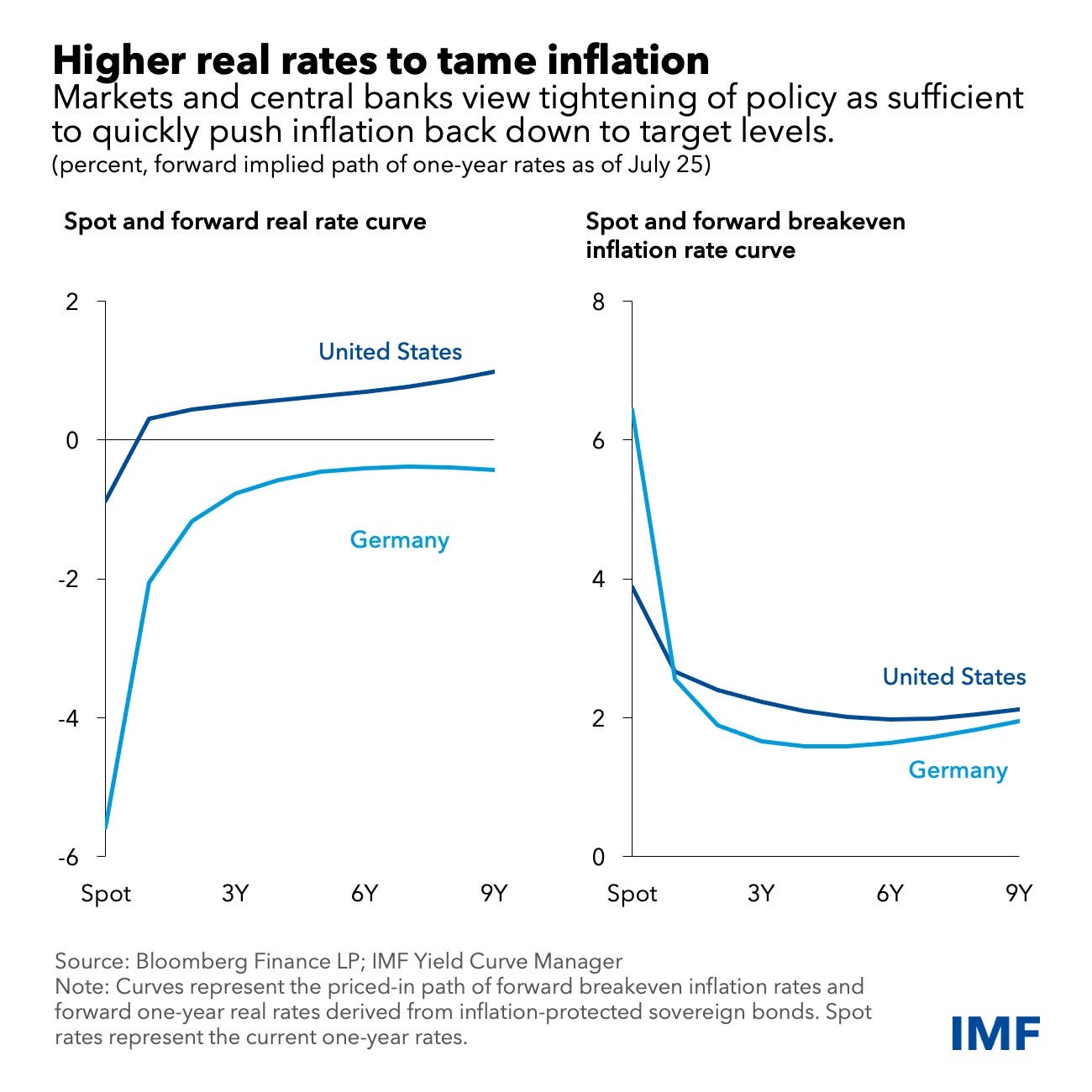
The effectiveness of quantitative easing (QE) in controlling inflation has been a subject of intense debate among economists. While some argue that QE can be a powerful tool for stimulating economic growth and combating deflation, others raise concerns about its potential inflationary risks and long-term consequences.
Evidence Supporting QE’s Effectiveness:
Empirical studies have found that QE has a statistically significant impact on lowering interest rates. This, in turn, can stimulate economic activity by making it cheaper for businesses to borrow and invest.
Research suggests that QE can increase asset prices, which can boost household wealth and encourage consumption.
Some studies have found evidence that QE can help to prevent deflationary spirals and promote economic recovery.
Evidence Challenging QE’s Effectiveness:
The relationship between QE and inflation is complex and difficult to isolate. Other factors, such as global economic conditions and fiscal policy, can also influence inflation.
While QE may not directly cause inflation, it can contribute to asset bubbles and financial imbalances, which can pose risks to financial stability and potentially lead to higher inflation in the long run.
Some studies have found limited evidence of QE’s effectiveness in boosting economic growth, particularly in cases where the economy is already operating close to its full potential.
Overall, the empirical evidence on QE’s effectiveness is mixed and inconclusive. The impact of QE appears to vary depending on the specific economic context and how it is implemented.
It is important to consider the following factors when evaluating the empirical evidence:
The type of QE program: Different types of QE, such as conventional and unconventional QE, may have different effects on inflation.
The magnitude of the QE program: The size of the QE program relative to the size of the economy can influence its impact.
The implementation of QE: The way in which QE is implemented, including the communication of the central bank’s intentions, can affect its effectiveness.
In conclusion, while the empirical evidence on QE’s effectiveness in controlling inflation is mixed, it offers valuable insights into the potential benefits and risks of this policy tool. Further research and careful analysis are necessary to fully understand the long-term implications of QE and its role in managing inflation in different economic environments.
Potential Risks and Unintended Consequences of QE: A Double-Edged Sword —
Quantitative easing (QE), while a powerful tool for stimulating economic growth and combating deflation, is not without its risks and unintended consequences. It’s crucial to understand these potential downsides when considering QE as an economic policy option.
1. Asset Bubbles:
One of the main concerns surrounding QE is its potential to inflate asset bubbles in the stock market and real estate. By injecting substantial liquidity into the financial system, QE can lead to increased demand for these assets, pushing their prices to unsustainable levels. When these bubbles eventually burst, it can trigger financial instability, economic downturns, and widespread losses.
2. Financial Imbalances:
QE can exacerbate existing financial imbalances by encouraging excessive risk-taking and leverage. This can include banks lending more aggressively to risky borrowers, businesses taking on larger debts, and individuals investing in speculative assets. When these imbalances unwind, it can lead to widespread defaults, financial instability, and economic hardship.
3. Inflationary Pressures:
While QE aims to stimulate economic growth, excessive implementation can lead to inflationary pressures. If the money supply grows too quickly, it can outpace the real economy’s capacity to produce goods and services, leading to rising prices and potentially eroding purchasing power.
4. Moral Hazard:
QE can create a moral hazard problem, where financial institutions and businesses become overly reliant on central bank intervention. This can lead to reckless behavior and a lack of discipline in the financial system, increasing the risk of future crises.
5. Global Spillovers:
The impacts of QE can spill over to other countries through currency exchange rates and international trade. For example, a country implementing QE may experience a weaker currency, making its exports cheaper and imports more expensive. This can have both positive and negative consequences for other economies, depending on their specific circumstances.
6. Exit Strategy:
Exiting from a QE program can be challenging and can lead to market disruptions. The central bank needs to carefully manage the process of reducing its balance sheet and raising interest rates to avoid causing undue volatility and economic instability.
7. Long-Term Effects:
The long-term consequences of QE on economic growth, inflation, and financial stability are still being debated. Some argue that QE can lead to permanent distortions in the economy and weaken its long-term growth potential. Others believe that the benefits of QE outweigh the risks, as long as it is implemented carefully and with a clear exit strategy.
In conclusion, the potential risks and unintended consequences of QE should be carefully considered before implementing it as an economic policy tool. While it can be a powerful tool for stimulating growth and mitigating deflation, its risks can be significant and have lasting consequences.
Conclusion — Exploring the effectiveness of quantitative easing (QE) in controlling inflation reveals a complex and multifaceted picture. While QE can be a powerful tool for stimulating economic growth and combating deflation, its impact on inflation is far from straightforward.
Empirical evidence suggests that QE can influence inflation through various channels, including aggregate demand, asset prices, and inflation expectations. However, the magnitude and direction of these effects vary depending on the specific economic context and the implementation of the QE program.
Amidst the debate, one thing remains clear: QE is a double-edged sword. It carries significant potential risks, including asset bubbles, financial imbalances, and inflationary pressures. Therefore, it should be used with caution and careful consideration of its potential consequences.
As policymakers navigate the uncertain landscape of economic recovery and inflation management, a nuanced understanding of QE’s effectiveness is crucial. Moving forward, further research and ongoing debate will be necessary to refine this understanding and ensure that QE is used responsibly and effectively for achieving long-term economic stability.**
Ultimately, the success of QE in controlling inflation will depend on its skillful implementation, a clear exit strategy, and a comprehensive economic policy framework that addresses the broader challenges facing the global economy.
Thanks.
 Pratik Ghansham Salvi Assistant Professor of Economics | Banking & Finance | IMF Finance & Development Contributor
Leave a comment