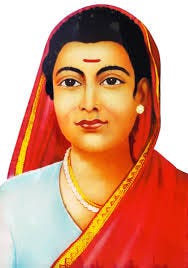
The role of Mahatma Jyotirao Phule and Savitribai Phule is very important in the Indian education sector. Every year on 3rd January we celebrate birth anniversary of the Savitribai Phule. She was Social Reformer, Educationist and first Women teacher in India. Along with her husband Mahatma Phule she opened first girl school in India in Pune, Maharashtra. Her role and contribution to the women education and women empowerment is really important.
So let’s understand Savitribai Phule’s contribution in Indian education sector and development —
Imagine a young girl, defying societal norms, stepping into a makeshift classroom filled with wide-eyed children from ostracized communities. Her sari flutters as she writes on the slate, her voice ringing with the promise of knowledge. This is not a scene from a utopian novel, but a glimpse into the revolutionary classrooms spearheaded by Mahatma Phule and Savitribai Phule, a couple who dared to ignite the torch of education in the darkest corners of 19th-century India.
In a society crippled by the rigid caste system and rampant illiteracy, the Phules dared to dream of a different future. They saw education not just as a tool for learning, but as a weapon against oppression. It was a weapon that could shatter the shackles of caste, empower the marginalized, and illuminate the path towards a more just and equitable India.
Their journey began not in grand halls of academia, but in the humble setting of their own home. Jyotirao Phule, a young farmer turned social reformer, defied societal constraints to educate his wife, Savitribai, at a time when female literacy was a radical notion. This act of defiance became the seed from which blossomed a remarkable partnership.
Savitribai, fueled by a burning passion for social change, became the first female teacher in India. In 1848, she bravely stepped into a classroom filled with girls from the ostracized “untouchable” communities, a sight that sent shockwaves through the conservative landscape. This marked the dawn of a new era, where knowledge became accessible not just to the privileged few, but to those deemed unworthy by a discriminatory society.
But the Phules’ mission extended beyond simply opening schools. They recognized that education, to be truly transformative, needed to break free from the confines of traditional pedagogy. Their curriculum went beyond rote learning, encompassing critical thinking, social awareness, and vocational skills. They understood that educating a girl meant empowering a family, and a community, for generations to come.
The Phules faced immense challenges on their path. Social ostracization, threats, and violence became their constant companions. Yet, their commitment to their cause never wavered. They established over 80 schools, catering to both boys and girls from marginalized communities. They even opened night schools for working adults, ensuring that no one was left behind in their quest for knowledge.
The legacy of Mahatma and Savitribai Phule transcends the walls of their classrooms. They ignited a spark of hope and defiance that continues to flicker through the corridors of Indian society. Their story is a testament to the transformative power of education, a power that can illuminate even the darkest corners and pave the way for a more just and equitable world.
This is just a starting point for your introduction. Feel free to expand on these ideas, add specific details about their educational methods or challenges, and personalize the tone to suit your article’s overall style. Remember, the goal is to captivate your readers and set the stage for a compelling exploration of the Phules’ remarkable contributions to Indian education.
Unraveling the Fabric of 19th Century India: A Landscape of Rigidity and Injustice
Stepping into 19th century India was like entering a world woven from rigid hierarchy and stark inequalities. The pervasive caste system cast a long shadow, dictating every aspect of life: social standing, occupation, education, and even access to basic resources. Brahmins reigned at the pinnacle, enjoying privileges and power, while Dalits (formerly known as “untouchables”) languished at the bottom, ostracized and denied even basic human dignity. In between lay hundreds of castes and sub-castes, each confined to its own designated rung on the ladder of social acceptance.
Education, in this rigid landscape, was a scarce commodity, reserved primarily for the privileged few. Literacy rates hovered around 15%, with the chasm between male and female literacy even wider. Women, largely confined to the domestic sphere, were treated as chattel, denied access to education and relegated to a secondary social status. Early marriage, widow remarriage ostracization, and even the barbaric practice of Sati, where widows were immolated on their husbands’ pyres, painted a grim picture of women’s lives.
Marginalized communities, like tribal groups and religious minorities, faced a double bind. Not only were they subject to the oppressive weight of the caste system, but they also faced prejudice and discrimination based on their faith or cultural practices. Access to education, land, and even basic legal rights remained distant dreams for many in these communities.
This tapestry of injustice was further embroidered with the arrival of British colonialism. While the East India Company brought some modernity and infrastructure, it also imposed its own brand of cultural hegemony, further complicating the social fabric. Traditional institutions were eroded, and new forms of discrimination based on language and class sprang up.
In essence, 19th century India was a land of stark contrasts: dazzling palaces coexisting with mud huts, intellectual advancements hand-in-hand with rampant illiteracy, and the promise of reform battling against the entrenched forces of tradition and prejudice. It was against this backdrop that Mahatma and Savitribai Phule dared to ignite the torch of education, casting a beacon of hope in the oppressive darkness that shrouded much of Indian society.
Facing the Flames: The Phules’ Path in the Face of Immense Social Resistance —
Mahatma Phule and Savitribai Phule, pioneers of education and social reform in 19th century India, did not walk a path paved with rose petals. Their revolutionary vision of education for all, particularly girls and lower castes, ignited a firestorm of resistance from the entrenched forces of tradition and prejudice. To understand the true magnitude of their achievement, we must delve into the depths of the social ostracization, threats, and even violence they faced with unwavering courage.
- Caste System: An Impassable Wall The oppressive caste system formed the bedrock of Indian society at the time. It dictated every aspect of life, from one’s profession to the food they could eat and the water they could drink. Dalits, formerly known as “untouchables,” occupied the lowest rung of this ladder, ostracized and denied basic human rights. Challenging this deeply ingrained system was akin to defying the very gods. The Phules dared to cross this line. Jyotirao Phule, himself belonging to a non-Brahmin caste, defied societal norms by educating his wife, Savitribai, a remarkable feat in itself. Together, they opened the first school for girls from marginalized communities in 1848, a move that sent shockwaves through the conservative landscape.
- Ostracized and Shunned — Their defiance came at a heavy cost. The couple faced social ostracization, boycotted by their own community and denied basic necessities like water and food. Their friends and family turned their backs on them, fearing repercussions from the higher castes. Their actions were seen as a direct challenge to the established order, a threat to the very fabric of society.
- Violence and Threats: A Constant Shadow — The resistance went beyond mere ostracization. The Phules faced constant threats and intimidation. Stones were pelted at their schoolhouse, their students were harassed, and they themselves were subjected to verbal abuse and physical violence. Jyotirao Phule was even attacked and nearly beaten to death by a mob enraged by his efforts to educate Dalit children.
- Undeterred by Adversity — Despite the immense pressures, the Phules remained undeterred. Their commitment to their cause, their belief in the transformative power of education, was their shield against the onslaught of resistance. They persisted, opening more schools, establishing night schools for working adults, and even fighting for widow remarriage, another taboo subject in the rigid social order.
- A Legacy Forged in Fire- The Phules’ story is not just about overcoming adversity; it is a testament to the power of unwavering conviction and the transformative potential of education. In the face of seemingly insurmountable social resistance, they ignited a torch of knowledge that illuminated the path towards a more just and equitable society. Their legacy continues to inspire generations of activists and educators, reminding us that even the most deeply entrenched systems can be challenged, one step, one school, one empowered individual at a time.
Beyond Rote and Ritual: The Mahatma Phule and Savitribai Phules’ Unconventional Approach to Education —
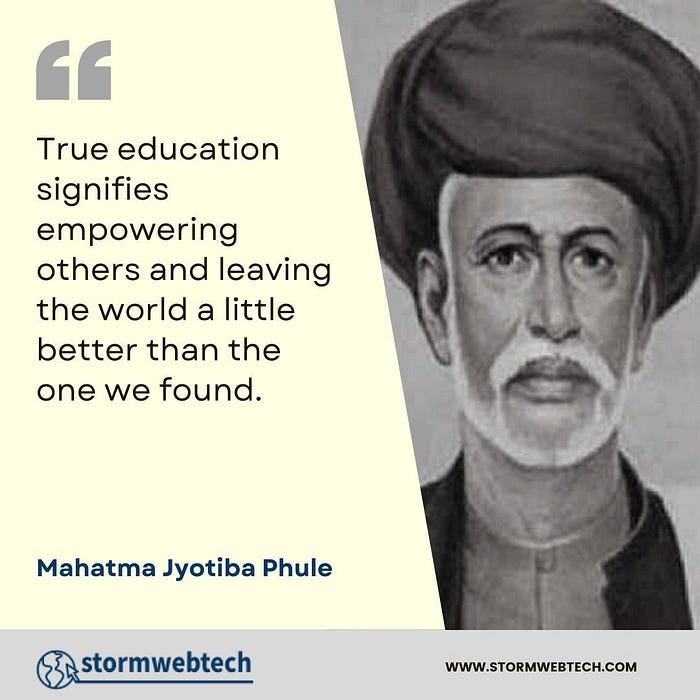
Mahatma and Savitribai Phule’s educational revolution extended far beyond simply opening doors for marginalized communities. They understood that mere access to books and blackboards wouldn’t dismantle deep-seated social injustices. Thus, they dared to challenge the prevailing rote-learning pedagogy and infuse their classrooms with a radical cocktail of critical thinking, social awareness, and vocational skills.
- Breaking the Chains of Rote: Traditionally, Indian education revolved around rote memorization, churning out students adept at regurgitating facts but lacking in independent thought. The Phules rejected this model, replacing it with a dynamic, interactive approach. They encouraged questioning, debate, and the exploration of diverse perspectives. Students were presented with real-world problems, sparking critical thinking and analytical skills. This shift empowered them to become not just passive recipients of knowledge, but active creators and engaged citizens.
- Igniting the Flames of Social Awareness: The textbooks in Phule schools contained more than just mathematical equations and grammatical rules. They held stories of social inequality, caste discrimination, and women’s marginalization. Students were encouraged to critically analyze these issues, understand their historical roots, and question the status quo. This emphasis on social awareness aimed to cultivate compassionate citizens, sensitive to the struggles of others and driven to work towards a more just society.
- Equipping for Life: The Importance of Vocational Skills: Education, for the Phules, wasn’t just about abstract knowledge; it was a tool for empowerment and self-reliance. Recognizing the harsh realities faced by marginalized communities, they incorporated vocational training into their curriculum. Boys learned skills like carpentry and pottery, while girls were taught weaving, tailoring, and agricultural techniques. This practical knowledge equipped them with the means to earn a livelihood, gain economic independence, and break the cycle of poverty.
- Learning with Local Languages: Education, for the Phules, wasn’t confined within the walls of English-speaking classrooms. They believed in the power of local languages to connect with students on a deeper level. Their curriculum incorporated Marathi, the language of the masses, making education accessible and relatable to even the most disadvantaged communities. This move empowered students, validating their cultural identities and fostering a sense of pride in their heritage.
Beyond Bricks and Mortar: A Holistic Approach:
The Phule schools weren’t just academic institutions; they were vibrant community centers. Parents were actively involved, attending parent-teacher meetings and participating in literacy campaigns. Widow remarriage and women’s rights were openly discussed, challenging societal taboos and paving the way for social reform. This holistic approach fostered an atmosphere of inclusivity and mutual respect, transforming not just individual lives but also the fabric of the community.
The Phules’ educational innovations remain relevant even today. Their emphasis on critical thinking, social awareness, and vocational skills resonates with modern pedagogical approaches that seek to nurture well-rounded, engaged citizens. Their story serves as a reminder that education, when imbued with a spirit of compassion and a commitment to social justice, can become a powerful tool for dismantling inequality and building a more equitable world.
Education Without Barriers: The Mahatma Phule and Savitribai Phules’ Fight for an Inclusive Learning Revolution —
In the 19th century India, where education was shrouded in the darkness of caste, gender, and social barriers, Mahatma and Savitribai Phule became the guiding lights, illuminating the path to knowledge for those deemed unworthy by a rigid society. Their efforts transcended mere school construction; they revolutionized the accessibility of education, making it a beacon of hope for girls, lower castes, and even working adults who had previously been left behind.
Pioneers of Girls’ Education:
In 1848, when educating girls was unthinkable, the Phules opened the first school for girls in Pune, defying societal norms and sparking outrage. Savitribai, despite facing fierce opposition and ostracization, became the first female teacher in India, paving the way for generations of women to enter the hallowed halls of learning. Their schools not only taught literacy and numeracy but also instilled critical thinking, social awareness, and practical skills like tailoring and embroidery, empowering girls to break free from the shackles of tradition and become self-sufficient individuals.
- Bridging the Caste Divide: The oppressive caste system, with its deeply ingrained notions of hierarchy and exclusion, was another formidable obstacle the Phules tackled head-on. They opened schools specifically for Dalit children, the “untouchables,” who were denied access to education and treated as outcasts. This audacious act challenged the very foundation of the caste system, providing Dalit children with a space to learn, gain confidence, and break free from the cycle of marginalization. Their curriculum not only catered to their specific needs but also promoted social awareness, encouraging a more just and equitable society.
- Night School: Shining a Light on Adult Learning: Recognizing that education wasn’t just for the young, the Phules established night schools for working adults who had missed out on formal education in their childhood. These nighttime classes, illuminated by flickering lamps, catered to laborers, farmers, and artisans, offering them a second chance to learn crucial skills, improve their livelihoods, and participate more actively in their communities. This inclusive approach to education empowered countless individuals and contributed to breaking down social barriers through knowledge and mutual respect.
- The Fruits of Innovation: The Phules’ efforts bore remarkable fruit. They established over 80 schools across Maharashtra, reaching thousands of students from marginalized communities. Their graduates became teachers, social workers, and even community leaders, carrying the torch of knowledge and social justice forward. The ripple effect of their work went beyond individual lives; it contributed to the rise of social reform movements and ultimately paved the way for a more inclusive and equitable Indian society.
- A Legacy of Inclusion — Today, the Phules’ legacy continues to inspire and guide educational advancements. Their commitment to dismantling barriers and making education accessible to all serves as a powerful reminder that knowledge is the key to individual and societal progress. As we face new challenges in education, including access, equity, and relevance, the Phules’ pioneering spirit and inclusive approach offer valuable lessons for creating a truly democratic and empowering learning experience for everyone.
Speaking the Language of the People: The Mahatma Phule and Savitribai Phules’ Curriculum of Connection and Relevance —
Mahatma and Savitribai Phule understood that education wasn’t merely about imparting knowledge; it was about building bridges, fostering connection, and addressing the specific needs of their marginalized students. In a landscape dominated by the elitist language of English, the Phules dared to make a revolutionary choice: they embraced the power of local languages and crafted a curriculum that resonated with the lived experiences of their students.
- Marathi: A Bridge of Understanding — Instead of imposing the alien tongue of English, the Phules chose Marathi, the language of the masses, as the primary medium of instruction in their schools. This simple yet radical act instantly dismantled a barrier and created a space where communication flowed freely, fostering trust and engagement. Students could grasp concepts, express their thoughts, and participate in lessons without the struggle of navigating a foreign language. For many, it was the first time they heard their own language valued and celebrated in an academic setting, boosting their confidence and cultural pride.
- Beyond Textbooks: A Curriculum Rooted in Reality — The Phules’ curriculum went far beyond rote memorization of historical dates and grammatical rules. Recognizing the harsh realities faced by lower castes and marginalized communities, they infused their lessons with practical relevance. Students learned about agricultural techniques, sanitation practices, and basic healthcare, empowering them to improve their lives and contribute to their community’s well-being. They discussed social issues like caste discrimination and women’s rights, encouraging critical thinking and fostering a sense of agency to challenge the status quo.
- Celebrating Local Knowledge and Stories — The Phules weren’t merely educators; they were storytellers. They incorporated folktales, proverbs, and songs from local traditions into their lessons, making learning an immersive experience. These stories, deeply rooted in the cultural fabric of their students, enriched their understanding of the world and instilled a sense of belonging. By celebrating local knowledge and wisdom, the Phules challenged the colonial notion that Western education was superior, empowering their students to value their own heritage and identity.
- Addressing Specific Needs: A Tailored Approach — Education, for the Phules, was not a one-size-fits-all model. They understood that different communities faced unique challenges and required specific knowledge and skills to overcome them. For Dalit students, their curriculum included lessons on their history and contributions to society, combating the dominant narratives of discrimination and exclusion. For girls, they focused on practical skills like tailoring and embroidery, preparing them for economic independence and challenging societal expectations. This tailored approach ensured that education truly served the needs of each student, empowering them to thrive in their specific social context.
The Phules’ use of local languages and relevant curriculum stands as a testament to their revolutionary approach to education. They weren’t simply providing access to knowledge; they were building bridges of understanding, empowering marginalized communities, and celebrating their unique identities. Their legacy continues to inspire educators today, urging us to create learning environments that are inclusive, relevant, and truly connect with the lives of the students we serve.
Quantifying the Light: The Enduring Impact of the Phules’ Educational Revolution —
Mahatma and Savitribai Phule’s contribution to Indian education wasn’t merely a ripple in the pond; it was a tidal wave of change that forever transformed the landscape of opportunity for marginalized communities. To understand the true impact of their work, we need to translate their unwavering spirit into tangible numbers, concrete evidence of the light they ignited in the lives of thousands.
- Seeds Sown Across Maharashtra: — Their legacy is etched in the bricks and mortar of over 80 schools established across Maharashtra. These beacons of knowledge sprung up in villages and city slums alike, reaching the most destitute and ostracized communities. From Pune to Satara, Satara to Ahmednagar, the Phules planted the seeds of education, offering a chance at a brighter future to thousands of children who would otherwise have remained shrouded in the darkness of illiteracy and social exclusion.
- Breaking Caste Barriers: Educating the Untouchables: In a society crippled by the rigid caste system, the Phules’ schools dared to shatter the most deeply ingrained prejudices. They opened their doors to Dalit children, the “untouchables,” who had been denied access to education for centuries. By enrolling over 850 Dalit students in their schools, the Phules challenged the very foundation of caste hierarchy, igniting a spark of hope and empowering a community traditionally deemed unworthy of knowledge.
- Empowering Girls: A Leap Towards Gender Equality: In a time when girls were confined to the domestic sphere, the Phules’ three schools for girls in Pune became bastions of female empowerment. Over 250 girls received the gift of education, learning not just literacy and numeracy but also critical thinking, social awareness, and practical skills. This radical act paved the way for generations of girls to claim their rightful place in classrooms and communities, contributing to a more gender-equal India.
- Beyond Numbers: Ripple Effects of Empowerment: The impact of the Phules’ schools wasn’t confined to the students within their walls. Their graduates became teachers, social workers, and community leaders, carrying the torch of knowledge and social justice forward. Their schools served as breeding grounds for social reform movements, challenging the status quo and advocating for the rights of marginalized communities. The ripples of their work continue to be felt today, shaping a more inclusive and equitable Indian society.
- A Legacy Illuminating the Future: The Phules’ story is not just a historical account; it is a blueprint for educational progress. Their unwavering commitment to accessibility, their innovative curriculum, and their dedication to empowering marginalized communities offer valuable lessons for educators and social reformers even today. As we strive to create a world where education is a truly democratizing force, the Phules’ legacy serves as a beacon, reminding us that even the smallest flame can illuminate the path towards a brighter future for all.
From Students to Changemakers: The Ripple Effect of the Phule Legacy —
Mahatma and Savitribai Phule’s schools were not just classrooms; they were crucibles of social transformation. The education they offered wasn’t merely a ladder to climb out of poverty and marginalization; it was a torch passed on, empowering their students to become not just educated individuals, but active agents of change in their communities.
- Teachers: Spreading the Light: Among their most impactful legacies is the generation of teachers who emerged from their schools. Students like Muktabai, the first Dalit woman teacher in India, broke centuries of tradition to educate others from marginalized communities. Similarly, Krantijyoti Savitribai Phule, a descendant of Savitribai, continues to run schools for underserved communities, carrying the torch of education ignited by her namesake. These inspiring individuals demonstrate the ripple effect of the Phules’ work, where one spark of knowledge ignited a thousand flames of education and empowerment.
- Social Workers: Healing and Advocating: Many of the Phules’ students channeled their education into social work, tackling the deeply rooted injustices plaguing their communities. Anandibai Joshi, one of the first female doctors in India, dedicated her life to improving women’s health and access to medical care. Jyotirao Govindrao Phule, a grandson of Mahatma Phule, became a prominent social worker and politician, leading movements against caste discrimination and advocating for the rights of women and Dalits. Their stories highlight how the Phules’ schools fostered not just academic skills, but also a deep sense of social responsibility and a commitment to building a more just and equitable society.
- Changemakers: Leading the Way: The impact of the Phules’ work extended beyond teachers and social workers. Their students became changemakers in diverse fields, challenging entrenched societal norms and creating positive change. Shahu Maharaj, inspired by the Phules’ work, implemented social reforms in his princely state, abolishing caste-based discrimination and promoting education for all. Tarabai Shinde, a Dalit writer and activist, used her literary voice to fight against caste oppression and empower marginalized communities. These individuals, and countless others like them, exemplify the transformative power of education, demonstrating how the Phules’ schools planted the seeds of social change that blossomed into movements for justice and equality.
- Living Legacies: The ripple effect of the Phules’ work continues to this day. Many of their schools still stand, serving as living testaments to their legacy. Organizations like the Savitribai Phule Pune University and the Mahatma Phule Agricultural University carry their names and ideals forward, providing education and opportunities for marginalized communities. Their story inspires educators, activists, and changemakers across the globe, demonstrating that even in the face of immense social resistance, education can be a powerful tool for dismantling inequality and building a more just and equitable world.
Seeds of Revolution: The Long-Term Impact of the Phules’ Work —
Mahatma and Savitribai Phule’s contribution to Indian society wasn’t a brief flicker in the darkness; it was a seismic shift, sowing the seeds of revolution that continue to bear fruit long after their time. Their impact resonates in the ongoing struggles for women’s empowerment, the fight against caste discrimination, and the very fabric of Indian education.
- Empowering Women: Shattering Glass Ceilings- Savitribai Phule’s defiance, becoming the first female teacher in India, opened doors for generations of women. Their schools weren’t just spaces for literacy; they were training grounds for self-reliance and agency. Girls learned practical skills, critical thinking, and social awareness, tools to challenge the restrictive norms of “purdah” and patriarchy. Their graduates became teachers, doctors, writers, and activists, pushing against gender inequalities and paving the way for a more equitable society.
- Fighting Caste: Challenging a Deep-Rooted Evil — Jyotirao Phule’s audacity in educating Dalit children, the “untouchables,” sent shockwaves through the rigid caste system. Their schools became sanctuaries of dignity and knowledge, offering hope and opportunity where once there was only exclusion. By equipping Dalits with education and awareness, the Phules empowered them to fight for their rights. This spark ignited further movements against caste discrimination, contributing to reforms like the abolition of untouchability and the reservation system.
- Transforming Education: Beyond Rote Learning — The Phules’ curriculum wasn’t a stagnant pool of memorization; it was a dynamic river, flowing with critical thinking and social relevance. Local languages replaced alien English, making education accessible and relatable. Practical skills like agriculture and tailoring equipped students for self-reliance. Discussions on social issues like caste and gender discrimination fostered awareness and ignited the desire for change. The Phules’ model challenged the colonial education system, paving the way for a more inclusive and empowering approach to learning.
- Legacy Enduring: Beyond the Classroom Walls — The impact of the Phules’ work transcended the walls of their schools. Their commitment to social justice sparked wider movements for reform. Their efforts inspired reformers like B.R. Ambedkar, the champion of Dalit rights, and their schools served as models for progressive educational initiatives across India. Even today, their story continues to inspire educators, activists, and everyday citizens to fight for a more just and equitable society.
- Challenges Remain: A Fight Unfinished — While the Phules’ legacy shines brightly, the fight for women’s empowerment and dismantling caste discrimination remains ongoing. Gender violence, unequal access to education, and persistent caste-based discrimination continue to plague India. But the Phules’ spirit of defiance and their unwavering commitment to social justice remain beacons in this ongoing struggle. Their story reminds us that education can be a powerful weapon against inequality, and that the fight for a truly just and equitable world is a continuous journey, one inspired by the revolutionary fire ignited by Mahatma and Savitribai Phule.
By focusing on specific examples of women’s empowerment and how the Phules challenged the caste system through education, you can add depth and nuance to your exploration of their long-term impact. Consider showcasing historical accounts of social movements, contemporary initiatives inspired by their work, or even personal stories of individuals who have benefitted from the ripples of their revolution. Remember, their legacy is not merely a historical relic; it is a living force that continues to shape the present and inspire the future.
By weaving together the threads of individual stories, social movements, and the evolving landscape of Indian education and social reform, you can paint a compelling picture of the enduring impact of the Phules’ work. Their story is a testament to the transformative power of education and the unwavering human spirit in the face of injustice. It is a legacy that continues to illuminate the path towards a brighter future, where equal opportunity and social justice become a reality for all.
Savitribai’s unwavering defiance: Picture a young girl of just nine, ostracized by her community for daring to learn. Yet, Savitribai persisted, fueled by a thirst for knowledge and a fire in her soul. Despite facing boycotts, taunts, and even physical threats, she stood by Jyotirao, becoming the first female teacher in India, a beacon of hope for countless girls who dreamed of education and emancipation.
Jyotirao’s audacious act of kindness: Imagine a teacher, defying societal norms, opening the doors of his school to a young Dalit boy, Shinde. This simple act of inclusion, in a time of brutal caste discrimination, sparked a revolution. Shinde, empowered by education, went on to become a prominent writer and activist, his voice echoing the struggles and aspirations of his community, a testament to Jyotirao’s unwavering commitment to social justice.
Nandibai’s fight for her daughter’s future: Meet Nandibai, a single mother ostracized for sending her daughter, Muktabai, to the Phule school. Facing threats and hardship, she held firm, fueled by the dream of a better future for her child. Muktabai, nourished by education, became a teacher herself, breaking the shackles of tradition and igniting a chain reaction of empowerment that transformed generations of women.
Ramji’s quiet rebellion: Picture a young Dalit boy, Ramji, ostracized and denied even the basic right to drink water. Jyotirao, in a bold act of defiance, publicly offered him water, challenging the very foundation of the caste system. This simple act of human dignity empowered Ramji to fight for his own rights and those of his community, a testament to the Phules’ transformative power and their unwavering belief in the potential of every individual.
These are just a few threads in the rich tapestry of the Phule narrative. Through these personal stories, we see the human faces behind the historical figures, the courage born from conviction, and the love that fueled their fight for a more just and equitable world. We see, not just the grand gestures of defiance, but also the quiet acts of everyday heroics, the sacrifices made, and the dreams nurtured.
By weaving these personal anecdotes into your narrative, you can bring the Phules and their students to life. You can help readers connect with their struggles and triumphs, feel the passion that fueled their revolution, and understand the transformative power of education and social justice. Their stories offer not just historical lessons, but also living inspirations for anyone who dares to challenge the status quo and fight for a brighter future.
Beyond the Blackboard: The Phules’ Multifaceted Vision for Change
Mahatma and Savitribai Phule were not merely educators; they were social revolutionaries who wielded education as a weapon against injustice. While their schools stand as their most visible legacy, their impact extended far beyond textbooks and classrooms, encompassing the fight for widow remarriage, anti-caste activism, and women’s rights.
A Fight for Women on All Fronts:
The Phules understood that education alone wouldn’t suffice in liberating women. They actively campaigned for widow remarriage, a practice ostracized by society. They established homes for destitute widows and their children, offering them refuge and a chance to rebuild their lives. Savitribai’s leadership of the Mahila Seva Mandal (“Women’s Service Association”) spearheaded efforts to combat domestic violence and advocate for women’s education and property rights.
- Challenging Caste at its Core: Their fight against caste discrimination went beyond opening schools for Dalits. Jyotirao’s searing critique of Brahminical hegemony in his book “Brahmananche Kasab” (“The Slaughter of Brahmins”) exposed the social and economic exploitation faced by lower castes. He organized inter-caste dinners and challenged discriminatory practices like segregated water sources, actively dismantling the barriers erected by the caste system.
- A Radical Departure from Tradition: Their approach to education diverged sharply from other movements of the time. While colonial education focused on rote learning and English language acquisition, the Phules emphasized critical thinking, social awareness, and vocational skills. They championed local languages like Marathi, making education accessible and relatable to marginalized communities. Their curriculum addressed social issues head-on, empowering students to challenge the status quo.
- Factors of Success: Resilience and Innovation: Their success stemmed from a unique blend of factors. Their unwavering commitment to social justice fueled their resilience in the face of ostracization and threats. Their innovative approach to education resonated with the needs of marginalized communities, making it truly transformative. Savitribai’s role as a female teacher defied societal norms and inspired countless girls to seek education. Their partnership, combining Jyotirao’s intellectual analysis with Savitribai’s grassroots activism, proved incredibly effective.
- Lessons for Our Times: A Universal Legacy: The Phules’ legacy transcends their time and geography. Their fight for social justice reminds us that education alone isn’t enough; it must be coupled with a critical awareness of societal inequalities and a commitment to dismantling them. Their innovative approach to education offers valuable lessons for creating inclusive and relevant learning experiences that empower students to become agents of change. Their courage in the face of adversity serves as an inspiration for all who dare to challenge the status quo and build a more just and equitable world.
By weaving together the threads of their social activism, educational innovations, and unique partnership, you can paint a comprehensive picture of the Phules’ multifaceted legacy. Remember to cite specific examples, historical accounts, and relevant quotes to add depth and credibility to your analysis. By drawing parallels with contemporary challenges and educational movements, you can demonstrate the enduring relevance of their work and inspire readers to carry their torch forward.
The Phules’ story is not just a relic of the past; it is a call to action, a reminder that true progress lies in education that liberates both minds and hearts, and in fighting for justice not just within the walls of classrooms, but in every corner of society.
So, the role of Savitribai Phule and Mahatma Phule is very important in the Social aspects. And thier role is far more than what I have explained here. I am trying to discuss the importantce of thier work in Indian Social Education Movement. The youth of not only in India but also all over the world takee innspirtion and spread awareness.
Conclusion: A Legacy Illuminating Generations
From the classrooms of Pune to the hearts and minds of countless marginalized individuals, Mahatma Jyotirao Phule and Savitribai Phule ignited a revolution that continues to light the path of education and social justice in India. Their story is not merely a historical footnote; it is a vibrant tapestry woven with threads of defiance, compassion, and an unwavering belief in the transformative power of knowledge.
Their schools, beacons of inclusivity in a landscape of exclusion, provided access to education for those deemed unworthy by a rigid society. Girls, Dalits, and working adults found not just literacy and numeracy within their walls, but critical thinking skills, social awareness, and the tools to build a better future for themselves and their communities. Through local languages and a relevant curriculum, they bridged the gap between education and lived experience, empowering students to become agents of change in their own right.
The ripples of their work extended far beyond the classroom walls. Their students became teachers, social workers, and changemakers, carrying the torch of education and social justice forward. Women defied societal norms and took their rightful place in classrooms and boardrooms. The fight against caste discrimination gained momentum, fueled by the knowledge and courage instilled by the Phules’ revolutionary pedagogy.
Today, their legacy continues to inspire educators, activists, and anyone who dares to dream of a more just and equitable world. In an era where education is often reduced to standardized tests and rote memorization, the Phules remind us of its true potential: a tool to dismantle inequality, empower individuals, and ignite the flames of social progress.
As we turn the page on their story, let their light continue to guide us. Let us remember that education is not a privilege bestowed, but a right to be fought for and shared. Let us strive to create learning environments that nurture critical thinking, celebrate diversity, and empower all individuals to claim their rightful place as changemakers in our world. And most importantly, let us never forget the audacity of a teacher and his wife who dared to challenge the status quo and light the torch of education for those shrouded in darkness, proving that even the smallest flame can illuminate the path towards a brighter future for all.
Thanks.
 Pratik Ghansham Salvi Assistant Professor of Economics | Banking & Finance | IMF Finance & Development Contributor
Leave a comment