For generations, Gross Domestic Product (GDP) has reigned supreme as the sole yardstick of a nation’s success. Its ascent has been celebrated, worshipped even, as the inevitable path towards a bright future. But like a compass stuck on magnetic north, GDP has led us astray, failing to chart the true landscape of societal well-being. Its myopic focus on economic output has masked the cracks in our foundations, leaving us with widening inequality, environmental degradation, and an existential crisis of happiness.
In this article, we propose a radical shift in perspective. We introduce The Modern Prosperity Equation, a revolutionary framework that dares to redefine the very meaning of progress. This equation posits that true prosperity transcends the confines of GDP, rising from the harmonious convergence of four indispensable pillars: public health, education, happiness, and women’s equality.
This is not mere idealism. It’s a data-driven, evidence-based approach informed by the stark realities of our times. We are at a tipping point, facing profound challenges that demand a new economic paradigm. Rising income inequality has hollowed out the American Dream, leaving millions behind in the pursuit of GDP growth. Our planet groans under the strain of unsustainable resource extraction, a consequence of prioritising production over the environment. And amidst the cacophony of economic metrics, we’ve neglected the quiet whispers of individual well-being, leading to a crisis of meaning and purpose.
The Modern Prosperity Equation is not a magic formula, but a compass recalibrated towards a brighter future. It recognizes that a healthy population fuels a productive workforce, an educated citizenry drives innovation and progress, and a society where women thrive unlocks its full potential. It acknowledges that happiness, far from being a frivolous add-on, is the very foundation of a stable and fulfilling society.
This equation is not some esoteric economic theory; it is a lived reality in nations that have dared to shift their focus beyond mere GDP numbers. It is the vibrant dance of innovation sparked by an educated populace, the resilience of communities shielded by robust healthcare systems, and the untapped potential unleashed when women take their rightful place at the helm of leadership and production. It is a departure from the old paradigm, where development was treated as a trickle-down effect, passively waiting for economic growth to spill over into social well-being. Instead, it is a conscious upward spiral, where investments in public health, education, and women’s empowerment become the very engines driving sustainable economic progress.
This article embarks on a journey of exploration. We’ll delve into the data, unpacking the compelling evidence that supports this new economic narrative. We’ll visit countries pioneering this holistic approach, showcasing how investments in public health, education, and equality translate into thriving societies. We’ll engage in critical discussions, challenging the outdated GDP gospel and embracing the multifaceted nature of true prosperity.
Join us on this intellectual voyage and rediscover the forgotten dimensions of progress. Let’s rewrite the equation of success, one where growth isn’t measured solely in numbers, but in the health, happiness, and empowerment of all citizens. Together, we can chart a course towards a future where prosperity resonates not just in economic indexes, but in the symphony of a thriving, equitable, and joyful society.
I. Redefining Prosperity: Beyond the GDP Mirage
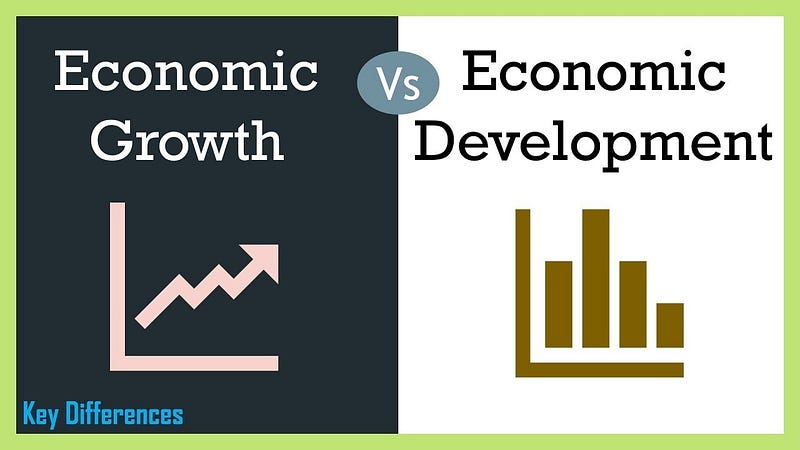
For decades, Gross Domestic Product (GDP) has held the throne as the undisputed monarch of economic progress. Its ascent has been celebrated with the fervor of a coronation, its fluctuations scrutinised with the intensity of court intrigue. But like a gilded portrait concealing cracks in the palace walls, GDP’s singular reign has cast a long shadow, obscuring the true dimensions of societal well-being. It’s time for a revolution, a dethroning of the singular metric and the crowning of a more holistic definition of prosperity, one that embraces the intricate tapestry of happiness, public health, education, and women’s equality.
The GDP Gospel: Growth as the Golden Calf
The traditional GDP-centric view champions economic growth as the holy grail, equating its rise with societal progress. This paradigm hinges on the assumption that a bigger economic pie automatically translates to a more equitable and fulfilling life for all. Yet, this narrative crumbles under closer scrutiny. Consider these harsh realities:
- The Rise of the Gilded Few: While GDP might soar, income inequality often festers beneath the surface, leaving the majority stuck in stagnant wages and dwindling opportunities. The richest 1% now own more than half the world’s wealth, while millions struggle to make ends meet. This stark divergence exposes the fallacy of equating GDP growth with universal well-being.
- A Planet on Borrowed Time: The relentless pursuit of GDP often ignores the planet’s finite resources. Environmental degradation, climate change, and resource depletion become collateral damage in the relentless quest for economic expansion, jeopardising the very foundations of future prosperity.
- Meaning Beyond the Market: The GDP gospel overlooks the essential human dimensions of a thriving society. It fails to capture the value of happiness, community, and a sense of purpose, leaving individuals adrift in a sea of material abundance yet yearning for deeper fulfilment.
The Modern Mantle: Where Happiness, Health, and Equality Reign
In contrast to the singular focus of GDP, true prosperity demands a multi-faceted approach. It recognizes that economic growth, while important, needs to be coupled with investments in public health, education, and women’s equality, creating a fertile ground for individual and collective well-being. This modern definition encompasses:
- Happiness: Beyond material comforts, a sense of personal fulfillment and social connection is crucial for a thriving society. Metrics like life satisfaction, social support, and trust become integral in assessing progress.
- Public Health: A healthy population is a productive population. Investments in healthcare, sanitation, and preventive measures contribute directly to economic growth and societal well-being.
- Education: An educated and skilled workforce is the engine of innovation and progress. Ensuring quality education at all levels empowers individuals and fuels long-term economic success.
- Women’s Equality: When women are empowered with equal access to education, employment, and political participation, their full potential unlocks, boosting economic growth and overall well-being.
Beyond the Binary: A Symphony of Metrics
This shift towards a broader definition of prosperity necessitates a move beyond the simplistic binary of “growth” vs. “no growth.” It’s about recognizing that the pursuit of well-being demands a harmonious symphony of multiple instruments, each playing its part in the grand orchestra of societal progress. This calls for:
- Developing new metrics: Traditional economic indicators need to be complemented by data that capture happiness, social equality, environmental sustainability, and other crucial aspects of well-being.
- Integrating holistic frameworks: Multi-dimensional indices like the Human Development Index and the World Happiness Report can be incorporated into policy decision-making alongside traditional economic indicators.
- Prioritising long-term goals: Investments in public health, education, and equality generate not just immediate economic gains, but also long-term societal well-being and environmental sustainability.
The journey towards redefining prosperity is a collective one. By embracing a broader lens and prioritising the well-being of all citizens, we can build a future where GDP is not the singular crown jewel, but rather one facet of a radiant prosperity mosaic, where happiness, health, and equality reign alongside economic growth.
Data Analysis and Case Studies: Redefining Prosperity Beyond GDP
Contrasting the GDP-Centric View with a Holistic Approach
The limitations of GDP as a sole measure of well-being are increasingly evident. Consider these data points illustrating the disconnect between economic growth and true prosperity:
- The Rise of the 1%: In the United States, between 1973 and 2017, the average real wage for the bottom 50% of earners remained stagnant, while the top 1% saw their income increase by 388%. This demonstrates how GDP growth can coexist with stark inequality, leaving the majority worse off.
- Environmental Costs: China’s rapid economic expansion over the past decades has come at the expense of severe air and water pollution. While GDP soared, respiratory illnesses and environmental degradation increased, threatening both public health and long-term sustainability.
- Happiness Paradox: Despite boasting a high GDP per capita, the United States ranks only 16th in the World Happiness Report 2023. This highlights the disconnect between material wealth and subjective well-being.
Data-Driven Metrics for a Broader Picture:
Moving beyond GDP requires utilising additional data points to paint a more accurate picture of a nation’s well-being. Consider these indices and metrics:
- Human Development Index (HDI): This UN-developed index combines life expectancy, education, and income per capita to assess a nation’s development level. Norway consistently ranks at the top, showcasing the importance of factors beyond GDP.
- World Happiness Report: This annual report ranks countries based on factors like social support, income, healthy life expectancy, freedom, trust, and generosity. It provides valuable insights into subjective well-being alongside economic data.
- Gender Inequality Index (GII): This UN Women index measures gender inequality in reproductive health, empowerment, and economic activity. Closing the gender gap has been shown to boost GDP growth and improve overall well-being.
Case Studies: Pioneering the Holistic Approach
Several countries are pioneering the shift towards a more holistic definition of prosperity:
- Costa Rica: Despite having a relatively low GDP, Costa Rica boasts a high life expectancy, strong healthcare system, and high scores on the Happy Planet Index. This demonstrates how investments in public health and well-being can contribute to overall prosperity.
- Rwanda: Following the devastating genocide, Rwanda focused on education, healthcare, and women’s empowerment, leading to significant economic growth and improved social indicators. This showcases the long-term benefits of investing in these pillars.
- New Zealand: The “Wellbeing Budget” initiative allocates resources based on their impact on overall well-being, not just economic growth. This exemplifies the shift towards prioritising broader societal outcomes.
Data Analysis in Action:
Let’s delve deeper into the data to illustrate the connection between the four pillars of our proposed definition of prosperity and societal well-being:
- Public Health: Studies show that countries with higher life expectancy and lower infant mortality rates tend to have higher GDP per capita. Investing in healthcare can lead to a more productive workforce and lower healthcare costs, boosting the economy in the long run.
- Education: A skilled and educated workforce is crucial for innovation and economic growth. The World Bank estimates that a 1% increase in the average years of schooling can boost GDP per capita by 0.15%. Additionally, education empowers individuals and improves social mobility.
- Happiness: Research suggests a positive correlation between happiness and economic growth. Happy individuals are more productive, creative, and resilient, contributing to a thriving society. Policies that promote social support, community engagement, and meaningful work can enhance happiness levels.
- Women’s Equality: Closing the gender gap in economic participation and leadership boosts GDP growth. The World Bank estimates that achieving gender equality could add $12 trillion to the global economy by 2030.
Data analysis and case studies reveal the limitations of the traditional GDP-centric view and provide compelling evidence for a broader definition of prosperity. By focusing on public health, education, happiness, and women’s equality, we can build a future where economic growth serves not just as a singular metric, but as a foundation for a more equitable, sustainable, and truly prosperous society for all.
Beyond the Numbers: Why Human Well-being Must Guide Economic Progress
For decades, the symphony of economic progress has been conducted by a single instrument: Gross Domestic Product (GDP). Its rise and fall have dictated policy decisions, shaped global narratives, and defined success for nations. But like a broken metronome, relying solely on GDP to guide our steps towards prosperity leads to a discordant melody, one that ignores the complexities of human well-being and ultimately creates a future filled with false notes.
The Limitations of the GDP Chorus:
GDP, by its very definition, is a blunt instrument. It measures the market value of all goods and services produced within a nation, but it remains blind to the crucial aspects of a thriving society:
- Inequality: A booming GDP can hide stark disparities in wealth and opportunity. Soaring national profits might coincide with stagnant wages for the majority, leaving them worse off despite the economic growth.
- Sustainability: The relentless pursuit of GDP growth often comes at the expense of the environment. Depleted resources, environmental degradation, and climate change are the bitter aftertaste of economic success built on an unsustainable foundation.
- Human Flourishing: GDP misses the quiet notes of human fulfillment. It fails to capture the value of happiness, social connection, meaningful work, and a sense of purpose, essential ingredients for a truly rich life.
The Harmonious Melody of Human Well-being:
To rewrite the symphony of progress, we must shift our focus towards a broader, more inclusive definition of prosperity, one that resonates with the diverse aspects of human well-being. This requires factoring in:
- Health and Longevity: A healthy population is a productive and thriving population. Investments in healthcare, sanitation, and preventive measures contribute not only to economic growth but also to individual well-being and lifespan.
- Education and Skills: An educated and skilled workforce fuels innovation, drives progress, and unlocks individual potential. Access to quality education at all levels empowers individuals and contributes to societal progress.
- Social Equality and Fairness: A society where everyone has equal opportunities to succeed, regardless of background or circumstance, fosters trust, cooperation, and long-term stability. Closing the gap on income inequality, gender inequality, and other forms of discrimination is crucial for true prosperity.
- Happiness and Subjective Well-being: Beyond material comforts, the quality of our lives is intricately linked to our emotional well-being, sense of community, and meaningful connections. Policies that promote social support, environmental quality, and work-life balance contribute significantly to happiness and overall well-being.
Building a Symphony of Shared Prosperity:
Embracing a broader definition of prosperity necessitates a transformation in the way we measure and guide economic progress. Here are some crucial steps:
- Developing new metrics: We need data that captures the various dimensions of human well-being, including health, education, inequality, and happiness, alongside traditional economic indicators.
- Shifting policy priorities: Investments in public health, education, social infrastructure, and environmental protection should be seen as not just expenses, but essential investments in future prosperity.
- Empowering communities: Local communities know their needs best. Policies should be designed with participatory approaches, giving people a voice in shaping the future they want.
The Road Ahead: From Solo to Symphony
Moving beyond GDP is not about discarding data, but about interpreting it with depth and nuance. It’s about acknowledging that economic growth, while important, is only one melody in the grand symphony of human well-being. By weaving together the threads of health, education, equality, and happiness, we can compose a future where progress resonates not just in numbers, but in the flourishing of all citizens.
Together, we can raise the curtain on a new era of progress, one where the melody of economic growth harmonises with the chorus of human well-being, creating a truly magnificent symphony of shared prosperity for all.
The Modern Prosperity Equation: Beyond GDP to a Sustainable Future
For far too long, the sole metric of a nation’s success has been Gross Domestic Product (GDP). A nation’s rise and fall were dictated by its economic output, a singular focus that left the tapestry of human well-being tragically neglected. But the 21st century demands a new paradigm, one that transcends the limitations of GDP and embraces a multifaceted approach to progress: The Modern Prosperity Equation.
Beyond the GDP Mirage:
Imagine prosperity as a vibrant tapestry, not a single strand. While GDP represents the economic thread, it fails to capture the intricate fibers of health, education, happiness, and women’s equality. These, woven together, form the foundation of a truly sustainable and thriving society.
The limitations of GDP become evident when we consider:
- The Rise of the 1%: Soaring GDPs often mask stark inequalities, leaving millions behind in the pursuit of economic growth. Consider the United States, where the top 1% owns more than half the wealth, while millions struggle to make ends meet.
- Environmental Costs: Relentless pursuit of GDP often ignores the environment, leading to resource depletion, pollution, and climate change, jeopardising the very foundations of future prosperity. China’s rapid economic expansion is a stark example, with severe air and water pollution casting a long shadow on its success.
- The Happiness Paradox: Despite boasting high GDPs, many nations rank low in global happiness indices. The United States, despite significant wealth, sits only 16th in the World Happiness Report 2023, highlighting the disconnect between material riches and individual well-being.
Introducing the Modern Prosperity Equation:
This equation proposes that true prosperity, represented by P, is not solely a function of economic output (GDP), but a synergistic interplay of four crucial pillars:
P = f(GDP, Health, Education, Women’s Equality)
Where:
- f represents a nonlinear function, highlighting the dynamic and interdependent nature of the pillars.
- Health: A healthy population is a productive one. Investments in healthcare, sanitation, and preventive measures contribute directly to economic growth and individual well-being. Costa Rica’s high life expectancy and strong healthcare system, despite a relatively low GDP, demonstrate the value of this pillar.
- Education: An educated and skilled workforce fuels innovation and drives long-term economic success. Rwanda’s post-genocide focus on education yielded significant economic growth and improved social indicators, showcasing the power of this investment.
- Women’s Equality: Empowering women through equal access to education, employment, and political participation unlocks their full potential and boosts overall well-being. Studies show that closing the gender gap can add trillions to the global economy, underscoring its significance.
The Equation in Action:
Let’s delve deeper into the mathematical essence of the equation. Imagine two nations with the same GDP: Nation A focuses solely on economic growth, neglecting other pillars, while Nation B invests in health, education, and women’s equality. Over time, the equation predicts that Nation B will likely witness:
- Increased life expectancy and reduced healthcare costs: This leads to a more productive workforce and lower societal burden, potentially boosting GDP long-term.
- Enhanced innovation and productivity: An educated and diverse workforce drives innovation, fostering sustainable economic growth beyond mere resource extraction.
- Greater happiness and social cohesion: When individuals feel empowered and contribute equally, trust and social bonds strengthen, creating a more stable and fulfilling society.
Thus, the equation suggests that focusing on the three additional pillars not only improves individual well-being but also creates a stronger foundation for long-term sustainable economic growth, breaking the limitations of the GDP-centric approach.
From Theory to Practice:
The Modern Prosperity Equation isn’t just theoretical, it’s actionable. Several countries are pioneering this shift:
- New Zealand’s “Wellbeing Budget” allocates resources based on their impact on overall well-being, not just economic growth.
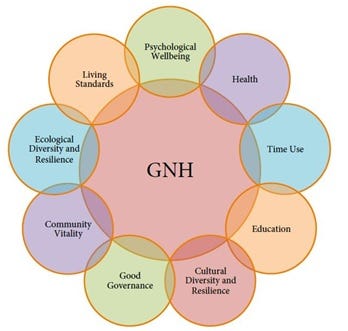
- Bhutan’s “Gross National Happiness” prioritises environmental protection, cultural preservation, and mental health alongside economic development.
- Scotland’s “National Performance Framework” sets ambitious targets for health, education, and equality alongside traditional economic indicators.
These examples demonstrate that prioritising the Modern Prosperity Equation is not just possible, but necessary for building a future where every thread in the tapestry of human well-being is vibrant and intricately woven.
The limitations of GDP are evident, the need for a holistic approach undeniable. The Modern Prosperity Equation offers a framework for a future where economic growth serves not as the sole metric, but as a harmonious melody in the larger symphony of human well-being. By weaving together health, education, happiness, and women’s equality, we can create a tapestry of sustainable prosperity that benefits all.
Deriving the Mathematical Equation for Modern Prosperity —
The Modern Prosperity Equation proposes that true prosperity, represented by P, is not solely a function of economic output (GDP), but a synergistic interplay of four crucial pillars:
P = f(GDP, Health, Education, Women’s Equality)
While the exact form of the function f can be debated and customized based on context, we can explore some potential mathematical models that capture the interdependencies and non-linear relationships between these variables.
Here are two approaches:
1. Additive Model with Weighting:
This model assumes a simple linear relationship between each pillar and prosperity, with varying weights reflecting their relative importance.
P = w_GDP * GDP + w_Health * Health + w_Education * Education + w_WE * Women’s Equality
- w_GDP, w_Health, w_Education, and w_WE are weighting factors representing the relative importance of each pillar. These can be determined through expert evaluations, data analysis, or public consultations.
- Each pillar variable (GDP, Health, Education, and Women’s Equality) can be represented by appropriate metrics, such as GDP per capita, life expectancy, average years of schooling, and gender equality indices.
2. Multiplicative Model with Interaction Terms:
This model acknowledges the potential multiplicative effects and interactions between the pillars.
P = GDP * (1 + α_Health * Health + α_Education * Education + α_WE * Women’s Equality + β_HE * Health * Education + β_HW * Health * Women’s Equality + β_EW * Education * Women’s Equality)
- α_Health, α_Education, and α_WE represent the direct impacts of each pillar on prosperity.
- β_HE, β_HW, and β_EW represent the interaction terms between pillars, capturing potential synergies or trade-offs.
Understanding the Modern Prosperity Equation:
The Modern Prosperity Equation proposes a novel perspective on what constitutes true prosperity. It moves beyond the traditional single metric of Gross Domestic Product (GDP) and emphasises a holistic approach that incorporates four key pillars:
- Economic Output (GDP): This represents the overall size and productivity of an economy. While important, it doesn’t guarantee widespread well-being.
- Health: A healthy population is a productive population. High life expectancy and low disease rates contribute to a stronger workforce and lower healthcare costs.
- Education: An educated populace is better equipped to adapt, innovate, and contribute to economic growth. Access to quality education is crucial for individual and societal advancement.
- Women’s Equality: When women are empowered to participate equally in the economy and society, their talents and abilities contribute to collective prosperity. Gender equality strengthens communities and unlocks the full potential of half the population.
The equation P = f(GDP, Health, Education, Women’s Equality) represents the relationship between these pillars and overall prosperity (P). While the exact form of the function (f) can be debated and tailored to specific contexts, two potential models are highlighted:
1. Additive Model with Weighting:
This assumes a simple linear relationship between each pillar and prosperity, with varying weights reflecting their relative importance. Here’s a breakdown:
- P: Overall prosperity
- w_GDP, w_Health, w_Education, w_WE: Weights assigned to each pillar, determined by expert assessments, data analysis, or public consultations.
- GDP: Economic output (e.g., GDP per capita)
- Health: Health index (e.g., life expectancy)
- Education: Education level (e.g., average years of schooling)
- Women’s Equality: Gender equality index
Multiplicative Model with Interaction Terms — A Deeper Dive
The Multiplicative Model with Interaction Terms delves deeper into the Modern Prosperity Equation, offering a more nuanced understanding of how the four pillars interact and contribute to overall prosperity. Here’s a breakdown of its key elements:
Equation:
- P: Overall prosperity
- GDP: Economic output (e.g., GDP per capita)
- α_Health, α_Education, α_WE: Direct impacts of each pillar on prosperity, represented as multiplicative coefficients.
- β_HE, β_HW, β_EW: Interaction terms between pillars, capturing synergistic or trade-off effects.
- (1 + …): Base term ensures positive values even when interaction terms are negative.
Direct Impacts (α coefficients):
- Each α coefficient represents the proportional increase in prosperity associated with a unit increase in its respective pillar (e.g., 1 year of additional schooling, 1 point improvement in a gender equality index).
- These coefficients can be interpreted independently, highlighting the standalone contribution of each pillar to prosperity.
Interaction Terms (β coefficients):
- These capture the synergistic or trade-off effects between different pillars. For example:
- β_HE might reflect how good health amplifies the benefits of education (e.g., healthier individuals learn more effectively).
- β_HW might capture how higher levels of women’s equality might contribute to better healthcare outcomes (e.g., increased access to healthcare services for women and children).
- β_EW might show how education empowers women to participate more effectively in the economy, enhancing prosperity.
Benefits of the Model:
- More realistic representation of the complex relationships between the pillars.
- Captures the potential non-linear effects of increased investment in a particular pillar.
- Allows for identifying specific interactions that drive greater prosperity or highlight potential trade-offs.
Challenges and Considerations:
- The model is more complex to interpret than the Additive Model.
- Estimating the β coefficients with sufficient accuracy requires robust data and sophisticated statistical methods.
- Choosing the appropriate interaction terms depends on the context and available data.
The Multiplicative Model with Interaction Terms offers a powerful tool for analysing the Modern Prosperity Equation. While it adds complexity, it provides a deeper understanding of the intricate web of factors contributing to true prosperity. By carefully exploring these interactions, policymakers and researchers can develop more effective strategies for promoting sustainable development and well-being for all.
Exploring Prosperity through Trends, Cases, and Equations: A Responsible Journey
Let’s embark on a fascinating journey to understand how the pillars of the Modern Prosperity Equation (P = f(GDP, Health, Education, Women’s Equality)) play out in different economic landscapes. We’ll navigate through general trends in various groups, delve into inspiring case studies, and respect ethical boundaries as we explore:
1. Unveiling Trends across Economic Groups:
- Developed Economies: Their HDI and happiness scores typically show gradual but consistent improvements, fueled by sustained investments in healthcare, education, and gender equality initiatives. Think Norway, consistently topping happiness rankings, or Japan’s focus on longevity and education.
- Developing Economies: Witnessing impressive gains, often due to rapid economic growth and targeted social welfare programs. India’s advancements in female literacy and maternal health, or Vietnam’s investments in education and infrastructure, are noteworthy examples.
- Underdeveloped Economies: Progress might be slower, but improvements in areas like child survival and basic education are evident. Rwanda’s focus on healthcare access and community development offers inspiration.
- Emerging Market Economies: Rapid economic growth has sometimes outpaced well-being. China’s environmental initiatives and Chile’s efforts to address income inequality showcase attempts to achieve sustainable prosperity.
2. Spotlight on Success Stories:
- Costa Rica: Despite being an upper-middle-income country, its commitment to environmental sustainability and social welfare ranks it high in both HDI and happiness.
- Bhutan: Prioritising Gross National Happiness has led to investments in mental health and cultural preservation, boosting well-being despite its lower GDP.
- Rwanda: Rising from conflict and poverty, its focus on community empowerment, healthcare access, and gender equality has led to remarkable progress in HDI and happiness.
3. Decoding the Equation through Correlations:
- Analysing correlations between trends in HDI, happiness, and P scores across groups can reveal how investments in each pillar contribute to well-being in different contexts.
- Variations within groups, like stronger health impact in developing economies, showcase how the interplay between pillars might differ based on challenges and priorities.
4. Embracing a Broader Picture:
- Moving beyond HDI and happiness, exploring factors like environmental sustainability, social cohesion, and access to basic necessities provides a more holistic view of well-being.
- Examining how these factors interact with the equation’s pillars helps define and work towards a more inclusive and sustainable vision of prosperity.
Happiness: The Hidden Engine of Productivity
For decades, economic orthodoxy focused solely on GDP as the ultimate measure of progress. However, a growing body of research suggests that happiness might be a hidden driver of economic productivity: happier workers are often more engaged, productive, and innovative.
Researching the Link:
- Experiments: Studies, like one by Diener and Biswas-Diener (2002), show that increasing workers’ happiness through surprise gifts resulted in a 12% increase in productivity.
- Real-world correlations: Countries with higher happiness rankings, like Denmark and Finland, often boast strong economies and high productivity levels.
- Neurological basis: Happiness promotes positive emotions and neurotransmitters like dopamine, enhancing focus, creativity, and problem-solving abilities, crucial for productivity.
Examples of Well-being-Focused Countries:
- Bhutan: Prioritising Gross National Happiness (GNH) has led to investments in mental health, cultural preservation, and environmental sustainability, contributing to higher well-being and economic growth.
- New Zealand: Its “Wellbeing Budget” allocates resources based on population well-being metrics, demonstrating a commitment to social and emotional well-being alongside economic progress.
- Costa Rica: Despite being an upper-middle-income country, its focus on environmental sustainability and social welfare ranks it high in both happiness and prosperity indices.
Mechanisms of the Happiness-Productivity Link:
- Reduced absenteeism: Happier workers are less likely to take sick leave, increasing overall workforce availability.
- Increased engagement and motivation: Positive emotions boost intrinsic motivation, leading to workers going the extra mile.
- Improved cooperation and teamwork: Happiness fosters trust and collaboration, facilitating effective communication and problem-solving.
- Enhanced creativity and innovation: A positive mindset encourages out-of-the-box thinking and risk-taking, leading to innovative solutions.
Investing in Happiness:
While correlation doesn’t equal causation, the emerging evidence suggests that fostering well-being can be a valuable economic strategy. Policies and initiatives that promote happiness at work, such as flexible work arrangements, employee recognition programs, and investments in mental health, can yield significant economic benefits.
The traditional “GDP first” approach might be missing a crucial piece: happiness. By recognizing the link between happiness and productivity, we can shift towards a more holistic vision of prosperity that prioritises well-being alongside economic growth, creating a brighter future for individuals and societies as a whole.
The traditional focus on GDP as the sole measure of economic success is slowly giving way to a more nuanced understanding of prosperity that incorporates social and individual well-being. Factors like social connection, meaningful work, and mental health play a crucial role in a thriving economy in several ways:
1. Social Connection:
- Stronger social networks: Communities with higher levels of trust and social cohesion experience lower crime rates, increased civic engagement, and a greater willingness to collaborate and innovate, leading to economic growth.
- Improved mental and physical health: Social isolation has been linked to increased stress, depression, and chronic diseases, all of which can affect productivity and healthcare costs. Strong social connections provide support and buffer against these challenges, contributing to a healthier and more productive workforce.
- Enhanced creativity and innovation: Diverse perspectives and collaborations fostered by strong social ties spark new ideas and solutions, driving innovation and economic progress.
2. Meaningful Work:
- Increased engagement and productivity: Employees who find their work meaningful are more engaged, motivated, and willing to go the extra mile, resulting in higher productivity and better work outcomes.
- Reduced turnover and absenteeism: Dissatisfied employees are more likely to leave their jobs or take sick leave, leading to higher costs and disruptions for businesses. Meaningful work fosters loyalty and commitment, reducing these issues.
- Enhanced skills and adaptability: When employees feel valued and invested in their work, they are more likely to learn new skills and adapt to changing demands, making them more valuable assets to the economy.
3. Mental Health:
- Improved cognitive function and decision-making: Mental health issues can impair cognitive abilities and decision-making, leading to errors and lost productivity. Investing in mental health support promotes a healthier workforce with sharper minds, enabling better decision-making for individual and business success.
- Reduced healthcare costs: Mental health issues often lead to increased healthcare costs. Prioritising mental health can alleviate this burden and free up resources for other investments in the economy.
- Stronger social safety nets: Societies with well-being in mind create stronger social safety nets that provide support for individuals facing mental health challenges, allowing them to participate meaningfully in the economy.
Thriving Economies through Holistic Well-being:
By investing in social connection, meaningful work, and mental health, economies can reap significant benefits:
- Increased productivity and innovation: A happier, healthier, and more connected workforce leads to greater economic output and a more adaptable and innovative economy.
- Reduced social costs: Stronger social ties and improved mental health reduce crime, healthcare costs, and social welfare expenses, freeing up resources for further development.
- Sustainable growth: Focusing on well-being alongside economic growth creates a more sustainable and equitable society, attracting talent and promoting long-term prosperity.
Examples:
- Finland: Prioritising work-life balance and mental health support has contributed to its high levels of employee satisfaction and economic competitiveness.
- Bhutan: Its Gross National Happiness framework focuses on social and emotional well-being alongside economic development, achieving impressive progress in both areas.
- New Zealand: Investing in social programs and cultural development has fostered a strong sense of community and well-being, contributing to its economic resilience and prosperity.
Moving beyond a “GDP-first” approach and recognizing the importance of factors like social connection, meaningful work, and mental health is crucial for building thriving economies. By promoting individual well-being, we build a stronger, more resilient, and more equitable society that benefits everyone. Let’s continue exploring this paradigm shift and work towards a future where economic success encompasses the holistic well-being of all.
Remember, this is an evolving field with ongoing research. Feel free to ask further questions about specific examples, benefits, or challenges of prioritizing well-being in the economy. Together, we can shape a future where prosperity reflects not just wealth, but the true measure of human flourishing.
Cultivating Happiness and Connection: Policies and Initiatives for a Flourishing Society
The pursuit of happiness and strong social connections has shifted from personal aspirations to recognized pillars of a thriving society. Here are some impactful policies and initiatives that can foster these crucial elements:
Work-Life Balance:
- Flexible work arrangements: Remote work, flexible hours, and compressed workweeks can empower employees to manage personal responsibilities and reduce stress, leading to greater satisfaction and well-being.
- Paid parental leave: Supporting new parents with generous parental leave policies allows them to bond with their children and reintegrate into work without undue pressure, contributing to higher retention and stronger family units.
- Reduced working hours: Exploring shorter workweeks, like the four-day model gaining traction in some countries, can free up time for leisure, family, and community engagement, boosting overall happiness and social interaction.
Community Engagement Initiatives:
- Investing in public spaces: Creating vibrant parks, plazas, and community centers provides safe and accessible spaces for residents to connect, participate in activities, and build relationships.
- Supporting civil society: Funding and encouraging community organizations, clubs, and volunteer programs facilitates social interactions, fosters a sense of belonging, and empowers individuals to contribute to their communities.
- Promoting local events and festivals: Celebrating cultural heritage, arts, and sports through public events brings residents together, boosts local economies, and creates a sense of shared identity.
Investments in Green Spaces:
- Urban greening: Integrating parks, green walkways, and rooftop gardens into cities improves air quality, reduces stress, and encourages physical activity, all of which contribute to well-being and social interactions.
- Nature-based activities: Supporting accessible trails, community gardens, and outdoor recreation programs reconnects people with nature, promotes mental and physical health, and fosters shared experiences.
- Environmental education: Educating citizens about the importance of green spaces and sustainable practices empowers them to become stewards of their environment and engage in environmentally conscious activities together.
Beyond Policies:
These policies and initiatives can be more effective when coupled with cultural shifts:
- Normalising flexibility: Encouraging employers to view flexible work arrangements as a productivity booster, not a burden, can change workplace norms and promote trust between employees and employers.
- Breaking down social isolation: Encouraging open communication about mental health and reducing stigma surrounding social connection can build a more supportive and connected society.
- Investing in emotional literacy: Building programs that teach individuals and communities communication, empathy, and conflict resolution skills can enhance interpersonal relationships and social cohesion.
Benefits and Challenges:
While fostering happiness and social connection has clear benefits, there are challenges:
- Cost considerations: Implementing policies like paid leave or green projects can require financial resources, but can lead to long-term cost savings through increased productivity and well-being.
- Cultural resistance: Changing established work norms or encouraging open discussions about mental health might face initial resistance, requiring effective communication and cultural sensitivity.
- Measurement and evaluation: Measuring the impact of these initiatives can be complex, but developing metrics around engagement, social cohesion, and well-being indicators can provide valuable insights.
Investing in policies and initiatives that foster happiness and social connections is not a luxury, but an investment in the future. By creating supportive environments, fostering meaningful interactions, and reconnecting with nature, we can build a stronger, happier, and more resilient society for generations to come. Let’s continue exploring ways to prioritise these crucial elements and build a future where well-being is woven into the fabric of our communities and economies.
Education: The Cornerstone of Happiness and Prosperity —
Education is often revered as the key to unlocking individual and societal potential. But beyond securing decent jobs, education’s true worth lies in its ability to cultivate critical thinking, adaptability, and resilience, fundamental skills that pave the way for a happier and more prosperous life.
Critical Thinking: A Compass for Happiness:
- Education equips individuals with the tools to analyze information, form independent opinions, and make informed decisions. This intellectual autonomy empowers individuals to navigate life’s challenges with confidence and find solutions that align with their values and goals, contributing to greater personal satisfaction and well-being.
- Critical thinking fosters social engagement and participation. Individuals with analytical skills can critically evaluate societal issues, engage in constructive dialogue, and work towards positive change, contributing to a healthier and more equitable society.
Adaptability: Embracing Change with Confidence:
- The world is constantly evolving, and education prepares individuals to embrace change with a growth mindset. By learning new skills, adapting to new technologies, and readily taking on new challenges, individuals can thrive in uncertain environments and find fulfilment in diverse professional and personal scenarios.
- Adaptability fosters resilience. When faced with setbacks or difficulties, individuals equipped with adaptability can bounce back, find creative solutions, and persevere through challenges. This resilience contributes to emotional well-being and prevents frustration and despair.
Resilience: The Pillar of Individual and Societal Well-being:
- Education fosters emotional intelligence and self-awareness, enabling individuals to understand and manage their emotions effectively. This emotional resilience allows them to cope with stress, deal with adversity, and maintain a positive outlook in the face of challenges, contributing to their personal happiness and mental health.
- Societally, a resilient population forms the bedrock of a strong and dynamic nation. Individuals equipped with resilience can overcome collective challenges, adapt to external shocks, and build a brighter future for themselves and their communities.
Empowering through Access:
Ensuring universal access to quality education at all levels is crucial for maximizing these benefits. When individuals, regardless of gender, socio-economic background, or geographical location, have the opportunity to acquire knowledge and develop critical skills, the entire society reaps the rewards:
- Reduced inequalities: Education empowers individuals to escape poverty and improve their social mobility, contributing to a more equitable distribution of resources and opportunities.
- Enhanced economic growth: A skilled workforce fuels innovation, attracts investment, and drives economic development, benefiting everyone.
- Stronger civic engagement: Educated citizens participate actively in civic life, make informed decisions, and hold their leaders accountable, strengthening democracy and good governance.
Investing in education is not merely an economic expense; it is an investment in the happiness and well-being of individuals and the prosperity of societies as a whole. By prioritising access to quality education and nurturing critical thinking, adaptability, and resilience, we can build a future where everyone has the opportunity to thrive and contribute to a happier and more sustainable world.
Fulfilling Careers:
- Skill development: Education equips individuals with the knowledge and skills necessary to excel in various professions. This opens doors to a wider range of career options, allowing them to choose paths that align with their interests and aspirations.
- Critical thinking and problem-solving: Educational experiences sharpen critical thinking, problem-solving, and decision-making skills. These skills are highly valued in any workplace, making individuals more adaptable and effective in their chosen careers, leading to greater satisfaction and success.
- Lifelong learning: Education fosters a love of learning and encourages individuals to continuously broaden their knowledge and skills. This adaptability allows them to stay relevant in dynamic job markets, keep up with emerging technologies, and thrive in diverse professional environments.
Meaningful Contribution to Society:
- Civic engagement: Education cultivates informed and engaged citizens who actively participate in their communities. By understanding democracy, critical thinking, and social responsibility, individuals can contribute to positive change and advocate for the betterment of their societies.
- Innovation and problem-solving: Educated individuals are equipped to tackle complex challenges facing society, such as climate change, poverty, and inequality. Their knowledge, skills, and critical thinking abilities can drive innovation, develop solutions, and make a meaningful impact on the world around them.
- Leadership and collaboration: Educational experiences often involve teamwork and leadership opportunities, fostering skills crucial for building strong communities and working towards common goals. This allows individuals to inspire and collaborate with others, contributing to a more cohesive and equitable society.
Improved Happiness:
- Personal growth and development: Education opens doors to new knowledge, experiences, and perspectives, fostering personal growth and development. This allows individuals to build self-confidence, discover their strengths, and find meaning and purpose in life, leading to greater happiness and well-being.
- Reduced inequalities: Education is a powerful tool for breaking down social and economic barriers. By providing equal opportunities for learning and advancement, education paves the way for a more equitable society where everyone has the chance to achieve their full potential and experience happiness.
- Improved mental health: Studies have shown that education can contribute to better mental health outcomes by reducing stress, anxiety, and depression. The cognitive stimulation and social connections fostered through education can improve overall well-being and happiness.
It’s important to remember that the benefits of education go far beyond individual pursuits. By empowering individuals to contribute meaningfully to society and experience greater happiness, education fuels a virtuous cycle of progress and prosperity for all.
Cultivating Well-being and Skills: Innovative Approaches to Education —
While traditional education focuses on developing skills and knowledge, the modern landscape demands an integrated approach that prioritizes well-being alongside skill development. Innovative educational practices are emerging to equip students with not just the “what” but also the “how” and the “why” of learning, fostering their emotional intelligence and overall well-being. Let’s explore some exciting examples:
Mindfulness Training:
- Meditation and breathing exercises: Integrating mindfulness practices into the curriculum helps students manage stress, improve focus, and enhance self-awareness. This can lead to better academic performance, emotional regulation, and increased resilience in the face of challenges.
- Mindful movement and yoga: Incorporating gentle physical activities like yoga or mindful movement breaks can energise students, improve body awareness, and promote emotional expression.
Emotional Intelligence (EI) Programs:
- Social-emotional learning (SEL) programs: Explicitly teaching social and emotional skills like empathy, communication, and conflict resolution equips students to navigate interpersonal relationships effectively, build healthy connections, and make responsible decisions.
- Art and expressive therapy: Encouraging creative expression through art, music, or drama allows students to explore their emotions, build self-confidence, and develop effective coping mechanisms for stress and anxiety.
Technology-driven Innovation:
- Virtual reality (VR) and gamification: Utilising VR experiences or educational games can gamify learning, making it more engaging and interactive while offering safe spaces for practising social skills and emotional regulation.
- Digital wellness tools and apps: Implementing mindfulness apps, mood trackers, and personalised mental health resources can empower students to monitor their well-being, learn self-care techniques, and seek support when needed.
Holistic and Collaborative Learning:
- Project-based learning: This approach engages students in collaborative projects that address real-world problems. This fosters teamwork, problem-solving skills, and empathy while providing opportunities to apply academic knowledge in meaningful contexts.
- Nature-based learning: Outdoor experiences and connection with nature have been shown to reduce stress, improve mood, and boost cognitive function. Incorporating nature walks, gardening projects, or even outdoor classrooms can contribute to both academic and emotional well-being.
Challenges and Considerations:
While these innovative approaches hold immense potential, integrating them effectively requires some considerations:
- Teacher training and support: Educators need training and resources to implement these techniques effectively and create a safe and supportive learning environment.
- Cultural sensitivity and inclusivity: Approaches should be culturally sensitive and cater to diverse needs and learning styles.
- Evaluation and assessment: Developing comprehensive metrics to measure the impact of these initiatives on well-being and academic outcomes is crucial.
Investing in innovative educational practices that promote well-being alongside skill development can empower students to navigate the complexities of the modern world. By fostering emotional intelligence, mindfulness, and resilience, we can prepare future generations to thrive not just academically, but also emotionally and socially, laying the foundation for a happier and more equitable society.
Public Health: The Bedrock of Happiness and Prosperity —
Public health often conjures images of vaccines and hygiene campaigns, but its impact extends far beyond preventing communicable diseases. A healthy population is not just the absence of illness; it’s the foundation for individual happiness, community well-being, and a thriving economy. Let’s explore how these connections play out:
Individual Happiness:
- Physical and mental well-being: Good public health initiatives ensure access to quality healthcare, preventive care, and mental health services. This translates to healthier individuals with lower risk of chronic diseases, depression, and anxiety, all of which directly impact happiness and fulfillment.
- Increased productivity and engagement: Healthy individuals are more likely to be energetic, focused, and present in their daily lives. This leads to higher productivity at work, increased engagement in hobbies and social activities, and ultimately, greater personal satisfaction.
- Enhanced resilience and adaptability: A healthy population has the physical and mental capacity to cope with challenges and adapt to change. This resilience fosters a sense of confidence and optimism, contributing to well-being and happiness even in the face of difficulties.
Community Well-being:
- Stronger social connections: When individuals are healthy, they can more actively participate in community life, build relationships, and contribute to local initiatives. This fosters a sense of belonging, mutual support, and collective well-being, vital for a thriving community.
- Reduced crime and social disruption: Public health programs tackling issues like substance abuse and mental health can contribute to safer communities with lower crime rates and fewer social disruptions. This creates a more secure and conducive environment for everyone to flourish.
- More vibrant and diverse communities: Healthier populations tend to be more diverse and inclusive, welcoming individuals with different abilities and backgrounds. This diversity enriches community life and fosters a sense of shared humanity and understanding.
Reduced Economic Costs:
- Lower healthcare expenses: Investing in preventive healthcare and accessible medical services leads to a healthier population requiring less intensive and costly interventions later. This reduces the financial burden on individuals and healthcare systems, freeing up resources for other essential services.
- Increased productivity and economic growth: A healthy workforce is more productive and less likely to miss work due to illness. This translates to higher economic output, boosted tax revenue, and enhanced economic growth, benefiting everyone.
- Decreased social costs: Public health measures addressing issues like domestic violence and mental health can reduce social costs associated with crime, incarceration, and lost productivity. This contributes to a more financially resilient and equitable society.
Investing in Public Health:
Building a healthy population requires comprehensive public health strategies focusing on:
- Prevention: Prioritising preventive care, healthy lifestyle education, and accessible healthcare services helps prevent diseases and promotes overall well-being.
- Social determinants of health: Addressing factors like poverty, housing, and education that impact health outcomes creates a more equitable environment where everyone has a chance to be healthy.
- Community engagement: Empowering communities to take ownership of their health through local initiatives and participatory approaches fosters social cohesion and sustainable health improvements.
Public health is not just about disease prevention; it’s about investing in the happiness and well-being of individuals, communities, and economies. By prioritizing a healthy population, we create a virtuous cycle where individual happiness strengthens communities and fuels economic prosperity. Remember, public health is an investment in all of us, a foundation for a brighter future where everyone has the opportunity to thrive.
Public Health Systems: Guardians of Well-being for All —
Public health systems play a critical role in our lives, far beyond simply responding to outbreaks or treating illnesses. They serve as guardians of well-being, proactively preventing diseases, promoting preventive care, and ensuring access to healthcare for all. Let’s delve into the crucial aspects of their functions:
Disease Prevention:
- Immunisation programs: Public health systems spearhead vaccination campaigns, protecting individuals and communities from infectious diseases. This reduces suffering, saves lives, and prevents economic hardship caused by widespread illness.
- Surveillance and outbreak response: Public health systems actively monitor disease trends, identify potential outbreaks early, and implement quick and effective responses to contain them. This proactive approach minimizes the spread of diseases and protects vulnerable populations.
- Environmental health: Ensuring clean water, sanitation, and healthy air quality significantly reduces the risk of waterborne diseases, respiratory illnesses, and other environmental hazards. Public health systems advocate for and implement policies and interventions to safeguard our environment.
Promoting Preventive Care:
- Public health campaigns: Educating individuals about healthy habits, regular checkups, and early detection of chronic diseases empowers them to take control of their health. Campaigns targeting smoking cessation, healthy eating, and physical activity promote preventive care and reduce future healthcare costs.
- Screening programs: Early detection of diseases like cancer, diabetes, and HIV/AIDS through public health screenings saves lives and allows for timely intervention, improving treatment outcomes and reducing long-term complications.
- Prenatal and child health programs: Providing pre-natal care, maternal education, and immunizations for children ensures a healthy start to life. These programs reduce infant mortality, promote healthy development, and prevent future health problems.
Ensuring Access to Healthcare:
- Universal healthcare systems: Many countries have implemented national healthcare systems ensuring access to basic healthcare services for all citizens. This reduces financial barriers to healthcare, promotes social equity, and improves overall population health.
- Public health clinics and services: Public health clinics offer affordable or free healthcare services to underserved communities, including low-income populations and uninsured individuals. This provides necessary medical care to those who might otherwise lack access.
- Health insurance expansion: Policies that expand health insurance coverage increase the number of individuals with access to preventive care and treatment, leading to better health outcomes and reduced reliance on emergency services.
Challenges and Opportunities:
Public health systems face various challenges, including:
- Funding constraints: Adequate funding is crucial for effective public health interventions, but competing priorities often lead to under-investment.
- Inequities in access: Social and economic inequalities can limit access to preventive care and healthcare services for certain populations.
- Emerging threats: New and evolving diseases require constant adaptation and innovation from public health systems.
Despite these challenges, opportunities exist to strengthen public health systems:
- Investing in prevention: Focusing on preventive measures can save costs in the long run and improve overall health outcomes.
- Addressing social determinants of health: Tackling factors like poverty, education, and housing can create a more equitable environment where everyone has a chance to be healthy.
- Embracing technology: Utilising technology for data analysis, communication, and remote healthcare services can improve efficiency and reach of public health programs.
Public health systems are not just healthcare providers; they are guardians of our collective well-being. By preventing diseases, promoting preventive care, and ensuring access to healthcare for all, they contribute not only to individual health but also to a stronger, more equitable, and prosperous society. Let’s advocate for robust public health systems, recognizing their vital role in building a healthier and happier future for all.
Here are some shining examples of public health initiatives that have demonstrably brought about economic gains and enhanced societal happiness:
1. Global Polio Eradication Initiative: Since its launch in 1988, this ambitious initiative has seen polio cases plummet by over 99%, saving millions of lives and preventing countless disabilities. This translates to economic benefits through reduced healthcare costs, increased workforce productivity, and improved educational attainment. Additionally, the success of this initiative has bolstered global health infrastructure and collaboration, fostering confidence and optimism in communities worldwide.
2. Early Childhood Development Programs: Investing in programs that provide quality early childhood education and healthcare leads to improved cognitive development, physical health, and social skills. Studies like the Perry Preschool Project in the US showed significant long-term gains in income, education levels, and overall well-being for participants compared to a control group. This translates to increased tax revenue, reduced social costs, and a happier, more productive generation.
3. Tobacco Control Legislation: Implementing smoke-free policies and raising tobacco taxes has demonstrably improved public health. Studies in Canada, for example, estimate that smoke-free policies have saved billions in healthcare costs and resulted in fewer workdays lost due to illness. Additionally, healthier citizens contribute to a more vibrant and economically active population, with reduced strain on public resources.
4. Community-Based Mental Health Initiatives: Integrating mental health services into primary care and community settings improves access to care, reduces stigma, and empowers individuals to manage their mental well-being. This leads to increased employment rates, decreased reliance on welfare programs, and improved overall productivity in the workforce. Moreover, strong mental health contributes to a stronger social fabric, with positive impacts on community engagement and collective well-being.
5. Water and Sanitation Investments: Ensuring access to clean water and sanitation is fundamental to public health and economic development. Studies have shown that investing in these areas leads to reductions in waterborne diseases, improved child health and survival rates, and increased female workforce participation. Furthermore, access to clean water empowers communities and fosters social cohesion, contributing to a happier and more resilient society.
These are just a few examples of the countless public health initiatives that have yielded both economic and societal benefits. Remember, investing in public health is not just a healthcare expense; it’s an investment in the future, paving the way for a healthier, happier, and more prosperous world for all.
Women’s Equality: Fueling Prosperity and Well-being for All —
Gender equality — not just a moral imperative, but a powerful catalyst for societal progress, economic growth, and individual well-being. When we unlock the full potential of half the population, the benefits ripple through multiple domains, creating a win-win situation for everyone. Let’s dive into how: Increased Economic Participation:
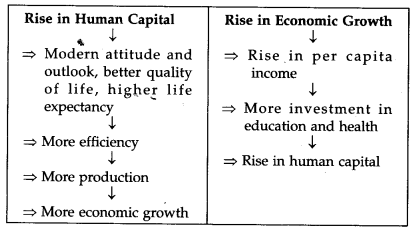
- Increased Workforce Participation of Women : Empowering women to participate in the workforce increases the available talent pool, leading to a larger and more diverse workforce. This expands the tax base, boosts economic output, and fuels innovation.
- Enhanced productivity and performance: Studies show that companies with greater gender diversity perform better financially and experience increased innovation and problem-solving abilities. Diverse perspectives and talents lead to richer solutions and better decision-making.
- Reduced poverty and inequality: When women earn income, they invest a larger portion back into their families and communities, contributing to poverty reduction and improved social mobility. This creates a more equitable and sustainable society.
Innovation and Progress:
- Diverse perspectives and problem-solving: Gender-inclusive environments foster a wider range of perspectives and approaches to challenges, leading to more creative solutions and groundbreaking innovations. This is critical for driving progress in various fields, from science and technology to healthcare and social development.
- Improved governance and decision-making: Having women represented at all levels of leadership ensures policies and decisions reflect the needs and perspectives of the entire population, leading to fairer and more effective governance.
- Stronger communities and social fabric: When women have equal opportunities and power, communities thrive. They contribute actively to social development, promote peacebuilding, and advocate for positive change, creating a more resilient and just society.
Overall Well-being:
- Improved health outcomes: Investing in girls’ education and empowering women with control over their reproductive health leads to better health outcomes for mothers and children. This results in fewer maternal deaths, reduced child mortality, and improved overall health indicators for communities.
- Enhanced education for all: When women are educated, they invest in their children’s education, creating a ripple effect that promotes higher literacy rates and educational attainment for all. This builds a more knowledgeable and informed society.
- Greater happiness and life satisfaction: Studies show that gender equality correlates with higher levels of happiness and life satisfaction for both men and women. This is because it fosters autonomy, promotes respect and trust, and creates a more just and equitable society for everyone.
Investing in Equality:
Achieving gender equality requires a multi-pronged approach:
- Education and skills development: Providing girls with equal access to quality education and equipping them with relevant skills is crucial for their economic empowerment and participation.
- Breaking down discriminatory barriers: Combating discriminatory laws, policies, and social norms that hinder women’s progress is essential to create a level playing field.
- Promoting parental leave and childcare: Access to affordable and quality childcare enables women to participate in the workforce without undue burden, allowing them to balance career and family aspirations.
- Investing in healthcare and reproductive rights: Ensuring access to quality healthcare, including sexual and reproductive health services, empowers women to make informed choices about their lives and bodies.
Women’s equality is not just a noble goal; it’s a powerful driver of progress, prosperity, and well-being for all. By unlocking the full potential of women, we unlock the potential of our societies. Let’s embrace gender equality as the catalyst for a brighter future where everyone has the opportunity to thrive.
Flourishing Lives, Thriving Societies: The Ripple Effect of Empowering Women —
Investing in women’s education, healthcare access, economic empowerment, and political participation is not just the right thing to do; it’s a strategic investment in the happiness and well-being of individuals, communities, and economies. Let’s explore the positive ripple effect these policies create:
Happiness:
- Personal Autonomy and Agency: When women have control over their education, healthcare, and economic choices, they gain a sense of autonomy and agency that boosts self-esteem and confidence, leading to greater happiness and life satisfaction.
- Improved Family Well-being: Educated and empowered women invest more in their families’ health and education, breaking the cycle of poverty and creating a more nurturing environment for everyone. This fosters emotional well-being and stronger family bonds, contributing to societal happiness.
- Reduced Gender Inequality: Policies promoting gender equality address social and cultural norms that can lead to stress and anxiety for women. This reduction in inequality creates a more just and equitable society, enhancing overall happiness for all.
Economic Growth:
- Increased Workforce Participation: Empowering women to enter and remain in the workforce expands the available talent pool, leading to higher economic output and increased tax revenue. This fuels economic growth and creates new opportunities for everyone.
- Enhanced Productivity and Innovation: Diverse perspectives and talents brought by women in the workforce spark innovation and lead to better problem-solving. This boosts productivity, drives development in various sectors, and strengthens the overall economic landscape.
- Reduced Poverty and Inequality: When women earn income, they reinvest a significant portion back into their families and communities, reducing poverty and promoting social mobility. This creates a more equitable distribution of resources and contributes to sustainable economic growth.
Examples and Challenges:
- Rwanda: By prioritising women’s education and political participation, Rwanda has made significant strides in economic development and gender equality. Over 60% of parliamentarians are women, and the country boasts one of the highest female labour force participation rates in Africa.
- Challenges: Access to quality education, affordable healthcare, and childcare remains a barrier for women in many parts of the world. Societal prejudices and discriminatory laws also hinder progress.
Policy Solutions:
- Investing in girls’ education: Ensuring access to quality education from a young age is crucial for empowering women throughout their lives.
- Expanding healthcare access: Providing women with comprehensive healthcare, including sexual and reproductive health services, improves their well-being and enables them to make informed choices.
- Promoting economic opportunities: Policies like equal pay laws, access to finance for women entrepreneurs, and affordable childcare support women’s economic participation.
- Encouraging political participation: Quotas for women in government leadership positions and initiatives to increase women’s voter turnout can bridge the political gender gap.
Investing in women’s education, healthcare access, economic empowerment, and political participation is not just an act of justice; it’s a wise investment in a brighter future. By unlocking the full potential of women, we unlock the potential of our societies to improve happiness, create prosperity, and build a more sustainable world for all. Let’s continue advocating for policies and initiatives that empower women and celebrate their contributions to shaping a happier and more equitable world.
Here are some inspiring success stories of countries and organizations that have implemented effective gender equality policies and reaped economic and happiness benefits:
Countries:
- Iceland: Renowned for its gender equality, Iceland boasts a robust parental leave policy, affordable childcare, and equal pay laws. This translates to high workforce participation for women, low gender pay gaps, and overall high levels of well-being for both men and women.
- Rwanda: Following the devastating genocide, Rwanda embarked on a remarkable journey towards gender equality. They prioritized girls’ education, increased women’s representation in parliament to over 60%, and implemented policies promoting economic opportunities for women. This has led to significant economic growth, reduced poverty, and improved education and healthcare outcomes for all.
- Finland: Ranked the happiest country in the world for several years, Finland prioritises early childhood education, accessible healthcare, and equal parental leave. This fosters a more equitable society where women and men can share family responsibilities and pursue careers, contributing to high levels of well-being for all.
Organisations:
- Patagonia: This outdoor apparel company is known for its progressive employee policies, offering on-site childcare, flexible work arrangements, and generous parental leave for both men and women. This contributes to a happier and more productive workforce, attracting and retaining top talent, and boosting their brand image.
- Unilever: This global consumer goods giant implemented a global policy mandating equal pay for men and women for the same work. This not only promotes fairness and ethical practices but also empowers women financially, leading to increased spending power and economic growth.
- Plan International: This international NGO works in over 70 countries to empower girls and women through education, healthcare, and economic opportunities. Their programs have demonstrably improved girls’ access to education, reduced rates of child marriage and early pregnancy, and increased women’s participation in decision-making and income generation.
Key Takeways:
- Gender equality policies can benefit both economics and happiness, generating a virtuous cycle of progress.
- Investing in girls’ education and healthcare is crucial for long-term benefits.
- Policies like equal pay laws, affordable childcare, and flexible work arrangements empower women and boost economic participation.
- Strong leadership and commitment from governments and organizations are vital for effective implementation.
Inspiring the Future:
These success stories demonstrate the tangible benefits of gender equality policies. By sharing these examples and advocating for similar initiatives, we can inspire and empower others to champion change, one policy, one organization, one community at a time. Let’s continue building a world where women’s potential is unleashed, contributing to a happier and more prosperous future for all.
The Equation in Action: –
Imagine a vibrant tapestry, where each thread represents an aspect of well-being. Public health, education, happiness, and women’s equality are not isolated strands, but interwoven threads that strengthen and amplify each other, creating a resilient and prosperous society. Let’s explore this synergistic effect:
Public Health as the Foundation:
A healthy population forms the bedrock for everything else. Strong public health systems prevent diseases, promote preventive care, and ensure accessible healthcare. This leads to:
- Reduced healthcare costs: A healthier population needs less intensive medical care, freeing up resources for other investments.
- Increased productivity: Healthy individuals are more likely to work, generating income and contributing to economic growth.
- Higher educational attainment: Children raised in healthy environments are better equipped to learn and thrive in school.
Education as the Catalyst:
Quality education equips individuals with the knowledge, skills, and critical thinking abilities needed to navigate the complexities of life. When people are educated, they:
- Contribute to innovation and development: An educated workforce drives technological advancements and fuels economic progress.
- Make informed choices: Education empowers individuals to make healthy decisions about their lives and well-being.
- Promote social cohesion: Educated citizens are more likely to engage in civic life, participate in decision-making, and contribute to a stronger social fabric.
Happiness as the Fuel:
Focusing on happiness and well-being creates a positive feedback loop. When individuals and communities are happy and thriving, they:
- Invest in their health and education: Happiness motivates individuals to take care of themselves and prioritize learning.
- Contribute to their communities: Happy people are more likely to volunteer, donate, and engage in social change initiatives.
- Foster greater resilience: Positive perspectives equip individuals and communities to overcome challenges and adapt to change.
Women’s Equality as the Multiplier:
Empowering women through education, healthcare access, economic opportunities, and political participation unlocks their full potential. This contributes to:
- Reduced poverty and inequality: When women earn income, they reinvest it back into their families and communities, breaking the cycle of poverty.
- Improved health outcomes: Educated and empowered women make informed choices about their health, leading to better child and maternal health indicators.
- Enhanced peace and security: Studies show that societies with greater gender equality have lower rates of crime and violence.
The Synergistic Effect:
Each investment in one strand of this tapestry strengthens the others, creating a positive domino effect:
- Public health fosters a happy and educated population, leading to greater economic productivity and social cohesion.
- Education empowers individuals to contribute to public health initiatives, promoting preventive care and healthy lifestyles.
- Happiness motivates individuals to prioritize education and contribute to community health, creating a virtuous cycle.
- Women’s equality strengthens both public health and education systems, while a healthy and educated population empowers women to reach their full potential.
The Outcome:
This synergistic effect of investing in public health, education, happiness, and women’s equality leads to:
- Economic prosperity: A healthy, educated, and happy population with equal opportunities drives economic growth and innovation.
- Social progress: Strong communities built on trust, collaboration, and shared well-being create a more just and equitable society.
- Sustainable development: By investing in the present and future generations, we create a world where everyone has the opportunity to thrive.
The Challenge and the Opportunity:
The key to success lies in recognizing the interconnectedness of these factors and pursuing integrated approaches. While challenges exist, from funding constraints to cultural barriers, the potential rewards are undeniable. By prioritizing this holistic approach, we can weave a tapestry of well-being where every thread strengthens the whole, building a brighter future for all.
Measuring the Impact: “Social Return on Investment” for Well-being —
Traditionally, return on investment (ROI) focuses on financial gains. But what about the impact of investments on social and environmental factors like public health, education, happiness, and women’s equality? This is where the concept of social return on investment (SROI) comes in.
SROI is a framework for measuring the social, economic, and environmental value generated by an investment. It goes beyond financial metrics, capturing the broader benefits that contribute to societal well-being. This makes it a valuable tool for evaluating interventions in areas like public health, education, and happiness-promoting initiatives.
Quantifying the “Unquantifiable”:
- Social Value: SROI frameworks assign monetary values to social and environmental outcomes. For example, improved health might be translated into reduced healthcare costs or increased productivity. This quantification enables comparison and decision-making based on the overall value created, not just financial profit.
- Happiness Measurement: While measuring happiness can be complex, SROI models use recognized tools like surveys and well-being indicators. By tracking changes in happiness levels before and after an intervention, these models can estimate the “happiness gain” attributable to the investment.
Benefits of using SROI:
- Demonstrating impact: SROI provides a framework for communicating the broader societal value of investments, making it easier to justify funding and secure buy-in from stakeholders.
- Informed decision-making: Evaluating social and economic benefits alongside financial return allows for more holistic and nuanced decision-making, potentially leading to more impactful interventions.
- Building a case for social responsibility: SROI helps businesses and organisations quantify the positive social and environmental outcomes associated with their activities, strengthening their ethical image and social responsibility credentials.
Challenges and Considerations:
- Subjectivity and valuation: Assigning monetary values to social outcomes can be subjective and context-dependent. Transparency in methodology and clear assumptions are crucial for reliable SROI calculations.
- Long-term impacts: Capturing the full economic and social benefits of investments can take time. Long-term monitoring and evaluation are essential to accurately assess the SROI.
- Data availability and limitations: Access to robust social and environmental data is often limited, making SROI calculations challenging in certain contexts. Continued research and data collection are needed for more accurate assessments.
Examples of SROI in action:
- Early childhood education programs: Studies have shown that investing in early childhood education programs can generate significantly higher economic returns than the initial investment, due to improved educational attainment, reduced crime rates, and increased future income of participants.
- Public health interventions: Vaccination programs, for example, can be evaluated using SROI to quantify the economic benefits from reduced healthcare costs, increased worker productivity, and improved life expectancy.
- Workplace wellness programs: Implementing programs that promote employee well-being can be shown to improve morale, reduce absenteeism, and increase productivity, demonstrating a positive SROI for businesses.
SROI is a powerful tool for evaluating the true value of investments that contribute to societal well-being. By considering the economic, social, and environmental impacts of our actions, we can make more informed decisions and build a more sustainable and equitable future. Remember, SROI is still evolving, and ongoing research is needed to refine methodologies and address challenges. However, its potential to measure and promote the benefits of “unquantifiable” aspects of well-being is undeniable. Let’s embrace SROI as a valuable tool for making the world a happier, healthier, and more prosperous place, one investment at a time.
The Modern Prosperity Equation, weaving together public health, education, happiness, and women’s equality, is not just a theoretical framework; it’s being brought to life by inspiring initiatives and partnerships around the world. Let’s explore a few examples:
1. Bhutan’s Gross National Happiness Index (GNH):
Bhutan is a pioneer in integrating happiness into national policy. Their GNH framework prioritizes environmental sustainability, cultural preservation, and equitable living standards alongside economic growth. Initiatives like community-based healthcare, accessible education, and environmental conservation contribute to improved well-being for all.
2. Finland’s Free Early Childhood Education and Universal Healthcare:
Finland boasts excellent public health and education systems, accessible to all citizens. Free early childhood education sets children on a path to success, while universal healthcare ensures preventative care and treatment for everyone. This contributes to high levels of happiness and social cohesion.
3. Bangladesh’s BRAC’s Microfinance Programs:
BRAC empowers women through microfinance loans and skill development, allowing them to establish businesses and improve their families’ lives. This economic independence leads to increased social participation, improved health outcomes, and greater happiness for women and their communities.
4. Costa Rica’s “Innovating at Home” Program:
This initiative, implemented in partnership with UNICEF, teaches parents skills to support their children’s early development and well-being. This improves family dynamics, fosters cognitive development in children, and contributes to a happier and more resilient society.
5. Rwanda’s One Laptop per Child Program (OLPC):
Providing children with laptops and access to technology not only improves educational outcomes but also empowers them to learn new skills, access information, and contribute to their communities’ development. This fosters self-confidence, increases engagement, and improves overall well-being.
Partnerships for Impact:
The Modern Prosperity Equation thrives on collaboration. Examples include:
- Global Citizen Initiative: This organisation partners with governments, NGOs, and businesses to address critical issues like education, hunger, and gender equality, contributing to positive change in various countries.
- UN Sustainable Development Goals (SDGs): The SDGs provide a global framework for collaborative efforts towards a more sustainable and equitable future, aligning well with the principles of the Modern Prosperity Equation.
These examples showcase diverse approaches to implementing the Modern Prosperity Equation. From national policy frameworks to grassroots initiatives and international partnerships, the focus on public health, education, happiness, and women’s equality is yielding positive results in different contexts. By sharing these success stories and fostering collaboration, we can inspire and scale up innovative solutions, paving the way for a future where well-being is not just a privilege, but a shared reality for all.
Conclusion: Redefining Progress, Reclaiming Our Future
The siren song of GDP has lulled us for too long, its singular melody masking the complexities of human well-being. But with the Modern Prosperity Equation, we have an orchestra waiting to be orchestrated, a symphony of voices ready to redefine progress. This framework, woven with the threads of public health, education, happiness, and women’s equality, offers a more resonant composition, one that captures the multifaceted nature of societal success.
The limitations of the GDP-centric approach are no longer hidden in the shadows. The stark realities of inequality, environmental degradation, and the happiness paradox expose the cracks in its foundation. We cannot afford to remain tone-deaf to these discordant notes.
With the Modern Prosperity Equation, we have the key to compose a new aria of progress. Investing in health empowers a productive workforce and fosters long-term economic resilience. Education unlocks innovation and fuels sustainable growth. Nurturing happiness strengthens social cohesion and individual fulfillment. Championing women’s equality unleashes potential and boosts overall well-being.
This is not just an economic theory, it’s a roadmap for action. Countries like Costa Rica, Rwanda, and New Zealand are already pioneering this holistic approach, demonstrating its transformative power. The data whispers, the case studies shout, and the chorus of human yearning joins in a crescendo: it’s time to rewrite the score of progress.
Let us move beyond the limitations of GDP and embrace the melody of the Modern Prosperity Equation. By weaving together these critical pillars, we can craft a future where economic growth resonates with well-being, where prosperity is not reserved for the privileged few, but rings true for every individual. This is not just an equation, it’s a declaration: true progress lies not in a singular note, but in the harmonious symphony of human well-being. Let us raise the curtain on this new act, where every life becomes a flourishing verse in the grand composition of a thriving society.
Thanks.
 Pratik Ghansham Salvi Assistant Professor of Economics | Banking & Finance | IMF Finance & Development Contributor
Leave a comment