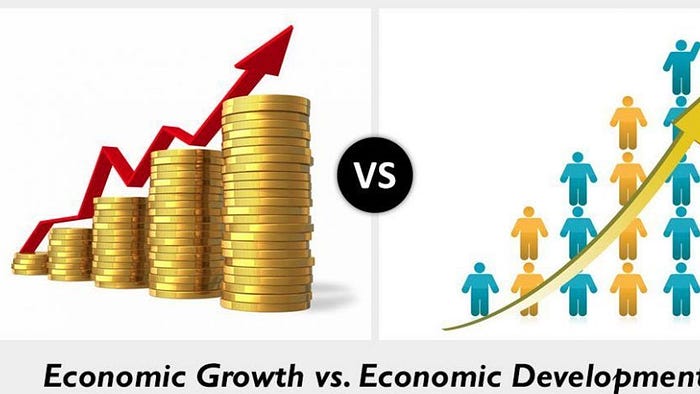
Economic growth, like a vessel traversing a dynamic sea, is propelled by a complex interplay of forces. Some, akin to steadfast currents, provide stability and structure — established institutions, regulations, and infrastructure. Others, like capricious winds, bring change and disruption — technological advancements, shifting demographics, and global uncertainties. This article embarks on a precise exploration of these static and dynamic forces, charting their intricate dance and unveiling their profound impact on the voyage towards economic prosperity and development.
Within this nautical metaphor, we will delve into the depths of how static structures, while fostering predictability and continuity, can morph into anchors of stagnation. Conversely, dynamic winds, though propelling innovation and growth, can also unleash torrents of volatility and uncertainty. Recognizing the inherent tension between these opposing forces is crucial to charting a course towards a vibrant and inclusive economic future.
Through this meticulous analysis, we will equip ourselves with the tools to navigate the ever-shifting tides of progress. We will illuminate the need for adaptability and resilience, advocating for robust yet flexible institutions, a culture of continuous learning and innovation, and infrastructure that embraces both present and future needs. Ultimately, this voyage through the economic seas aims to guide us towards a harbor of shared prosperity, where both static and dynamic forces collaborate to propel us towards a brighter and more equitable horizon.
The Shifting Tides of Progress: Unveiling the Dance of Static and Dynamic Forces —
Standing on the shore of economic growth and development, we witness a constant push and pull, a dynamic tapestry woven by two distinct forces: static forces, the ever-present anchors holding us tethered to the familiar, and dynamic forces, the relentless winds driving us towards uncharted waters. Understanding their intricate dance is key to navigating the ever-shifting tides of progress.
1. Anchored by Stability: The Steadfast Grip of Static Forces —
Imagine static forces as massive anchors, deeply embedded in the seabed of our economic landscape. They represent the constant, unchanging influences that provide a sense of grounding and predictability. These forces hold the established structures in place, ensuring a platform for sustained growth.
Think of:
- Institutions: Laws, regulations, and established norms acting as a framework for economic activity.
- Infrastructure: Transportation networks, power grids, and communication systems forming the bedrock of productivity.
- Human capital: The existing educational system and available skillsets shaping the workforce potential.
- Maturing industries: Established sectors providing employment and driving economic stability.
Static forces bring a semblance of equilibrium, enabling efficient operation within the existing framework. They offer a sense of security and familiarity, allowing businesses and individuals to plan with some degree of certainty. However, just like an anchor can hold a ship tethered in place, these forces can also impede progress, stifling innovation and hindering adaptation to changing circumstances.
2. Embracing Change: The Unrelenting Winds of Dynamic Forces —
Now, picture the dynamic forces as powerful winds, whipping across the economic landscape, propelling us towards transformation. These forces disrupt the status quo, injecting the momentum and adaptability needed for progress. They introduce new ideas, technologies, and challenges, pushing us to evolve and reshape our economic structure.
- Technological advancements: Breakthroughs in automation, data science, and renewable energy revolutionizing industries.
- Entrepreneurial ventures: Disruptive startups challenging established players and creating new markets.
- Globalization: Interconnectedness opening up new opportunities and exposing economies to external competition.
- Shifting demographics: Changes in population size, age structure, and education levels altering workforce dynamics.
Dynamic forces bring dynamism and the potential for exponential growth. They force us to think outside the box, embrace innovation, and adapt to ever-changing realities. However, just like an unharnessed wind can wreak havoc, these forces can also lead to instability and disruption, creating uncertainties and posing challenges that need to be addressed.
3. Finding the Sweet Spot: Harnessing the Synergy —
The key to unlocking sustainable progress lies in finding the synergistic balance between static and dynamic forces. We need the stability of anchors to ensure safe passage, while simultaneously harnessing the power of the winds to propel us forward. This can be achieved through:
- Leveraging existing anchors: Building upon established infrastructure, investing in education and skill development, and refining regulatory frameworks to foster innovation within the existing system.
- Embracing controlled winds: Encouraging research and development, promoting entrepreneurship, and creating adaptable policies that allow economies to respond to external changes.
- Building resilience: Implementing social safety nets to mitigate the negative impacts of disruption, encouraging collaboration and dialogue to build consensus amidst change, and developing mechanisms for adaptive learning and continuous improvement.
Navigating the Calm: Unveiling the Double-Edged Sword of Static Forces —
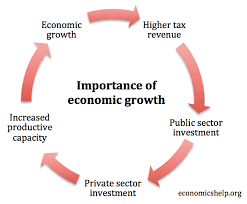
Amidst the turbulent seas of economic progress, static forces act as steadfast lighthouses, guiding us with their unwavering beams of stability, predictability, and long-term planning. Yet, just like a lighthouse trapped on a deserted island, these forces, while crucial, can also lead to stagnation, stifling innovation and perpetuating inequalities if not carefully monitored and adapted. Examining their impact will equip us to harness their strengths while mitigating their pitfalls, ensuring our progress remains dynamic and equitable.
1. Pillars of Progress: The Positive Power of Static Forces —
- Stability: Imagine a world in constant flux, where laws change overnight and infrastructure crumbles at the slightest tremor. Static forces provide the bedrock of stability, creating an environment conducive to economic activity and individual prosperity. Businesses can confidently invest, knowing the framework within which they operate will remain consistent. Individuals can plan for the future, secure in the knowledge that established institutions will safeguard their rights and opportunities.
- Predictability: Like a sailor relying on a compass, static forces offer a sense of direction. Clear regulations and established norms allow businesses and individuals to anticipate future outcomes and make informed decisions. This predictability fosters trust and cooperation within the marketplace, facilitating efficient transactions and reducing uncertainty.
- Long-Term Planning: With the assurance of stability and predictability, static forces enable long-term planning, crucial for infrastructure development, education systems, and technological advancements. Governments can invest in projects with confidence, knowing they will benefit future generations. Individuals can pursue long-term career paths and educational goals, secure in the knowledge that the basic framework will remain intact.
2. The Perilous Shallows: When Static Forces Become Stagnant —
However, just like a calm sea can breed complacency, an excess of static forces can lead to stagnation.
- Stifling Innovation: Rigid regulations and established norms can create bureaucratic hurdles that stifle innovation and disrupt the emergence of new ideas. This can trap economies in outdated industries and technologies, hindering their competitiveness in the face of global change.
- Perpetuating Inequalities: Established institutions and power structures can inadvertently perpetuate inequalities if not constantly scrutinized and adapted. Static norms may favor specific groups or industries, limiting opportunities for marginalized communities and hindering social mobility.
- Resistance to Change: When external forces necessitate adaptation, economies overly reliant on static forces can struggle to adjust. This can lead to missed opportunities, economic decline, and social unrest, as individuals and businesses grapple with a changing landscape.
3. Lessons from History: The Cost of Rigidity —
- The Soviet Union: The rigid economic planning and centralized control under the Soviet regime ultimately stifled innovation and led to economic stagnation. The inability to adapt to changing global dynamics eventually contributed to the Soviet Union’s collapse.
- Japan’s Lost Decade: Despite its post-war economic boom, Japan’s rigid corporate structures and adherence to traditional business practices hindered innovation and contributed to a prolonged period of economic stagnation in the 1990s.
These historical examples serve as stark reminders of the perils of unchecked rigidity. They underscore the need for a dynamic interplay between stability and adaptation, ensuring that static forces remain a springboard for progress rather than a chain to the past.
The understanding the dual nature of static forces is crucial for navigating the ever-changing seas of economic progress. By harnessing their benefits and mitigating their pitfalls, we can build an economy that thrives on both stability and innovation, ensuring that the tides of progress leave no one behind.
Riding the Waves of Change: Unveiling the Two Sides of Dynamic Forces —
Imagine sailing across a vast ocean, the wind whipping your sails, propelling you forward at exhilarating speeds. That’s the power of dynamic forces in economic development: unleashing a torrent of innovation, growth, and adaptability. Yet, just like an uncharted ocean can throw up unpredictable storms, these forces also harbor the potential for volatility, disruption, and technological obsolescence. Delving into their double-edged nature equips us to harness their potential for progress while navigating the treacherous waters of rapid change.
Riding the Crest of Innovation:
- Fueling Growth: Dynamic forces, like technological advancements and entrepreneurial ventures, inject vitality into economies. New technologies open up new markets, streamline processes, and drive productivity gains. Innovative startups disrupt established industries, create new jobs, and foster a culture of constant improvement.
- Embracing Adaptability: In a world teeming with constant change, economies equipped with dynamism can pivot and adjust. Globalization opens doors to new markets and resources, while shifting demographics necessitate workforce adaptation and skill development. This agility allows economies to stay ahead of the curve and weather unforeseen storms.
Real-World Champions of Dynamism:
- South Korea: From a war-torn nation to a technological powerhouse, South Korea’s remarkable growth story is fueled by its unwavering commitment to innovation. Government investment in research and development, coupled with a vibrant entrepreneurial ecosystem, has propelled the country to the forefront of industries like semiconductors and electronics.
- China: China’s meteoric rise is a testament to the transformative power of dynamism. Its embrace of economic liberalization, coupled with aggressive investments in infrastructure and technology, has fueled rapid economic growth and lifted millions out of poverty.
But Beware the Undertow of Disruption:
- Volatility and Uncertainty: Embracing constant change can expose economies to volatility and uncertainty. Rapid technological advancements can render existing skills obsolete, leading to job displacement and social unrest. Fluctuations in global markets can trigger financial crises and hamper economic stability.
- Disruption and Inequality: While dynamism creates new opportunities, it can also exacerbate existing inequalities. The benefits of technological advancements often accrue to those with access to education and capital, leaving marginalized communities behind. Rapid change can disrupt traditional social structures and create new forms of vulnerability.
Victims of Unbridled Change:
- Venezuela: Once a wealthy oil-producing nation, Venezuela’s economy has imploded in recent years. Overreliance on a single resource and an inability to adapt to changing global oil prices have contributed to hyperinflation, widespread poverty, and social unrest.
- Detroit, USA: The American city of Detroit, once a symbol of industrial might, suffered a devastating decline as the automobile industry shifted overseas. Its rigid labor practices and overreliance on traditional manufacturing methods left it ill-equipped to adapt to the changing landscape, resulting in widespread unemployment and urban decay.
By understanding the intricate dance between the exhilarating highs and precarious lows of dynamic forces, we can chart a course towards sustainable progress. Fostering innovation and adaptability while mitigating the risks of volatility and inequality is the key to navigating the turbulent waters of economic change and creating a future where everyone can ride the waves of progress.
Striking the Perfect Chord: Achieving Harmony Between Static and Dynamic Forces —
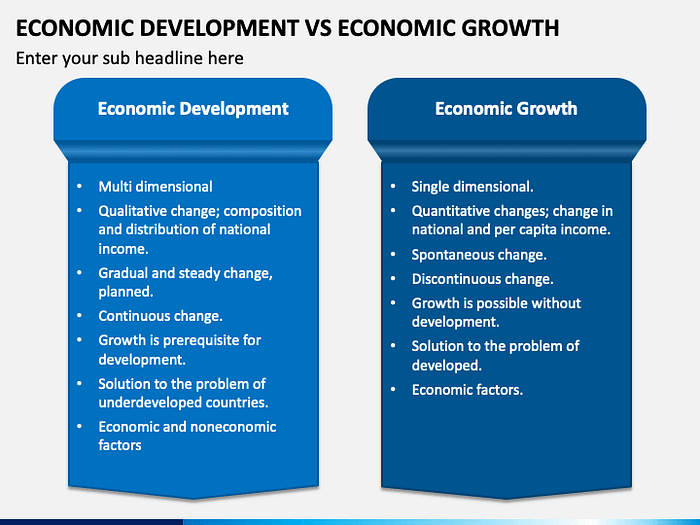
Economic progress, like a beautiful symphony, requires the harmonious interplay of two seemingly contrasting forces: the steadfast stability of static forces and the vibrant dynamism of change. Just as an orchestra needs both the rhythmic foundation of the timpani and the soaring melody of the violin, economies must balance these forces to achieve sustainable growth and shared prosperity.
The Importance of Finding the Balance:
Imagine a ship caught in a fierce storm. Anchored too securely, it risks being smashed against the rocks. Sails unfurled without control, it risks capsizing in the turbulent waves. Finding the right balance between stability and dynamism is crucial for navigating the economic seas, ensuring both progress and resilience.
Concrete Strategies for Harmony:
1. Flexible Institutions:
- Think of institutions as the ship’s rigging, adaptable to changing winds. Regulatory frameworks and governance structures should be nimble enough to respond to evolving needs without sacrificing essential safeguards. Regular reviews and updates can ensure that policies remain relevant and conducive to innovation.
2. Fostering Innovation Within Stable Frameworks:
- Picture a research laboratory nestled within the walls of a well-established university. Stable funding and infrastructure provide the foundation for groundbreaking discoveries, while an environment that encourages experimentation and risk-taking allows creativity to flourish.
3. Adaptable Infrastructure:
- Imagine a transportation network that pulsates with the rhythm of the city, expanding and contracting to meet changing demands. Dynamic infrastructure, from smart grids to adaptable transportation systems, can cater to evolving needs while ensuring long-term functionality.
4. Investing in Human Capital:
- Consider the crew of the ship, skilled and ready to face any challenge. A well-educated and adaptable workforce is crucial for navigating the ever-changing economic landscape. Continuous skill development and lifelong learning initiatives ensure that individuals can thrive in both stable and dynamic environments.
5. Fostering Collaboration and Dialogue:
- Imagine a harmonious conversation between the captain, navigator, and engineer, each offering their expertise to steer the ship safely through the storm. Open communication and collaboration among policymakers, businesses, and civil society are essential for finding common ground and navigating the complexities of economic change.
Striving for the Perfect Chord:
Achieving the optimal balance between static and dynamic forces is an ongoing quest, a continuous melody that requires constant adjustments and adaptations. By implementing these strategies, we can create an economic symphony where stability provides the secure foundation for the vibrant sounds of progress, ensuring that everyone benefits from the journey towards a brighter future.
The Global Symphony: Navigating the Tapestry of Forces Across Regions —
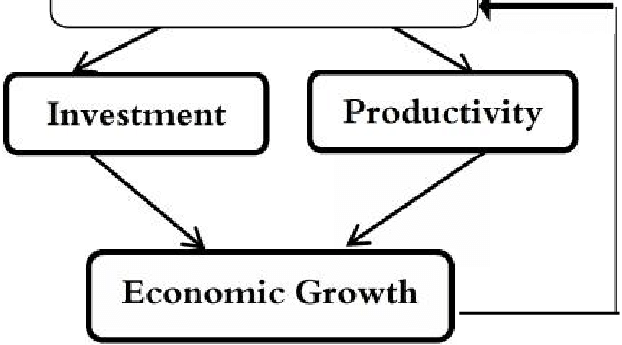
The dance between static and dynamic forces in economic development isn’t a uniform ballet, but a vibrant, polyphonic symphony with distinct melodies playing out across countries and regions. Globalization adds another layer of complexity, weaving the threads of international interdependence into the fabric of progress. Examining how these forces differ and interact on a global stage sheds light on the nuances of navigating towards shared prosperity.
1. Diverse Rhythms, Varied Landscapes:
- Developed economies: Often characterized by mature institutions and established infrastructure, these regions may struggle with the inertia of static forces, needing to foster innovation within existing frameworks. The EU’s focus on research and development and Germany’s embrace of Industry 4.0 are examples of successful adaptation.
- Developing economies: Balancing the need for stability and rapid growth can be a delicate act. While embracing dynamic forces through entrepreneurship and technological leapfrogging can be transformative, managing volatility and mitigating inequality poses challenges. China’s rapid rise showcases the potential of dynamism, while Venezuela’s struggles highlight the risks of unbridled change.
- Fragile states: Navigating conflict and instability poses additional hurdles. Building a foundation of basic infrastructure and governance amidst dynamic circumstances necessitates creative solutions like community-driven development and flexible regulations. Rwanda’s post-conflict recovery provides a hopeful example.
2. The Intertwined Melody of Globalization:
Globalization acts as a conductor, harmonizing or clashing with these regional rhythms. Increased interdependence can amplify the effects of dynamic forces, spreading innovations and disruptions with lightning speed. However, it can also exacerbate inequalities, leaving some regions vulnerable to the whims of global markets.
3. Finding the Right Tempo:
- Successful Harmonies:
- Singapore’s strategic investment in education and talent development laid the groundwork for its transformation into a tech hub, skillfully blending static and dynamic forces.
- South Korea’s chaebols demonstrate a unique model of balancing state guidance with dynamic private sector innovation.
- Discordant Notes:
- The Latin American debt crisis serves as a cautionary tale of rapid liberalization without adequate safeguards, leading to financial instability and social unrest.
- The digital divide highlights how uneven access to the fruits of technological dynamism can exacerbate global inequalities.
4. Orchestrating a Prosperous Future:
Finding the right balance will require a nuanced approach, tailored to each region’s unique circumstances. Policies like:
- Flexible regulatory frameworks: Adapting to the pace of change without compromising essential safeguards.
- Targeted investments in infrastructure and human capital: Ensuring everyone has the tools and skills to navigate the changing landscape.
- Global cooperation and knowledge sharing: Spreading the benefits of dynamism and mitigating the risks of volatility.
- Focus on building inclusive institutions: Ensuring that all voices are heard and all communities benefit from progress.
By understanding the complex interplay of static and dynamic forces across regions and recognizing the influence of globalization, we can compose a global symphony of progress, where every nation and individual can join in the harmonious melody of shared prosperity.
Gazing into the Crystal Ball: Unveiling the Challenges and Opportunities of a Shifting Future —
As we peer into the horizon of economic development, the interplay between static and dynamic forces takes on a new urgency. The shadows of emerging technologies, demographic shifts, and climate change dance alongside potential disruptions like pandemics and technological black swans. Understanding these forces will be the Rosetta Stone to navigating the economic landscapes of tomorrow.
1. The Rising Tide of Emerging Technologies:
- Artificial intelligence and automation: Will they revolutionize industries or displace millions? The answer lies in finding the sweet spot between harnessing their potential for efficiency and ensuring equitable distribution of benefits.
- Biotechnology and genomics: Healthcare advancements offer opportunities for unprecedented healthspan and longevity, but ethical considerations and equitable access loom large.
- Blockchain and the decentralization revolution: Will they reshape financial systems and governance structures, or create new avenues for inequality and security breaches?
2. Demographic Transformations Reshaping the Landscape:
- Aging populations: How will we adapt existing economic and social structures to cater to an increasingly silver workforce and ensure their well-being?
- Urbanization and megacities: Can we build resilient and sustainable infrastructure to accommodate burgeoning urban populations without environmental and social costs?
- Migration and refugee crises: How will we integrate displaced populations into economies and build inclusive societies that address the root causes of migration?
3. The Looming Shadow of Climate Change:
- The green transition: Balancing the urgent need for climate action with economic stability and ensuring a just transition for workers in high-carbon industries will be critical.
- Climate-induced disasters: Building resilience and adaptation strategies will be crucial to minimize economic disruptions and protect vulnerable communities.
- Resource scarcity and geopolitics: Managing competition for vital resources like water and minerals will require international cooperation and innovative solutions.
4. Pandemics and Black Swan Events:
- Unforeseen disruptions: The COVID-19 pandemic reminds us of the need for flexible systems and robust social safety nets to weather unexpected storms.
- The rise of “unknown unknowns”: How do we prepare for technological advancements or natural disasters that we can’t yet imagine?
5. The Crucial Lens of Understanding:
Understanding the interplay of these forces will define the success of future economic development. By:
- Developing adaptable policy frameworks: We can respond to unforeseen challenges without sacrificing long-term stability.
- Investing in future-proof skills and education: We can equip individuals to thrive in an ever-changing job market.
- Fostering international cooperation and knowledge sharing: We can ensure equitable access to the benefits of emerging technologies and address global challenges like climate change.
In conclusion, the future of economic development is not a preordained script, but an open dialogue between static and dynamic forces. By equipping ourselves with the lens to understand these forces, we can turn the challenges of tomorrow into opportunities for a more prosperous, equitable, and resilient future for generations to come.
Charting the Course: Policy Recommendations for Harnessing the Symphony of Progress —
Navigating the ever-shifting tides of static and dynamic forces requires more than just understanding their nature. It demands practical action, a chorus of policy recommendations that empower governments and businesses to orchestrate a symphony of progress for all. Here are some actionable steps to turn theory into tangible results:
1. Fostering Innovation Within Established Frameworks:
- Incubator and accelerator programs: Create platforms for new ideas to blossom within existing industries, providing mentorship, funding, and regulatory guidance.
- Open innovation challenges: Encourage collaboration between established businesses and startups, enabling cross-pollination of ideas and faster development cycles.
- Flexible regulatory frameworks: Implement agile regulatory sandboxes where startups can test innovative solutions without undue burdens, while safeguarding essential consumer and environmental protections.
2. Investing in Adaptable Infrastructure:
- Smart infrastructure initiatives: Employ connected technologies in transportation, energy grids, and public utilities to optimize resource allocation and respond to changing demands.
- Modular and scalable infrastructure: Design infrastructure elements with adaptability in mind, allowing for expansion or contraction in response to demographic shifts or economic fluctuations.
- Public-private partnerships: Foster collaboration between governments and private investors to finance and maintain adaptable infrastructure, leveraging each other’s strengths and reducing financial risks.
3. Promoting Social Safety Nets:
- Progressive taxation and investment in social services: Ensure adequate resources are available to support vulnerable populations during periods of economic disruption or technological displacement.
- Lifelong learning initiatives: Provide accessible and affordable opportunities for individuals to continuously update their skills and remain employable in a changing job market.
- Universal basic income programs: Explore pilot programs and research the potential of basic income in cushioning the effects of economic shocks and empowering individuals to pursue entrepreneurial ventures.
4. Fostering Global Collaboration and Knowledge Sharing:
- International forums for policy dialogue: Create platforms for countries to share best practices in managing static and dynamic forces, and develop coordinated responses to global challenges.
- Technology transfer initiatives: Facilitate the transfer of innovative technologies and knowledge from developed to developing countries, ensuring equitable access to the fruits of progress.
- Investment in global research and development: Support international collaborations on critical fields like climate change mitigation, renewable energy, and pandemic preparedness.
5. Continuous Monitoring and Evaluation:
- Data-driven policymaking: Utilize real-time data and rigorous impact assessments to continuously adapt policies and ensure they are effectively achieving desired outcomes.
- Open communication and stakeholder engagement: Foster dialogue with businesses, civil society organizations, and individuals to incorporate diverse perspectives into policy-making processes.
- Embrace experimentation and learn from failures: View policymaking as an iterative process, where pilot programs and small-scale experiments can inform larger-scale initiatives and allow for course correction when needed.
By implementing these recommendations, we can transform the dance between static and dynamic forces from a precarious tightrope walk into a graceful waltz towards a future where progress benefits all. Remember, the key is to act with pragmatism, collaborate across sectors, and continuously adapt to the ever-changing rhythms of our economic landscape. With the right steps, we can ensure that the symphony of progress plays a harmonious tune for generations to come.
Conclusion: Embracing the Dance of Progress
Just as tides ebb and flow, sculpting shorelines and nourishing ecosystems, the interplay between static and dynamic forces shapes the course of economic progress. Anchored by stability and propelled by innovation, economies thrive when these forces find their harmonious dance.
We have explored the tranquil harbors of static forces, appreciating their role in providing a secure platform for growth. We have encountered the exhilarating winds of dynamic forces, marveling at their power to spark progress and unleash change. We have witnessed the treacherous whirlpools of unchecked volatility and the desolate shores of stagnation, reminding us of the pitfalls of imbalance.
The journey towards sustainable development lies not in clinging to the anchors or chasing the winds, but in navigating the currents with skill and agility. This demands:
Flexible institutions: Adapting frameworks to encourage innovation while safeguarding essential foundations.
Fostering innovation within existing frameworks: Cultivating creativity within established systems to drive progress without disruption.
Investing in adaptable infrastructure: Building infrastructure that can flex with changing demands and accommodate future needs.
Promoting social safety nets: Mitigating the risks of disruption and ensuring everyone can participate in the dance of progress.
Global collaboration and knowledge sharing: Sharing best practices and tackling shared challenges to create a prosperous future for all.
As we steer our economies through the shifting tides of progress, let us not forget the lessons learned. By understanding the power of both the anchors and the winds, by embracing the delicate dance between stability and change, and by acting with wisdom and foresight, we can usher in an era of shared prosperity where the waves of progress lift every boat.
Thanks.
 Pratik Ghansham Salvi Assistant Professor of Economics | Banking & Finance | IMF Finance & Development Contributor
Leave a comment