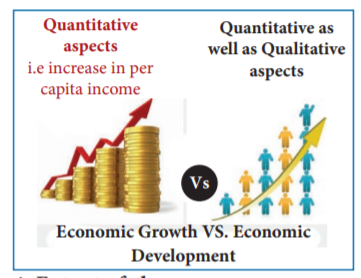
The role of multiplier effect plays an important role in every contry. According to the keynsian multiplier effect when government made investment in productive resources or assets it results increase in incomr and employment not by the same amount but multiple of it depending on the size of the multiplier.
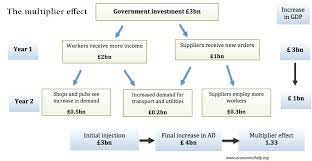
For example, if the government is making investment in public infrastructure of rupees 100 crores then it will increase the income and employment of rupees 400 crores. It means that here the multiplier is equal to 4.
It is important to note here that this is the example of productive investment made by the government however sometimes the government is making investment in unnessary or non productive assets or resources it will adversely affetced the multplier process and creates the reverse multiplier. And this phenomenon is responsible for unemplyment and inflation and low growth and development.
So throughout this article I am explaining all this aspects in a detailed manner. My intention here is not to hurt the emotions of people but I am explaining what is most important for achiving growth and development of the country.
Imagine witnessing a grand inauguration — a gleaming monument piercing the sky, a testament to ambition and national pride. Tourists flock, cameras flash, and prosperity seems assured. Yet, beneath the fanfare lurks a hidden truth: this very project, fueled by misdirected government spending, could be quietly strangling the nation’s economic future. Welcome to the world beyond the “multiplier mirage,” where grandiose gestures cast a long shadow on real progress.
This article is not a cynical attack on national aspirations, but a sobering exploration of how misguided investments can cripple the very lifeblood of economic growth: capital formation. I will dissect the seductive allure of the multiplier effect, revealing its limitations when applied to non-productive ventures. In stark detail, I will expose the insidious mechanisms through which such projects crowd out private investment, stifle entrepreneurial spirit, and drain resources away from critical infrastructure and human capital development.
Our lens will zoom in on capital formation, the bedrock of a thriving economy. We’ll delve into the intricate processes of savings, investment, and asset creation, illustrating how misdirected spending disrupts this delicate dance. I will trace the ripple effects, from choked supply chains to stunted innovation, ultimately painting a stark picture of a future suffocated by misplaced priorities.
But this is not merely an academic exercise. We’ll bring the impact home, showcasing how misdirected investments translate into missed opportunities for ordinary citizens. Stalled progress in healthcare, education, and vital infrastructure projects — these are the real costs of the “multiplier mirage.” We’ll explore the human stories behind the statistics, highlighting the individuals whose dreams and aspirations are sacrificed at the altar of grandiosity.
This is not a tale of doom and gloom, but a clarion call for fiscal prudence and strategic foresight. We’ll conclude by charting a path towards sustainable economic growth, one built on prioritizing productive investments, fostering a vibrant private sector, and nurturing the very ingredients that unleash a nation’s true potential. Beyond the mirage of glittering monuments, lies a future ripe with possibilities, waiting to be unlocked by wise resource allocation and a clear-eyed vision for progress.
Deconstructing the Multiplier Myth: Understanding the Limits of Non-Productive Investments —
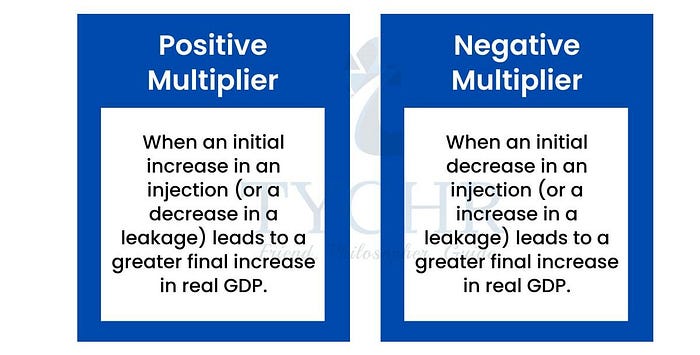
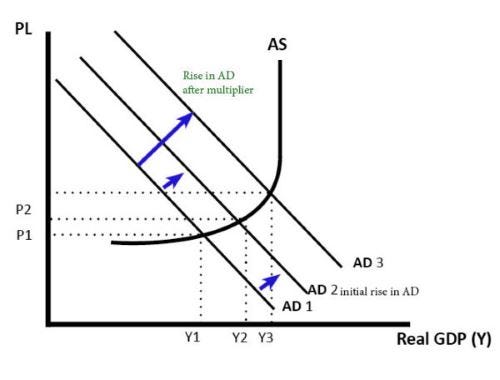
The multiplier effect, a cornerstone of Keynesian economics, posits that an increase in government spending or private investment can lead to a disproportionately larger increase in total economic output (GDP). This amplification is due to the ripple effect of spending through the economy, as recipients of the initial increase spend a portion, which then becomes income for others, who in turn spend a portion, and so on. However, the concept faces limitations when applied to non-productive investments, where the multiplier can be significantly weakened or even negative.
Understanding the Multiplier:
Imagine the government injects an initial $100 into the economy through, say, infrastructure spending. Workers employed on the project receive wages, spending some for consumption and saving the rest. The portion spent fuels demand for other goods and services, generating income for those businesses, who may also spend and save. This cycle continues, with each round amplifying the initial $100. The multiplier is the ratio of the total increase in GDP to the initial injection.
Limits with Non-Productive Investments:
Now, consider non-productive investments like building monuments or digging ditches and filling them back up. While these projects create jobs and income in the short term, they lack long-term benefits. Here’s how the multiplier gets affected:
1. Leakage: The multiplier depends on spending within the economy. Non-productive investments often lead to higher imports of materials or equipment, causing “leakage” of the injected money out of the system. This reduces the rounds of spending and weakens the multiplier.
2. Crowding out: Increased government spending for non-productive projects can “crowd out” private investment. Businesses may hesitate to invest if they expect higher taxes or reduced access to credit due to the government’s borrowing. This further reduces the overall economic boost.
3. Displacement: Non-productive investments may simply displace existing activities without generating new ones. Building a new park might benefit the construction industry, but it might also divert spending away from local businesses like restaurants and shops, leading to a net-zero effect on GDP.
4. Lack of productivity gains: Unlike productive investments like infrastructure or education, non-productive ones don’t generate long-term productivity improvements. This limits the potential for sustained economic growth, further weakening the multiplier effect.
Empirical Evidence:
Studies have shown that the multiplier for non-productive investments is significantly lower than for productive ones. For example, a 2014 IMF study found that the average multiplier for infrastructure projects is around 1.6, while it can be negative for defense spending or financial bailouts.
Policy Implications:
Understanding the limitations of the multiplier for non-productive investments is crucial for policymakers. It underscores the importance of focusing on investments that generate long-term productivity gains and promote sustainable economic growth. Additionally, policymakers should consider alternative fiscal tools, like tax cuts or targeted programs, that can more effectively stimulate the economy without the drawbacks of non-productive spending.
The multiplier effect remains a valuable tool in economic analysis, but it’s essential to recognize its limitations. When applied to non-productive investments, the multiplier can be significantly weakened or even negative. Policymakers should carefully consider the potential pitfalls of such investments and prioritize policies that foster long-term economic growth and prosperity.
Short-Term Buzz vs. Sustainable Long-Term Growth: A Tale of Two Economies —
Economics can be a thrilling roller coaster, with periods of rapid growth followed by stomach-churning dips. The key, however, lies in distinguishing between short-term buzz, a fleeting high, and sustainable long-term growth, a sturdy climb to prosperity. While both may generate headlines and excitement, their impacts on individuals and societies differ significantly.
Short-Term Buzz:
- Focus: Quick wins and immediate gratification. Think trendy apps, fads, and speculative bubbles.
- Fuel: Often driven by debt, easy money, and hype. Think overinflated asset prices and unsustainable borrowing.
- Symptoms: Booming sectors, job creation, and rising profits initially, but often accompanied by income inequality, asset bubbles, and environmental degradation.
- Sustainability: Fragile. Bubbles burst, debt comes due, and the boom fizzles out, leaving behind unemployment, financial distress, and ecological damage.
Sustainable Long-Term Growth:
- Focus: Building the foundations for enduring prosperity. Think infrastructure, education, research, and innovation.
- Fuel: Driven by productivity gains, human capital development, and responsible investments. Think renewable energy, efficient technologies, and equitable wealth distribution.
- Symptoms: Slower, steadier growth initially, but accompanied by rising living standards, environmental protection, and improved social well-being.
- Sustainability: Resilient. The economy adapts to challenges, embraces innovation, and continues to expand, providing long-term stability and opportunities for all.
Key Differences:
- Speed: Buzz is fast and flashy, growth is slow and steady.
- Foundation: Buzz relies on shaky ground, growth builds on solid foundations.
- Distribution: Buzz often widens inequality, growth aims for inclusivity.
- Sustainability: Buzz fades quickly, growth endures over time.
Choosing the Right Path:
While the allure of a quick surge is tempting, policymakers and individuals alike must recognize the pitfalls of short-term buzz. Sustainable long-term growth, though seemingly less exciting, offers a far more secure and equitable path to prosperity. Investing in education, infrastructure, and technology, promoting responsible fiscal practices, and fostering environmental sustainability are crucial for building an economy that benefits everyone, not just a select few.
Examples of Government Projects with Disappointing Multiplier Effects:
Here are some examples of government projects that failed to deliver the promised multiplier benefits due to various factors like non-productive investments, displacement, and leakage:
1. “Bridge to Nowhere” in Alaska: This $300 million bridge project aimed to connect a small town with no cars to an island with few residents. It faced severe criticism for its high cost and lack of economic justification, failing to stimulate significant local economic activity or boost overall productivity.
2. Solyndra solar panel manufacturing plant in California: This $535 million loan guarantee by the US government aimed to promote renewable energy. However, the company filed for bankruptcy due to technical challenges and fierce competition, leading to job losses and significant financial losses for the government.
3. High-speed rail projects in several countries: While some high-speed rail projects have delivered positive multiplier effects, others have struggled to justify their high costs. For example, Spain’s AVE network faced criticism for exceeding budget and lacking sufficient ridership, raising concerns about the efficiency of such massive investments.
4. Cash for Clunkers program in the US: This program offered incentives for trading in old cars for new ones, aiming to stimulate the auto industry and boost the economy. While it saw increased car sales in the short term, critics argue it led to higher long-term debt, displacement of used car sales, and minimal overall economic gains.
5. “White elephant” airports in Southeast Asia: Several countries in Southeast Asia built new airports in anticipation of booming tourism, but some faced limited passenger traffic and high operating costs. These projects failed to generate the expected economic activity and became symbolic of wasted resources and misplaced priorities.
The Dubious Multiplier: How Temple and Statue Construction Can Hinder Indian Economic Growth —
While constructing temples and statues often holds strong cultural and religious significance in India, the economic implications of these projects can be complex and, in some cases, counterproductive. This is due to the potential of such investments to generate adverse multiplier effects, hindering sustainable economic growth in the following ways:
1. Non-productive investment: Constructing temples and statues generally falls under the category of non-productive investment. Unlike investments in infrastructure, education, or technology, these projects don’t directly enhance the economy’s capacity to produce goods and services. While they may create temporary jobs during construction, these jobs often disappear once the project is completed, offering limited long-term benefits.
2. Crowding-out effect: Large-scale temple and statue projects often require significant government funding. This can divert resources away from crucial areas like healthcare, education, or infrastructure development. This crowding-out effect can hamper investments in sectors that drive long-term productivity and economic growth, ultimately impacting the well-being of a larger population.
3. Leakage and import dependence: Temple and statue construction projects often rely heavily on imported materials and equipment. This leads to leakage of funds from the local economy, reducing the multiplier effect. Additionally, the reliance on imports limits the potential for stimulating domestic industries and creating skilled jobs within the country.
4. Inequality and lack of inclusivity: Investments in religious projects can exacerbate existing inequalities within the Indian economy. These projects often benefit specific communities or religious groups, neglecting the needs of other marginalized sections of society. This lack of inclusivity can hinder overall economic progress by excluding a large portion of the population from participating in and benefiting from growth.
5. Opportunity cost: The resources allocated to temple and statue construction could be channeled towards more productive activities with higher returns on investment. For example, investing in education and skill development could equip the workforce with necessary skills to compete in the global market, leading to sustainable economic growth in the long run.
Indian Case Study:
The recent construction of the Statue of Unity in Gujarat serves as a pertinent example. While the project generated temporary jobs and attracted tourism, its high cost of over $300 million raised concerns about the potential for crowding-out effects and missed opportunities for investment in more crucial areas. Similarly, the ongoing debate regarding the construction of a Ram Temple in Ayodhya highlights the complex interplay between religious sentiments, economic considerations, and potential adverse multiplier effects.
Constructing temples and statues holds deep cultural and religious significance in India. However, it’s crucial to weigh their economic implications carefully. Prioritizing investments in productive sectors, fostering inclusivity, and maximizing returns on investment are essential for achieving sustainable economic growth that benefits all sections of Indian society. By making informed choices about resource allocation, India can navigate the complex relationship between cultural aspirations and economic development, paving the way for a prosperous future.
Crowding Out: When Government Spending Hinders the Private Sector-
The “crowding-out effect” is a concept in economics that describes how misdirected government investments can unintentionally hinder the private sector’s ability to invest and grow. Think of it as a metaphorical race for limited resources, where the government’s actions can inadvertently push out the private sector, causing potential harm to the overall economy.
How it works:
- Demand for loanable funds: Both the government and the private sector require investment funds, often borrowing through bonds or other financial instruments. When the government increases its spending, it enters the loanable funds market, driving up demand.
- Higher interest rates: Increased demand for loanable funds leads to higher interest rates. This makes borrowing more expensive for both the government and private businesses.
- Reduced private investment: Higher interest rates make it less attractive for businesses to invest, leading to a reduction in private investment activities like research and development, expansions, or hiring new employees.
- Negative consequences: Lower private investment can hamper economic growth, innovation, and job creation. Additionally, if the government’s investments are not productive, it can lead to wasted resources and further drain the available pool of funds.
Examples of misdirected investments:
- Subsidies for non-essential industries: When the government subsidizes activities with limited economic benefit, it diverts resources away from more productive sectors like renewable energy or infrastructure development.
- Excessive bailouts: Propping up failing businesses with government funds can prevent market mechanisms from functioning efficiently, potentially discouraging competition and long-term economic growth.
- Large-scale projects with limited returns: Investing in projects with questionable economic viability, like white elephant airports or extravagant monuments, can lead to significant financial losses and hinder resource allocation for more productive endeavors.
Avoiding the pitfalls:
- Focusing on strategic investment: Prioritizing government spending on infrastructure, education, research, and other areas that directly enhance the economy’s productive capacity can minimize the crowding-out effect.
- Maintaining fiscal responsibility: Balancing government spending with responsible taxation policies helps keep interest rates stable and ensures that borrowing doesn’t crowd out private investment.
- Encouraging private-public partnerships: Leveraging private sector expertise and resources can help ensure that government investments are efficient and contribute to overall economic growth.
The crowding-out effect highlights the importance of careful consideration when making government spending decisions. By prioritizing strategic investments, practicing fiscal responsibility, and collaborating with the private sector, policymakers can minimize the harmful impacts of crowding out and foster a more vibrant and competitive economy.
Crowding Out and the Strangled Cradle of Capital Formation —
Capital formation, the lifeblood of a growing economy, thrives on a constant flow of investment into productive assets like machinery, infrastructure, and skilled labor. But just like a delicate seedling struggling for sunlight beneath a towering weed, capital formation can be stifled by the crowding-out effect, where misdirected government spending casts a long shadow on private sector investment.
The Chokehold on Resources:
Imagine the loanable funds market as a fertile field where both the government and the private sector compete for resources to nurture their respective investment plans. When the government increases spending, it enters this field like a lumbering giant, demanding significant financial resources. This sudden surge in demand has far-reaching consequences:
- Interest rate hike: Like a dam restricting the flow of water, the increased demand for loanable funds leads to higher interest rates. This “price” of borrowing rises for everyone, making it more expensive for both the government and private businesses to access funds.
- Private sector squeeze: For private businesses, higher interest rates act like a tightening belt. Expansion plans, equipment upgrades, and new ventures become less financially attractive, leading to a reduction in private investment.
- Capital formation slowdown: With private investment taking a hit, the very engine of capital formation sputters. Fewer factories get built, less technology gets developed, and skilled workers find fewer opportunities to hone their talents.
The Consequences:
The ramifications of this hindered capital formation can be stark:
- Slower economic growth: Fewer productive assets translate to a less efficient economy, leading to a sluggish pace of economic expansion.
- Innovation stagnates: Lack of investment in research and development stifles the birth of new ideas and technologies, further hindering long-term economic progress.
- Job creation stalls: With limited capital formation, businesses struggle to expand and create new jobs, potentially exacerbating unemployment issues.
Breaking Free from the Shadow:
Avoiding the suffocating grip of the crowding-out effect requires strategic government intervention:
- Prioritizing productive investments: Focusing on infrastructure, education, and research & development ensures that government spending creates a fertile ground for private sector growth.
- Fiscal responsibility: Balancing spending with responsible taxation policies keeps interest rates under control, leaving room for both public and private investment to flourish.
- Public-private partnerships: Bringing together the expertise and resources of both sectors can enhance the efficiency and effectiveness of government investments, minimizing their potential to crowd out private initiatives.
By nurturing a healthy ecosystem where private sector investment can thrive under the sun of responsible government spending, we can break the shackles of the crowding-out effect and unleash the full potential of capital formation for a vibrant and prosperous future.
When the Well Runs Dry: Exploring the Consequences of Reduced Capital Formation —
Innovation in the Doldrums:
Reduced capital formation acts like a handbrake on innovation. With limited resources for research and development, the pipeline of new ideas and technologies dries up. Companies are less likely to invest in risky but potentially groundbreaking ventures, stifling the very spirit of exploration that birthed revolutionary breakthroughs like the internet and renewable energy. This stagnation leaves an economy mired in outdated methods and vulnerable to disruption from innovative competitors.
Bottlenecks on the Road to Progress:
Imagine a bustling city choked by crumbling roads and overloaded bridges. This is the stark reality of inadequate infrastructure, a direct consequence of reduced capital formation. With limited funds for repair and expansion, critical transportation networks, energy grids, and communication systems suffer neglect. This translates to slower, more costly transportation, disrupted power supplies, and unreliable communication, all major bottlenecks hampering economic activity and creating frustrating roadblocks for businesses and individuals alike.
Jobs Lost in the Dust of Stagnation:
The ripples of reduced capital formation spread far and wide, ultimately reaching the individual level in the form of job losses. With businesses unable to expand or invest in new technologies due to a lack of resources, existing jobs become vulnerable to automation or outsourcing. The lack of new ventures and innovation stifles the creation of fresh employment opportunities. This stagnation in job creation leaves individuals struggling to find opportunities, exacerbates social inequalities, and casts a long shadow of uncertainty on the future.
Beyond the Individual:
The consequences of reduced capital formation extend beyond the immediate impacts on individuals and businesses. It can weaken a nation’s competitiveness in the global market, limit its ability to adapt to changing economic and environmental challenges, and ultimately hinder its capacity to provide essential services like healthcare and education to its citizens.
Breaking the Cycle:
To escape the trap of reduced capital formation, bold and strategic action is needed. Policies that encourage private investment, promote a culture of innovation, and ensure responsible government spending can all play a pivotal role. Building a robust education system that fosters skilled and adaptable workforces, creating a stable and predictable regulatory environment, and investing in essential infrastructure are crucial steps towards revitalizing the flow of capital and unleashing its potential for growth and prosperity.
Quantifying the Hidden Costs: Unproductive Projects and Public Drains —
While the allure of quick economic wins from large-scale projects can be seductive, the reality of unproductive government spending often paints a much grimmer picture. These projects, devoid of long-term economic benefits, act as financial sinkholes, draining public budgets and resources, with the true costs often hidden beneath the surface.
Estimating the Drain:
While pinpointing a precise figure for the global impact of unproductive spending is challenging, several studies and examples offer estimations of the potential magnitude:
- IMF Study: A 2014 International Monetary Fund (IMF) study found that the average multiplier effect for non-productive projects like defense spending or financial bailouts is negative, meaning they actually contract the economy for every dollar invested.
- US Infrastructure Spending: In the US, the Government Accountability Office (GAO) reported that 1992–2015, 1 in 5 major infrastructure projects experienced significant cost overruns, totaling over $31 billion.
- “Bridge to Nowhere” in Alaska: This infamous project, aimed to connect a small town with no cars to an island with few residents, cost $300 million before being halted due to its lack of economic justification.
Hidden Costs Beyond Direct Spending:
The true drain of unproductive projects extends beyond the initial investment figures:
- Opportunity cost: Every dollar spent on non-productive projects is a dollar not invested in crucial areas like education, healthcare, or green energy, potentially hindering long-term growth and social well-being.
- Debt burden: When governments finance such projects through borrowing, it creates a debtspiral, diverting future resources from essential services and impacting taxpayers for years to come.
- Displacement and inefficiency: Unproductive projects may displace existing businesses and activities without generating new ones, leading to inefficient resource allocation and missed opportunities.
- Environmental impact: Projects like unnecessary dams or highways can have significant ecological consequences, adding further hidden costs to the equation.
Quantifying the Long-Term Impact:
While calculating the immediate financial drain is important, the true cost of unproductive spending lies in its long-term impact on:
- Economic growth: By hindering productivity and innovation, these projects can contribute to sluggish economic growth, impacting living standards and job creation.
- Social inequality: Misdirected spending often exacerbates existing inequalities, failing to invest in sectors that could benefit underprivileged communities.
- Public trust: Frequent episodes of wasteful spending can erode public trust in government institutions, hampering future policy effectiveness.
While the immediate financial drain of unproductive projects is substantial, it’s crucial to consider the far-reaching and enduring consequences on economic growth, social well-being, and environmental sustainability. Prioritizing strategic investments in productive areas, practicing fiscal responsibility, and fostering transparency in project evaluation are key steps towards ensuring that public resources are used effectively and contribute to a brighter future for all.
Foregone Opportunities: Unmasking the True Cost of Misdirected Spending —
While seemingly monumental on the surface, unproductive government projects often come at a hidden cost: the opportunity cost, the unrealized potential of what could have been achieved by investing those resources in critical areas like healthcare, education, and infrastructure. By shining a light on these foregone opportunities, we can paint a clearer picture of the true impact of misdirected spending.
Imagine a World Where…
- …hospitals received the funding currently pouring into a vanity monument. Instead of struggling with outdated equipment and staff shortages, healthcare facilities could offer advanced treatment options, reducing preventable deaths and improving the lives of countless citizens.
- …students learned in modernized classrooms instead of crumbling buildings. Increased investment in education could provide quality learning facilities, attract skilled teachers, and equip future generations with the knowledge and skills to thrive in a globalized world.
- …efficient transportation networks replaced congested roads and unreliable public transport. Investments in infrastructure could create a web of reliable roads, bridges, and public transit systems, boosting economic activity, reducing commuting times, and improving quality of life.
- …renewable energy sources harnessed the power of the sun and wind instead of funding environmentally damaging projects. Diverting resources towards clean energy initiatives could combat climate change, create green jobs, and ensure a sustainable future for generations to come.
Quantifying the Foregone:
These scenarios are not mere dreams; they represent tangible possibilities. Here’s a glimpse of what could be achieved with redirected funding:
- Healthcare: The cost of the “Bridge to Nowhere” project in Alaska ($300 million) could have covered over 1 million mammograms or funded new clinics in underserved communities.
- Education: The resources wasted on a failed high-speed rail project in Spain could have built thousands of modern classrooms or provided scholarships for underprivileged students.
- Infrastructure: The funds allotted to building a controversial statue in India could have repaired and upgraded hundreds of kilometers of roads, improving connectivity and facilitating economic growth.
Beyond Numbers:
The lost opportunities extend beyond mere numbers. By prioritizing unproductive projects, we risk neglecting our collective well-being, jeopardizing the future of our communities, and failing to build a sustainable and equitable society. The cost of neglecting critical areas like healthcare, education, and infrastructure cannot be fully captured in financial terms; it comes at the expense of human lives, lost potential, and a future less secure and prosperous.
Investing in Our Future:
The choice is clear: we can continue down the path of misdirected spending, forfeiting opportunities for a brighter future, or we can embrace a more responsible approach. By prioritizing investments that yield long-term benefits, fostering transparency in project evaluation, and holding policymakers accountable, we can ensure that our public resources are utilized effectively, paving the way for a future where opportunity thrives and the true needs of society are met.
Beyond the Buzz: Embracing Productive Investments for Sustainable Growth —
In the intoxicating haze of economic promises, it’s easy to be seduced by flashy projects and short-term fixes. But true prosperity lies not in fleeting buzzwords, but in prioritizing productive investments that yield long-term returns and foster sustainable economic growth. This shift in focus demands a clear-eyed vision and a commitment to building a future where progress benefits all, not just a select few.
Investing in the Seeds of Growth:
Productive investments aren’t mere financial transactions; they’re deliberate steps towards cultivating a vibrant and resilient economy. Think beyond immediate returns and focus on areas that drive long-term productivity and societal well-being:
- Education: Equipping our workforce with the skills and knowledge necessary to adapt and innovate in a rapidly changing world is the true engine of sustainable growth. Investments in quality education, from early childhood development to vocational training, empower individuals and unlock their potential.
- Infrastructure: Strong infrastructure is the backbone of a thriving economy. Modernizing transportation networks, energy grids, and communication systems facilitates trade, improves efficiency, and connects communities, laying the foundation for long-term prosperity.
- Research and Development: Progress thrives on curiosity and innovation. Investing in research and development fuels technological advancements, fosters new industries, and ensures our economy remains competitive in the global arena.
- Green Energy: Transitioning to sustainable energy sources is not just an environmental imperative but also an economic one. Investing in renewable energy creates green jobs, reduces dependence on fossil fuels, and secures a cleaner future for generations to come.
Beyond Traditional Metrics:
Measuring success solely through GDP numbers paints an incomplete picture. To truly gauge the effectiveness of investments, we must consider their broader impacts:
- Social Inclusion: Ensuring that opportunities and benefits reach all segments of society is crucial for sustainable growth. Investments in healthcare, affordable housing, and social safety nets promote equality and create a more stable and just economy.
- Environmental Sustainability: Economic activities cannot come at the cost of environmental degradation. Sustainable investments must balance growth with ecological considerations, promoting resource conservation and responsible development.
- Long-Term Vision: Quick wins may be tempting, but true progress demands a long-term perspective. Productive investments prioritize future benefits over immediate gratification, building a foundation for sustained and equitable growth.
Making the Shift Possible:
Embracing productive investments is not simply a matter of changing priorities; it demands a collaborative effort:
- Policymakers: Crafting strategic policies that incentivize productive investments, promote long-term thinking, and hold projects accountable for their social and environmental impacts is crucial.
- Private Sector: Encouraging partnerships between the public and private sectors can leverage expertise and resources to drive sustainable growth in areas like renewable energy and infrastructure development.
- Civil Society: Active citizen engagement and critical analysis of proposed projects can ensure transparency and accountability, directing resources towards investments that truly benefit the wider community.
The Time for Action is Now:
The choice is clear: we can continue down the path of short-term fixes and fleeting economic hype, or we can choose to invest in our future. By prioritizing productive investments, fostering long-term thinking, and embracing social and environmental responsibility, we can build an economy that benefits all, leaving a legacy of sustainable prosperity for generations to come. Let’s move beyond the buzz and cultivate a future where progress is measured not by fleeting headlines, but by the enduring well-being of our communities and the shared promise of a brighter tomorrow.
Several sectors offer high social and economic returns, contributing significantly to both individual well-being and overall economic growth. Here are some prominent examples:
1. Infrastructure:
- Economic Benefits: Improved transportation networks (roads, bridges, railways) facilitate trade, reduce logistics costs, and boost business activities. Reliable energy grids and communication systems power industries and connect markets. Modernized water and sanitation facilities enhance public health and productivity.
- Social Benefits: Efficient infrastructure improves access to essential services like healthcare and education. Reliable transportation options allow individuals to access job opportunities and educational institutions. Adequate water and sanitation systems reduce disease outbreaks and improve quality of life.
2. Education:
- Economic Benefits: A skilled workforce with relevant knowledge and abilities empowers innovation, attracts investments, and drives productivity. Higher education attainment improves earning potential and contributes to economic growth. Effective vocational training equips individuals with practical skills needed for specific industries.
- Social Benefits: Education increases civic engagement, promotes social mobility, and reduces income inequality. Access to quality education empowers individuals to make informed decisions and contribute meaningfully to society. Early childhood development programs enhance cognitive skills and set a strong foundation for lifelong learning.
3. Research and Development (R&D):
- Economic Benefits: R&D fosters technological advancements, leading to the creation of new industries, products, and services. Innovations improve efficiency, reduce costs, and enhance competitiveness in the global market. Intellectual property generated through R&D attracts investments and generates revenue.
- Social Benefits: Advancements in healthcare improve life expectancy and combat diseases. New technologies address environmental challenges and promote sustainable development. R&D contributes to national security and enhances societal preparedness for unforeseen challenges.
4. Renewable Energy:
- Economic Benefits: Transitioning to renewable energy creates green jobs in manufacturing, installation, and maintenance of renewable energy infrastructure. Technological advancements reduce reliance on fossil fuels, potentially stabilizing energy prices. Investments in renewable energy attract environmentally conscious investors and businesses.
- Social Benefits: Reducing dependence on fossil fuels combats climate change, improves air quality, and protects public health. Transitioning to clean energy promotes energy independence and reduces vulnerability to geopolitical situations impacting fossil fuel production.
5. Healthcare:
- Economic Benefits: A healthy workforce contributes to increased productivity and reduced absenteeism. Improved healthcare infrastructure attracts skilled medical professionals and promotes medical tourism. Efficient healthcare systems lower long-term costs associated with untreated diseases.
- Social Benefits: Accessible and affordable healthcare improves life expectancy, reduces infant mortality, and promotes overall well-being. Preventive healthcare measures reduce the burden of chronic diseases and enhance quality of life. Strong healthcare systems contribute to social stability and reduce economic burdens on families.
Key Aspects for a Favorable Multiplier Effect and Promoting Economic Growth and Development
Achieving sustainable economic growth and development requires careful consideration of factors that amplify the positive effects of investments and interventions. Several important aspects contribute to a favorable multiplier effect:
1. Targeting High-Return Investments:
- Infrastructure: Investing in crucial infrastructure like transportation networks, energy grids, and communication systems improves efficiency, reduces costs, and facilitates trade, leading to a significant multiplier effect across various sectors.
- Education and Skills Development: Equipping a skilled and adaptable workforce enhances productivity, fosters innovation, and attracts investment, driving long-term economic growth.
- Research and Development: Supporting R&D in key sectors like renewable energy, healthcare, and technology can lead to groundbreaking innovations, creating new businesses, jobs, and economic opportunities.
2. Prioritizing Social Inclusion and Equity:
- Broad-based growth: When benefits of economic activity reach all segments of society, it stimulates demand and promotes further investment, generating a stronger multiplier effect.
- Investing in human capital: Addressing inequalities in access to education, healthcare, and social safety nets improves the overall well-being of the population, boosting productivity and economic potential.
- Empowering marginalized communities: Supporting entrepreneurship, skills development, and access to resources in disadvantaged communities unlocks their economic potential and contributes to more inclusive growth.
3. Focus on Efficiency and Sustainability:
- Resource optimization: Reducing waste and promoting efficient resource utilization in production and consumption processes lowers costs, improves environmental sustainability, and frees up resources for further investment.
- Technological advancement: Embracing sustainable technologies and practices reduces environmental impact, enhances resource efficiency, and opens up new economic opportunities in green industries.
- Long-term planning: Prioritizing investments that deliver long-term benefits over short-term gains ensures sustainable growth and reduces the risk of boom-and-bust cycles.
4. Fostering Enabling Environment:
- Stable and predictable policy framework: Clear and consistent policies provide investors with certainty and encourage long-term planning, promoting economic stability and growth.
- Effective rule of law and property rights: Protecting investments and ensuring fair competition create a conducive environment for businesses to thrive, boosting entrepreneurship and innovation.
- Openness to trade and investment: Engaging in fair trade agreements and attracting foreign investment can bring in new technologies, expertise, and resources, accelerating economic development.
5. Active Role of Government and Private Sector:
- Strategic government intervention: Investing in public goods and infrastructure, providing social safety nets, and regulating markets can address market failures and create a level playing field for businesses.
- Private sector innovation and dynamism: Businesses drive economic activity, create jobs, and develop new technologies. Fostering entrepreneurship and a competitive environment is crucial for sustained growth.
- Public-private partnerships: Collaboration between government and private sector can leverage combined resources, expertise, and innovation to address complex challenges and drive development.
Conclusion: Beyond the Multiplier Mirage — Charting a Course for True Prosperity
The allure of quick economic victories through extravagant projects can be seductive, promising a dazzling multiplier effect. Yet, as we’ve seen, misdirected investments often cast a long shadow, squeezing out capital formation and hindering sustainable growth. The mirage of immediate gains fades, revealing a landscape of stagnating economies, unfulfilled potential, and an ever-widening gap between promises and reality.
Moving forward, we must embrace a new vision, one that transcends the multiplier mirage. This vision prioritizes strategic investments that nurture the very foundation of progress: productive capital formation. By focusing on areas like education, infrastructure, and research and development, we can cultivate an environment where innovation flourishes, businesses thrive, and opportunities extend beyond a select few.
This shift demands a collective effort:
Policymakers must craft evidence-based policies that incentivize productive investments, prioritize long-term goals, and ensure accountability for misdirected initiatives.
The private sector has a crucial role to play in channeling resources towards productive endeavors, collaborating with public institutions, and fostering a culture of responsible innovation.
Civil society must remain vigilant, demanding transparency, scrutinizing projects, and advocating for solutions that prioritize social well-being and environmental sustainability.
The path forward is not without challenges. It demands rigorous analysis, informed decision-making, and a commitment to long-term thinking. But the rewards are immense: a vibrant economy, a thriving workforce, and a future where prosperity is not a fleeting mirage, but a tangible reality shared by all.
Thanks
 Pratik Ghansham Salvi Assistant Professor of Economics | Banking & Finance | IMF Finance & Development Contributor
Leave a comment