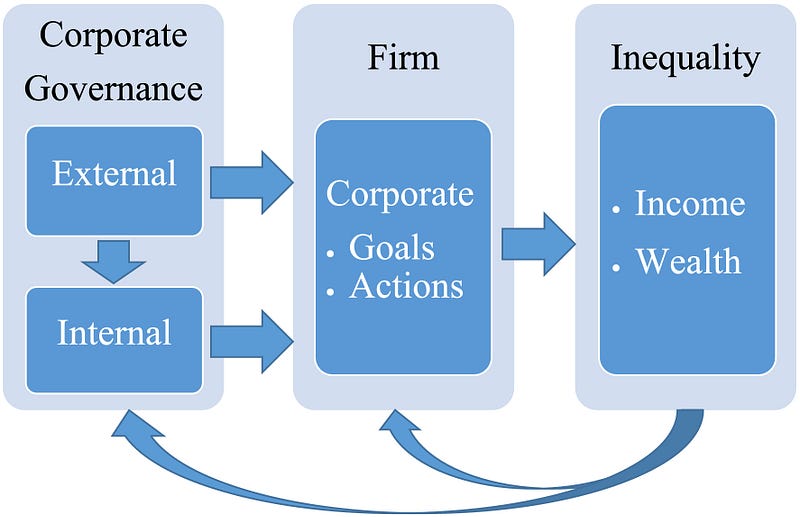
India, a vibrant democracy boasting economic progress, whispers a darker tale beneath its glittering facade. A tale etched in the lines of deepening inequality, where the gap between the opulent few and the struggling many widens with each passing day. But this chasm yawns open not by chance, but by design. At its heart lies a sinister tango, a dance of shadows where corporate wealth waltzes with political power, dictating the rhythm of India’s wealth distribution.
Imagine a stage draped in the cloak of influence peddling. On one side, you find corporations, their coffers overflowing with ill-gotten gains, eager to bend policy to their whims. On the other, stand politicians, puppets swaying to the tune of campaign contributions, their promises hollow echoes drowned by the clinking of coins. This, ladies and gentlemen, is the choreography of inequality in India.
Corporate money, a potent elixir poured into election coffers, buys not just endorsements but allegiance. It shapes legislation, sculpts regulations, and whispers sweet nothings in the ears of power. Policy becomes a pliable clay, molded to benefit the chosen few, leaving the crumbs of development for the masses. Land acquisition laws bend to the will of mining giants, environmental concerns are cast aside when profits beckon, and the voices of dissent are muffled by the iron grip of corporate monopolies.
The consequences? Stark and unforgiving. Farmers, stripped of their ancestral lands, watch their livelihoods wither under the shadow of industrial behemoths. Millions, lured by the mirage of progress, find themselves trapped in the underbelly of urban sprawls, their dreams swallowed by the ever-hungry maw of inequality. The air they breathe, the water they drink, the food they eat — all become commodities dictated by the insatiable greed of a select few.
This is not mere speculation, but a reality woven into the fabric of Indian society. Reports expose the murky nexus between corporations and politicians, while protests echo with the anguished cries of those left behind. To turn a blind eye to this dance of shadows is to become complicit in its perpetuation.
This article is an invitation to step into the dimly lit corridors of this power play. We will unmask the insidious ways corporate money manipulates political will, dissect the policies that exacerbate inequality, and amplify the voices silenced by the din of progress. We will lay bare the truth, not with accusatory fingers, but with the stark light of facts and lived experiences.
For to dismantle this intricate act of shadows, we must first understand its choreography. Only then can we rewrite the script, replace the clinking of coins with the symphony of a just and equitable India.
The Political Purse Strings:
1. Direct Donations: Corporations can directly donate to political campaigns or parties. However, there are often limits on the amount that can be donated directly. In India, for example, the Bhartiya Janata Party (BJP) is expected to receive donations of Rs 720,407 crore a year from corporate donors.
2. Lobbying: Lobbying is a legal way for corporations to influence government decisions. It involves attempting to influence the actions, policies, or decisions of government officials, most often legislators or members of regulatory agencies. Corporations can hire professional lobbyists to advocate for their interests.
3. Political Action Committees (PACs): PACs are entities that pool campaign contributions from members and donate them to political campaigns. There are many types of PACs, including Super PACs, which can receive unlimited contributions from individuals, corporations, and other PACs5. PACs must still publicly disclose their donors.
4. Shell Companies: Shell companies can be used to conceal electoral spending. In this scenario, money is directed to a PAC through an obscure company that isn’t publicly associated with the contributor. This allows the company’s name, not the true contributor’s name, to appear on the PAC’s campaign finance reports. This practice is becoming increasingly common.
5. Dark Money Groups: These are entities that may spend millions to influence elections, but which do not disclose their funding sources. They are another strategy to conceal electoral spending.
It’s important to note that while these methods are used, they often raise ethical, legal, and business issues. Transparency regarding the sources of funding for elections and how that money is spent has long been a central tenet of democracy. However, many big donors prefer to keep their election spending secret.
Quid Pro Quo: The Politics of Influence —
Quid pro quo, a Latin term meaning “something for something,” encapsulates the essence of the intricate relationship between financial support and political influence. In the realm of politics, corporations often engage in financial transactions with politicians or political entities with the expectation of receiving favorable treatment in return. This dynamic, while not inherently illegal, raises questions about the ethical boundaries of such exchanges and the impact they have on the democratic process. This exploration will delve into how financial support translates into political influence, allowing corporations to secure advantageous policies, regulations, and contracts.
Financial Support Mechanisms:
Corporations wield their financial prowess to influence political outcomes through various means. These include campaign contributions, political action committees (PACs), lobbying efforts, and donations to political parties. The sheer scale of financial support often affords corporations significant leverage, enabling them to gain access to key decision-makers and policymakers.
Political Influence in Legislative Processes:
Campaign Contributions and PACs:
Corporations strategically contribute funds to political campaigns, supporting candidates sympathetic to their interests. In return, these candidates may advocate for policies aligned with the corporations’ objectives. Additionally, the establishment and funding of Political Action Committees (PACs) allow corporations to pool resources and direct substantial financial support to candidates who share their views, thereby influencing legislative outcomes.
Lobbying:
Lobbying is another pivotal avenue through which corporations exert influence. By employing lobbyists, corporations can directly engage with lawmakers, presenting their case and advocating for policies that favor their industry. The extensive networks and insider knowledge possessed by lobbyists make them powerful agents in shaping legislation, often in subtle and nuanced ways that may not be immediately apparent to the public.
Political Influence in Regulatory Processes:
Regulatory Capture:
Financially supported corporations may seek to influence regulatory agencies responsible for overseeing their industries. This can lead to a phenomenon known as regulatory capture, wherein industry insiders or individuals sympathetic to corporate interests assume key regulatory positions. This fosters an environment where regulations are shaped to accommodate industry preferences, often at the expense of broader public interests.
Policy Advocacy:
Corporations may engage in direct advocacy to shape regulations that align with their business goals. This could involve submitting comments on proposed regulations, participating in public hearings, or leveraging industry expertise to influence regulatory decisions. Through these channels, corporations can actively shape the regulatory landscape to their advantage.
Political Influence in Contracting Processes:
Government Contracts:
Corporations that engage in financial support of political entities may also seek lucrative government contracts in return. The awarding of contracts becomes a potential quid pro quo arrangement, where political support is reciprocated with favorable procurement decisions. This intertwining of political influence and government contracting raises concerns about the fair allocation of public resources and the potential for cronyism.
The intricate web of financial support and political influence is a recurring theme in the world of politics. While not inherently illegal, the blurred lines between legitimate political engagement and unethical quid pro quo arrangements underscore the need for robust transparency and accountability mechanisms. Understanding how financial support translates into political influence is essential for safeguarding the integrity of democratic processes and ensuring that policy decisions are made in the public interest rather than serving narrow corporate agendas.
Revolving Door Blues: The Interplay of Politicians and Corporate Boards —
The “Revolving Door” phenomenon refers to the movement of individuals between government positions and roles in the private sector, particularly corporate boards. This dynamic blurs the lines between public interest and private gain, raising questions about potential conflicts of interest, regulatory capture, and the overall integrity of the democratic process. This exploration will analyze the complexities and implications of politicians joining corporate boards and vice versa.
Politicians Joining Corporate Boards:
1. Access to Networks and Resources:
— Former politicians bring with them a wealth of experience, extensive networks, and an understanding of the legislative and regulatory landscape. Corporations often seek to leverage these connections for strategic advantages.
— The access to influential decision-makers and policymakers can be invaluable for corporations navigating complex regulatory environments or seeking favorable legislative outcomes.
2. Influence Peddling:
— Politicians joining corporate boards can use their influence to shape policies or regulations favorably for their corporate employers. This influence peddling raises concerns about the alignment of governmental decisions with private interests at the expense of the public good.
3. Legitimacy and Image Enhancement:
— Corporations benefit from the association with well-known politicians, which can enhance their legitimacy and public image. The presence of former politicians on corporate boards can lend an air of credibility and influence public perceptions.
4. Policy Expertise:
— Former politicians bring specific policy expertise to corporate boards, enabling companies to navigate legislative and regulatory challenges more adeptly. This expertise can be particularly valuable in industries with complex regulatory frameworks.
Corporate Executives Transitioning to Politics:
1. Policy Influence:
— Corporate executives entering politics may use their industry expertise to influence policies that align with the interests of their former employers. This can lead to policies favoring specific industries or corporations.
2. Regulatory Capture:
— The transition from the private sector to a regulatory or policy-making role may raise concerns about regulatory capture. Individuals with ties to corporations may be inclined to favor their former employers, potentially compromising the regulatory process.
3. Access to Financial Resources:
— Corporate executives entering politics may bring substantial financial resources to their campaigns, giving them a significant advantage over other candidates. This financial support can influence electoral outcomes and subsequent policy decisions.
Implications and Challenges:
1. Conflict of Interest:
— The revolving door raises inherent conflicts of interest when individuals move between positions where their decisions can directly impact their former employers. This challenges the integrity of public service and may erode public trust.
2. Regulatory Integrity:
— The close ties between politicians and corporations can compromise regulatory integrity, leading to policies that prioritize private interests over the broader public good. This undermines the regulatory framework designed to protect consumers and promote fair competition.
3. Inequality and Unfair Advantages:
— The revolving door can contribute to an unequal distribution of power and resources, as those with political influence can use their positions to benefit specific corporate interests. This exacerbates existing inequalities in society.
The Revolving Door Blues highlights a complex interplay between politics and the corporate world, where the movement of individuals between these spheres has significant implications for governance, regulatory integrity, and public trust. Striking a balance between leveraging expertise and preventing conflicts of interest is crucial to maintaining the integrity of democratic processes and ensuring that public officials prioritize the broader public interest over private gains. Addressing these challenges is essential for fostering a transparent and accountable political system that serves the needs of society as a whole.
Shaping the Market, Shaping Wealth: How Corporate Influence Tilts the Playing Field —
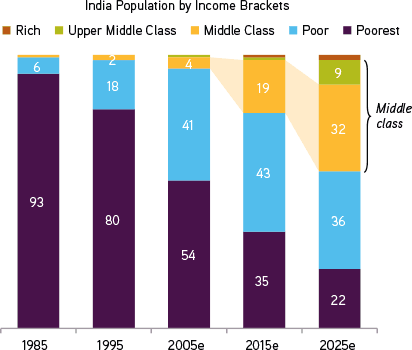
Corporations, with their vast resources and political clout, wield immense influence over the policies that shape our markets and ultimately, our wealth distribution. This influence, often subtle and opaque, permeates various aspects of policy, tilting the playing field in favor of the wealthy and further marginalizing the poor. Let’s dive deeper into how this “policy play” unfolds.
Tax Breaks: A classic tool in the corporate playbook, tax breaks offer significant financial advantages to businesses, reducing their tax burden and boosting their profits. These benefits, however, rarely trickle down to ordinary citizens. Instead, they often exacerbate inequality by funneling more wealth upwards.
Land Acquisition: Corporations often require vast tracts of land for their operations. Through lobbying and campaign contributions, they can influence policies that make land acquisition easier and cheaper for them, often at the expense of local communities. This can lead to forced displacement, environmental degradation, and loss of livelihoods for the poor.
Environmental Regulations: Environmental regulations are crucial for protecting public health and the environment. However, corporations often view them as a hindrance to their profits and lobby for weaker regulations or loopholes that benefit their bottom line. This can lead to environmental damage, pollution, and health problems for marginalized communities who often bear the brunt of environmental neglect.
Labor Laws: Strong labor laws protect workers’ rights and ensure fair wages and working conditions. However, corporations often advocate for weaker labor laws or lax enforcement, allowing them to exploit workers and maximize profits. This can lead to low wages, unsafe working conditions, and limited bargaining power for the working class.
These are just a few examples of how corporate influence shapes policy to benefit the wealthy at the expense of the poor. The consequences are far-reaching, perpetuating a cycle of inequality that undermines social mobility and erodes public trust in government.
Breaking the Cycle:
To counter this corporate influence and create a more equitable society, several avenues can be explored:
- Transparency: Increased transparency in campaign finance and lobbying activities can shed light on the links between corporations and politicians, making it harder for corporations to exert undue influence behind closed doors.
- Strengthening Regulatory Bodies: Empowering and adequately funding regulatory bodies like environmental protection agencies and labor departments can ensure that corporations are held accountable for their actions and that regulations are effectively enforced.
- Civic Engagement: An informed and engaged citizenry can hold politicians accountable and advocate for policies that promote social justice and economic equality.
By implementing these measures and fostering a culture of accountability, we can begin to tilt the playing field back towards a more equitable society where economic prosperity benefits everyone, not just the privileged few.
Regulatory Capture: The Fox Guarding the Henhouse —
Imagine a poultry farm where the cunning fox isn’t just lurking outside the coop, but has somehow become the head of chicken security. Absurd, right? Yet, this is essentially the scenario we face with regulatory capture — a phenomenon where corporations, the very entities regulations are meant to control, gain undue influence over the regulatory bodies themselves.
The image of a fox in the henhouse perfectly captures the absurdity and danger of regulatory capture.
Corporations employ a well-oiled arsenal of tactics to achieve this capture:
- Lobbying: Corporations spend vast sums of money lobbying politicians and regulators to weaken or rewrite regulations in their favor. This can involve direct cash payments, campaign contributions, and offering lucrative job opportunities to former regulators.
- Revolving Door Syndrome: Corporations often hire former regulators, leveraging their insider knowledge and relationships to influence rulemaking and enforcement. This creates a conflict of interest, blurring the lines between the regulator and the regulated.
- Regulatory Burden: Corporations can overwhelm regulatory bodies with mountains of paperwork and data, making it difficult for them to properly investigate and enforce regulations. This can lead to regulatory agencies prioritizing compliance over actual protections.
- Legal Challenges: Corporations can use their vast legal resources to challenge regulations in court, seeking loopholes or outright overturning rules that threaten their profits. This can be a lengthy and expensive process, often deterring regulators from pursuing strong enforcement.
The consequences of regulatory capture are severe:
- Environmental Degradation: Weaker environmental regulations can lead to pollution, resource depletion, and ecosystem damage.
- Exploitative Labor Practices: Lax labor laws can create unsafe working conditions, low wages, and violations of worker rights.
- Consumer Harm: Weakened product safety regulations can expose consumers to dangerous products and unfair business practices.
- Erosion of Public Trust: Regulatory capture can undermine public trust in government and regulators, leading to apathy and cynicism.
Breaking free from the clutches of regulatory capture requires a multi-pronged approach:
- Empowering Regulatory Agencies: Increasing funding and staffing for regulatory bodies makes them less susceptible to corporate pressure and better equipped to enforce regulations.
- Strengthening Transparency: Implementing stricter lobbying and campaign finance regulations sheds light on corporate influence and discourages hidden agendas.
- Public Engagement: Raising public awareness about regulatory capture and its consequences can empower citizens to demand stronger regulations and hold corporations accountable.
- Legal Reforms: Revolving door restrictions and stricter conflict of interest laws can prevent corporations from infiltrating regulatory bodies.
The fight against regulatory capture is an ongoing battle, but by recognizing the insidious nature of this threat and taking collective action, we can build a system of regulation that truly protects the public interest and prevents the fox from feasting on the hens in its care.
Market Manipulation and Monopolies: Where the Rules Get Rigged and Wealth Concentrates —
In the bustling marketplace, the ideal is a level playing field, where competition spurs innovation and fair prices benefit both consumers and businesses. But beneath the glossy surface, a darker reality often lurks: the insidious gamesmanship of market manipulation and monopolies, where corporate giants leverage their financial muscle to rig the rules, crush competition, and extract ever-higher profits, concentrating wealth in the hands of a privileged few.
The Tools of the Trade:
- Price Fixing: Collusion between competitors to artificially set prices eliminates healthy competition, benefiting cartels while gouging consumers. Think airlines collaborating on ticket prices or oil giants manipulating fuel costs.
- Predatory Pricing: Large corporations can afford to sell products at a loss for periods, driving smaller competitors out of business before jacking up prices once dominance is secured. The classic example: Amazon flooding the e-commerce market with deeply discounted goods.
- Market Cornering: By accumulating vast stocks of a resource or controlling key infrastructure, corporations can manipulate supply and demand, dictating prices and stifling competition. Imagine a telecom giant owning all the fiber optic cables in a region, controlling internet access for everyone.
- Lobbying and Regulation: Corporations wielding their political clout can lobby for regulations that favor them and disadvantage smaller players. Think tech giants influencing data privacy laws to benefit their platforms or pharmaceutical companies pushing for weaker drug safety regulations.
The Consequences:
- Reduced Innovation: When competition dwindles, the incentive for innovation falters. Consumers are stuck with stagnant options and higher prices, while the lack of fresh perspectives hinders progress.
- Inequality Widens: Market manipulation and monopolies funnel wealth upwards, enriching shareholders and executives of dominant corporations while squeezing middle-class consumers and leaving small businesses struggling.
- Economic Inequality: Monopolies stifle economic growth by limiting new market entrants and stifling small businesses, ultimately reducing job creation and economic dynamism.
- Erosion of Trust: When markets are rigged and competition tampered with, public trust in the economic system suffers. Cynicism and apathy can take root, leading to disengagement and a sense of powerlessness.
Fighting Back:
The fight against market manipulation and monopolies requires a multi-pronged approach:
- Stronger Antitrust Laws: Enacting and enforcing stricter antitrust regulations can break up monopolies and prevent unfair business practices. This requires political will and public pressure to stand up against corporate interests.
- Regulatory Rethink: Revisiting regulations to ensure they don’t inadvertently favor large corporations and provide a level playing field for smaller businesses. Transparency and public scrutiny are crucial here.
- Empowering Consumers: Educating consumers about market manipulation and encouraging them to support smaller businesses and ethical brands can shift market dynamics and create pressure for change.
- Collective Action: Building coalitions of consumers, businesses, and civil society organizations can amplify voices and advocate for reforms that empower fair competition and prevent the undue concentration of wealth.
The battle against market manipulation and monopolies is a complex one, demanding constant vigilance and a commitment to fairness. By understanding the tactics, recognizing the consequences, and taking collective action, we can strive for a marketplace where innovation thrives, competition flourishes, and wealth is shared more equitably, making the dream of a level playing field a reality, not a distant mirage.
Widening the Gap: Inequality on Steroids — How Corporate-Driven Policies Fuel the Divide
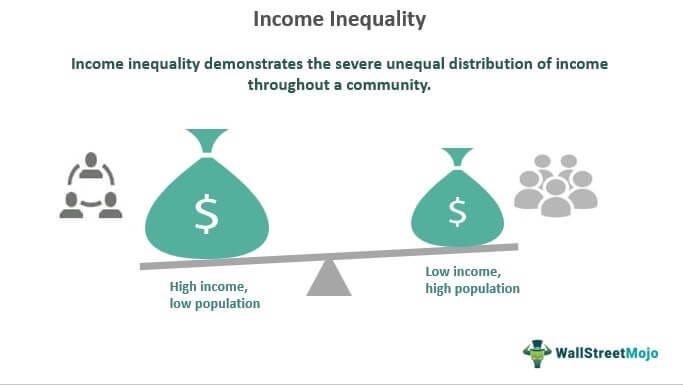
In an era of glittering skyscrapers and gleaming gadgets, a harsh reality lurks beneath the surface — a chasm of inequality, yawning wider with each passing day. And at the heart of this growing divide lies a potent fuel: corporate-driven policies that exacerbate wealth disparity, leaving the middle class shrinking and the poor further marginalized. This is not some abstract statistic; it’s the lived experience of millions, etched in the faces of struggling families, the despair of the unemployed, and the widening gap between the opulent few and the forgotten many.
The Policy Playbook:
- Tax Breaks for the Wealthy: Corporations wield their political clout to secure generous tax cuts and loopholes, disproportionately benefiting the already wealthy shareholders and executives. This starves government coffers of resources needed for social programs and infrastructure, impacting public services crucial for upward mobility.
- Deregulation of Labor Markets: Weakened labor laws and union busting efforts orchestrated by corporations leave workers vulnerable to low wages, precarious employment, and limited bargaining power. This squeezes their incomes, hindering their ability to climb the economic ladder and further enriching corporate coffers.
- Privatization of Public Services: Turning essential services like healthcare and education into profit-driven ventures creates a two-tiered system: one for the wealthy who can afford premium services, and one for the rest, stuck with underfunded, inaccessible options. This perpetuates inequality by limiting access to vital services for those who need them most.
- Financialization of the Economy: The focus on short-term profits and financial engineering creates a volatile, speculative environment where wealth concentrates at the top through stock buybacks and executive bonuses, while wages stagnate for the average worker. This further widens the income gap and leaves ordinary citizens vulnerable to economic shocks.
The Devastating Consequences:
- Shrinking Middle Class: As corporate policies squeeze out the middle, increasing numbers slide down the economic ladder, joining the ranks of the working poor or underemployed. This erodes social mobility, hampers consumer spending, and weakens the stability of the economy.
- Deepening Poverty: The lack of access to decent jobs, quality education, and affordable healthcare traps millions in a cycle of poverty. This fosters social unrest, undermines public health, and creates a permanent underclass unable to participate fully in society.
- Erosion of Social Cohesion: Inequality breeds resentment, social tensions, and distrust in institutions. It weakens societal solidarity and hinders collective action for the common good, threatening the fabric of communities and nations.
- Environmental Degradation: Corporate-driven policies often prioritize short-term profits over environmental sustainability. This leads to resource depletion, pollution, and climate change, disproportionately impacting the poorest and most vulnerable communities.
Breaking the Cycle:
This bleak picture isn’t an inevitable prophecy. We can fight back against the corrosive effects of corporate-driven inequality by:
- Progressive Taxation: Implementing fairer tax systems that shift the burden from the middle class and poor to the wealthy and corporations generates revenue for investments in social programs, education, and infrastructure, fostering upward mobility.
- Strengthening Labor Rights: Strong labor laws and empowered unions ensure fair wages, safe working conditions, and bargaining power for workers, allowing them to share in the fruits of economic growth.
- Investing in Public Goods: Publicly funded healthcare, education, and transportation create a level playing field, ensuring access to essential services regardless of income level and promoting greater social mobility.
- Democratizing the Economy: Policies that encourage worker ownership, cooperatives, and community-based initiatives shift power and wealth away from corporate giants and towards local communities, fostering inclusive economic development.
The fight against inequality is a long and arduous one, but by recognizing the role of corporate-driven policies, understanding their consequences, and advocating for alternative solutions, we can start to bridge the widening gap and build a more just and equitable society. Remember, a healthy economy thrives on shared prosperity, not concentrated wealth. Let’s work together to rewrite the narrative of inequality and create a future where everyone has a fair chance to succeed.
Democracy Undermined: Erosion of Public Trust — When Political Will Becomes Corporate Plaything —
The cornerstone of any flourishing democracy rests on a foundation of public trust. It’s the glue that binds citizens to their institutions, fostering faith in the system’s fairness and responsiveness. But when the specter of corporations buying political will rises, that foundation begins to crumble, eroding public trust and fueling a corrosive cynicism towards political institutions.
The perception of corporate influence poisoning the well of democracy manifests in several ways:
- The Revolving Door Blues: When politicians seamlessly transition between serving the public and corporate interests, a suspicion of quid pro quo arises. Public policy crafted behind closed doors with corporate giants, seemingly devoid of public scrutiny, fuels the belief that democracy is merely a stage play where corporations hold the script.
- Campaign Cash Corrupts: The perception of elections being won not by popular mandate but by the highest campaign contributors breeds disillusionment. When political platforms seem tailored to benefit corporate donors rather than the public good, faith in the democratic process dwindles, replaced by a sense of powerlessness and manipulation.
- Lobbying in the Shadows: The opaque dealings of corporate lobbyists, influencing legislation without direct accountability, create a feeling of being governed by unseen puppeteers. When crucial decisions impacting public welfare seem negotiated in smoke-filled rooms, the legitimacy of democratic institutions plummets.
- Policy Favoring the Few: When regulations appear slanted towards corporate interests, sacrificing environmental protections or worker rights for profit maximization, the belief in a level playing field evaporates. This fosters a sense of disenfranchisement, as ordinary citizens feel their voices drowned out by the amplified whispers of corporate giants.
The consequences of this eroded trust are far-reaching:
- Reduced Political Participation: When citizens believe their voices don’t matter, they withdraw from the democratic process, disengaging from voting, activism, and public discourse. This weakens the very fabric of democracy, creating a vicious cycle of apathy and further erosion of trust.
- Rise of Populism and Extremism: Disillusionment with established institutions can pave the way for populist movements and extremist ideologies that thrive on anger and mistrust. This can destabilize political systems and hinder progress on crucial issues.
- Legitimacy Crisis: When citizens lose faith in democratic institutions, it undermines the very legitimacy of the government. This can lead to civil unrest, violence, and an environment where laws and regulations are ignored, further destabilizing society.
Combating this erosion of trust requires a multi-pronged approach:
- Transparency and Accountability: Increased transparency in campaign finance, lobbying activities, and policymaking helps restore faith in the democratic process. Sunlight is the best disinfectant, illuminating any nefarious dealings and empowering citizens to hold their representatives accountable.
- Empowering Grassroots Movements: Fostering citizen engagement through civic education, community organizing, and participatory democracy initiatives rekindles a sense of agency and empowers citizens to shape their own narratives instead of feeling like passive bystanders.
- Strengthening Regulatory Bodies: Equipping regulatory bodies with sufficient resources and independence allows them to effectively counter undue corporate influence and ensure that regulations serve the public interest, not just corporate profits.
- Electoral Reform: Addressing issues like gerrymandering and voter suppression ensures that elections are genuinely representative of the public will, rebuilding trust in the democratic process.
The fight for a democracy free from the undue influence of corporate interests is an ongoing battle. However, by recognizing the corrosive effects of such influence, understanding its consequences, and actively working towards greater transparency, accountability, and public engagement, we can rebuild trust in our institutions and forge a more just and equitable future. Remember, a healthy democracy thrives on the active participation of its citizens, not the machinations of corporations. Let’s reclaim our voice and work together to rewrite the narrative of democracy, one informed vote, one community initiative, one demand for transparency at a time.
The Boiling Point: When Inequality Ignites Unrest —
The chasm of inequality yawns wider, casting a long shadow on the delicate fabric of society. As the gap between the privileged few and the struggling many widens, a dangerous brew takes shape: a rising tide of public disenchantment with the potential to ignite social unrest and instability. This is not mere speculation; it’s a historical echo, a warning whispered through the annals of civilizations felled by the corrosive fires of inequality.
The ramifications of this simmering discontent are multi-faceted and far-reaching, threatening to disrupt the very foundations of society:
Protests and Civil Unrest: When legitimate avenues for redress seem blocked, frustration spills over into dissent. Public protests, strikes, and civil disobedience become expressions of a collective cry for justice, a desperate attempt to be heard amidst the din of corporate profiteering and political apathy.
Erosion of Social Cohesion: Inequality breeds resentment and distrust, fracturing the bonds that bind communities together. The “us vs. them” narrative takes root, pitting the disenfranchised against the privileged, eroding the fabric of social solidarity and undermining collective action for the common good.
Political Instability: A disillusioned populace can turn its back on established institutions, fueling the rise of populist movements and extremist ideologies that thrive on anger and frustration. This can destabilize political systems, leading to gridlock, political turmoil, and even regime change.
Violence and Conflict: When desperation meets despair, the potential for violence erupts. Riots, looting, and even armed conflict can become tragic manifestations of a society pushed to its breaking point by the unquenchable thirst for wealth and power concentrated in the hands of a few.
Economic Downturn: The cycle of social unrest can further cripple the economy. Reduced investments, capital flight, and disruptions to essential services can plunge nations into economic turmoil, exacerbating unemployment, poverty, and further fueling the flames of discontent.
The domino effect of these factors can be devastating, creating a vicious cycle where inequality breeds unrest, unrest disrupts stability, and instability further worsens inequality. Breaking this cycle demands a proactive approach:
- Redistributive Policies: Implementing progressive taxation, closing tax loopholes, and investing in social programs like healthcare and education can redistribute wealth and ensure a more equitable distribution of resources.
- Empowering the Disenfranchised: Policies that strengthen labor unions, promote worker ownership, and encourage community-based initiatives give a voice to the marginalized and provide them with agency to shape their own destiny.
- Addressing Root Causes: Tackling the structural inequalities that perpetuate poverty, discrimination, and lack of access to opportunities is crucial to break the cycle and forge a truly just and equitable society.
- Dialogue and Transparency: Engaging in open and honest dialogues between diverse stakeholders, fostering greater transparency in governance, and addressing public concerns with empathy and accountability can rebuild trust and bridge the communication gap.
The path towards a stable and equitable society free from the specter of unrest is paved with difficult choices and constant vigilance. By recognizing the potential consequences of unchecked inequality, understanding the triggers of social unrest, and proactively working towards a more just distribution of resources and power, we can prevent the boiling point from being reached and build a future where prosperity is shared, not hoarded. Remember, a society based on shared goals and mutual respect is the strongest shield against the flames of discontent. Let’s work together to extinguish the tinderbox of inequality before it engulfs us all.
Case Study: Adani Group and the Hindenburg Report — A Tangled Web of Corporate Profits and Political Gain
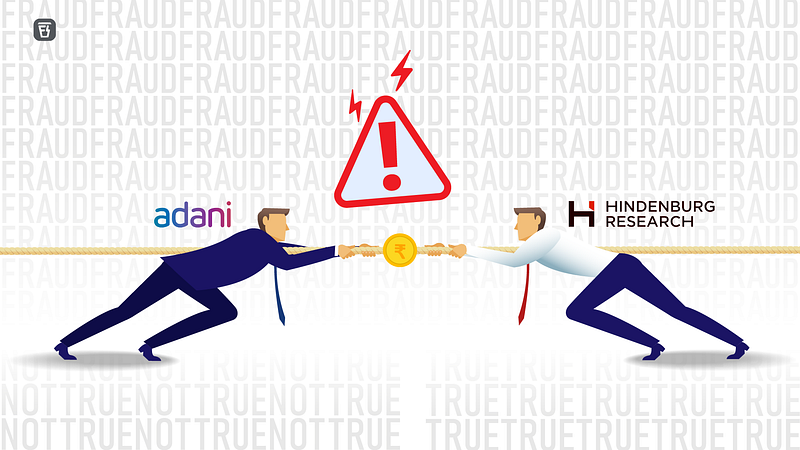
The saga of Adani Group and the Hindenburg Report has become a lightning rod for debates surrounding corporate power, ethical business practices, and the intricate relationship between financial giants and political landscapes. By delving into this case study and the broader conversation it sparks, we can gain valuable insights into the complexities of contemporary capitalism.
Adani Group: A Meteoric Rise
Adani Group, helmed by billionaire Gautam Adani, is a conglomerate with interests in infrastructure, energy, commodities, and more. The group has witnessed a meteoric rise in recent years, fueled by rapid expansion, strategic acquisitions, and favorable government policies. Its stock prices soared, making Adani briefly the second richest man in Asia.
The Hindenburg Report: A Damning Accusation
In January 2023, short-selling firm Hindenburg Research released a scathing report accusing Adani Group of stock manipulation, accounting fraud, and debt concerns. The report sent shockwaves through Indian markets, triggering a steep decline in Adani’s stock prices.
A Web of Allegations and Denials:
Adani Group refuted the Hindenburg allegations vehemently, calling them malicious and baseless. However, the report sparked investigations by Indian regulators and raised questions about the company’s business practices and its close ties to the ruling Bharatiya Janata Party (BJP) government.
Critical Analysis:
1. Corporate Profits and Political Gain:
The Adani case raises concerns about the potential for corporations to wield their enormous wealth and influence to sway political decisions in their favor. This “crony capitalism” can lead to unfair advantages, market distortions, and ultimately, harm public welfare.
2. Regulatory Capture:
Allegations of lax oversight and potential regulatory capture further exacerbate concerns. Weak regulatory frameworks can create environments where powerful corporations operate with impunity, jeopardizing investor trust and market stability.
3. Ethical Business Practices:
The Hindenburg report highlights the importance of transparency and ethical business practices within corporations. Building trust with stakeholders requires a commitment to responsible and sustainable growth, not just short-term financial gains.
4. Media Scrutiny and Public Awareness:
The case underscores the crucial role of independent media in holding powerful entities accountable. Investigative journalism and critical public discourse can play a vital role in exposing wrongdoing and safeguarding democratic principles.
5. Global Implications:
The Adani saga goes beyond the Indian context. It exemplifies the global challenges posed by rising corporate power, opaque financial systems, and the increasing influence of big money in politics.
Moving Forward:
Understanding the nuances of the Adani case and the broader issues it raises can help us shape a more just and equitable future. This includes:
- Strengthening independent regulatory bodies.
- Enacting stricter corporate governance and transparency measures.
- Fostering a culture of responsible and ethical business practices.
- Supporting independent media and investigative journalism.
- Promoting active public engagement and scrutiny of powerful entities.
The Adani saga is a complex and evolving story. By critically analyzing its various facets and learning from its lessons, we can strive towards a future where corporate profits are harnessed for the greater good, not used to fuel inequality and undermine democratic values. Remember, responsible and ethical business practices, coupled with robust regulatory frameworks and public vigilance, are crucial to navigate the intricate web of corporate profits and political gain, ensuring a sustainable and equitable future for all.
Solutions and Hope
Campaign finance reform is a crucial avenue for addressing the influence of corporate donations on the political process. Advocating for and implementing stricter regulations, transparent campaign financing, and public funding of elections can contribute to a more equitable and transparent political landscape. Here’s a breakdown of how each component of campaign finance reform can contribute to solutions and hope:
1. Stricter Regulations on Corporate Donations:
Limiting Contributions: Implementing strict limits on the amount of money corporations can contribute to political campaigns helps prevent the disproportionate influence of wealthy entities on the political process.
Closing Loopholes: Closing loopholes that allow corporations to funnel money through various channels ensures that the spirit of contribution limits is not circumvented.
2. Transparent Campaign Financing:
— Disclosure Requirements: Mandating comprehensive and timely disclosure of campaign contributions, including the identification of corporate donors, enhances transparency. Voters have the right to know who is financially supporting political candidates.
— Real-Time Reporting: Implementing real-time reporting mechanisms ensures that the public has immediate access to information about campaign donations, reducing the likelihood of hidden or delayed disclosures.
3. Public Funding of Elections:
— Leveling the Playing Field: Public funding of elections can mitigate the advantage that well-funded candidates, often backed by corporations, have over others. It helps level the playing field, allowing candidates to compete based on ideas and merit rather than financial resources.
— Reducing Dependency on Corporate Donations: Providing candidates with public funds reduces their reliance on corporate donations, minimizing the potential for quid pro quo relationships and ensuring that elected officials are more accountable to the public.
4. Empowering Grassroots Movements:
— Small Donor Matching Programs: Creating programs that match small donations from individual citizens amplifies the impact of grassroots support. This empowers candidates to build campaigns based on broad public support rather than large corporate contributions.
— Community Engagement: Encouraging community engagement and grassroots movements fosters a political environment where candidates are responsive to the needs and concerns of everyday citizens rather than catering primarily to corporate interests.
5. Citizen Education and Awareness:
— Promoting Civic Literacy: Educating citizens about the influence of money in politics and the importance of campaign finance reform enhances awareness. Informed voters are more likely to support candidates and policies that prioritize the public interest.
— Advocacy Campaigns: Engaging in advocacy campaigns to raise awareness about the impact of corporate influence and the benefits of campaign finance reform can garner public support, putting pressure on policymakers to enact meaningful changes.
6. International Cooperation:
— Sharing Best Practices: Encouraging international cooperation and the sharing of best practices in campaign finance reform can offer insights into effective strategies. Learning from successful reforms in other countries can inspire and inform efforts to address corporate influence in politics.
By pursuing these solutions, there is hope for a political system that is more responsive to the needs of the people and less susceptible to undue corporate influence. Campaign finance reform, along with broader efforts to strengthen democratic institutions, is integral to creating a political landscape that fosters fairness, accountability, and trust in the democratic process.
Ensuring the Independence and Effectiveness of Regulatory Bodies: Battling the Hydra of Corporate Capture —
Regulatory bodies act as the watchdogs of fair markets and public well-being. Yet, their effectiveness can be compromised by the insidious grasp of corporate influence, leading to a lopsided landscape where profits trump public good. To combat this “capture” and ensure true independence, several measures can be implemented:
1. Firewalls against Conflicts of Interest:
- Revolving Door Restrictions: Barring former regulators from working for industries they once oversaw for a designated period.
- Strict Asset Disclosure: Requiring regulators to fully disclose their financial holdings and potential conflicts of interest.
- Strong Ethical Codes: Enacting stringent ethical codes for regulators, with clear consequences for violations.
2. Strengthening Transparency and Accountability:
- Open Meetings and Records: Allowing public access to regulatory meetings and documents, fostering transparency and public scrutiny.
- Enhanced Reporting Requirements: Demanding regular reports from regulators detailing their activities, decisions, and justifications.
- Independent Review Mechanisms: Establishing independent bodies to investigate complaints against regulators and assess their performance.
3. Empowering Regulatory Bodies:
- Adequate Funding and Resources: Providing sufficient financial resources and staffing to ensure regulators can investigate effectively and enforce regulations without undue corporate pressure.
- Expertise and Diversity: Appointing qualified and diverse individuals to regulatory bodies, with expertise in the sectors they oversee.
- Protection from Political Interference: Safeguarding regulators from political pressure and ensuring their decisions are based on evidence and law, not partisan interests.
4. Encouraging Public Participation:
- Public Comment Periods: Allowing citizens to provide feedback on proposed regulations and participate in decision-making processes.
- Community Outreach and Education: Raising public awareness about the role of regulatory bodies and encouraging individuals to report potential violations.
- Whistleblower Protections: Protecting individuals who expose corporate wrongdoing within regulated industries.
5. Technological Solutions:
- Big Data and Analytics: Utilizing advanced data analysis tools to identify and investigate potential market manipulation and regulatory non-compliance.
- Blockchain-based Systems: Exploring blockchain technology to enhance transparency and traceability in regulatory processes.
- Open-source Platforms: Utilizing open-source platforms for information sharing and collaboration between regulators and the public.
By implementing these measures, we can raise the fortress walls against corporate capture and empower regulatory bodies to truly be the public’s watchdogs. Remember, transparency, accountability, and public participation are the cornerstones of effective regulation, ensuring that markets serve the common good, not just the bottom line of a few.
The fight for independent and effective regulatory bodies is an ongoing battle, but by working together, we can ensure these watchdogs have the teeth they need to protect the public interest and prevent the hydra of corporate capture from devouring a fair and balanced marketplace.
Anti-Monopoly Laws and Fair Competition:
Promoting competition, breaking up monopolies, and ensuring a level playing field for businesses are essential components of a fair and equitable economic system. These policies not only encourage innovation and economic efficiency but also contribute to fairer wealth distribution. Here’s how supporting anti-monopoly laws and fair competition can lead to positive outcomes:
1. Preventing Market Domination:
— Break Up Monopolies: Enforce antitrust laws to break up monopolies and prevent companies from dominating entire industries. This ensures that no single entity has unchecked power to manipulate markets, set prices arbitrarily, or stifle competition.
2. Encouraging Innovation:
— Fostering Entrepreneurship: A competitive market encourages entrepreneurship by providing opportunities for new businesses to enter and thrive. Breaking up monopolies or preventing their formation allows innovative startups to compete on a level playing field, leading to a more dynamic and innovative economy.
3. Ensuring Consumer Choice:
— Diverse Options for Consumers: Anti-monopoly policies ensure a variety of choices for consumers. When multiple companies compete, consumers have the freedom to choose from a range of products and services at different price points, fostering a competitive marketplace that benefits the public.
4. Promoting Small Business Growth:
— Leveling the Playing Field: Small and medium-sized enterprises (SMEs) often struggle to compete against large monopolistic entities. Anti-monopoly measures level the playing field, allowing smaller businesses to thrive, create jobs, and contribute to local economies.
5. Preventing Price Gouging:
— Fair Pricing: In a competitive market, prices are determined by supply and demand rather than being dictated by a single dominant player. Anti-monopoly laws help prevent price gouging, ensuring that consumers are not subject to unfair and inflated prices.
6. Enhancing Economic Equality:
— Wealth Distribution: Breaking up monopolies contributes to fairer wealth distribution by preventing excessive concentration of wealth in the hands of a few. This helps reduce economic inequality and ensures that the benefits of economic growth are more widely shared.
7. Protecting Workers’ Rights:
— Labor Market Dynamics: Competitive markets often lead to increased demand for skilled workers, providing employees with more job opportunities and bargaining power. This can result in improved working conditions, better wages, and increased job security.
8. Promoting Global Competitiveness:
— International Trade: A competitive domestic market positions a country for greater success in the global marketplace. Encouraging fair competition domestically prepares businesses to compete internationally, contributing to the overall economic strength of the nation.
9. Ensuring Long-Term Economic Stability:
— Resilience to Economic Shocks: Diverse and competitive markets are more resilient to economic shocks. When businesses are not overly concentrated in a few monopolies, the economy is better equipped to withstand challenges such as recessions or market downturns.
10. Government Oversight and Accountability:
— Regulatory Enforcement: Effective anti-monopoly laws require vigilant regulatory enforcement. This oversight ensures that businesses adhere to fair competition practices, promoting accountability and preventing the abuse of market power.
Supporting policies that promote fair competition and prevent monopolistic practices is vital for creating an economic environment that benefits both businesses and consumers. By fostering competition, these policies contribute to a more just distribution of wealth, economic stability, and a thriving marketplace that encourages innovation and growth.
Empowering the Public:
In the ever-shifting landscape of power, where corporations and politicians often hold the reins, it’s easy to feel a sense of powerlessness. But amidst the seemingly insurmountable challenges, a potent force emerges: the empowered public. By harnessing the collective voice of informed citizens, engaged in activism and united through grassroots movements, we can hold those in power accountable and demand policies that prioritize the well-being of all, not just the privileged few.
The Pillars of Public Empowerment:
- Public Awareness: Knowledge is power. Equipping citizens with accurate information about corporate practices, political decisions, and their long-term consequences lays the foundation for effective action. This involves supporting independent media, promoting critical thinking skills, and encouraging open dialogue on issues that impact our lives.
- Grassroots Movements: When individuals come together under shared concerns, a powerful collective voice emerges. Grassroots movements, rooted in communities and driven by passion, can organize protests, advocate for policy changes, and amplify the voices of those often marginalized by mainstream discourse.
- Activism: From peaceful protests and social media campaigns to boycotts and letter-writing initiatives, a range of tools empower citizens to directly challenge the status quo. By actively engaging in these avenues, we can put pressure on corporations and politicians, forcing them to listen and respond to the demands of the people.
- Civic Engagement: Holding elected officials accountable requires active participation in the democratic process. Voting, contacting representatives, and attending public hearings are crucial ways to ensure our voices are heard and our concerns are addressed.
- Collaboration and Solidarity: While individual actions carry weight, true change often arises from collective action. Building bridges across communities, forging alliances with diverse groups, and sharing resources and knowledge amplifies the impact of our efforts and creates a united front for positive change.
The Fruits of Empowerment:
By embracing these pillars of public empowerment, we can reap significant rewards:
- Holding Power Accountable: A vigilant and informed public acts as a powerful check on corporate and political overreach. By shining a light on wrongdoing and demanding transparency, we can prevent abuses of power and ensure those in control serve the public good.
- Shaping Policy for the Common Good: When citizens actively engage in the policymaking process, they can steer legislation towards initiatives that benefit all, not just the privileged few. From progressive taxation to environmental protection, empowered publics can champion policies that prioritize social justice and sustainable development.
- Building a More Equitable Society: By amplifying the voices of marginalized communities and demanding equal rights and opportunities for all, public empowerment can pave the way for a fairer and more inclusive society. This includes tackling issues like economic inequality, racial injustice, and gender discrimination.
- Fostering a Culture of Civic Engagement: A society where citizens feel empowered to participate actively in shaping their communities and nation fosters a robust democracy. This culture of engagement leads to higher voter turnout, increased trust in institutions, and a collective sense of ownership over the future.
The Road Ahead:
The path to empowerment is not without its challenges. Misinformation, apathy, and the often-daunting complexities of political and economic systems can act as deterrents. But by acknowledging these obstacles and working together to overcome them, we can build a collective voice that cannot be ignored. Remember, every informed citizen, every act of activism, every community-driven initiative is a brick in the foundation of a more just and equitable future.
Conclusion — Conclusion: Beyond the Shadow of Corporate Influence
India’s economic miracle story unfolds alongside a stark reality: a widening chasm of inequality where corporate clout casts a long shadow on political will and shapes wealth distribution in troubling ways. From the backroom lobbying that tilts policy towards the wealthy to the campaign contributions that whisper promises of influence, the very engines of democracy can be co-opted by the pursuit of profit.
But amidst this disquiet, glimmers of hope emerge. A vigilant public, armed with knowledge and empowered by activism, can become the counterforce to unbridled corporate influence. Grassroots movements can demand transparency and accountability, while informed citizens can raise their voices against policies that favor the few. The fight for a just and equitable India requires us to break free from the shackles of corporate-captured politics and reclaim the democratic space for the needs and aspirations of all its people.
This journey necessitates a multi-pronged approach:
Strengthening regulatory frameworks and upholding the rule of law: Robust, independent watchdogs must ensure fair competition and protect public interests from undue corporate influence.
Demanding electoral reforms: Transparency in campaign financing and curbing the power of money in politics can level the playing field and ensure truly representative governance.
Empowering communities and fostering civic engagement: From local initiatives to nationwide movements, collective action can hold power accountable and advocate for policies that prioritize social justice and sustainable development.
The struggle to break the stranglehold of corporate money on political will is not simply an economic or political battle; it is a fight for the very soul of India’s democracy. By wielding the tools of awareness, participation, and unwavering resolve, we can reclaim the democratic narrative and rewrite the story of India’s prosperity, ensuring it reaches not just the gilded towers of corporate headquarters, but also the humble dwellings of its most vulnerable citizens. The path ahead may be arduous, but the future beckons with the promise of a nation where wealth distribution reflects the collective good, not the whispers of vested interests. Let us rise to the challenge, together, and ensure that India’s future is one where justice, not corporate influence, shapes the destinies of its people.
Remember, the pen mightier than the sword, and in this case, the voice of the people, united and informed, can overpower the whispers of corporate influence. Let us write a new chapter in India’s story, one where prosperity flows not just to the privileged few, but to all, creating a truly equitable and vibrant democracy.
Thanks.
 Pratik Ghansham Salvi Assistant Professor of Economics | Banking & Finance | IMF Finance & Development Contributor
Leave a comment