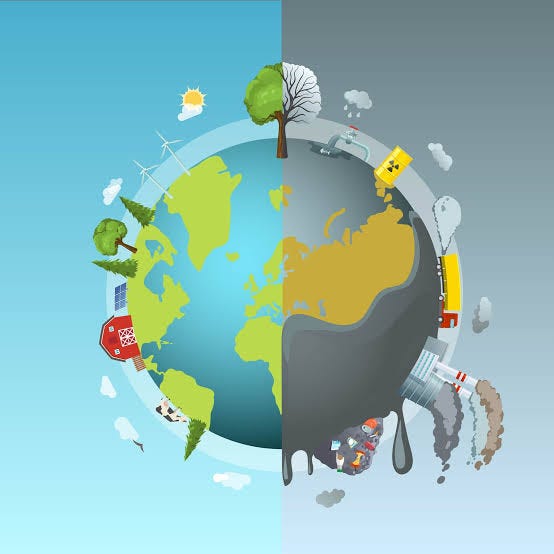
How the Climate Change and Geopolitical Crises affects Economic Growth and Development?
The world economy is constantly evolving sometimes positively and sometimes negatively. From last 100 years we all are witnessing the evolution of economic development and growth aspects. From industrial revolution to capitalism and Globalization the world experiencing tremendous economic growth and development. However, there are certain instances where economic growth and development is disturbed due to the geopolitical crises, border disputes, pandemic, war between countries due to fossil fuels and many more.
Recently, there are few instances we all faced, Covid-19 Pandemic, Russia- Ukraine War, Israel-Hamas War, Red Sea Crises, Climate Change, etc.
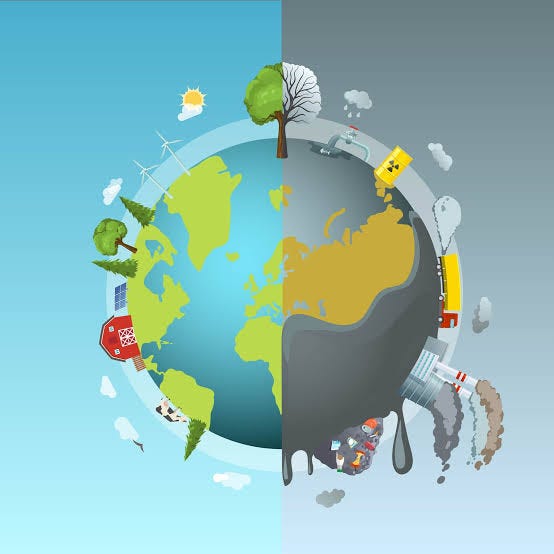
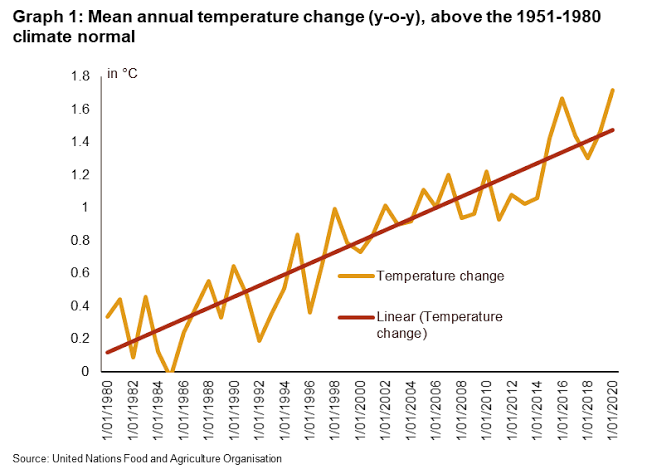
In this article I will be discussing various issues which are faced by the world today and its effects on economic growth and development. Moreover, developing and underdeveloped countries face more devastating effects of these crises as compared to the developed or advanced economies. For more detailed and transparency I have used data such as graphs and diagrams. However, it is important to note that these issues which I mentioned above is distinguished as — Natural and Man Made or Human. Most of the people view that the current situation of climate change is more human made cause instead of natural. And sometimes it is true as well because increasing use of fossil fuel-based energy creates various problems such as — Global Warming, Ozone layer depletion, deforestation, sea level rises, etc.
So, lets understand all these issues comprehensively and achieve economic growth and development in line with sustainable way.
The Interconnectedness of Climate Change, Geopolitical Crises, and Economic Development —
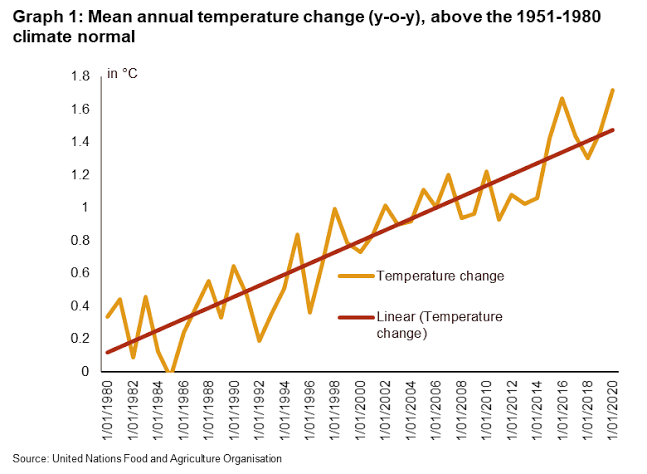
Climate Change:
- Impact: Rising temperatures, extreme weather events, sea level rise, and resource scarcity threaten food security, water availability, infrastructure, and human health. This disrupts economies, creates mass displacement, and fuels instability.
- Geopolitical Crisis: Climate change can exacerbate existing tensions over scarce resources like water and land, leading to conflict and displacement. It can also undermine fragile states, creating power vacuums that extremist groups exploit.
- Economic Development: Climate change poses significant costs to economies, requiring investments in adaptation and mitigation strategies. This can divert resources from development priorities and widen inequality. However, transitioning to a low-carbon economy also presents opportunities for green growth and new jobs.
Geopolitical Crises:
- Impact: Political instability, wars, and terrorism disrupt trade, investment, and economic activity. They also divert resources from development priorities and humanitarian assistance.
- Climate Change: Geopolitical instability can hinder international cooperation on climate action, making it harder to address the problem effectively. Additionally, resource-driven conflicts can worsen environmental degradation.
- Economic Development: Conflict and instability create uncertainty and deter investment, hindering economic progress. The costs of war and reconstruction further strain resources.
Economic Development:
- Impact: Poverty and inequality can contribute to environmental degradation and resource overuse. Unsustainable development practices can also worsen climate change impacts.
- Geopolitical Crises: Unequal access to resources and wealth can lead to social unrest and instability, increasing the risk of conflict. Poverty and lack of economic opportunity can make people more vulnerable to recruitment by extremist groups.
- Climate Change: Climate change disproportionately impacts poorer communities, jeopardizing their livelihoods and exacerbating existing inequalities. This can further hinder economic development and create social unrest.
The Interconnectedness:
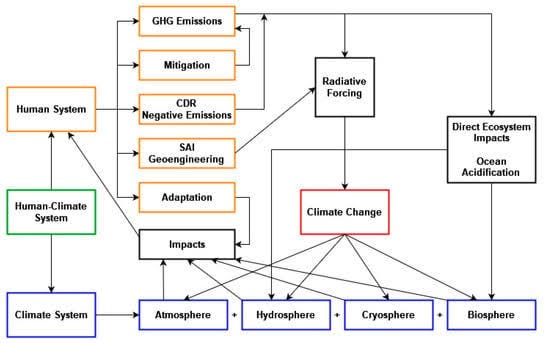
This is not a linear cause-and-effect relationship, but rather a complex cycle where each issue amplifies and feeds into the others. Addressing these challenges requires a holistic approach that recognizes their interconnectedness.
Moving Forward:
- International Cooperation: Collaborative efforts are crucial to address climate change, mitigate geopolitical risks, and promote sustainable development.
- Investing in Resilience: Building resilience to climate impacts and fostering stability are essential for long-term development.
- Inclusive and Equitable Solutions: Solutions must address the underlying inequalities that contribute to these challenges and ensure everyone benefits from progress.
Climate Change’s Grip on Growth: A Deeper Look at Direct Impacts
Climate change is no longer a looming threat; its impacts are already being felt across the globe, directly squeezing economic growth and jeopardizing the livelihoods of millions. Here’s a closer examination of the three direct impacts you mentioned:
1. Extreme Weather Events:
- Infrastructure: Hurricanes, floods, droughts, and wildfires batter essential infrastructure like roads, bridges, power grids, and telecommunication networks. The 2021 Texas freeze, for example, caused billions in damage to the state’s power grid, impacting millions and costing the state an estimated $130 billion.
- Agriculture: Erratic weather patterns disrupt planting cycles, reduce yields, and destroy crops. This affects food security, raises food prices, and destabilizes rural economies. In 2022, East Africa faced its worst drought in decades, impacting millions and pushing communities towards famine.
- Livelihoods: Extreme weather events devastate local economies, particularly those reliant on tourism, agriculture, and fisheries. Businesses close, jobs are lost, and entire communities can be displaced. The 2015 Nepal earthquake destroyed vital infrastructure and displaced millions, costing the country an estimated $7 billion.
2. Sea Level Rise:
- Coastal Inundation: Rising sea levels engulf low-lying coastal areas, displacing populations, submerging farmland, and salinating freshwater sources. This threatens vital ecosystems, destroys tourism infrastructure, and erodes coastlines, leading to billions in damages. By 2100, an estimated 200 million people could be displaced globally due to sea level rise.
- Population Displacement: Displaced communities strain resources and social structures in inland areas, leading to potential conflicts and humanitarian crises. Low-lying island nations face existential threats, losing land and becoming uninhabitable.
- Infrastructure Damage: Coastal infrastructure like ports, power plants, and transportation networks face constant damage and require expensive upgrades or relocation. Rising sea levels threaten water treatment facilities and increase flood risks in coastal cities.
3. Resource Scarcity:
- Water: Climate change alters precipitation patterns, leading to droughts in some regions and floods in others. This strains water resources for agriculture, industry, and human consumption, impacting food security, sanitation, and economic activity. Cape Town’s near-day zero water crisis in 2018 highlighted the vulnerability of cities to water scarcity.
- Energy: Extreme weather events can disrupt energy production and distribution, leading to power outages and economic losses. Rising temperatures also increase energy demand for cooling, putting further strain on grids. Climate-induced disruptions to oil and gas production can also impact energy security and prices.
- Food: Changes in temperature and precipitation patterns affect agricultural productivity, leading to food shortages and price hikes. This disproportionately impacts vulnerable populations and can trigger social unrest. Climate change is estimated to reduce global crop yields by 2–17% by 2050.
These direct impacts are interconnected and amplify each other’s effects. They represent a significant and growing threat to economic growth, highlighting the urgency of climate action. By understanding these impacts and investing in mitigation and adaptation strategies, we can build a more resilient and sustainable future for all.
Climate Change’s Grip on Growth: A Look at Indirect Impacts
While the direct impacts of climate change are devastating, the indirect effects often create a ripple effect with even broader consequences for economic growth and human well-being. Let’s dive deeper into the three significant indirect impacts you mentioned:
1. Mass Migration and Refugee Crises:
- Strain on Economies: Climate change-induced displacement leads to mass migration flows, putting immense pressure on host countries’ resources and infrastructure. This burden on social services like healthcare, education, and housing can hinder economic development and create social tension. For example, the Syrian refugee crisis placed a significant strain on neighboring countries like Jordan and Lebanon, impacting their economies and social fabric.
- Social Structures: Integrating large numbers of refugees can be challenging, leading to potential cultural clashes and competition for resources. This can strain social cohesion and create instability, hindering long-term economic growth. The Rohingya refugee crisis in Bangladesh highlighted the social challenges of mass displacement, with potential long-term consequences for both host and refugee communities.
- Security Concerns: Mass migration can exacerbate existing security challenges, with displaced populations potentially vulnerable to exploitation or radicalization. This can further destabilize regions and hinder economic development. The complex situation in the Sahel region, where climate change and conflict are intertwined, demonstrates the security risks associated with large-scale displacement.
2. Health Problems:
- Heatwaves: Rising temperatures contribute to heatwaves, leading to heatstroke, respiratory illnesses, and increased mortality. This impacts worker productivity, strains healthcare systems, and reduces economic output. The 2023 European heatwave caused thousands of deaths and billions of euros in economic losses due to reduced productivity and agricultural damage.
- Air Pollution: Climate change can worsen air quality through wildfires, dust storms, and increased ground-level ozone. This leads to respiratory diseases, heart problems, and other health issues, reducing life expectancy and impacting productivity. The air pollution crisis in India, partly driven by climate change, imposes a significant economic burden on the country.
- Waterborne Diseases: Floods and droughts can contaminate water sources, increasing the risk of waterborne diseases like cholera and typhoid. This impacts public health, reduces productivity, and strains healthcare systems, hindering economic development. The ongoing cholera outbreak in Malawi, linked to climate-induced flooding, exemplifies the health and economic consequences of waterborne diseases.
3. Disruption of Supply Chains and Trade Networks:
- Extreme Weather Events: Hurricanes, floods, and droughts can disrupt transportation networks, damage infrastructure, and hinder production, leading to shortages and price hikes. This disrupts supply chains, impacting businesses and consumers globally. The 2021 Suez Canal blockage, partly attributed to extreme weather, highlighted the vulnerability of global trade networks to climate disruptions.
- Resource Scarcity: Water and energy scarcity can impact production processes and limit industrial activity. This disrupts supply chains for various goods and services, leading to economic losses and higher prices for consumers. The ongoing chip shortage, partly exacerbated by droughts in Taiwan, demonstrates the impact of resource scarcity on global trade.
- Political Instability: Climate change can contribute to political instability and conflict, disrupting trade flows and discouraging investment. This creates uncertainty and hinders economic growth, impacting businesses and consumers worldwide. The conflict in Syria, with its complex links to climate change and resource scarcity, illustrates the disruptive effect of political instability on trade.
These indirect impacts, although seemingly distant, pose serious threats to economic growth and stability. Recognizing the interconnectedness of these issues and investing in climate action, adaptation strategies, and international cooperation is crucial to building a more resilient and prosperous future for all.
Geopolitical Tensions as a Roadblock: Examining the Challenges
Climate change’s impacts are compounded by existing geopolitical tensions, creating a complex web of challenges for economic growth and development. Here’s a closer look at the three roadblocks you mentioned:
1. Trade Wars and Sanctions:
- Impeded Economic Cooperation: Trade wars and sanctions erected by countries create barriers to trade and investment, disrupting global supply chains and hindering economic cooperation. They raise costs for businesses and consumers, limit market access, and stifle innovation. The US-China trade war, for example, resulted in tariffs, disrupted supply chains, and impacted businesses in both countries.
- Fragmented Global Markets: These disputes often lead to regionalization and fragmentation of global markets, as countries seek alternative trading partners and alliances. This creates uncertainty for businesses operating globally and reduces the efficiency of international trade.
- Reduced Global Growth: Trade barriers and sanctions ultimately hamper global economic growth, limiting market access and hindering the efficient flow of goods, services, and capital. The World Bank estimates that the US-China trade war could reduce global GDP by 0.8% by 2023.
2. Political Instability and Armed Conflicts:
- Disrupted Investment and Development: Political instability and armed conflicts create uncertainty and risk, deterring foreign investment and hindering economic development. Businesses are hesitant to invest in regions with high political risk, impacting economic growth and job creation. The ongoing conflict in Ukraine, for example, has significantly impacted investment in the region and disrupted global supply chains for key commodities like wheat and sunflower oil.
- Humanitarian Crises and Displacement: Conflicts lead to human suffering, displacement, and loss of life. This strains resources, exacerbates poverty, and creates long-term social and economic challenges. The Syrian refugee crisis, for example, continues to impact neighboring countries and the global community, with significant economic implications.
- Resource Misallocation: Resources that could be invested in development are often diverted towards military spending and conflict resolution, hindering progress on key issues like poverty reduction and infrastructure development.
3. Competition for Resources:
- Uncertainty and Price Volatility: Climate change intensifies competition for scarce resources like water, energy, and food. This creates uncertainty for businesses and governments, leading to potential price volatility and economic instability. Water scarcity in the Middle East, for example, is a source of regional tension and competition, impacting food security and economic development.
- Conflict and Instability: Competition for resources can escalate into conflict, particularly in regions with weak governance and existing tensions. This further disrupts economic activity and development, creating a vicious cycle of instability. The competition for oil and gas resources in the South China Sea, for example, is a potential flashpoint for conflict in the region.
- Limited Access for Developing Countries: Developing countries may struggle to compete for increasingly scarce resources, hindering their economic development and exacerbating existing inequalities.
These geopolitical tensions represent significant roadblocks to achieving sustainable economic growth and addressing climate change. Fostering international cooperation, promoting dialogue and diplomacy, and investing in conflict resolution and resource management are crucial steps towards overcoming these challenges and building a more peaceful and prosperous future for all.
The Intertwined Challenges: Destabilization and Cooperation
As climate change and geopolitical instability intertwine, they create a complex and challenging landscape. Here’s a deeper dive into their interconnectedness and the potential paths forward:
Geopolitical Instability Exacerbating Climate Change Mitigation:
- Diverted Resources: Conflicts and political instability often lead to decreased investment in clean energy and sustainable infrastructure, hindering progress towards climate goals. For example, tensions in the Middle East divert resources away from renewable energy development, perpetuating reliance on fossil fuels.
- Weakened International Cooperation: Political tensions and mistrust can hinder international collaboration on climate action. This makes it difficult to agree on ambitious emissions reduction targets and implement global solutions. The lack of progress at COP27 due to geopolitical divisions exemplifies this challenge.
- Failed Governance and Resource Mismanagement: Weak governance in conflict-ridden regions can lead to environmental degradation and unsustainable resource use, further exacerbating climate change. Deforestation in the Amazon due to weak law enforcement and political instability is a prime example.
Climate Change as a Source of Conflict and Geopolitical Tension:
- Resource Scarcity: Competition for water, food, and energy resources intensifies due to climate change, sparking potential conflicts, particularly in vulnerable regions. Water scarcity in the Nile basin, for instance, creates tension between countries reliant on the river.
- Mass Displacement: Climate-induced migration and refugee crises strain resources and infrastructure in host countries, potentially leading to social unrest and instability. The Syrian refugee crisis, exacerbated by drought and conflict, has had significant geopolitical ramifications.
- Sea Level Rise and Territorial Disputes: Rising sea levels lead to disputes over maritime boundaries and access to resources, creating potential flashpoints for conflict, particularly in island nations and low-lying coastal areas. Territorial disputes in the South China Sea are becoming increasingly complex due to rising sea levels.
The Potential for Cooperation and International Collaboration:
- Shared Threat, Shared Responsibility: Recognizing climate change as a shared threat can motivate collaborative efforts towards mitigation and adaptation. International agreements like the Paris Agreement serve as a framework for coordinated action.
- Innovation and Technology Transfer: Sharing clean energy technologies and expertise among countries can accelerate the transition to a low-carbon economy and strengthen international partnerships. Initiatives like the International Renewable Energy Agency (IRENA) facilitate technology transfer and collaboration.
- Climate Diplomacy and Conflict Resolution: Integrating climate considerations into diplomacy and conflict resolution can address security concerns arising from resource scarcity and climate-induced displacement. Initiatives like the UN Security Council’s resolutions on climate security aim to address these complex issues.
Moving forward, acknowledging the intertwined nature of these challenges is crucial. Embracing international cooperation, investing in sustainable solutions, and prioritizing conflict resolution offer pathways towards a more resilient and peaceful future where tackling climate change and geopolitical instability become mutually reinforcing, rather than opposing, forces.
Policy Solutions for a Sustainable Future
Climate change and geopolitical instability pose significant threats to human well-being and economic prosperity. However, amidst these challenges, opportunities for innovative solutions also emerge. Here’s a detailed look at four key policy areas to navigate the storm and build a more sustainable future:
1. Investing in Climate-Resilient Infrastructure and Renewable Energy:
- Infrastructure: Invest in infrastructure that can withstand extreme weather events and rising sea levels, including flood-resistant coastal defenses, early warning systems, and climate-smart agriculture practices.
- Renewable Energy: Accelerate the transition to renewable energy sources like solar, wind, and geothermal energy through subsidies, tax breaks, and feed-in tariffs. This reduces dependence on fossil fuels, mitigates climate change, and creates new green jobs.
- Grid Modernization: Upgrade energy grids to better integrate renewable energy sources and improve their resilience to cyberattacks and natural disasters.
2. Promoting International Cooperation and Climate Agreements:
- Strengthen existing agreements: Implement and reinforce existing agreements like the Paris Agreement, setting ambitious emissions reduction targets and ensuring accountability for all nations.
- Multilateral funding: Establish multilateral funding mechanisms to support developing countries in transitioning to low-carbon economies and adapting to climate impacts.
- Technology transfer: Facilitate the transfer of clean energy technologies and expertise between developed and developing countries, promoting global progress towards sustainability.
3. Addressing Resource Scarcity and Fostering Sustainable Consumption:
- Water management: Implement water conservation policies, invest in rainwater harvesting and wastewater treatment, and develop drought-resistant crops to address water scarcity.
- Circular economy: Transition to a circular economy that minimizes waste and promotes resource reuse and recycling, reducing pressure on scarce resources.
- Sustainable consumption: Encourage sustainable consumption patterns through public awareness campaigns, eco-labeling, and regulations that promote energy-efficient products and sustainable practices.
4. Building Robust Institutions and Fostering Global Peace and Stability:
- Strengthen governance: Promote strong institutions and good governance to effectively manage resources, implement climate policies, and address conflicts peacefully.
- Conflict resolution: Invest in conflict resolution mechanisms and diplomacy to address resource competition and prevent conflicts fueled by climate change and its impacts.
- Humanitarian aid: Provide adequate humanitarian assistance to communities affected by climate change and conflict, promoting stability and preventing further displacement.
Navigating the intertwined challenges of climate change and geopolitical instability requires a multifaceted approach. By investing in climate-resilient infrastructure, promoting international cooperation, addressing resource scarcity, and fostering global peace and stability, we can build a more sustainable and equitable future for all. These policy solutions offer a roadmap for navigating the storm, but effective implementation requires collaboration, innovation, and sustained commitment from individuals, governments, and international organizations alike. Remember, the challenges are interconnected, and so must be the solutions. Only through working together can we truly create a world that is resilient, prosperous, and in harmony with our planet.
Business and Individual Actions: Building a More Sustainable Future
While governments and international organizations set the framework for addressing climate change and geopolitical instability, businesses and individuals have a crucial role to play in translating these policies into real-world action. Here’s how we can make a difference through our daily choices and professional endeavors:
1. Adapting Operations to be More Climate-Resilient:
Businesses:
- Conduct climate risk assessments: Identify vulnerabilities across operations, supply chains, and infrastructure.
- Invest in adaptation measures: Implement flood defenses, water-efficient technologies, heat stress management practices, and disaster preparedness plans.
- Shift to renewable energy sources: Reduce reliance on fossil fuels and transition to solar, wind, and geothermal energy.
- Build climate-resistant supply chains: Partner with suppliers committed to sustainable practices and climate risk mitigation.
Individuals:
- Choose energy-efficient appliances: Reduce energy consumption at home and support sustainable brands.
- Use public transport, walk, or cycle: Minimize reliance on personal vehicles and reduce carbon footprint.
- Implement water conservation measures: Fix leaks, collect rainwater, and adopt water-saving practices in daily routines.
- Prepare for extreme weather events: Have an emergency plan, assemble first-aid kits, and stay informed about local weather warnings.
2. Supporting Sustainable Practices and Responsible Resource Management:
Businesses:
- Adopt circular economy principles: Minimize waste, reduce resource consumption, and implement recycling and reuse programs.
- Source responsibly: Prioritize suppliers committed to sustainable practices, ethical sourcing, and fair labor conditions.
- Promote transparency and accountability: Report on sustainability efforts and environmental impact in a clear and comprehensive manner.
- Invest in innovation: Develop and adopt new technologies that reduce environmental impact and promote resource efficiency.
Individuals:
- Reduce, reuse, and recycle: Minimize waste generation, repurpose items whenever possible, and recycle properly.
- Choose sustainable products: Opt for ethically sourced and eco-friendly alternatives, considering the lifecycle impact of your purchases.
- Support local and sustainable businesses: Encourage companies committed to responsible practices and environmentally friendly production.
- Conserve water and energy: Adopt sustainable habits at home, such as shorter showers, using energy-efficient appliances, and practicing responsible food preparation.
3. Advocating for Effective Policies and International Collaboration:
Businesses:
- Lobby for effective climate policies: Engage with policymakers to advocate for ambitious emissions reduction targets, carbon pricing mechanisms, and investments in renewable energy.
- Join industry coalitions and initiatives: Collaborate with other businesses to promote sustainable practices and influence policy through collective action.
- Support international cooperation: Advocate for strong international agreements on climate change and resource management, encouraging global solutions.
Individuals:
- Contact your elected officials: Voice your support for climate action and policies that promote sustainability and resource conservation.
- Participate in public consultations and campaigns: Raise awareness about climate change and engage in dialogues on potential solutions.
- Support NGOs and organizations: Contribute to organizations working on environmental protection, climate justice, and international cooperation.
- Use your voice on social media: Spread awareness, share information, and encourage others to take action on climate change.
By embracing these actions, businesses and individuals can become powerful forces for positive change. Implementing sustainable practices, advocating for effective policies, and collaborating towards a common goal are essential steps towards building a more resilient and sustainable future for all. Remember, every action, however small, contributes to a larger movement towards a healthier planet and a brighter future.
CONCLUSION — The intricate interplay between climate change, geopolitical crises, and economic growth and development cannot be overstated. The escalating threats of climate change, coupled with the unpredictability of geopolitical crises, have profound implications for the global economy. They not only disrupt the economic stability of nations but also impede sustainable development. However, these challenges also present an opportunity for us to rethink our economic models, prioritize sustainable practices, and foster international cooperation. By doing so, we can navigate these complexities and ensure a resilient and prosperous future for all. This is not just an economic necessity, but a moral imperative for the well-being of our planet and future generations.
Thanks.

Written by Pratik Salvi
I am Master’s in International Economics and Public Finance with a passion for unraveling the complexities of global economic issues and their impact on society
More from Pratik Salvi

The Modern Prosperity Equation: When Public Health, Education, Happiness and Women’s Equality Add…
For generations, Gross Domestic Product (GDP) has reigned supreme as the sole yardstick of a nation’s success. Its ascent has been…
169

“Is Demonetization a Panacea for Corruption and Price Stability, or a Boon for Corporate Profits…
Demystifying Demonetization: A Look at its Economic Winners and Losers.
103

“Beyond the Multiplier Mirage: How Misdirected Investments Squeeze Out Capital Formation and…
The Non Productive Investment of the Government ( Constructing Statues and Temples) leads to adverse effects on multiplier. Government…
100

Building a Chip Manufacturing Hub: How India Aims to Challenge China’s Semiconductor Supremacy
In Semiconductor industry China played an important role as it provides more than 80% of exports of semiconductor chips and related raw…
99
Recommended from Medium

We Are Not Mining with Renewable Energy
…and when we do, shit is going to get real
1K


The Curse of Knowledge: The Danger of Studying Too Much
How to Prevent Studies from Turning You into a Fool
3.6K
Lists


Staff Picks

How Can We Tell When the Fall of Civilization Has Begun?
It will be hauntingly familiar to some of us
955

in
China’s Cooperative Con
Power Needs to Come From the Bottom Up
295


How I got scammed
And why AI will make it worse.
3.1K

in
The Definitive Climate Denier Answer Guide
How you can respond to both climate deniers and doomers with hard facts and evidence.
569
Search

How the Climate Change and Geopolitical Crises affects Economic Growth and Development?
The world economy is constantly evolving sometimes positively and sometimes negatively. From last 100 years we all are witnessing the evolution of economic development and growth aspects. From industrial revolution to capitalism and Globalization the world experiencing tremendous economic growth and development. However, there are certain instances where economic growth and development is disturbed due to the geopolitical crises, border disputes, pandemic, war between countries due to fossil fuels and many more.
Recently, there are few instances we all faced, Covid-19 Pandemic, Russia- Ukraine War, Israel-Hamas War, Red Sea Crises, Climate Change, etc.
In this article I will be discussing various issues which are faced by the world today and its effects on economic growth and development. Moreover, developing and underdeveloped countries face more devastating effects of these crises as compared to the developed or advanced economies. For more detailed and transparency I have used data such as graphs and diagrams. However, it is important to note that these issues which I mentioned above is distinguished as — Natural and Man Made or Human. Most of the people view that the current situation of climate change is more human made cause instead of natural. And sometimes it is true as well because increasing use of fossil fuel-based energy creates various problems such as — Global Warming, Ozone layer depletion, deforestation, sea level rises, etc.
So, lets understand all these issues comprehensively and achieve economic growth and development in line with sustainable way.
The Interconnectedness of Climate Change, Geopolitical Crises, and Economic Development —
Climate Change:
- Impact: Rising temperatures, extreme weather events, sea level rise, and resource scarcity threaten food security, water availability, infrastructure, and human health. This disrupts economies, creates mass displacement, and fuels instability.
- Geopolitical Crisis: Climate change can exacerbate existing tensions over scarce resources like water and land, leading to conflict and displacement. It can also undermine fragile states, creating power vacuums that extremist groups exploit.
- Economic Development: Climate change poses significant costs to economies, requiring investments in adaptation and mitigation strategies. This can divert resources from development priorities and widen inequality. However, transitioning to a low-carbon economy also presents opportunities for green growth and new jobs.
Geopolitical Crises:
- Impact: Political instability, wars, and terrorism disrupt trade, investment, and economic activity. They also divert resources from development priorities and humanitarian assistance.
- Climate Change: Geopolitical instability can hinder international cooperation on climate action, making it harder to address the problem effectively. Additionally, resource-driven conflicts can worsen environmental degradation.
- Economic Development: Conflict and instability create uncertainty and deter investment, hindering economic progress. The costs of war and reconstruction further strain resources.
Economic Development:
- Impact: Poverty and inequality can contribute to environmental degradation and resource overuse. Unsustainable development practices can also worsen climate change impacts.
- Geopolitical Crises: Unequal access to resources and wealth can lead to social unrest and instability, increasing the risk of conflict. Poverty and lack of economic opportunity can make people more vulnerable to recruitment by extremist groups.
- Climate Change: Climate change disproportionately impacts poorer communities, jeopardizing their livelihoods and exacerbating existing inequalities. This can further hinder economic development and create social unrest.
The Interconnectedness:
This is not a linear cause-and-effect relationship, but rather a complex cycle where each issue amplifies and feeds into the others. Addressing these challenges requires a holistic approach that recognizes their interconnectedness.
Moving Forward:
- International Cooperation: Collaborative efforts are crucial to address climate change, mitigate geopolitical risks, and promote sustainable development.
- Investing in Resilience: Building resilience to climate impacts and fostering stability are essential for long-term development.
- Inclusive and Equitable Solutions: Solutions must address the underlying inequalities that contribute to these challenges and ensure everyone benefits from progress.
Climate Change’s Grip on Growth: A Deeper Look at Direct Impacts
Climate change is no longer a looming threat; its impacts are already being felt across the globe, directly squeezing economic growth and jeopardizing the livelihoods of millions. Here’s a closer examination of the three direct impacts you mentioned:
1. Extreme Weather Events:
- Infrastructure: Hurricanes, floods, droughts, and wildfires batter essential infrastructure like roads, bridges, power grids, and telecommunication networks. The 2021 Texas freeze, for example, caused billions in damage to the state’s power grid, impacting millions and costing the state an estimated $130 billion.
- Agriculture: Erratic weather patterns disrupt planting cycles, reduce yields, and destroy crops. This affects food security, raises food prices, and destabilizes rural economies. In 2022, East Africa faced its worst drought in decades, impacting millions and pushing communities towards famine.
- Livelihoods: Extreme weather events devastate local economies, particularly those reliant on tourism, agriculture, and fisheries. Businesses close, jobs are lost, and entire communities can be displaced. The 2015 Nepal earthquake destroyed vital infrastructure and displaced millions, costing the country an estimated $7 billion.
2. Sea Level Rise:
- Coastal Inundation: Rising sea levels engulf low-lying coastal areas, displacing populations, submerging farmland, and salinating freshwater sources. This threatens vital ecosystems, destroys tourism infrastructure, and erodes coastlines, leading to billions in damages. By 2100, an estimated 200 million people could be displaced globally due to sea level rise.
- Population Displacement: Displaced communities strain resources and social structures in inland areas, leading to potential conflicts and humanitarian crises. Low-lying island nations face existential threats, losing land and becoming uninhabitable.
- Infrastructure Damage: Coastal infrastructure like ports, power plants, and transportation networks face constant damage and require expensive upgrades or relocation. Rising sea levels threaten water treatment facilities and increase flood risks in coastal cities.
3. Resource Scarcity:
- Water: Climate change alters precipitation patterns, leading to droughts in some regions and floods in others. This strains water resources for agriculture, industry, and human consumption, impacting food security, sanitation, and economic activity. Cape Town’s near-day zero water crisis in 2018 highlighted the vulnerability of cities to water scarcity.
- Energy: Extreme weather events can disrupt energy production and distribution, leading to power outages and economic losses. Rising temperatures also increase energy demand for cooling, putting further strain on grids. Climate-induced disruptions to oil and gas production can also impact energy security and prices.
- Food: Changes in temperature and precipitation patterns affect agricultural productivity, leading to food shortages and price hikes. This disproportionately impacts vulnerable populations and can trigger social unrest. Climate change is estimated to reduce global crop yields by 2–17% by 2050.
These direct impacts are interconnected and amplify each other’s effects. They represent a significant and growing threat to economic growth, highlighting the urgency of climate action. By understanding these impacts and investing in mitigation and adaptation strategies, we can build a more resilient and sustainable future for all.
Climate Change’s Grip on Growth: A Look at Indirect Impacts
While the direct impacts of climate change are devastating, the indirect effects often create a ripple effect with even broader consequences for economic growth and human well-being. Let’s dive deeper into the three significant indirect impacts you mentioned:
1. Mass Migration and Refugee Crises:
- Strain on Economies: Climate change-induced displacement leads to mass migration flows, putting immense pressure on host countries’ resources and infrastructure. This burden on social services like healthcare, education, and housing can hinder economic development and create social tension. For example, the Syrian refugee crisis placed a significant strain on neighboring countries like Jordan and Lebanon, impacting their economies and social fabric.
- Social Structures: Integrating large numbers of refugees can be challenging, leading to potential cultural clashes and competition for resources. This can strain social cohesion and create instability, hindering long-term economic growth. The Rohingya refugee crisis in Bangladesh highlighted the social challenges of mass displacement, with potential long-term consequences for both host and refugee communities.
- Security Concerns: Mass migration can exacerbate existing security challenges, with displaced populations potentially vulnerable to exploitation or radicalization. This can further destabilize regions and hinder economic development. The complex situation in the Sahel region, where climate change and conflict are intertwined, demonstrates the security risks associated with large-scale displacement.
2. Health Problems:
- Heatwaves: Rising temperatures contribute to heatwaves, leading to heatstroke, respiratory illnesses, and increased mortality. This impacts worker productivity, strains healthcare systems, and reduces economic output. The 2023 European heatwave caused thousands of deaths and billions of euros in economic losses due to reduced productivity and agricultural damage.
- Air Pollution: Climate change can worsen air quality through wildfires, dust storms, and increased ground-level ozone. This leads to respiratory diseases, heart problems, and other health issues, reducing life expectancy and impacting productivity. The air pollution crisis in India, partly driven by climate change, imposes a significant economic burden on the country.
- Waterborne Diseases: Floods and droughts can contaminate water sources, increasing the risk of waterborne diseases like cholera and typhoid. This impacts public health, reduces productivity, and strains healthcare systems, hindering economic development. The ongoing cholera outbreak in Malawi, linked to climate-induced flooding, exemplifies the health and economic consequences of waterborne diseases.
3. Disruption of Supply Chains and Trade Networks:
- Extreme Weather Events: Hurricanes, floods, and droughts can disrupt transportation networks, damage infrastructure, and hinder production, leading to shortages and price hikes. This disrupts supply chains, impacting businesses and consumers globally. The 2021 Suez Canal blockage, partly attributed to extreme weather, highlighted the vulnerability of global trade networks to climate disruptions.
- Resource Scarcity: Water and energy scarcity can impact production processes and limit industrial activity. This disrupts supply chains for various goods and services, leading to economic losses and higher prices for consumers. The ongoing chip shortage, partly exacerbated by droughts in Taiwan, demonstrates the impact of resource scarcity on global trade.
- Political Instability: Climate change can contribute to political instability and conflict, disrupting trade flows and discouraging investment. This creates uncertainty and hinders economic growth, impacting businesses and consumers worldwide. The conflict in Syria, with its complex links to climate change and resource scarcity, illustrates the disruptive effect of political instability on trade.
These indirect impacts, although seemingly distant, pose serious threats to economic growth and stability. Recognizing the interconnectedness of these issues and investing in climate action, adaptation strategies, and international cooperation is crucial to building a more resilient and prosperous future for all.
Geopolitical Tensions as a Roadblock: Examining the Challenges
Climate change’s impacts are compounded by existing geopolitical tensions, creating a complex web of challenges for economic growth and development. Here’s a closer look at the three roadblocks you mentioned:
1. Trade Wars and Sanctions:
- Impeded Economic Cooperation: Trade wars and sanctions erected by countries create barriers to trade and investment, disrupting global supply chains and hindering economic cooperation. They raise costs for businesses and consumers, limit market access, and stifle innovation. The US-China trade war, for example, resulted in tariffs, disrupted supply chains, and impacted businesses in both countries.
- Fragmented Global Markets: These disputes often lead to regionalization and fragmentation of global markets, as countries seek alternative trading partners and alliances. This creates uncertainty for businesses operating globally and reduces the efficiency of international trade.
- Reduced Global Growth: Trade barriers and sanctions ultimately hamper global economic growth, limiting market access and hindering the efficient flow of goods, services, and capital. The World Bank estimates that the US-China trade war could reduce global GDP by 0.8% by 2023.
2. Political Instability and Armed Conflicts:
- Disrupted Investment and Development: Political instability and armed conflicts create uncertainty and risk, deterring foreign investment and hindering economic development. Businesses are hesitant to invest in regions with high political risk, impacting economic growth and job creation. The ongoing conflict in Ukraine, for example, has significantly impacted investment in the region and disrupted global supply chains for key commodities like wheat and sunflower oil.
- Humanitarian Crises and Displacement: Conflicts lead to human suffering, displacement, and loss of life. This strains resources, exacerbates poverty, and creates long-term social and economic challenges. The Syrian refugee crisis, for example, continues to impact neighboring countries and the global community, with significant economic implications.
- Resource Misallocation: Resources that could be invested in development are often diverted towards military spending and conflict resolution, hindering progress on key issues like poverty reduction and infrastructure development.
3. Competition for Resources:
- Uncertainty and Price Volatility: Climate change intensifies competition for scarce resources like water, energy, and food. This creates uncertainty for businesses and governments, leading to potential price volatility and economic instability. Water scarcity in the Middle East, for example, is a source of regional tension and competition, impacting food security and economic development.
- Conflict and Instability: Competition for resources can escalate into conflict, particularly in regions with weak governance and existing tensions. This further disrupts economic activity and development, creating a vicious cycle of instability. The competition for oil and gas resources in the South China Sea, for example, is a potential flashpoint for conflict in the region.
- Limited Access for Developing Countries: Developing countries may struggle to compete for increasingly scarce resources, hindering their economic development and exacerbating existing inequalities.
These geopolitical tensions represent significant roadblocks to achieving sustainable economic growth and addressing climate change. Fostering international cooperation, promoting dialogue and diplomacy, and investing in conflict resolution and resource management are crucial steps towards overcoming these challenges and building a more peaceful and prosperous future for all.
The Intertwined Challenges: Destabilization and Cooperation
As climate change and geopolitical instability intertwine, they create a complex and challenging landscape. Here’s a deeper dive into their interconnectedness and the potential paths forward:
Geopolitical Instability Exacerbating Climate Change Mitigation:
- Diverted Resources: Conflicts and political instability often lead to decreased investment in clean energy and sustainable infrastructure, hindering progress towards climate goals. For example, tensions in the Middle East divert resources away from renewable energy development, perpetuating reliance on fossil fuels.
- Weakened International Cooperation: Political tensions and mistrust can hinder international collaboration on climate action. This makes it difficult to agree on ambitious emissions reduction targets and implement global solutions. The lack of progress at COP27 due to geopolitical divisions exemplifies this challenge.
- Failed Governance and Resource Mismanagement: Weak governance in conflict-ridden regions can lead to environmental degradation and unsustainable resource use, further exacerbating climate change. Deforestation in the Amazon due to weak law enforcement and political instability is a prime example.
Climate Change as a Source of Conflict and Geopolitical Tension:
- Resource Scarcity: Competition for water, food, and energy resources intensifies due to climate change, sparking potential conflicts, particularly in vulnerable regions. Water scarcity in the Nile basin, for instance, creates tension between countries reliant on the river.
- Mass Displacement: Climate-induced migration and refugee crises strain resources and infrastructure in host countries, potentially leading to social unrest and instability. The Syrian refugee crisis, exacerbated by drought and conflict, has had significant geopolitical ramifications.
- Sea Level Rise and Territorial Disputes: Rising sea levels lead to disputes over maritime boundaries and access to resources, creating potential flashpoints for conflict, particularly in island nations and low-lying coastal areas. Territorial disputes in the South China Sea are becoming increasingly complex due to rising sea levels.
The Potential for Cooperation and International Collaboration:
- Shared Threat, Shared Responsibility: Recognizing climate change as a shared threat can motivate collaborative efforts towards mitigation and adaptation. International agreements like the Paris Agreement serve as a framework for coordinated action.
- Innovation and Technology Transfer: Sharing clean energy technologies and expertise among countries can accelerate the transition to a low-carbon economy and strengthen international partnerships. Initiatives like the International Renewable Energy Agency (IRENA) facilitate technology transfer and collaboration.
- Climate Diplomacy and Conflict Resolution: Integrating climate considerations into diplomacy and conflict resolution can address security concerns arising from resource scarcity and climate-induced displacement. Initiatives like the UN Security Council’s resolutions on climate security aim to address these complex issues.
Moving forward, acknowledging the intertwined nature of these challenges is crucial. Embracing international cooperation, investing in sustainable solutions, and prioritizing conflict resolution offer pathways towards a more resilient and peaceful future where tackling climate change and geopolitical instability become mutually reinforcing, rather than opposing, forces.
Policy Solutions for a Sustainable Future
Climate change and geopolitical instability pose significant threats to human well-being and economic prosperity. However, amidst these challenges, opportunities for innovative solutions also emerge. Here’s a detailed look at four key policy areas to navigate the storm and build a more sustainable future:
1. Investing in Climate-Resilient Infrastructure and Renewable Energy:
- Infrastructure: Invest in infrastructure that can withstand extreme weather events and rising sea levels, including flood-resistant coastal defenses, early warning systems, and climate-smart agriculture practices.
- Renewable Energy: Accelerate the transition to renewable energy sources like solar, wind, and geothermal energy through subsidies, tax breaks, and feed-in tariffs. This reduces dependence on fossil fuels, mitigates climate change, and creates new green jobs.
- Grid Modernization: Upgrade energy grids to better integrate renewable energy sources and improve their resilience to cyberattacks and natural disasters.
2. Promoting International Cooperation and Climate Agreements:
- Strengthen existing agreements: Implement and reinforce existing agreements like the Paris Agreement, setting ambitious emissions reduction targets and ensuring accountability for all nations.
- Multilateral funding: Establish multilateral funding mechanisms to support developing countries in transitioning to low-carbon economies and adapting to climate impacts.
- Technology transfer: Facilitate the transfer of clean energy technologies and expertise between developed and developing countries, promoting global progress towards sustainability.
3. Addressing Resource Scarcity and Fostering Sustainable Consumption:
- Water management: Implement water conservation policies, invest in rainwater harvesting and wastewater treatment, and develop drought-resistant crops to address water scarcity.
- Circular economy: Transition to a circular economy that minimizes waste and promotes resource reuse and recycling, reducing pressure on scarce resources.
- Sustainable consumption: Encourage sustainable consumption patterns through public awareness campaigns, eco-labeling, and regulations that promote energy-efficient products and sustainable practices.
4. Building Robust Institutions and Fostering Global Peace and Stability:
- Strengthen governance: Promote strong institutions and good governance to effectively manage resources, implement climate policies, and address conflicts peacefully.
- Conflict resolution: Invest in conflict resolution mechanisms and diplomacy to address resource competition and prevent conflicts fueled by climate change and its impacts.
- Humanitarian aid: Provide adequate humanitarian assistance to communities affected by climate change and conflict, promoting stability and preventing further displacement.
Navigating the intertwined challenges of climate change and geopolitical instability requires a multifaceted approach. By investing in climate-resilient infrastructure, promoting international cooperation, addressing resource scarcity, and fostering global peace and stability, we can build a more sustainable and equitable future for all. These policy solutions offer a roadmap for navigating the storm, but effective implementation requires collaboration, innovation, and sustained commitment from individuals, governments, and international organizations alike. Remember, the challenges are interconnected, and so must be the solutions. Only through working together can we truly create a world that is resilient, prosperous, and in harmony with our planet.
Business and Individual Actions: Building a More Sustainable Future
While governments and international organizations set the framework for addressing climate change and geopolitical instability, businesses and individuals have a crucial role to play in translating these policies into real-world action. Here’s how we can make a difference through our daily choices and professional endeavors:
1. Adapting Operations to be More Climate-Resilient:
Businesses:
- Conduct climate risk assessments: Identify vulnerabilities across operations, supply chains, and infrastructure.
- Invest in adaptation measures: Implement flood defenses, water-efficient technologies, heat stress management practices, and disaster preparedness plans.
- Shift to renewable energy sources: Reduce reliance on fossil fuels and transition to solar, wind, and geothermal energy.
- Build climate-resistant supply chains: Partner with suppliers committed to sustainable practices and climate risk mitigation.
Individuals:
- Choose energy-efficient appliances: Reduce energy consumption at home and support sustainable brands.
- Use public transport, walk, or cycle: Minimize reliance on personal vehicles and reduce carbon footprint.
- Implement water conservation measures: Fix leaks, collect rainwater, and adopt water-saving practices in daily routines.
- Prepare for extreme weather events: Have an emergency plan, assemble first-aid kits, and stay informed about local weather warnings.
2. Supporting Sustainable Practices and Responsible Resource Management:
Businesses:
- Adopt circular economy principles: Minimize waste, reduce resource consumption, and implement recycling and reuse programs.
- Source responsibly: Prioritize suppliers committed to sustainable practices, ethical sourcing, and fair labor conditions.
- Promote transparency and accountability: Report on sustainability efforts and environmental impact in a clear and comprehensive manner.
- Invest in innovation: Develop and adopt new technologies that reduce environmental impact and promote resource efficiency.
Individuals:
- Reduce, reuse, and recycle: Minimize waste generation, repurpose items whenever possible, and recycle properly.
- Choose sustainable products: Opt for ethically sourced and eco-friendly alternatives, considering the lifecycle impact of your purchases.
- Support local and sustainable businesses: Encourage companies committed to responsible practices and environmentally friendly production.
- Conserve water and energy: Adopt sustainable habits at home, such as shorter showers, using energy-efficient appliances, and practicing responsible food preparation.
3. Advocating for Effective Policies and International Collaboration:
Businesses:
- Lobby for effective climate policies: Engage with policymakers to advocate for ambitious emissions reduction targets, carbon pricing mechanisms, and investments in renewable energy.
- Join industry coalitions and initiatives: Collaborate with other businesses to promote sustainable practices and influence policy through collective action.
- Support international cooperation: Advocate for strong international agreements on climate change and resource management, encouraging global solutions.
Individuals:
- Contact your elected officials: Voice your support for climate action and policies that promote sustainability and resource conservation.
- Participate in public consultations and campaigns: Raise awareness about climate change and engage in dialogues on potential solutions.
- Support NGOs and organizations: Contribute to organizations working on environmental protection, climate justice, and international cooperation.
- Use your voice on social media: Spread awareness, share information, and encourage others to take action on climate change.
By embracing these actions, businesses and individuals can become powerful forces for positive change. Implementing sustainable practices, advocating for effective policies, and collaborating towards a common goal are essential steps towards building a more resilient and sustainable future for all. Remember, every action, however small, contributes to a larger movement towards a healthier planet and a brighter future.
CONCLUSION — The intricate interplay between climate change, geopolitical crises, and economic growth and development cannot be overstated. The escalating threats of climate change, coupled with the unpredictability of geopolitical crises, have profound implications for the global economy. They not only disrupt the economic stability of nations but also impede sustainable development. However, these challenges also present an opportunity for us to rethink our economic models, prioritize sustainable practices, and foster international cooperation. By doing so, we can navigate these complexities and ensure a resilient and prosperous future for all. This is not just an economic necessity, but a moral imperative for the well-being of our planet and future generations.
Thanks.
 Pratik Ghansham Salvi Assistant Professor of Economics | Banking & Finance | IMF Finance & Development Contributor
Leave a comment