“Green Hydrogen Investments: A Pivotal Path to GHG Emission Reduction and Sustainable Development”
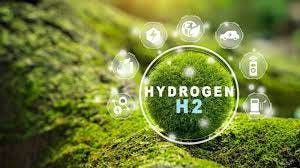
In the face of escalating climate change challenges, the urgency to transition towards renewable and sustainable energy sources has never been more pronounced. With greenhouse gas (GHG) emissions continuing to soar to unprecedented levels, the imperative to decarbonize our energy systems has become a paramount global concern. Amidst this imperative, green hydrogen emerges as a beacon of hope, offering a transformative solution that not only mitigates GHG emissions but also propels us towards a sustainable future.
Green hydrogen, produced through the electrolysis of water using renewable energy sources such as solar and wind power, represents a clean and versatile energy carrier. Its potential to revolutionize various sectors, including transportation, industry, and energy storage, has garnered significant attention from policymakers, investors, and environmentalists alike. At its core, green hydrogen embodies the essence of sustainable development — a harmonious integration of economic growth, environmental protection, and social progress.
This article delves into the pivotal role of green hydrogen investments in catalyzing GHG emission reduction and fostering sustainable development on a global scale. By exploring the multifaceted benefits and challenges associated with green hydrogen adoption, we aim to provide a comprehensive understanding of its potential as a game-changing solution in the fight against climate change.
Throughout this discourse, we will examine the following key themes:
1. The Environmental Imperative: A discussion on the pressing need to curb GHG emissions and the role of green hydrogen in achieving ambitious climate targets set forth in international agreements such as the Paris Agreement.
2. Technological Advancements: An exploration of recent advancements in electrolysis technology, renewable energy integration, and hydrogen production processes, highlighting the scalability and feasibility of green hydrogen solutions.
3. Economic Opportunities: An analysis of the economic benefits associated with green hydrogen investments, including job creation, industry growth, and the potential for renewable energy export markets.
4. Policy Frameworks: A review of existing policies, incentives, and regulatory frameworks aimed at promoting green hydrogen deployment and fostering a conducive investment environment.
5. Challenges and Solutions: An examination of the challenges hindering widespread adoption of green hydrogen, such as cost competitiveness, infrastructure development, and public perception, along with proposed strategies to overcome these hurdles.
By shedding light on these critical aspects, this article endeavors to underscore the transformative potential of green hydrogen investments in shaping a more sustainable, low-carbon future. As we stand at the cusp of a pivotal energy transition, embracing green hydrogen offers not only a pathway to GHG emission reduction but also a beacon of hope for a more prosperous and resilient world.
Green Hydrogen: Unveiling the Clean Fuel of the Future

What is Green Hydrogen?
Green hydrogen, often heralded as a key player in the fight against climate change, is essentially hydrogen produced through electrolysis powered by renewable energy sources like solar or wind power. This process splits water (H2O) into hydrogen (H2) and oxygen (O2), releasing no harmful greenhouse gases in the process. Unlike other forms of hydrogen production, green hydrogen boasts a truly sustainable and environmentally friendly lifecycle.
Production Methods:
Electrolysis is the cornerstone of green hydrogen production. Two main types of electrolyzers are employed:
- Alkaline Electrolyzers: These mature and well-established systems offer lower upfront costs but operate at lower efficiencies.
- Proton Exchange Membrane (PEM) Electrolyzers: Though more expensive, PEM electrolyzers boast higher efficiencies and faster response times, making them ideal for fluctuating renewable energy sources.
Beyond Electrolysis:
While electrolysis currently dominates, other promising green hydrogen production methods are under development:
- Thermochemical Water Splitting: Utilizing heat (from solar or nuclear sources) to drive chemical reactions that split water.
- Photoelectrochemical Water Splitting: Using specialized semiconductors to directly convert sunlight into hydrogen fuel.
- Biological Hydrogen Production: Harnessing microorganisms like algae or bacteria to produce hydrogen through natural processes.
Distinguishing Green Hydrogen:
Not all hydrogen is created equal! Here’s what sets green hydrogen apart:
- Carbon footprint: Unlike methods like steam reforming of natural gas, green hydrogen production emits zero greenhouse gases.
- Energy source: Green hydrogen relies solely on renewable energy, fostering a sustainable energy ecosystem.
- Versatility: It holds potential for decarbonizing various sectors, from transportation and power generation to industrial processes.
The Future of Green Hydrogen:
While challenges like infrastructure development and cost reduction remain, green hydrogen presents a transformative opportunity for a cleaner and more sustainable future. As research and development accelerate, it’s poised to play a critical role in combating climate change and powering a greener tomorrow.
The Environmental Imperative: Confronting Climate Change with Green Hydrogen
A Looming Crisis:
The urgency of action cannot be overstated. Greenhouse gas (GHG) emissions, primarily driven by human activities, have reached historically high levels, causing our planet’s average temperature to rise at an alarming rate. This warming trend disrupts weather patterns, intensifies extreme weather events, melts glaciers, and raises sea levels, threatening ecosystems, economies, and the very fabric of human societies.
The Numbers Paint a Stark Picture:
- Global CO2 emissions, the most potent GHG, reached a record 36.7 billion tonnes in 2021, despite temporary dips during the pandemic.
- The Intergovernmental Panel on Climate Change (IPCC) warns that limiting warming to 1.5°C, crucial for avoiding catastrophic consequences, requires reducing global emissions by 43% by 2030 and reaching net-zero by 2050.
A Collective Call to Action:
Recognizing the severity of the situation, nearly 200 countries came together in the Paris Agreement, pledging to limit global warming well below 2°C, preferably to 1.5°C, compared to pre-industrial levels. This landmark agreement marks a critical step, but achieving its ambitious goals demands urgent and collaborative action on both national and international levels.
Beyond Paris:
Beyond the Paris Agreement, various international initiatives are pushing for progress:
- The Kigali Amendment: Aims to reduce emissions from hydrofluorocarbons (HFCs), potent greenhouse gases used in cooling and refrigeration.
- The Global Methane Pledge: Over 100 countries committed to reducing methane emissions by 30% by 2030, a potent GHG with significant short-term warming impact.
- Nationally Determined Contributions (NDCs): Individual countries submit revised pledges for emissions reductions every five years to reflect progress and ambition.
Green Hydrogen: A Beacon of Hope:
While the challenges are immense, innovative solutions like green hydrogen offer a potent tool in this fight. Produced using renewable energy and emitting zero greenhouse gases, it holds immense potential for decarbonizing various sectors like transportation, industry, and power generation.
The next part of this series will delve into the specific ways green hydrogen can contribute to this crucial environmental imperative.
Green Hydrogen: A Beacon of Clean Energy in a Carbon-Choked World
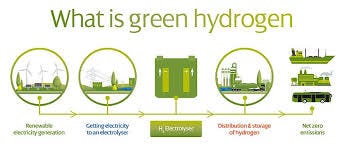
Traditional methods of hydrogen production, primarily through steam reforming of natural gas, are deeply entrenched in our fossil fuel-reliant world. Yet, these methods leave a toxic trail of greenhouse gas emissions, exacerbating the very climate crisis we desperately seek to overcome. In contrast, green hydrogen shines as a beacon of hope, offering a clean and sustainable alternative with the potential to transform various sectors towards a greener future.
Let’s dissect the key advantages of green hydrogen:
1. Zero-Emission Production:
Unlike its conventional counterparts, green hydrogen boasts a production process free from greenhouse gas emissions. Through electrolysis powered by renewable energy sources like solar or wind, it splits water molecules (H2O) into hydrogen (H2) and oxygen (O2), leaving behind zero harmful byproducts. This clean approach effectively breaks the link between hydrogen production and climate change, offering a crucial step towards decarbonization.
2. Sustainable Energy Cycle:
The beauty of green hydrogen lies in its closed-loop nature. Renewable energy powers the electrolysis process, producing hydrogen fuel. When used in fuel cells for electricity generation or directly combusted in engines, it only emits water vapor (H2O), completing the cycle with no harmful emissions released into the atmosphere. This sustainable energy ecosystem stands in stark contrast to the linear model of traditional hydrogen production and consumption, where emissions contribute significantly to our climate woes.
3. Versatility Across Sectors:
Green hydrogen’s potential extends far beyond a single application. It holds immense promise for decarbonizing various sectors with significant emissions footprints:
- Transportation: Powering heavy-duty vehicles like trucks, buses, and ships, as well as potentially fueling passenger cars in the future.
- Industry: Decarbonizing industrial processes in sectors like steel, chemicals, and refineries, where electrification might be challenging.
- Power Generation: Acting as a flexible energy carrier, storing surplus renewable energy and providing on-demand power generation, especially in conjunction with fuel cells.
4. Long-Term Storage Advantages:
Unlike electricity, which loses energy during storage and transmission, green hydrogen boasts excellent long-term storage potential. It can be compressed and stored efficiently, enabling the transportation and utilization of renewable energy from regions with abundant resources to energy-hungry areas. This flexibility makes it a valuable tool for balancing supply and demand in a renewable energy-powered future.
5. Building a Greener Economy:
Investing in green hydrogen isn’t just about environmental benefits; it’s also about fostering a sustainable and thriving economy. As the demand for clean energy solutions grows, transitioning to green hydrogen production can create new jobs, stimulate innovation, and attract investments in renewable energy infrastructure.
In conclusion, green hydrogen isn’t simply a clean fuel; it’s a key enabler for a carbon-neutral future. By harnessing the power of renewable energy to create a clean and versatile fuel source, we can pave the way for a more sustainable and resilient world. The journey ahead presents challenges, but the vast potential of green hydrogen makes it a powerful weapon in our fight against climate change and a cornerstone for building a cleaner tomorrow.
Green Hydrogen’s Power Boost: Advancements and Synergies
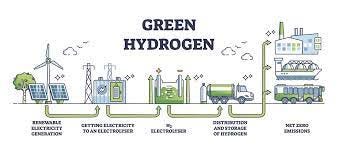
Green hydrogen’s promise hinges on scalability and affordability, and recent advancements in key areas are fueling optimism. Let’s explore the technological revolution propelling green hydrogen forward:
Electrolysis Innovation:
- Material breakthroughs: Development of novel catalysts and membranes is increasing electrolyzer efficiency and durability, reducing energy consumption and production costs.
- Stacking technologies: Scaling up electrolyzers through innovative stacking approaches is boosting production capacity, enabling larger-scale green hydrogen projects.
- High-temperature electrolyzers: These systems, still under development, promise even higher efficiencies, further reducing the energy required for hydrogen production.
Renewable Energy Integration:
- Variable renewable energy (VRE) compatibility: Electrolyzer designs are evolving to adapt to the fluctuating nature of solar and wind energy, ensuring efficient utilization of renewable resources.
- Smart grid integration: Intelligent systems are being developed to manage and optimize hydrogen production in conjunction with VRE sources, balancing supply and demand within complex energy grids.
- Decentralized production: Smaller, modular electrolyzers are being tested, enabling distributed hydrogen production closer to demand centers, potentially reducing transportation costs and infrastructure needs.
Synergies at Play:
These advancements work in concert to push the boundaries of green hydrogen:
- Increased efficiency: Improved electrolyzers and smart grid integration minimize energy consumption, making green hydrogen more cost-competitive with traditional methods.
- Enhanced scalability: Advanced stack designs and modular systems open doors for large-scale production, meeting growing demand across various sectors.
- Renewable synergy: Seamless integration with VRE sources like solar and wind ensures truly sustainable and carbon-neutral hydrogen production.
The Road Ahead:
While challenges like infrastructure development and further cost reductions remain, the pace of technological progress is encouraging. Continuous innovation in electrolysis, renewable energy integration, and related fields holds immense potential to unlock the full potential of green hydrogen. By harnessing these advancements, we can pave the way for a future powered by clean and sustainable energy, mitigating climate change and building a more resilient world.
Green Hydrogen: Fueling Prosperity with Clean Energy
As the green hydrogen revolution gathers momentum, its impact extends far beyond environmental benefits. It presents exciting economic opportunities, promising job creation, market growth, and enhanced energy security for nations embracing this clean energy source.
Job Creation:
The transition to green hydrogen is poised to create a significant number of jobs across various sectors:
- Electrolyzer manufacturing and installation: Setting up production facilities and deploying electrolyzers in different applications will require a skilled workforce.
- Renewable energy integration: Integrating renewable energy sources with hydrogen production systems will require specialists in grid management and control systems.
- Infrastructure development: Building hydrogen pipelines, storage facilities, and refueling stations will necessitate engineers, construction workers, and technicians.
- Transportation and industry adoption: Transitioning vehicles and industrial processes to utilize green hydrogen will create jobs in these sectors, with roles ranging from service technicians to fuel cell specialists.
Market Growth:
The global green hydrogen market is projected to grow exponentially, reaching trillions of dollars in the coming decades. This presents immense opportunities for:
- Renewable energy companies: Supplying the power needed for green hydrogen production will significantly benefit the renewable energy sector.
- Electrolyzer manufacturers: As demand for electrolyzers grows, companies involved in their design, development, and production stand to gain significantly.
- Hydrogen infrastructure providers: Developing and managing hydrogen pipelines, storage facilities, and refueling stations will create substantial investment opportunities.
- Transportation and industrial players: Early adopters of green hydrogen in these sectors will gain a competitive edge and benefit from cost reductions as the technology matures.
Energy Security and Diversification:
Currently, many countries rely heavily on fossil fuel imports, making them vulnerable to price fluctuations and geopolitical uncertainties. Green hydrogen offers a path towards greater energy independence and security:
- Reduced reliance on fossil fuels: By producing hydrogen domestically from renewable sources, nations can decrease their dependence on imported fuels and stabilize their energy supply.
- Diversification of energy mix: Integrating green hydrogen into the energy mix reduces reliance on any single fuel source, enhancing overall energy security and resilience.
- Geopolitical advantages: Countries leading the way in green hydrogen development can gain technological and economic advantages, positioning themselves as key players in the global energy transition.
The Call to Action:
Embracing green hydrogen represents a strategic investment in a cleaner, more prosperous future. By nurturing innovation, facilitating infrastructure development, and fostering collaboration across sectors, governments and private companies can unlock the full economic potential of green hydrogen. This clean energy revolution is not just about saving the planet; it’s about creating a thriving, sustainable economy for generations to come.
Building the Momentum: Policy Frameworks for Green Hydrogen
Green hydrogen’s potential for a cleaner future cannot be realized without supportive policy frameworks. At the global and national levels, various initiatives are taking shape to incentivize investment, stimulate demand, and pave the way for widespread adoption.
Global Landscape:
- International Renewable Energy Agency (IRENA): Its Collaborative Framework on Green Hydrogen fosters global cooperation, knowledge sharing, and policy recommendations.
- Clean Energy Ministerial (CEM): This forum promotes clean energy deployment, with several member countries launching green hydrogen initiatives.
- Hydrogen Council: This industry-led group advocates for hydrogen development, including green hydrogen, through policy recommendations and market assessments.
National Strategies:
Several countries are taking proactive steps:
- European Union: The EU Hydrogen Strategy aims to invest €80 billion by 2030, targeting 40GW of electrolysis capacity and developing comprehensive regulatory frameworks.
- Japan: Its Basic Hydrogen Strategy targets 3 million tons of annual green hydrogen production by 2030, backed by subsidies and financial support mechanisms.
- South Korea: The National Hydrogen Roadmap aims to invest $44 billion by 2040, focusing on electrolyzer manufacturing, green hydrogen production, and fuel cell development.
- India: The National Green Hydrogen Mission offers incentives for manufacturing electrolyzers and producing green hydrogen, targeting 5 million tons of annual production by 2030.
Policy Tools:
These initiatives utilize various tools to encourage green hydrogen development:
- Financial incentives: Grants, subsidies, and tax breaks for electrolyzer manufacturing, green hydrogen production, and infrastructure development.
- Regulatory frameworks: Establishing standards for hydrogen purity, safety, and grid integration, alongside streamlining permitting processes.
- Public procurement: Governments committing to utilize green hydrogen in their own operations, creating early demand and market signals.
- Research and development funding: Supporting advancements in electrolyzer technology, renewable energy integration, and storage solutions.
Case Studies:
- Germany: A leader in renewable energy and electrolyzer manufacturing, its feed-in tariffs and investment grants have spurred significant green hydrogen projects.
- Chile: Its abundant renewable resources and supportive policies are attracting investments in large-scale green hydrogen production facilities.
- Australia: Its focus on renewable energy and hydrogen exports, backed by favorable policies, positions it as a major player in the global green hydrogen market.
While various policy frameworks are taking shape, challenges remain. Streamlining regulations, attracting long-term investments, and ensuring equitable access to technology are crucial aspects for continued progress. By collaborating on effective policy frameworks, governments and international bodies can pave the way for a thriving green hydrogen ecosystem, accelerating the transition to a cleaner and more sustainable future.
Green Hydrogen’s Hurdles: Overcoming Challenges for a Clean Future
Despite its immense potential, green hydrogen faces several hurdles on its path to widespread adoption. Addressing these challenges and implementing effective solutions is crucial for unlocking its full potential.
1. Cost Competitiveness:
Currently, green hydrogen is more expensive than traditional hydrogen produced from fossil fuels. Key factors contributing to this disparity include:
- High electrolyzer costs: While advancements are reducing costs, initial investments in electrolyzers remain substantial.
- Renewable energy cost: Green hydrogen relies on renewable energy, whose cost, in some regions, remains higher than conventional sources.
Solutions:
- Technological advancements: Continued research and development in electrolyzer technology and renewable energy sources are crucial for driving down costs.
- Economies of scale: As production scales up, the cost of electrolyzers and green hydrogen is expected to decrease significantly.
- Policy support: Government incentives like tax breaks, subsidies, and carbon pricing mechanisms can significantly improve green hydrogen’s competitiveness.
2. Infrastructure Development:
Widespread adoption requires a robust infrastructure for hydrogen production, transportation, storage, and refueling. The current infrastructure primarily caters to traditional hydrogen, presenting gaps for green hydrogen:
- Limited pipelines: Dedicated pipelines for hydrogen transportation are scarce, necessitating alternative methods like trucks or ships, which can be less efficient and costly.
- Storage limitations: Efficient and scalable storage solutions are needed to buffer production fluctuations and accommodate seasonal variations in renewable energy availability.
- Refueling infrastructure: Building a network of hydrogen refueling stations, particularly for heavy-duty vehicles, is crucial for user convenience and market expansion.
Solutions:
- Public-private partnerships: Collaboration between governments and private companies can accelerate infrastructure development and attract investments.
- Repurposing existing infrastructure: Leveraging existing natural gas pipelines and storage facilities for hydrogen, where feasible, can expedite infrastructure establishment.
- Standardization: Standardizing hydrogen storage and transportation protocols facilitates infrastructure development and ensures compatibility across different applications.
3. Public Perception:
While awareness of green hydrogen is growing, concerns and misconceptions persist, potentially hindering acceptance. These include:
- Safety concerns: Hydrogen’s flammability requires robust safety measures and public education to address anxiety.
- Cost doubts: The public might underestimate the long-term benefits of green hydrogen compared to the immediate cost considerations.
- Limited knowledge: Lack of awareness about green hydrogen’s potential and benefits can hinder public support for policies and investments.
Solutions:
- Transparency and education: Public awareness campaigns and transparent communication about safety measures, environmental benefits, and cost comparisons are crucial.
- Community engagement: Involving communities in planning and decision-making processes fosters trust and acceptance of green hydrogen projects.
- Showcasing success stories: Highlighting successful green hydrogen applications and highlighting environmental benefits can generate broader public support.
Challenges exist, but the green hydrogen revolution is underway. By addressing cost competitiveness, infrastructure gaps, and public perception issues through dedicated efforts and collaborative solutions, we can unlock the true potential of this clean energy source. Green hydrogen holds the key to a sustainable future, and navigating these hurdles paves the way for a cleaner and brighter tomorrow.
Green Hydrogen: Fueling Collaboration for a Sustainable Future
Green hydrogen’s journey to decarbonize our planet necessitates a collective effort. No single nation or organization can claim victory in this global crusade against climate change. International collaboration stands as the cornerstone for advancing green hydrogen research, development, and deployment. Here’s why:
Leveraging Shared Strength:
- Knowledge-sharing: Collaborative platforms enable cross-border exchange of technical expertise, best practices, and lessons learned, accelerating technological advancements.
- Resource pooling: Countries with abundant renewable resources can partner with those possessing advanced electrolyzer technology, facilitating knowledge transfer and mutual benefit.
- Cost reduction: Collaborative research and development efforts can significantly reduce costs associated with electrolyzer manufacturing, green hydrogen production, and infrastructure development.
Examples of Collaboration in Action:
- International Renewable Energy Agency (IRENA): Its Collaborative Framework on Green Hydrogen facilitates dialogue, cooperation, and coordinated action among member countries.
- Clean Energy Ministerial (CEM): This forum fosters international collaboration on clean energy deployment, with several member countries spearheading joint hydrogen initiatives.
- Hydrogen Council: This industry-led alliance advocates for hydrogen development, including green hydrogen, through collaborative research, market analysis, and policy recommendations.
Synergy across Sectors:
Collaboration extends beyond countries to various stakeholders:
- Government-industry partnerships: Public-private partnerships can accelerate infrastructure development, attract investments, and create regulatory frameworks conducive to green hydrogen adoption.
- Research institutions: Collaborations between universities and research labs across borders can accelerate scientific breakthroughs and technological advancements.
- Financial institutions: International cooperation among banks and investors can unlock crucial funding for green hydrogen projects and mitigate financial risks.
Investing in a Shared Future:
The benefits of international collaboration extend far beyond technical advancements and cost reductions:
- Enhanced energy security: Diversifying energy sources through green hydrogen reduces reliance on fossil fuels and geopolitical uncertainties.
- Sustainable development: Equitable access to green hydrogen technology and expertise can empower developing nations and foster global economic growth.
- Climate action solidarity: Collaborative efforts demonstrate a unified front in tackling the climate crisis, inspiring collective action and accelerating the global transition to a cleaner future.
International collaboration is not just an option; it’s an imperative. By joining forces, sharing knowledge and resources, and fostering innovation across borders, we can unlock the full potential of green hydrogen. In doing so, we pave the way for a future powered by clean energy, ensuring a sustainable and prosperous world for generations to come.
Conclusion — The exploration of green hydrogen investments reveals not only a promising pathway to mitigating greenhouse gas (GHG) emissions but also a pivotal driver of sustainable development on a global scale. As we confront the ever-escalating challenges posed by climate change, the imperative to transition towards clean and renewable energy solutions becomes increasingly evident. Green hydrogen emerges as a beacon of hope, embodying the principles of environmental stewardship, economic prosperity, and social equity.
The environmental imperative for reducing GHG emissions has never been more pressing, with the consequences of climate change becoming increasingly evident. Green hydrogen, produced through the environmentally friendly process of electrolysis powered by renewable energy sources, stands out as a catalyst for change. Its potential to replace conventional, carbon-intensive hydrogen production methods not only ensures a reduction in emissions but also offers a versatile and sustainable energy carrier that can revolutionize diverse sectors of our economy.
Technological advancements in electrolysis, coupled with the integration of solar and wind power, have propelled green hydrogen into the realm of feasibility and scalability. The economic opportunities associated with green hydrogen investments, from job creation to market growth, underscore the potential for a harmonious convergence of environmental and economic goals.
Policy frameworks worldwide are increasingly recognizing the importance of green hydrogen, providing incentives and regulatory support to accelerate its adoption. International collaborations further emphasize the need for a united effort in realizing the potential of green hydrogen on a global scale.
Despite the undeniable promise, challenges persist, ranging from cost competitiveness to infrastructure development and public perception. However, these challenges should be viewed as opportunities for innovation and collaboration, rather than insurmountable barriers.
As we look ahead, green hydrogen investments represent not just a technological breakthrough but a holistic solution to address the urgent need for GHG emission reduction and sustainable development. The case studies of successful projects around the world exemplify the tangible impact of green hydrogen, providing inspiration and a blueprint for others to follow.
In embracing green hydrogen, we are not merely investing in a cleaner energy source; we are investing in a more resilient, equitable, and sustainable future. The journey towards a low-carbon economy requires collective effort, and green hydrogen stands as a testament to what can be achieved when innovation, investment, and environmental stewardship converge. As we stand on the precipice of a transformative energy transition, the role of green hydrogen investments in shaping a more sustainable world cannot be overstated — it is, indeed, a pivotal path to a future where economic prosperity and environmental well-being coexist harmoniously.
Thanks.
 Pratik Ghansham Salvi Assistant Professor of Economics | Banking & Finance | IMF Finance & Development Contributor
Leave a comment