Developing countries are mostly agrarian economies that is the main occupation in these countries is agriculture along with manufacturing and service sector. However, empirical evidence suggests that developing countries such as India and many of the african countries farmers are low income and marginal income category farmers. And therefore the governments in these countries use diffrent ttols to raise farmers income. And one of the popular way to increase farmers income as weel as to give high price for essential commodities such as wheat, sugar, rice, pulses, etc.
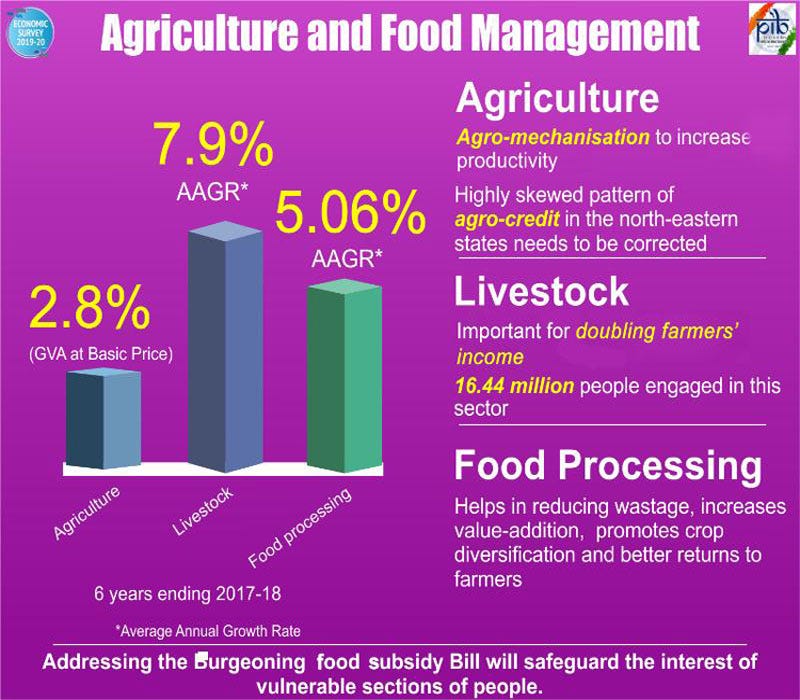
Developing countries are mostly agrarian economies that is the main occupation in these countries is agriculture along with manufacturing and service sector. However, empirical evidence suggests that developing countries such as India and many of the african countries farmers are low income and marginal income category farmers. And therefore the governments in these countries use diffrent ttols to raise farmers income. And one of the popular way to increase farmers income as weel as to give high price for essential commodities such as wheat, sugar, rice, pulses, etc.
Across India’s vast agricultural landscape, a debate rages around the Minimum Support Price (MSP) mechanism. Touted as a shield against volatile markets and a guarantor of fair returns, MSP sets a minimum price at which the government promises to buy certain crops from farmers. But is this policy a magic bullet for agrarian prosperity, or does it come with hidden costs? This article delves into the intricate knot of India’s MSP system, exploring its potential to uplift farmer incomes, ensure high commodity prices, and simultaneously navigate the delicate path of sustainable agriculture.
I begin by dissecting the rationale behind MSP, understanding its historical context and its impact on farmers’ lives. We then examine the intricate dance between MSP and high prices, investigating its potential to inflate consumer costs and distort market forces. Finally, we turn our lens towards the critical question of sustainability, asking if the current MSP structure incentivises environmentally conscious practices or fosters resource-intensive monoculture.
In this article I will be discussing about the minimum support price system in India and its importantce to increases the income of the farmers especially small and marginal farmers. However, it is important to note this analysis is applied to other countries as well but some modifications. Along with it the onging protest of farmers in North India for compulsory law on MSP and recommandations of the Swaminathan Committee is important and I will discusss this phenomenon throghout this article.
Background of Minimum Support Price (MSP) in India:
HistoryPre-Independence Challenges:
- Chronic food shortages: Famines were frequent, leading to widespread hunger and malnutrition.
- Dependence on imports: India relied heavily on food imports, especially during droughts and crop failures.
- Low agricultural productivity: Traditional farming methods and limited access to inputs stifled production.
- Exploitation of farmers: Middlemen and traders often kept prices low, leaving farmers with meager incomes.
Post-Independence Shift:
- Green Revolution (1960s): Introduction of high-yielding varieties (HYVs) and increased access to irrigation and fertilizers led to a significant rise in agricultural production.
- Shifting dynamics: HYVs required greater investment in inputs like seeds, fertilizers, and pesticides, making farmers more vulnerable to market fluctuations.
- Need for market stabilization: Government intervention became crucial to protect farmers from volatile market prices and ensure continued investment in agriculture.
Political Pressures and Policy Decisions:
- Growing farmer unrest: Discontentment with falling prices and rising input costs led to farmer protests and demands for support.
- Political compulsions: Governments, especially at the state level, felt pressure to address farmer concerns and ensure electoral success.
- Policy shift: The Agricultural Prices Commission (APC) was established in 1965 to recommend minimum support prices for major food grains.
Evolution of MSP:
- Initial focus on wheat and rice: Primarily aimed at ensuring self-sufficiency in staple crops.
- Gradual expansion: More crops added over time, including pulses, oilseeds, and sugarcane.
- Setting mechanism: CACP replaced APC in 1986, incorporating a more comprehensive cost-based formula for MSP determination.
- Challenges and debates: Concerns about market distortion, fiscal burden, and regional disparities persisted.
Additional Points:
- MSP remains a crucial tool for Indian agriculture, but its effectiveness and long-term sustainability are debated.
- Recent reforms like APMC Act amendments and direct benefit transfers aim to address some concerns.
- Continued discussions and dialogue are essential to ensure a balanced and effective MSP policy that supports farmers and promotes sustainable agricultural development.
Data:
- Year of independence: 1947
- Green Revolution start year: 1960s
- Establishment of APC: 1965
- Establishment of CACP: 1986:
- Introduced in 1966–67 after India faced major food deficit post-independence.
- Aimed to encourage agricultural production and achieve self-sufficiency.
- Initially focused on wheat and rice, expanded to 24 commodities including pulses, oilseeds, and sugarcane.
Objectives:
- Protect farmers from price fluctuations and distress sales.
- Incentivize production of essential food grains.
- Ensure food security for the growing population.
- Promote agricultural development and modernization.
Economic and Social Context:
- Pre-MSP: Frequent famines, dependence on food imports, low farmer income.
- Green Revolution (1960s): Introduced high-yielding varieties, increased dependence on inputs.
- Need for market stability: Protect farmers from exploitation by traders and middlemen.
- Political pressure: Demand for farmer welfare and higher incomes.
Crops Covered and Setting Process:
- 24 commodities categorized as Kharif (summer) and Rabi (winter) crops.
- MSP set twice a year by the Commission for Agricultural Costs and Prices (CACP).
- Factors considered:
- Cost of production (including land, labor, inputs)
- Fair return to farmers (50% profit over cost)
- Demand and supply dynamics
- Market prices
- Government announcement: Before sowing season for Kharif and Rabi crops.
- Procurement: Through agencies like Food Corporation of India (FCI), only if market price falls below MSP.
Data:
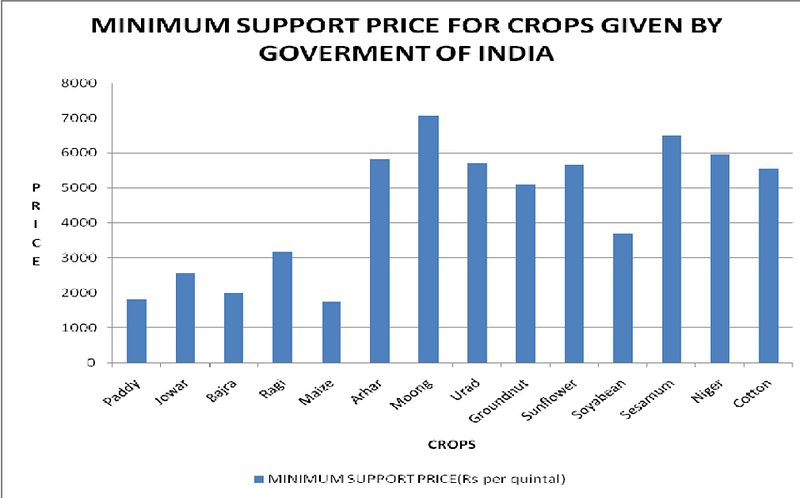
- MSP for major crops (2023–24):
- Paddy (common rice): Rs. 1,962 per quintal
- Wheat: Rs. 2,125 per quintal
- Pulses: Varies by type (e.g., Arhar: Rs. 6,600 per quintal)
- Oilseeds: Varies by type (e.g., Mustard: Rs. 5,450 per quintal)
- MSP hikes: Average annual increase of 4–5% in recent years.
- Procurement: Varies by year and crop. FCI procured 58.68 million tonnes of paddy in 2022–23.
Impact of MSP on Farmers’ Income: A Complex Picture
Effectiveness in Ensuring Minimum Income:
- Limited success: While MSP provides a safety net, it doesn’t always guarantee minimum income for all farmers.
- Factors affecting impact:
- Procurement gaps: Not all farmers can sell their produce at MSP due to limited procurement centers, bureaucratic hurdles, and crop restrictions.
- Market dynamics: When market prices exceed MSP, farmers sell elsewhere, negating the impact.
- Regional disparities: Procurement infrastructure and MSP realization vary significantly across states, affecting income disparity.
- Crop variations: Impact differs based on crop. Cash crops like sugarcane often fetch better prices than MSP, while pulses struggle due to limited procurement.
- Farmer groups: Small and marginal farmers face challenges reaching mandis and navigating procurement processes, limiting their benefit.
Data:
- Average income of agricultural households in India (2022–23): Rs. 10,282 per month (NSSO report)
- Share of MSP-linked crops in farmers’ income: Varies widely, averaging around 20–30% for major crops like wheat and rice.
Concerns and Challenges:
- Procurement gaps: FCI procurement falls short of total production, leaving many farmers out.
- Timely payments: Delays in payments create financial hardship for farmers.
- Limited reach: Small and marginal farmers, especially in remote areas, often struggle to access procurement centers.
- Market distortions: MSP can incentivize production of certain crops, leading to surpluses and market gluts.
Possible Solutions and Reforms:
- Expanding procurement reach: Increasing procurement centers and streamlining processes.
- Timely payments: Ensuring prompt payments through direct transfers or electronic systems.
- Alternative market mechanisms: Exploring producer collectives, contract farming, and direct marketing channels.
- Addressing regional disparities: Tailoring MSP and procurement efforts to regional needs.
- Focusing on small and marginal farmers: Designing targeted interventions and support mechanisms.
MSP offers a safety net but requires reforms to ensure wider and more equitable impact on farmers’ income. Addressing procurement gaps, timely payments, regional disparities, and small farmer challenges is crucial. Exploring alternative market mechanisms and promoting crop diversification can further enhance farmers’ income security.
High Commodity Prices and Consumer Impact: Navigating the Link between MSP and Market Realities
The Intertwined Dance of MSP and Market Prices:
- MSP acts as a floor price: While intended to protect farmers, it can influence market prices for covered crops.
- Impact varies:
- When market price < MSP: Government procurement increases, potentially leading to market price stabilization or even upward pressure.
- When market price > MSP: Farmers sell elsewhere, lowering supply and potentially pushing market prices higher.
- Indirect effects: Higher input costs (seeds, fertilizers) due to MSP hikes can cascade into higher production costs and ultimately, market prices.
Inflationary Concerns and Consumer Woes:
- Rising food prices: High commodity prices contribute to inflation, especially impacting staple food items like rice, pulses, and cooking oils.
- Vulnerable sections hit hardest: Low-income households, already spending a significant portion of their income on food, face disproportionate challenges.
- Nutritional insecurity: Reduced affordability can lead to dietary changes, impacting nutrition and health, especially for children and pregnant women.
Government Interventions: Taming the Price Tiger:
- Open market operations: Releasing buffer stocks into the market to increase supply and moderate prices.
- Minimum Export Price (MEP): Restricting exports to ensure domestic availability and avoid price hikes.
- Import duty adjustments: Reducing or withdrawing import duties on essential commodities to increase supply and lower prices.
- Market intervention schemes: Direct subsidies or targeted distribution of essential commodities to vulnerable sections.
Analyzing Effectiveness and Challenges:
- Limited control: Government interventions often lag behind price fluctuations, limiting immediate impact.
- Fiscal burden: Maintaining buffer stocks and subsidy schemes can strain government finances.
- Market distortions: Trade restrictions and price controls can disrupt long-term market stability and discourage investments.
Finding the Right Balance:
- Balancing farmer welfare with consumer affordability: Striking a delicate balance between supporting farmers and protecting vulnerable consumers.
- Promoting market efficiency: Reducing reliance on price controls and fostering competition to ensure stable and affordable food prices.
- Targeted interventions: Focusing support on vulnerable sections through targeted subsidies and social safety nets.
- Investing in food systems: Promoting sustainable agricultural practices, reducing post-harvest losses, and improving supply chains to enhance overall food security and affordability.
Navigating the impact of high commodity prices on consumers requires a nuanced approach. While MSP plays a role in supporting farmers, its impact on market prices needs careful consideration. Effective government interventions and long-term investments in food systems are crucial to ensure both farm income security and consumer affordability.
Swaminathan Committee Recommendations on MSP in India: A Quest for a More Equitable System
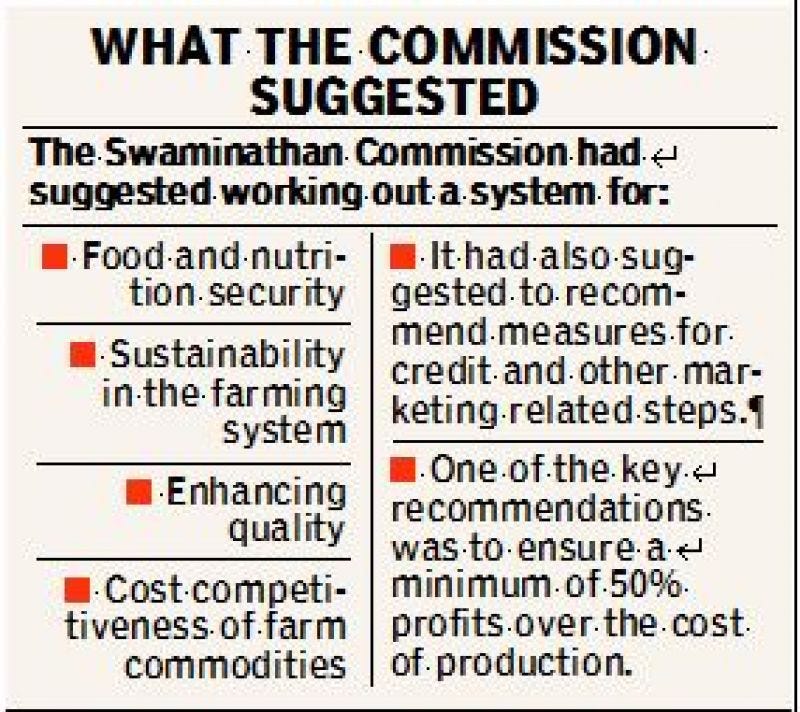
The Swaminathan Commission, officially known as the National Commission on Farmers, was instituted in 2004 to address farmers’ issues and recommend sustainable solutions. Among its key recommendations were those related to Minimum Support Price (MSP). Here’s a breakdown:
Core Recommendation:
- C2 + 50% Formula: MSP should be fixed at least 50% more than the weighted average cost of production (C2), covering all costs (paid-out and imputed) and a 50% profit margin. This aimed to ensure remunerative returns for farmers.
Additional Recommendations:
- MSP for all crops: Expand MSP coverage to include all major agricultural commodities, not just select ones.
- Procurement reforms: Strengthen procurement infrastructure and ensure timely payments to farmers.
- Market access: Improve access to markets and address marketing bottlenecks faced by farmers.
- Direct marketing: Promote direct marketing channels and farmer collectives to bypass middlemen and improve farmer returns.
- Climate resilience: Encourage adoption of climate-resilient agricultural practices to mitigate risks and protect farmer livelihoods.
- Investment in agriculture: Increase public investment in agricultural research, infrastructure, and extension services.
Impact and Controversies:
- While praised by farmers’ organizations, the recommendations faced criticism from some economists and policymakers.
- Concerns included potential fiscal burden on the government, market distortions, and potential negative impacts on consumers.
- The government has not fully implemented the C2 + 50% formula, citing fiscal constraints and potential inflationary pressures.
Current Status:
- The debate continues. Farmers’ groups demand implementation of the Swaminathan Committee recommendations, while the government seeks alternative solutions.
- Recent reforms like APMC Act amendments and direct benefit transfers aim to address some concerns.
- Continuous dialogue and research are crucial to find a balanced approach that supports farmers, ensures food security, and minimizes consumer impact.
Sustainability and Environmental Concerns of MSP: Striking a Balance between Farmer Income and Ecological Health
While MSP plays a crucial role in supporting farmer income, its impact on sustainable agriculture needs careful consideration. Here’s a detailed analysis:
Impact on Resource Use:
- Potential overuse of water: High prices for water-intensive crops like rice and sugarcane may incentivize over-irrigation, depleting groundwater resources and impacting soil health.
- Increased fertilizer use: Higher MSP for crops requiring heavy fertilizer application may encourage overuse, leading to soil degradation, water pollution, and greenhouse gas emissions.
Impact on Soil Health:
- Monoculture practices: MSP primarily focuses on specific crops, potentially promoting monoculture farming, reducing soil biodiversity and fertility.
- Reduced use of organic inputs: Reliance on chemical fertilizers due to higher MSP can discourage organic farming practices, harming soil health and long-term productivity.
Impact on Crop Diversification:
- Limited focus on diverse crops: MSP primarily covers staple crops, potentially neglecting income opportunities from more diverse and sustainable cropping systems.
- Disincentivizing traditional varieties: Focusing on high-yielding varieties for MSP procurement may discourage cultivation of diverse, climate-resilient traditional crops.
Potential Incentives for Unsustainable Practices:
- Limited consideration for sustainability: The current MSP formula doesn’t directly incentivize sustainable practices like water conservation or organic farming.
- Short-term economic priorities: Farmers may prioritize immediate income from subsidized inputs and high-yielding varieties, overlooking long-term environmental consequences.
Alternative Policy Measures and Reforms:
- Promoting sustainable MSP: Integrate sustainability criteria into MSP calculations, rewarding farmers for adopting responsible practices like water conservation and soil management.
- Incentivize crop diversification: Expand MSP coverage to include diverse and sustainable crops, promoting balanced agricultural systems.
- Direct payments for ecosystem services: Provide farmers with direct financial rewards for adopting practices that conserve biodiversity, improve soil health, and sequester carbon.
- Investments in agricultural research and extension: Support research on sustainable farming methods and provide extension services to educate farmers on these practices.
- Market-based mechanisms: Explore carbon markets or green bonds to incentivize sustainable practices and create additional income streams for farmers.
The MSP system needs to evolve to balance farmer income with environmental sustainability. Implementing sustainability criteria, promoting crop diversification, and exploring alternative incentives are crucial for long-term agricultural development and environmental well-being. Continuous dialogue and research are essential to design effective solutions that guarantee farmer livelihoods while safeguarding the environment for future generations.
Ongoing Debate and Policy Options for MSP in India: A Landscape of Evolving Solutions
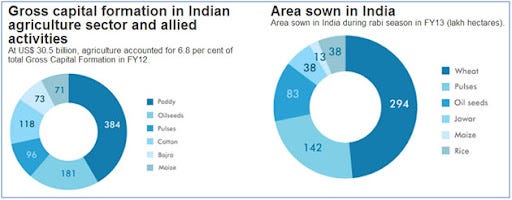
The MSP system in India remains a topic of heated debate, with both passionate arguments for and against its current implementation. Here’s a breakdown of the key perspectives:
Arguments for MSP:
- Protects farmer income: A safety net against volatile market prices, especially for small and marginal farmers.
- Incentivizes production: Ensures steady supply of essential food grains.
- Political importance: Addresses farmer demands and contributes to rural stability.
Arguments against MSP:
- Market distortion: Leads to overproduction of certain crops, inefficiency, and fiscal burden.
- Consumer impact: Contributes to higher food prices, impacting vulnerable sections.
- Limited reach: Many farmers struggle to access procurement centers, limiting impact.
- Sustainability concerns: Can incentivize over-exploitation of resources and unsustainable practices.
Recent Reforms and Alternatives:
- APMC Act amendments: Aim to improve market access and reduce middleman influence.
- Direct benefit transfers: Provide financial assistance to farmers delinked from production.
- Pilot schemes for income support: Explore alternatives to price-based support.
- Focus on farmer collectives and market linkages: Empower farmers to negotiate better prices and access direct markets.
The Role of Technology, Market Reforms, and Farmer Empowerment:
- Technology: Utilizing blockchain-based platforms for transparent procurement and data-driven MSP calculations.
- Market reforms: Streamlining procurement processes, encouraging private sector participation, and promoting e-mandi platforms.
- Farmer empowerment: Building collective bargaining power through farmer producer organizations (FPOs) and improving access to information and market intelligence.
Moving Forward: Finding Balanced Solutions:
- A nuanced approach: Recognizing both the benefits and limitations of MSP.
- Continuous dialogue: Engaging stakeholders — farmers, policymakers, consumers — in constructive discussions.
- Piloting and evaluation: Testing alternative support mechanisms and assessing their impact.
- Focus on long-term sustainability: Balancing farmer income, consumer affordability, and environmental considerations.
The MSP debate reflects the complex challenges of ensuring farmer well-being, food security, and sustainable agriculture. Ongoing reforms and innovations offer glimpses of potential solutions. Finding a balanced approach that addresses all stakeholders’ concerns requires collaborative efforts, open dialogue, and a commitment to long-term sustainable development.
How AI can Boost Agricultural Productivity in India with Data: A Glimpse into the Future
India’s vast agricultural sector faces numerous challenges, including low productivity, resource scarcity, and market volatility. Data-driven AI solutions offer significant potential to address these challenges and boost productivity. Here’s how:
1. Precision Agriculture:
- Data-driven insights: AI analyzes sensor data and historical records to recommend optimal sowing dates, water usage, fertilizer application, and pest control measures, all tailored to specific field conditions.
- Improved resource efficiency: This precise approach reduces input waste, optimizes resource utilization, and maximizes yields.
- Example: CropIn, an AI-based platform, helps farmers monitor crop health, predict yields, and make informed decisions.
2. Disease and Pest Detection:
- Image recognition: AI algorithms trained on vast datasets can identify diseases and pests in real-time through drone imagery or smartphone photos.
- Early intervention: Timely detection enables early diagnosis and treatment, minimizing crop losses and improving yield quality.
- Example: DeHaat, an agritech platform, uses AI to analyze images and advise farmers on best practices for pest and disease management.
3. Weather Forecasting and Risk Management:
- Predictive models: AI analyzes weather data and historical patterns to predict extreme weather events, enabling farmers to take preventive measures and mitigate losses.
- Crop insurance optimization: AI-powered risk assessment helps farmers make informed decisions about crop insurance, providing financial security against unforeseen events.
- Example: Phable, an AI-based weather forecasting platform, provides localized, hyper-accurate weather predictions tailored to farmers’ needs.
4. Market Prediction and Price Discovery:
- Market analysis: AI models analyze demand trends, competitor pricing, and historical data to predict future market prices.
- Informed decision-making: This empowers farmers to negotiate better prices, choose profitable crops, and optimize their marketing strategies.
- Example: AgNext, an agricultural data analytics platform, uses AI to predict crop prices and suggest optimal sale windows to farmers.
5. Farmer Empowerment and Extension Services:
- Chatbots and virtual assistants: AI-powered assistants provide farmers with personalized guidance, answer questions in local languages, and offer practical advice based on their specific needs.
- Remote monitoring and support: AI platforms enable agricultural experts to remotely monitor farms, analyze data, and provide valuable insights to farmers in real-time.
- Example: Arya, an AI-powered chatbot, serves as a virtual agronomist, offering farmers on-demand personalized advice and support.
Data for Success:
- Data infrastructure: Building a robust data infrastructure for gathering, storing, and analyzing agricultural data is critical for effective AI adoption.
- Privacy and security: Addressing data privacy concerns and ensuring secure data handling is essential for building trust among farmers.
- Digital literacy: Equipping farmers with the skills to access and interpret data insights is crucial for maximizing the benefits of AI.
AI, combined with data, holds immense potential to transform India’s agricultural landscape. By providing data-driven insights, optimizing resource use, and empowering farmers, AI can significantly boost agricultural productivity, enhance farmer income, and ensure food security for a growing nation. However, overcoming data infrastructure challenges, ensuring privacy, and promoting digital literacy are crucial for successful implementation.
This is just a glimpse into the promising possibilities of AI in Indian agriculture. As AI technology continues to evolve and data becomes more readily available, the potential for even greater advancements in agricultural productivity and sustainability is within reach. Let’s leverage the power of innovation to empower farmers, enhance food security, and shape a more prosperous future for India’s agricultural sector.
Conclusion — Striking a Balance: Towards a Sustainable and Equitable MSP System in IndiaIndia’s Minimum Support Price (MSP) mechanism plays a crucial role in supporting farmer income and ensuring food security. However, navigating the complex interplay between this system, consumer concerns, and environmental sustainability remains a pressing challenge. Embracing data-driven solutions, coupled with ongoing reforms and farmer empowerment initiatives, holds the key to unlocking a balanced approach. By recognizing the interconnectedness of these issues and working collaboratively towards a sustainable future, India can strive for a more equitable and efficient MSP system that benefits both farmers and consumers in the long run.
Thanks.
 Pratik Ghansham Salvi Assistant Professor of Economics | Banking & Finance | IMF Finance & Development Contributor
Leave a comment