Policy Implications of Externalities and Coroporate Social Responsibility (CSR)for Achieving Sustainable Development Goals
The relentless pursuit of economic prosperity often leaves unaddressed consequences, ripples in the fabric of our society and environment known as externalities. These hidden costs, whether pollution from factories or the erosion of social capital through unethical practices, cast a long shadow on our collective progress towards a sustainable future. Amidst this complex landscape, Corporate Social Responsibility (CSR) emerges as a beacon of hope, urging businesses to consider the broader impact of their actions. This article delves deep into the intricate dance between externalities, CSR, and policy, exploring their combined influence on achieving the ambitious Sustainable Development Goals (SDGs).
We begin by unpacking the concept of externalities, both positive and negative, and their far-reaching implications. We then delve into the realm of CSR, examining its potential to mitigate negative externalities and amplify positive ones. The crux of the discussion lies in analyzing the crucial role of policy in shaping the interplay between these forces. By exploring various policy frameworks, we dissect how they can incentivize or discourage responsible corporate behavior, ultimately impacting the trajectory of sustainable development.
Our journey unfolds through insightful case studies and relevant data, allowing us to paint a nuanced picture of the challenges and opportunities that lie ahead. Ultimately, we aim to equip readers with a deeper understanding of this complex interplay and its profound impact on our shared future. Whether you are a policymaker, business leader, or simply an engaged citizen, this article invites you to join the conversation as we navigate the crossroads of profit, progress, and the very future of our planet.
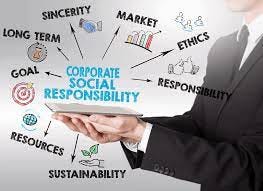
From ancient times to today’s most technological and complex ever expanding world private firms main objectives is to earn maximum profits. In other words, firms try to maximise its total revenue with respect to its total costs. In the traditional language of economics Profits = Total Revenue — Total Costs. However with some changing patterns empirical studies finds that in reality in firms do not try to maximise its profits instead managers or CEOs try to maximise thier own benefits or profits rather than firms profits. This is known as the value maximisation and stakeholder theory.
However with changing structure and and motives of the firms in today’s modern economy obejective is maximise profits along with certain social responsible objective. This phenomenon sometimes referred as the “Corporate Social Responsibility”.
In this article I will be discussing about the importantce of the CSR and externalities and cost-benefit analysis. Moreover, I will also discuss its releveance to achiving the SDGs. For reders I will use diffrent data for analysing these aspects so it will be helpful to understand this analysis.
Understanding the Intersection: Externalities, Corporate Social Responsibility, and Sustainable Development Goals — Our world is interconnected, and the actions of businesses have far-reaching consequences beyond their immediate operations. This article explores three key concepts: externalities, corporate social responsibility (CSR), and Sustainable Development Goals (SDGs), highlighting their interplay and importance in building a more sustainable future.
1. Externalities: Costs and Benefits Beyond the Market
- Definition: An externality occurs when a firm’s production or consumption activities generate costs or benefits for third parties not directly involved in the transaction. These costs or benefits are not reflected in the market price, leading to market inefficiencies.
- Types:
- Negative externalities: These impose costs on society or the environment. Examples include pollution from factories, traffic congestion, or noise pollution.
- Positive externalities: These create benefits for society or the environment. Examples include research and development leading to new technologies, innovation that enhances public knowledge, or sustainable practices that improve ecosystem health.
2. Corporate Social Responsibility: Beyond Profits
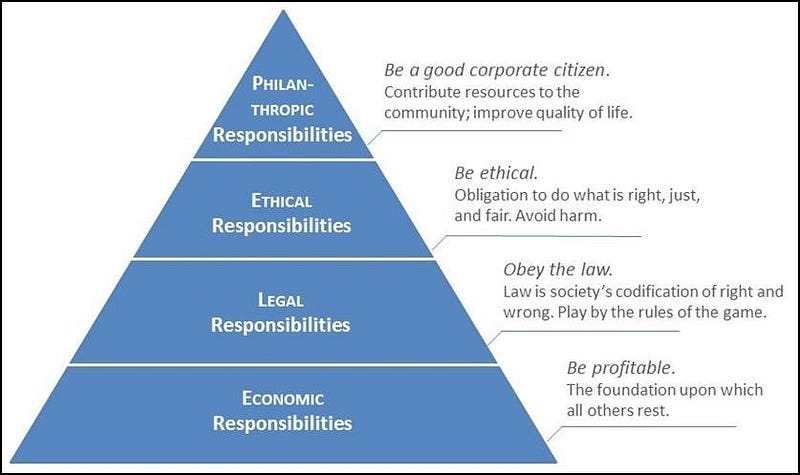
- Definition: CSR is the concept that corporations have a responsibility to operate in an ethical and sustainable manner, considering the impact of their actions on stakeholders beyond shareholders, including employees, communities, and the environment.
- Interpretations: CSR is a complex concept with various interpretations:
- Traditional view: Focuses on philanthropic activities and minimizing negative externalities.
- Strategic view: Sees CSR as a way to manage risks, enhance reputation, and gain a competitive advantage.
- Sustainable view: Emphasizes integrating social and environmental responsibility into core business operations to achieve long-term sustainability.
3. Sustainable Development Goals: A Global Roadmap
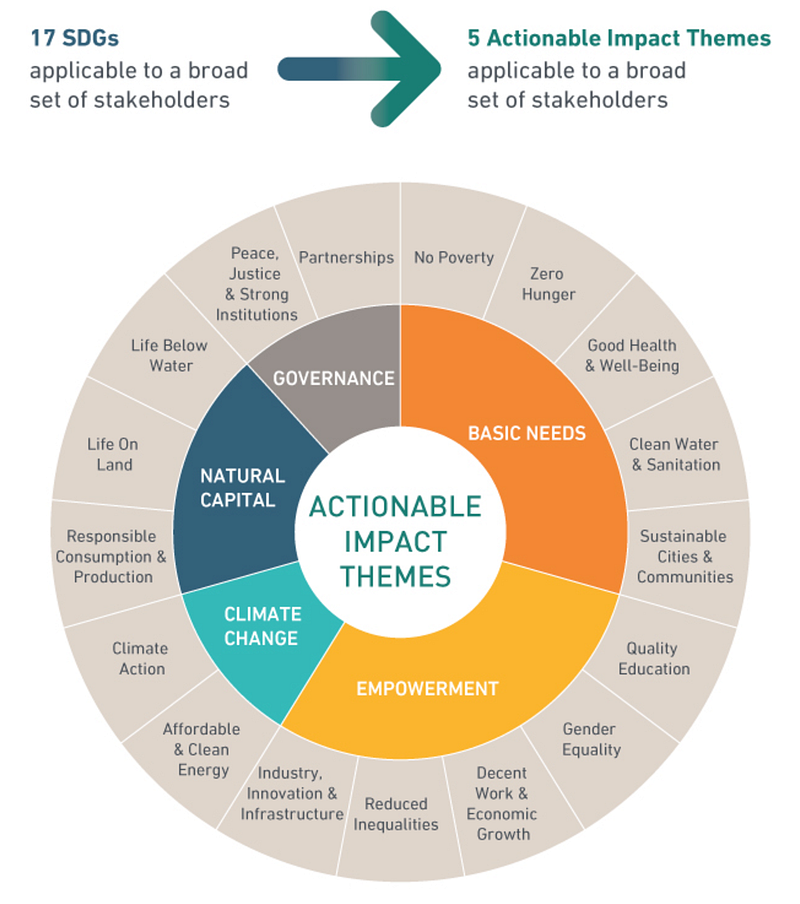
- Definition: The SDGs are a set of 17 interconnected goals adopted by the United Nations in 2015 to eradicate poverty, protect the planet, and ensure prosperity for all by 2030.
- Key Areas of Focus: The SDGs encompass a wide range of issues, including:
- No Poverty, Zero Hunger, Good Health and Well-being, Quality Education, Gender Equality, Clean Water and Sanitation, Affordable and Clean Energy, Decent Work and Economic Growth, Industry, Innovation and Infrastructure, Sustainable Cities and Communities, Responsible Consumption and Production, Climate Action, Life on Land, Life Below Water, Peace, Justice and Strong Institutions, and Partnerships for the Goals.
Connections and Implications:
Understanding externalities highlights why CSR is crucial. Businesses have a responsibility to manage both negative and positive externalities, aligning their practices with the SDGs. By integrating sustainability into their core operations, companies can:
- Reduce negative externalities: This includes mitigating climate change, minimizing pollution, and respecting human rights. Aligning with SDGs 13, 14, 15, and 8 contributes to this.
- Generate positive externalities: This includes developing innovative solutions, promoting social inclusion, and supporting local communities. Aligning with SDGs 1, 2, 4, and 10 contributes to this.
- Enhance reputation and competitiveness: Consumers increasingly value sustainability, making CSR a strategic advantage. Alignment with SDGs demonstrates commitment to these values.
- Contribute to achieving the SDGs: By integrating sustainability into core operations, businesses can play a significant role in achieving the SDGs, contributing to a more just and equitable world.
Understanding externalities, CSR, and the SDGs allows businesses to operate in a way that benefits both themselves and society. By adopting a sustainable approach, businesses can contribute to a more positive future for all.
Navigating the Maze: Policy Landscape for Externalities, CSR, and SustainabilityThe complex interplay between externalities, corporate social responsibility (CSR), and sustainable development necessitates a robust policy landscape. This landscape encompasses various instruments, each with its strengths and limitations, aiming to mitigate negative externalities, incentivize CSR adoption, and ultimately achieve global sustainability goals.
Analyzing Existing Policies:
- Regulations: Command-and-control regulations, like pollution limits or waste disposal standards, directly dictate acceptable practices. Though effective in addressing specific issues, they can be inflexible and stifle innovation.
- Incentives: Tax breaks, subsidies, and grants can encourage desired behaviors, like investments in renewable energy or sustainable practices. However, their effectiveness depends on design and potential unintended consequences.
- Market-based instruments: Emission trading schemes, carbon pricing, and eco-labeling allow polluters to offset their impact or differentiate sustainable products. While fostering market efficiency, they require robust market infrastructure and enforcement.
Effectiveness and Challenges:
- Policy effectiveness depends on several factors:
- Clarity and enforceability: Ambiguous regulations or lax enforcement can hinder effectiveness.
- Alignment with market forces: Policies that contradict market incentives can be counterproductive.
- Monitoring and evaluation: Continuously monitoring and evaluating policies is crucial for adaptation and improvement.
Challenges and Opportunities:
- Designing effective policy mixes: Combining regulations, incentives, and market instruments can create synergies, but requires careful design and coordination.
- Addressing global challenges: Issues like climate change require international cooperation and harmonized policies to ensure effectiveness.
- Stakeholder engagement: Ensuring transparency, inclusivity, and participation of various stakeholders strengthens policies and fosters buy-in.
International Agreements and Global Governance:
- International agreements like the Paris Agreement on climate change set global targets and frameworks, but implementation relies on national policies.
- Global governance initiatives like the UN Global Compact offer voluntary guidelines for responsible business practices, but lack enforcement mechanisms.
- The role of international organizations: Organizations like the UN Environment Programme and the World Trade Organization play a crucial role in facilitating cooperation, setting standards, and promoting responsible trade.
Moving Forward:
- Continuous policy innovation and adaptation are necessary to address evolving challenges and opportunities.
- Multi-stakeholder collaboration between governments, businesses, and civil society is key to developing effective and inclusive solutions.
- Investing in research and capacity building is crucial to design, implement, and monitor effective policies for a sustainable future.
By navigating the intricate policy landscape, we can leverage the strengths of different instruments, address challenges collaboratively, and harness the collective power of business, government, and society to create a world where externalities are minimized, CSR is standard practice, and the SDGs become a reality.
Case Studies and Examples: Unpacking the Impact —
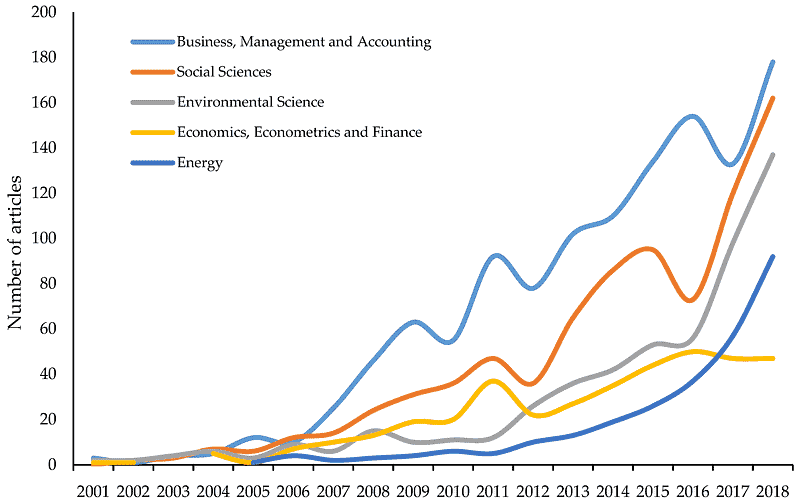
Externalities and SDGs: A Tangible Impact
- Pollution and Health (SDG 3): Air pollution from industrial activities contributes to respiratory illnesses, cardiovascular diseases, and premature deaths, hindering progress towards healthier lives and well-being.
- Resource Depletion and Poverty Reduction (SDG 1): Overfishing depletes fish stocks, jeopardizing the livelihoods of fishing communities and hindering poverty reduction efforts.
- Deforestation and Climate Action (SDG 13): Unsustainable logging practices contribute to deforestation, leading to increased greenhouse gas emissions and hindering progress towards mitigating climate change.
Companies Leading the Way: Aligning CSR with SDGs
- Ørsted (Denmark): Transitioned from fossil fuels to become a global leader in offshore wind energy, contributing to SDG 7 (Affordable and Clean Energy) and SDG 13 (Climate Action).
- Patagonia (USA): Committed to environmental responsibility, using recycled materials, advocating for sustainability, and donating 1% of sales to environmental activism, aligning with SDG 12 (Responsible Consumption and Production).
- Nestlé (Switzerland): Implemented water stewardship programs, reducing water usage and improving water quality in water-stressed regions, contributing to SDG 6 (Clean Water and Sanitation).
Policy Approaches in Action: Effectiveness and Challenges
- Carbon Pricing Schemes: The European Union Emissions Trading System has successfully reduced greenhouse gas emissions within the EU, but concerns remain about carbon leakage and distributional impacts (SDG 13).
- Mandatory Social Audits: The Bangladesh Accord on Fire and Building Safety improved working conditions in garment factories, but challenges remain in ensuring long-term sustainability and broader application (SDG 8: Decent Work and Economic Growth).
Further Considerations:
- The effectiveness of any policy or initiative depends heavily on its specific design, implementation, and context.
- Measuring the impact of CSR practices and policy interventions can be complex, requiring robust data and methodologies.
- Collaboration and knowledge sharing between stakeholders are crucial for continuous improvement and adaptation.
These case studies provide a glimpse into the complex interplay between externalities, CSR, and the SDGs. By understanding the challenges and opportunities, we can leverage the power of policy, business practices, and individual actions to create a more sustainable future for all. Remember, this is just a starting point, and further research and analysis are encouraged to explore specific contexts and delve deeper into the nuances of various case studies and policy approaches.
Debates and Research Gaps in CSR and SDGs — While the potential of CSR to contribute to sustainable development is widely acknowledged, several key debates and research gaps remain, demanding our attention.
Scope and Enforceability of CSR Regulations:
- Debate: Should CSR be voluntary or mandatory?
- Arguments:
- Voluntary approach: Proponents argue for flexibility and innovation, avoiding stifling economic growth.
- Mandatory approach: Supporters advocate for stronger enforcement and standardized practices to ensure broader impact.
- Research gap: Assessing the effectiveness of different regulatory approaches in different contexts is crucial.
CSR and SDGs: Measuring Impact and Identifying Gaps:
- Debate: How effectively does CSR contribute to achieving the SDGs?
- Challenges:
- Difficulty in attributing specific outcomes to CSR initiatives.
- Lack of standardized metrics for measuring impact across various SDGs.
- Research gap: Developing robust measurement frameworks and methodologies to assess the true contribution of CSR to specific SDGs.
Greenwashing and Accountability: Addressing Concerns about Transparency:
- Debate: How can we ensure genuine sustainability efforts and avoid greenwashing?
- Concerns:
- Misleading marketing claims that overstate environmental or social benefits.
- Lack of transparency and independent verification of CSR initiatives.
- Research gap: Investigating effective mechanisms for promoting transparency, accountability, and stakeholder engagement in CSR practices.
Additional Key Debates and Research Gaps:
- Role of small and medium-sized enterprises (SMEs) in CSR and sustainability: How can we encourage and support SMEs to adopt sustainable practices?
- Balancing economic, social, and environmental considerations: How can we ensure CSR initiatives address all three dimensions of sustainability effectively?
- Global versus local approaches to CSR: How can we develop coherent frameworks that consider both global and local contexts?
Addressing these debates and research gaps is crucial for maximizing the positive impact of CSR and achieving the SDGs. By fostering open dialogue, conducting rigorous research, and implementing robust policies, we can navigate the murky waters and chart a course towards a more sustainable future for all.
Recommendations and Future Directions: Shaping a Sustainable Tomorrow —
Policy Recommendations:
- Hybrid approach to CSR: Implement a combination of voluntary and mandatory measures, targeting specific sectors and externalities with appropriate regulations while allowing flexibility for innovation in other areas.
- Performance-based incentives: Design policies that reward companies for demonstrably positive impacts on SDGs, using tax breaks, subsidies, or preferential access to public markets.
- Strengthening enforcement: Increase transparency and accountability by requiring mandatory sustainability reporting, conducting independent audits, and imposing meaningful penalties for non-compliance.
- Global harmonization: Promote international cooperation and harmonization of CSR standards and regulations to avoid uneven playing fields and ensure global impact.
Technology and Innovation:
- Clean technologies: Invest in research and development of clean technologies like renewable energy, sustainable materials, and resource-efficient production processes.
- Digital solutions: Leverage data analytics, blockchain technology, and artificial intelligence (AI) for transparent supply chain management, impact measurement, and stakeholder engagement.
- Sustainability platforms: Develop platforms that connect businesses with investors, communities, and NGOs, fostering collaboration and knowledge sharing on sustainable practices.
Future of CSR:
- Shifting from compliance to leadership: Move beyond minimum compliance to proactive leadership, embedding sustainability into core business strategies and operations.
- Stakeholder-centric approach: Prioritize stakeholder engagement, incorporating the needs and perspectives of employees, communities, and investors into decision-making.
- Metrics and impact measurement: Develop robust, standardized metrics and frameworks to measure the true impact of CSR on SDGs and ensure transparency and accountability.
- Purpose-driven businesses: Foster a culture of purpose, where businesses are driven by a desire to create positive social and environmental impact alongside financial returns.
By implementing these recommendations, harnessing the power of technology and innovation, and embracing a future-oriented perspective, we can create a landscape where responsible corporate behavior is not just an expectation, but a driving force for achieving the SDGs and building a more sustainable future for all. Remember, this is an ongoing journey, and continuous adaptation, collaboration, and innovation will be key to unlocking the full potential of CSR and securing a thriving future for generations to come.
Conclusion — The intricate interplay between externalities, corporate social responsibility (CSR), and the Sustainable Development Goals (SDGs) presents both challenges and opportunities in our quest for a more sustainable future. By understanding the impact of externalities, both negative and positive, and the potential of CSR to mitigate them and contribute to achieving the SDGs, we can chart a course towards a more responsible and sustainable future for all.
This exploration has highlighted several key points:
- Policy plays a crucial role: A carefully designed mix of regulations, incentives, and market-based instruments can encourage responsible corporate behavior, mitigate externalities, and drive progress towards the SDGs.
- CSR is not a silver bullet: While voluntary initiatives have their place, mandatory measures and robust enforcement mechanisms are essential to ensure widespread impact.
- Transparency and accountability are key: Combating greenwashing and ensuring genuine commitment to sustainability require clear reporting standards, independent audits, and stakeholder engagement.
- Technology and innovation are powerful tools: Embracing clean technologies, digital solutions, and data-driven approaches can accelerate progress towards sustainable development.
- The journey is continuous: Collaboration, adaptation, and continuous improvement are essential to navigating the evolving landscape and maximizing the positive impact of CSR on the SDGs.
Ultimately, achieving a sustainable future necessitates a collective effort. Businesses, governments, and individuals must come together, guided by a shared vision and fueled by innovation, to bridge the gap between externalities, CSR, and the SDGs. By harnessing the power of policy, fostering responsible business practices, and embracing a future-oriented perspective, we can create a world where positive externalities outweigh the negative, and the SDGs become a reality for all.
Thanks.
 Pratik Ghansham Salvi Assistant Professor of Economics | Banking & Finance | IMF Finance & Development Contributor
Leave a comment