From last 2–3 decades China’s economic growth has been tremendous and thier position in the international trade is rising. China exported essential commodities such as rice, wheat, pulses to manufactured goods and raw materials to almost all the countries of the world. And due to this vast expansion China is in a position of trade superpower.
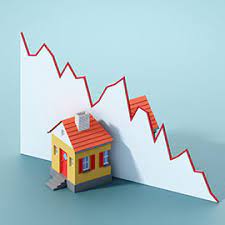
However from last few months China’s GDP is declining and their stock market is also crased and we hear one word commonly in news, magzines and newspaper “China’s Property Sector Slowdown”.
China’s once-booming property sector is facing a crisis of epic proportions. Debt-laden developers, plummeting prices, and a hesitant consumer base are painting a picture of a market in freefall. But the tremors from this earthquake aren’t confined to China’s borders. The world’s second-largest economy plays a critical role in the global supply chain, and a slowdown in its housing market has the potential to trigger a domino effect. This article explain into the intricate web connecting China’s property woes and the looming threat of deflation in the world economy. And I will explain how the crisis could impact global commodity prices, disrupt international trade, and dampen consumer spending across the globe. Then also analyze the potential for a domino effect, where China’s deflationary pressures spill over to other major economies. Finally, we need to examine what steps China’s government and international institutions can take to mitigate the risks and prevent a full-blown global deflationary spiral.
In this article I will be discussing about the China’s property sector crisis and its impact on world economy. How it puts deflationary pressure on developing and developed economies? What are its long term implications? Moreover, it is important to understand the diffrent consequesnces that these factors responsible for the China’s property sector crisis.
China’s Property Crisis: A Perfect Storm in the Housing Market - China’s once red-hot property market, a major driver of economic growth, is facing a period of turbulence. This crisis, unfolding since 2020, is a complex web of factors threatening to unravel years of skyrocketing property values. Let’s delve deeper into the causes, the impact on industry giants, and the potential financial domino effect.
The Root of the Crisis: A Trifecta of Troubles
Excessive Debt: Fueled by years of easy credit, major developers embarked on ambitious construction projects. They borrowed heavily, often relying on short-term loans and risky financing instruments. This created a mountain of debt, making them vulnerable to even minor slowdowns in the market.
Government Regulations: A Shift in Policy Concerned about runaway property prices and excessive speculation, the Chinese government implemented a series of policy changes. These included restrictions on borrowing by developers, known as the “Three Red Lines” policy. This aimed to curb leverage and promote a more sustainable housing market. However, the sudden tightening of credit flow hampered developers’ ability to refinance existing debt and fund ongoing projects.
Oversupply: A Glut of Empty Homes Years of rapid construction, fueled by the expectation of ever-increasing property values, led to a significant oversupply of apartments, particularly in smaller cities. This glut saturated the market, dampened demand for new properties, and put downward pressure on prices, further squeezing developer profits.
Impact on Developers and the Construction Industry: A Crumbling Facade
The property crisis has sent shockwaves through the industry. Major developers, burdened by massive debt and facing declining sales, are struggling to stay afloat. Some, like the previously high-flying Evergrande Group, face bankruptcy threats. Stalled construction projects have become a familiar sight, leading to worker layoffs and a slowdown in the entire construction industry. This, in turn, affects related sectors like steel, cement, and building materials, creating a ripple effect throughout the economy.
Defaults and Financial Fallout: A Looming Threat
The potential for major defaults on loans hangs heavy over the crisis. If developers are unable to meet their debt obligations, it could trigger a domino effect within China’s financial system. Banks and other financial institutions heavily exposed to the real estate sector could face significant losses, impacting overall financial stability. Additionally, a collapse in property prices could erode household wealth, further dampening consumer spending and hindering economic growth.
The Road Ahead: Uncertainties and Potential Solutions
The Chinese government is taking steps to prevent a full-blown financial meltdown. These include easing some credit restrictions for qualified developers and supporting the completion of unfinished projects to maintain stability. However, navigating this crisis and achieving a soft landing will require careful balancing acts to prevent a sharp decline in property values while ensuring financial stability. The future of China’s property market remains uncertain, with potential ramifications for the global economy.
Deflationary Pressures: A Descent into Downturn - Deflation is a sustained decline in the general level of prices for goods and services. While it may sound appealing initially, with cheaper goods, it carries significant dangers for the global economy. Here’s why:
Reduced Spending: When prices fall consistently, consumers tend to postpone purchases, anticipating even lower prices in the future. This leads to a decline in overall demand, creating a vicious cycle where businesses see lower sales, leading to further price reductions.
Investment Chill: Businesses become hesitant to invest in new projects or expand existing ones due to declining prices and uncertain future profits. This stagnation in investment stifles economic growth.
Debt Burden: Deflation makes existing debt more expensive to pay off, as the value of money increases. This can lead to defaults on loans, financial stress for businesses and households, and a further dampening of economic activity.
China’s Property Crisis: Fueling the Deflationary Fire
China’s property crisis can exacerbate these deflationary pressures in several ways:
Reduced Demand for Raw Materials: The slowdown in construction due to the property crisis leads to a significant drop in demand for raw materials like steel, concrete, and other building supplies. This, in turn, pushes down the prices of these commodities globally, contributing to overall deflation.
Weakened Consumer Spending: As major developers struggle and the construction industry slows down, it leads to job losses and lower wages in China. This weakens the purchasing power of Chinese consumers, a major force in the global economy. Reduced spending on imported goods has a ripple effect, dampening global demand and potentially triggering deflationary pressures worldwide.
Supply Chain Disruptions: A significant slowdown in Chinese manufacturing, often connected to the construction sector, can disrupt global supply chains. This can lead to shortages of certain goods and services, pushing prices up in some sectors while overall demand remains weak, creating a stagflationary environment (combination of inflation and economic stagnation).
The Global Impact: A Butterfly Effect
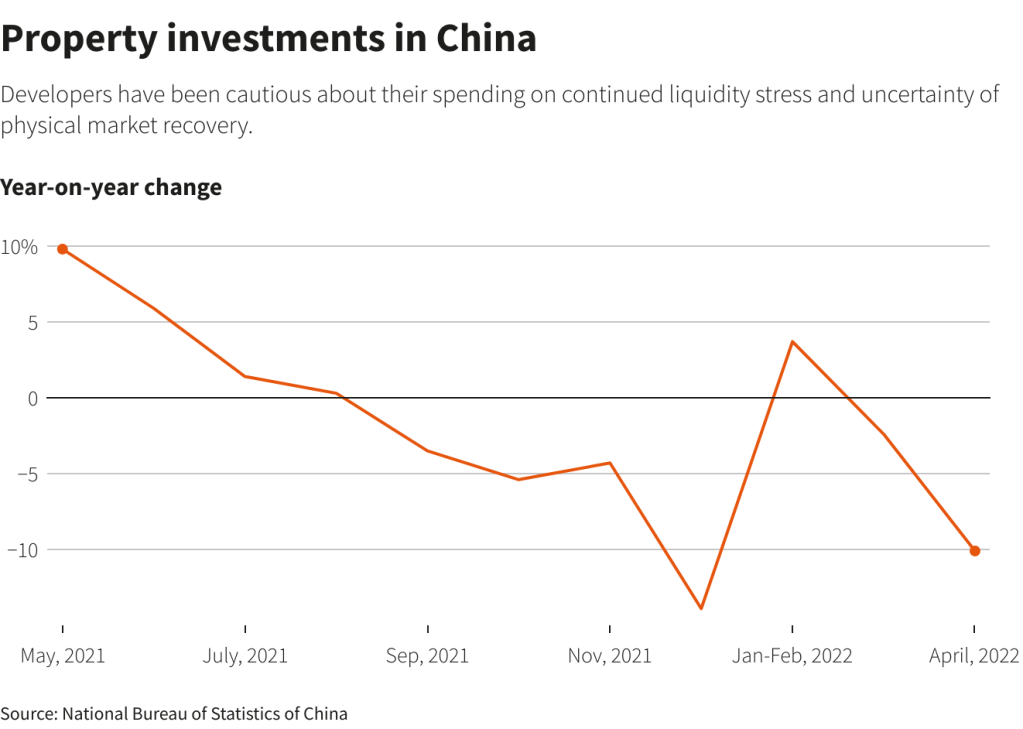
While China’s economy is sizeable, it’s deeply integrated with the global system. A deflationary spiral in China can have a domino effect on other countries through reduced demand for exports, declining commodity prices, and potential supply chain disruptions. This highlights the interconnectedness of the global economy and the potential for a localized crisis to morph into a broader challenge.
Deflationary Pressures Spreading from China - China’s economic woes, particularly the potential for deflationary pressures stemming from the property crisis, can trigger a domino effect impacting economies worldwide. Here’s a closer look at how this might unfold:
Reduced Demand for Exports: A Shrinking Market
China’s massive consumer base and booming construction sector have been a major driver of global trade. However, with a property market slowdown, demand for imported goods will likely decline. This will disproportionately affect economies heavily reliant on exports to China, particularly those specializing in raw materials, construction equipment, and luxury goods.
Resource-Rich Economies: Countries heavily reliant on exporting commodities like iron ore, copper, and timber to China’s construction sector will face a significant drop in demand. This will lead to lower export revenues, potentially triggering budget deficits and weakening their currencies.
Manufacturing Hubs: Nations with a large manufacturing base feeding the Chinese market, like Vietnam or South Korea, could see order cancellations and production slowdowns. This translates to job losses, reduced investment, and potential deflationary pressures within those economies.
Luxury Goods Exporters: China’s wealthy consumers are a major market for luxury goods. A decline in their purchasing power due to the property crisis would hurt economies like France and Italy, heavily reliant on luxury exports.
Deflationary Spirals: A Contagious Downturn
The ripple effect doesn’t stop at reduced exports. Countries with significant trade ties to China could become susceptible to their own deflationary spirals:
Transmission Through Trade: When Chinese import demand falls, it puts downward pressure on export prices for other countries. This can lead to a deflationary cycle where lower export prices translate to lower domestic prices, further dampening demand within those economies.
Currency Devaluation: As economies struggle with declining exports and potential job losses, their currencies might weaken. This can make imports cheaper but also make it more expensive to service foreign debt, further straining their financial systems.
Global Financial Contagion: Deflationary pressures in major economies can lead to financial market instability and reduced risk appetite. This, in turn, can trigger capital flight from emerging markets, further hindering economic growth and potentially leading to currency crises.
The potential domino effect of deflation originating from China highlights the interconnectedness of the global economy. Central banks and governments worldwide will need to closely monitor the situation and be prepared to implement stimulus measures to counter deflationary pressures. Collaboration and coordinated action will be crucial to prevent a global economic downturn and ensure a more stable and balanced recovery from the current challenges.
Mitigating the Risks: A Balancing Act for China’s Property Crisis - The Chinese government faces a complex challenge in mitigating the risks stemming from the property crisis. They need to navigate the situation carefully to prevent a financial meltdown while also addressing longer-term issues in the housing market. Here’s a look at some potential actions they could take:
Government Interventions:
Targeted Stimulus Packages: Investing in infrastructure projects like transportation networks and renewable energy can create jobs, stimulate the economy, and potentially offset the slowdown in the construction sector. Additionally, targeted stimulus packages for other sectors less affected by the property crisis can bolster overall economic activity and consumer spending.
Conditional Support for Developers: The government could provide financial support to struggling developers, but with strict conditions attached. This could involve debt restructuring plans, requirements to focus on completing unfinished projects, and measures to improve corporate governance and reduce leverage in the long term.
Boosting Consumer Confidence: Measures to promote consumer confidence are crucial. This might include tax cuts for middle-income earners, encouraging banks to offer more consumer loans at lower interest rates, and policies that stabilize property prices and make homeownership more accessible.
International Cooperation:
International Monetary Fund (IMF): The IMF can play a vital role in supporting global stability. They can provide financial assistance and policy advice to countries facing economic difficulties due to the spillovers from China’s property crisis. Additionally, the IMF can act as a forum for international cooperation, encouraging coordinated action by central banks and governments to address potential deflationary pressures.
Global Financial Institutions: Collaboration between international financial institutions can foster a more stable global financial environment. This might involve measures to ensure adequate liquidity in the financial system, encourage responsible lending practices, and prevent a global credit crunch.
The Path Forward: The Chinese government’s actions will be crucial in determining the severity and duration of the property crisis. Balancing the need for short-term stability with long-term reforms in the housing market will be a delicate act. Additionally, international cooperation and support will be essential in mitigating the potential for a global deflationary spiral. By working together, China and the international community can navigate this challenging period and build a more resilient and sustainable global economic future.
Conclusion - China’s property sector crisis is a significant challenge with the potential to ripple outwards, impacting the global economy. Deflationary pressures, reduced demand for exports, and potential supply chain disruptions are some of the concerning domino effects.
However, the situation is not without hope. The Chinese government can take targeted actions to mitigate the crisis, including infrastructure stimulus, conditional support for developers, and measures to boost consumer confidence. Additionally, international cooperation through institutions like the IMF can help maintain global financial stability.
The future trajectory of the crisis remains uncertain. China’s ability to navigate this complex situation and implement effective measures will be crucial in determining the severity and duration of the economic impact. While the potential for a global deflationary spiral exists, coordinated efforts by China and the international community can foster a more resilient and balanced global economic recovery.
Thanks.
 Pratik Ghansham Salvi Assistant Professor of Economics | Banking & Finance | IMF Finance & Development Contributor
Leave a comment