
In the heart of Indian tradition lies Ayurveda, the “science of life.” This ancient medical system, with roots stretching back thousands of years, emphasizes a holistic approach to well-being. Ayurveda focuses on maintaining balance between mind, body, and spirit through personalized diet, herbal remedies, and lifestyle practices. Let’s understand this time-tested system and explore its core principles and practices.
India boasts a rich tapestry of traditional medicine, with Ayurveda taking center stage. This ancient system, literally translating to “science of life,” has been practiced for millennia, focusing on holistic well-being through diet, lifestyle modifications, and herbal remedies. In recent years, Ayurveda has witnessed a remarkable resurgence, blossoming into a multi-billion dollar industry. While this growth is a testament to the enduring appeal of this traditional practice, concerns are emerging about its potential impact on India’s public healthcare system.
This article delves into the complex relationship between Ayurveda and modern medicine in India. We will explore the potential benefits of Ayurveda, including its emphasis on preventative care and natural remedies. However, we will also critically examine the challenges posed by its integration into the healthcare landscape. Issues such as the lack of standardized practices, potential for misinformation, and the strain it may place on public healthcare resources will be thoroughly investigated.
Ultimately, this article aims to spark a thoughtful discussion. Can India harness the potential of Ayurveda to create a more holistic and accessible healthcare system? Or could an overreliance on this traditional approach inadvertently undermine the country’s efforts to provide effective and evidence-based medical care for its citizens? By exploring these questions, we can strive to find a path forward that leverages the strengths of both traditional and modern medicine, fostering a future of optimal health and well-being for all in India.
The Rise of Ayurveda: A Journey from Ancient Practice to Modern Industry —

Ayurveda, meaning “science of life” in Sanskrit, boasts a rich history dating back over 5,000 years, making it the oldest surviving medical system in the world. Its roots intertwine with ancient Hindu philosophies, with its core principles outlined in the Vedas, sacred texts of Hinduism. These principles emphasize the interconnectedness of mind, body, and spirit, aiming to achieve total well-being through a holistic approach.
Core Principles:
- Doshas: Ayurveda identifies three fundamental life forces or “doshas” – Vata, Pitta, and Kapha – governing individual constitutions (Prakriti). Each dosha is associated with specific physical and mental characteristics, and maintaining their balance is crucial for health.
- Panchamahabhutas: The system recognizes five basic elements (Panchamahabhutas) – earth, water, fire, air, and ether – believed to be present in both the body and the universe. Maintaining harmony between these elements is essential for preventing and managing diseases.
- Dietary and Lifestyle Practices: Ayurveda emphasizes the importance of proper diet, yoga, meditation, and detoxification practices in achieving and maintaining health.
Modern Resurgence:
In recent decades, Ayurveda has witnessed a significant resurgence in popularity, evolving from a traditional practice to a multi-billion dollar global industry. Several factors contribute to this rise:
- Growing interest in alternative medicine: Amidst concerns about the side effects of conventional medicines and the rise of chronic health problems, individuals are increasingly seeking alternative and complementary healthcare options. Ayurveda, with its emphasis on holistic well-being and natural remedies, appeals to this growing segment.
- Increased awareness and accessibility: Globalization and the internet have facilitated the spread of information about Ayurveda, making it more accessible to a wider audience. This includes educational resources, online consultations with Ayurvedic practitioners, and readily available Ayurvedic products like herbal supplements and personal care products.
Focus on wellness: The modern world’s emphasis on preventive healthcare and holistic well-being aligns well with the core principles of Ayurveda. The system’s focus on stress management, natural remedies, and personalized treatment plans resonates with individuals seeking a proactive approach to their health.
It is important to note that while Ayurveda offers a rich history and a holistic approach to well-being, some of its practices lack strong scientific validation. It is crucial to consult qualified practitioners and approach it responsibly, avoiding self-treatment or unrealistic expectations. Additionally, ethical concerns exist regarding the sustainability of certain herbal ingredients and potential environmental damage caused by unregulated practices.
Overall, Ayurveda’s rise reflects a growing interest in alternative and holistic approaches to health. However, responsible integration with modern scientific understanding and ethical practices are crucial for ensuring its sustainable growth and positive impact on individuals and the environment.
Potential Benefits of Ayurveda for Individual Wellness —

Ayurveda, with its emphasis on holistic well-being and natural approaches, offers several potential benefits for individuals seeking to improve their health and well-being. Here are some key areas where Ayurveda may hold promise:
Emphasis on Preventative Care and Holistic Well-being:
- Early intervention: Ayurveda prioritizes preventative care, aiming to identify imbalances and address them before they manifest as diseases. This proactive approach may help individuals maintain good health and reduce the risk of developing chronic conditions.
- Holistic perspective: Unlike conventional medicine which often focuses on treating specific diseases, Ayurveda takes a holistic approach, considering the mind, body, and spirit as interconnected aspects of health. This comprehensive approach may address the root causes of health issues and promote overall well-being.
- Lifestyle modifications: Ayurveda emphasizes the importance of healthy lifestyle practices such as proper diet, regular exercise, adequate sleep, and stress management. These lifestyle changes are essential for preventing diseases and promoting long-term health.
Use of Natural Remedies and Focus on Lifestyle Modifications:
- Natural remedies: Ayurveda utilizes natural remedies like herbs, spices, and dietary modifications to address health concerns. This approach aligns with the growing interest in natural and alternative healthcare solutions, offering individuals a potentially less invasive approach to health management.
- Focus on lifestyle modifications: Instead of solely relying on medications, Ayurveda encourages lifestyle changes like yoga, meditation, and breathing exercises to promote overall well-being. These practices can help manage stress, improve sleep quality, and enhance mental clarity, contributing to a healthier lifestyle.
Potential for Managing Chronic Conditions:
- Complementary therapy: While not a replacement for conventional medicine, Ayurveda can serve as a complementary therapy for individuals managing chronic conditions. Studies suggest potential benefits for managing conditions like arthritis, anxiety, and high blood pressure, although more research is needed.
- Symptom management: Ayurvedic practices like herbal remedies and massage therapies may offer symptom relief for certain chronic conditions, potentially improving quality of life and well-being in conjunction with conventional treatment plans.
- Personalized approach: Ayurveda emphasizes personalized treatment plans based on individual constitutions and needs. This individualized approach may be beneficial for managing chronic conditions, especially for individuals who haven’t found complete relief with conventional treatments.
It is crucial to note that while Ayurveda offers potential benefits, it is essential to approach it with caution and understanding:
- Limited scientific evidence: While some Ayurvedic practices have shown promising results in research, many lack strong scientific proof of their effectiveness.
- Potential for side effects: Herbal remedies and other treatments may have side effects or interact with conventional medications. Consulting a qualified healthcare professional is essential before incorporating any Ayurvedic practices into your routine.
- Need for qualified practitioners: Seeking guidance from qualified and experienced Ayurvedic practitioners is vital to ensure safe and effective treatment.
Overall, while the potential benefits of Ayurveda are promising, it is crucial to approach it with informed caution and responsible integration with conventional healthcare practices. Consulting with healthcare professionals and conducting thorough research can help individuals make informed decisions about incorporating Ayurveda into their personal well-being journey.
Challenges to Public Healthcare: The Rise of Ayurveda —
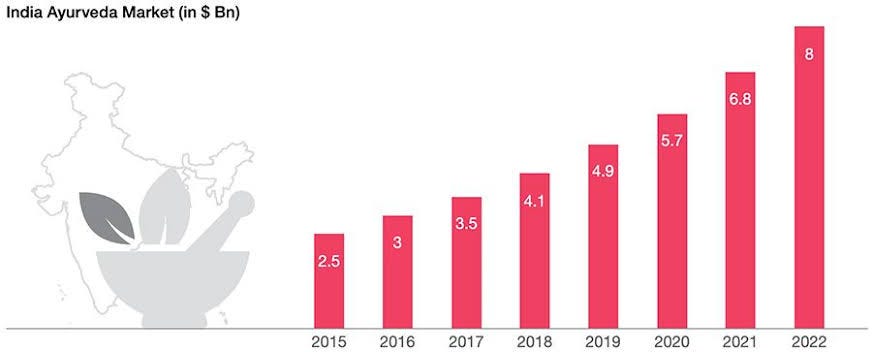
The booming Ayurveda industry, while offering opportunities for well-being, also presents potential challenges to public healthcare systems. Here are some key concerns:
Lack of Standardized Practices and Potential for Misinformation:
- Unethical practices: The rapid growth of the industry has led to concerns about unethical practices such as exaggerated claims, substandard product quality, and the exploitation of vulnerable populations.
- Lack of standardization: There are limited regulations and standardization across practitioners, educational institutions, and products, leading to inconsistencies in quality and potential for misinformation.
- Misinformation: Unreliable information readily available online and through unregulated practitioners can mislead the public, potentially leading to harmful consequences if individuals delay seeking necessary medical care.
Potential for Overreliance on Unproven Treatments:
- Limited scientific evidence: While some Ayurvedic practices hold potential, the scientific validation for many remains limited. This can lead to individuals relying solely on unproven treatments, potentially delaying necessary conventional medical interventions and impacting health outcomes.
- Difficult integration: Integrating unproven Ayurvedic practices with conventional healthcare can be challenging due to the lack of robust scientific evidence and potential interactions with conventional medications.
- Risk of delaying diagnoses: Reliance on unproven treatments may lead to delays in seeking proper diagnosis and treatment for serious health conditions, potentially worsening outcomes.
Straining of Public Healthcare Resources:
- Prioritization of Ayurveda: If individuals prioritize unproven Ayurvedic treatments over conventional medicine, it could strain public healthcare resources as they might neglect necessary preventive screenings, vaccinations, and timely medical interventions for critical illnesses.
- Misuse of public resources: Individuals resorting to both conventional and unproven alternative treatments could lead to an increase in healthcare costs, potentially putting a strain on already stretched public healthcare resources.
- Limited awareness within public healthcare: Lack of awareness or inadequate training among conventional healthcare professionals regarding safe and effective integration of Ayurveda could create challenges in collaborating with patients who choose alternative approaches.
It is crucial to acknowledge that these are potential risks, and not every individual experience in the realm of Ayurveda will fall into these categories. However, it is essential to address these concerns and promote responsible integration of Ayurveda with conventional healthcare to ensure individuals have access to safe and effective healthcare options while minimizing potential risks.
Open communication, collaborative research, and ethical practices are crucial for navigating the challenges and harnessing the potential of Ayurveda. This requires collaboration between traditional practitioners, scientists, and healthcare professionals to:
- Establish clear standards and regulations: Standardizing practices, ensuring ethical production and marketing of products, and promoting evidence-based medicine can safeguard public health and consumer rights.
- Bridge the knowledge gap: Encouraging dialogue and fostering collaboration between practitioners of both Ayurveda and conventional medicine can promote informed decision-making and a more holistic approach to healthcare.
- Promote responsible integration: Integrating effective Ayurvedic practices with conventional medicine, based on strong scientific evidence, can offer a comprehensive and personalized approach to well-being while minimizing potential risks.
By addressing these challenges and promoting responsible practices, we can ensure that individuals have access to safe and effective healthcare options, while leveraging the potential benefits of Ayurveda to contribute to a more comprehensive and holistic healthcare landscape.
Finding Balance: Integrating Ayurveda into Healthcare Responsibly — The rise of Ayurveda presents both opportunities and challenges for public healthcare. To navigate this landscape effectively, several potential solutions and strategies can be explored:
Strengthening Regulations and Promoting Research:
- Standardization and regulation: Implementing stricter regulations for practitioners, educational institutions, and products can ensure quality control, prevent unethical practices, and address concerns about misinformation.
- Scientific research: Encouraging and funding rigorous scientific research on the efficacy and safety of various Ayurvedic practices can provide the evidence base necessary for responsible integration with conventional medicine.
- Independent research bodies: Establishing independent research bodies dedicated to evaluating Ayurvedic practices can ensure unbiased and objective evaluation of its potential benefits and risks.
Integrating Evidence-Based Ayurvedic Practices:
- Evidence-based integration: Integrating safe and effective Ayurvedic practices with proven benefits into the public healthcare system, based on robust scientific evidence, can offer patients a more comprehensive and personalized approach to well-being.
- Collaboration between practitioners: Fostering collaboration between qualified Ayurvedic practitioners and conventional healthcare professionals can facilitate the safe and effective integration of these practices.
- Developing clinical guidelines: Developing evidence-based clinical guidelines for the application of safe and effective Ayurvedic practices within the healthcare system can ensure consistent and appropriate use.
Educating the Public on Appropriate Use:
- Public awareness campaigns: Launching public awareness campaigns can educate individuals about the potential benefits and limitations of Ayurveda, emphasizing the importance of consulting qualified practitioners and seeking professional medical advice for serious health concerns.
- Collaborative education: Developing educational resources in collaboration with qualified Ayurvedic practitioners and healthcare professionals can provide individuals with accurate and reliable information about Ayurveda.
- Empowering informed decision-making: Empowering the public to make informed decisions about their healthcare by promoting critical thinking, responsible research, and open communication with healthcare professionals.
Addressing Ethical Concerns:
- Ethical sourcing and sustainability: Promoting ethical sourcing practices and ensuring the sustainability of herbal ingredients used in Ayurveda is crucial to protect biodiversity and prevent environmental damage.
- Transparency and patient safety: Emphasizing transparency about potential risks and interactions with conventional medication is critical to ensure patient safety and informed consent.
- Combating misinformation: Actively addressing and combating misinformation through reliable educational resources and collaboration with qualified practitioners is essential.
Conclusion — India’s booming wellness industry, with Ayurveda at its forefront, presents a fascinating paradox. It offers immense potential for promoting well-being and economic growth, yet also poses potential challenges to public healthcare systems. The key lies in striking a balance. By strengthening regulations, promoting scientific research, integrating evidence-based practices, and educating the public, India can harness the power of Ayurveda responsibly. This collaborative approach can ensure that this multi-billion dollar industry fosters not just economic prosperity, but also a future of comprehensive and accessible well-being for all its citizens.
Thanks.
 Pratik Ghansham Salvi Assistant Professor of Economics | Banking & Finance | IMF Finance & Development Contributor
Leave a comment