Is Hyperglobalization the New Enemy of Equal Economic Progress?
The past few decades have witnessed an unprecedented level of interconnectedness between nations, driven by advancements in technology, communication, and trade. This phenomenon, often termed hyperglobalization, has brought undeniable benefits, facilitating the exchange of goods, ideas, and cultures on a global scale. However, concerns have emerged regarding its impact on equal economic progress, raising the question: Is hyperglobalization the new enemy of a level playing field in the global economy?
This article delves into this complex debate, exploring the potential downsides of hyperglobalization and its impact on economic equality. We will examine arguments suggesting that hyperglobalization can exacerbate existing inequalities, hinder development in certain regions, and empower corporations at the expense of local communities. Additionally, we will explore alternative perspectives that highlight the potential benefits of hyperglobalization, including fostering economic growth, job creation, and technological advancements. Through a balanced analysis, this article aims to provide a comprehensive understanding of the multifaceted relationship between hyperglobalization and economic equality, leaving the reader to ponder the future trajectory of this critical discourse.
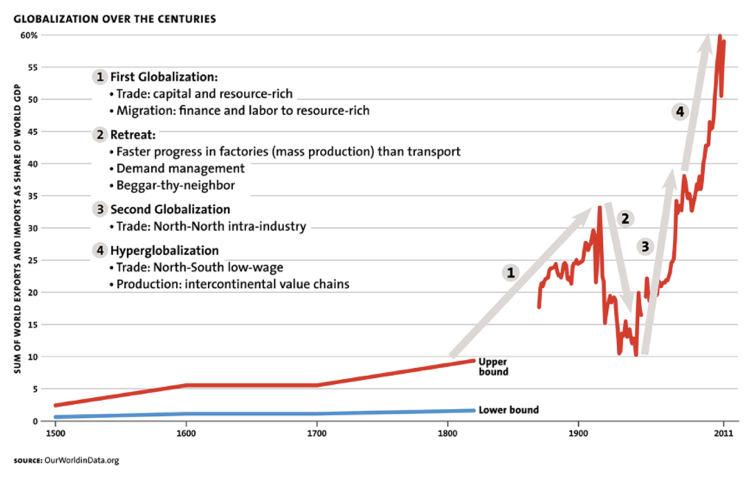
In order to understand the Hyperglobalisation we need to properly understand diffrent phases of globalisation. There are various ways to understand the different phases of globalization, with some scholars dividing them broadly and others focusing on specific historical events. Here are two common perspectives:
1. Broad Phases:
This perspective identifies three main phases of globalization, each characterized by distinct features:
- Early Globalization (Pre-Modern): This phase, spanning from ancient times to roughly the 18th century, involved limited but significant interaction through trade routes like the Silk Road. Exploration and colonization by European powers further connected different parts of the world.
- Modern Globalization (18th century — Present): This phase is marked by a significant increase in global interconnectedness, driven by factors like the Industrial Revolution, advancements in transportation and communication technologies, and the rise of multinational corporations.
- Digital Globalization (Present — Onward): This emerging phase is characterized by the growing importance of information and communication technologies (ICTs) in facilitating global trade, communication, and cultural exchange. The internet and mobile technologies play a crucial role in breaking down barriers and fostering closer global connections.
2. Phases Based on Trade and Economic Structures:
This perspective focuses on the evolution of global trade and economic structures, dividing globalization into three stages:
- Stage 1: North-South Divide (Early 20th Century): This stage is characterized by a dominant role of developed nations (the “North”) in global trade and investment, with developing nations (the “South”) primarily serving as producers of raw materials and cheap labor.
- Stage 2: Convergence and Interdependence (Mid-20th Century — Present): This stage witnesses a gradual convergence between developed and developing economies, with some developing nations emerging as significant players in global trade and manufacturing. Increased interdependence and regionalization become prominent features.
- Stage 3: Uncertain Future (Present — Onward): This stage represents an uncertain future for globalization, marked by challenges like rising protectionism, technological disruptions, and concerns about inequality. The direction and nature of future globalization remain open to debate.
It’s important to remember that these are just two ways to conceptualize the different phases of globalization. The specific characteristics and timelines associated with each phase can vary depending on the chosen framework.
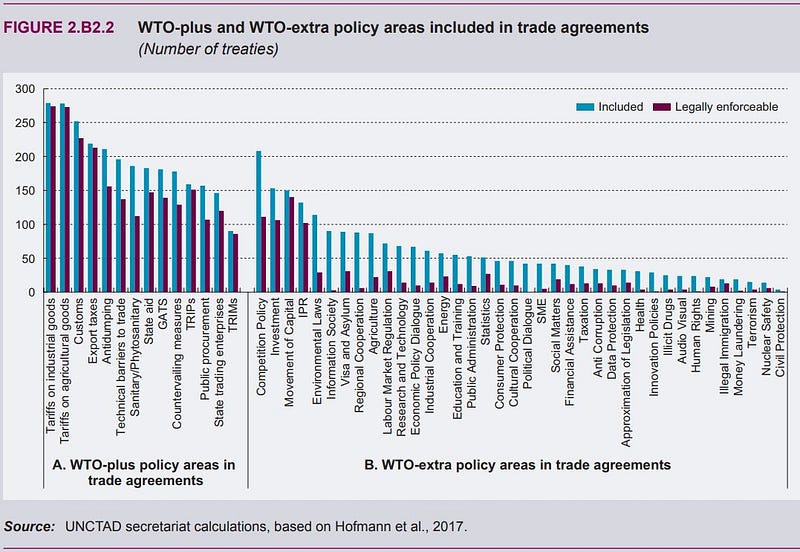
Arguments Against Hyperglobalization: A Deep Dive — While hyperglobalization boasts economic benefits like increased efficiency and wider access to goods and services, it also faces criticism for its potential downsides. Here’s a detailed look at some of the key arguments against hyperglobalization:
1. Unequal Distribution of Benefits:
- Developed Nations and Large Corporations as Beneficiaries: As discussed earlier, hyperglobalization can create an uneven playing field, favoring:
- Lower production costs: Companies can shift production to countries with lower wages and weaker regulations, leading to increased profits.
- Access to new markets: Developed nations often gain greater access to new markets created by trade agreements, further consolidating their economic power.
- Dominant position: Large corporations can leverage their economies of scale and brand recognition to dominate markets in developing countries, stifling local competition.
- Developing Nations and Smaller Businesses at a Disadvantage: This creates challenges for developing nations and smaller businesses:
- Job losses: As production shifts to cheaper locations, workers in developed nations can lose their jobs, leading to unemployment, wage stagnation, and economic hardship.
- Exploitation of labor: In some cases, hyperglobalization can lead to the exploitation of cheap labor in developing countries, with workers facing unsafe working conditions and low wages.
- Struggle to compete: Smaller businesses in developing countries may struggle to compete with the established players from developed nations, hindering their growth and innovation.
2. Job Losses in Developed Economies:
- Offshoring and Automation: Hyperglobalization facilitates the movement of jobs to countries with lower labor costs, a phenomenon known as offshoring. Additionally, automation replaces human labor in various sectors, further contributing to job losses in developed economies.
- Economic Hardship and Social Unrest: Job losses can lead to a decline in living standards, economic hardship, and social unrest. This can have a cascading effect, impacting communities and families.
3. Devaluation of Labor:
- Cost Reduction Pressure: In a hyper-competitive global market, companies face immense pressure to reduce costs. This can lead to:
- Wage Depression: Companies may seek lower wages in developing countries, putting downward pressure on wages even in developed nations.
- Weakened Worker Rights: To remain competitive, companies may seek to operate in countries with weaker labor regulations, potentially undermining worker rights and protections.
4. Environmental Concerns:
- Increased Resource Consumption: Hyperglobalization often leads to increased global trade and production, which can have a significant environmental impact:
- Resource depletion: Increased demand for resources like raw materials and energy can lead to their depletion, raising concerns about sustainability.
- Pollution: Production processes and transportation associated with global trade can contribute to air, water, and soil pollution, particularly in developing countries with weaker environmental regulations.
- Climate change: Emissions from global trade and production contribute to climate change, posing a major threat to the planet’s ecosystem and future generations.
5. Cultural Homogenization:
- Spread of Dominant Cultures: Hyperglobalization facilitates the spread of ideas, values, and products associated with dominant cultures, particularly those from developed nations, through:
- Media: The global media landscape can be dominated by content from specific regions, potentially overshadowing and marginalizing local cultures.
- Consumerism: The spread of Western consumerist values can threaten the diversity and identity of local cultures, potentially leading to a homogenization of cultural expressions.
It’s crucial to remember that these arguments are multifaceted and often interconnected. While hyperglobalization offers undeniable benefits, it’s essential to acknowledge and address its potential downsides to ensure a more equitable and sustainable future for all.
Arguments For Hyperglobalization: Exploring the Potential Benefits — While concerns regarding the potential downsides of hyperglobalization are valid, it’s crucial to acknowledge the compelling arguments in its favor. Here’s a detailed exploration of some key arguments for hyperglobalization:
1. Economic Growth:
- Free Trade and Competition: Hyperglobalization promotes free trade, which allows countries to specialize in producing goods and services they are most efficient at, leading to:
- Increased Efficiency: Specialization allows for economies of scale, leading to lower production costs and ultimately, lower prices for consumers.
- Greater Variety: Consumers gain access to a wider variety of goods and services at competitive prices.
- Global Market Expansion: Businesses can access new markets and tap into a larger pool of consumers, fostering economic growth.
- Technology and Knowledge Transfer: Hyperglobalization facilitates the transfer of technology and knowledge across borders. This can empower developing nations to:
- Adopt advanced technologies: This can improve their production capabilities, leading to increased efficiency and competitiveness in the global market.
- Develop their human capital: Collaboration with developed nations can provide training and knowledge exchange, leading to a skilled workforce.
- Reduce poverty: By fostering economic growth and creating new opportunities, hyperglobalization can contribute to poverty reduction in developing countries.
2. Job Creation:
- Shifting Job Landscape: While some jobs may be lost in specific sectors due to offshoring, hyperglobalization can also create new jobs in other sectors:
- Services: As economies shift towards a service-based model, new jobs emerge in areas like finance, healthcare, and technology.
- Logistics and Transportation: The increased flow of goods across borders requires an expanded logistics and transportation network, creating job opportunities.
- Entrepreneurship: Hyperglobalization can create new opportunities for entrepreneurs and small businesses in developing countries to cater to the global market.
3. Improved Efficiency and Innovation:
- Global Competition: Hyperglobalization creates a highly competitive global marketplace that incentivizes companies to:
- Increase Efficiency: Companies constantly seek ways to reduce costs and improve efficiency to remain competitive in the global market.
- Innovate: This competitive environment fosters innovation as companies strive to develop new products, technologies, and production methods.
- Improve Quality: Consumers benefit from continuous improvements in product quality and service standards as companies compete for their business.
4. Increased Global Cooperation:
- Shared Challenges: Hyperglobalization can foster increased global cooperation on issues that transcend national borders, such as:
- Climate Change: Addressing climate change requires collective action from all nations. Hyperglobalization can facilitate the exchange of knowledge, technology, and resources to mitigate climate change.
- Poverty and Development: Developed nations can collaborate with developing nations to address poverty and promote sustainable development.
- Pandemics: Global cooperation is crucial for rapid response and effective management of pandemics like COVID-19. Hyperglobalization can facilitate information sharing, research collaboration, and coordinated efforts to combat such threats.
It’s important to acknowledge that the arguments for hyperglobalization are not without limitations. Careful consideration and mitigation strategies are necessary to address potential challenges and ensure that the benefits of hyperglobalization are distributed equitably. As with any complex issue, a balanced approach is crucial to maximize the positive aspects of hyperglobalization while minimizing its potential downsides.
The Multifaceted Impact of Hyperglobalization: A Balancing Act — Hyperglobalization, characterized by the intensification of worldwide interconnectedness in trade, finance, and culture, has had a significant and multifaceted impact on the world. Its effects, however, are not uniform and vary greatly depending on several factors:
1. Context Matters:
- Level of Development: Developed nations with established infrastructure and technological advantages may be better positioned to navigate the challenges and capitalize on the opportunities presented by hyperglobalization. Developing nations, on the other hand, may face greater challenges in terms of competing in the global market and managing the potential negative consequences.
- Economic Policies: A nation’s economic policies significantly influence its experience with hyperglobalization. Open and deregulated economies may see greater benefits in terms of trade and investment, while protectionist policies can hinder those advantages.
- Industry Composition: The nature of a country’s industries also plays a role. Economies heavily reliant on manufacturing might face job losses due to offshoring, while those focused on services or knowledge-based sectors may see increased opportunities.
2. A Spectrum of Effects:
Hyperglobalization’s impact can be both positive and negative, depending on the context:
Positive Impacts:
- Economic Growth: Free trade and increased competition can stimulate economic growth by promoting efficiency, innovation, and access to a wider market.
- Job Creation: While some jobs may be lost in specific sectors, new opportunities can emerge in areas like services, logistics, and technology.
- Improved Living Standards: Increased access to goods and services at competitive prices can lead to improved living standards for consumers.
- Knowledge and Technology Transfer: Hyperglobalization facilitates the exchange of knowledge and technology across borders, empowering developing nations to improve their production capabilities and reduce poverty.
Negative Impacts:
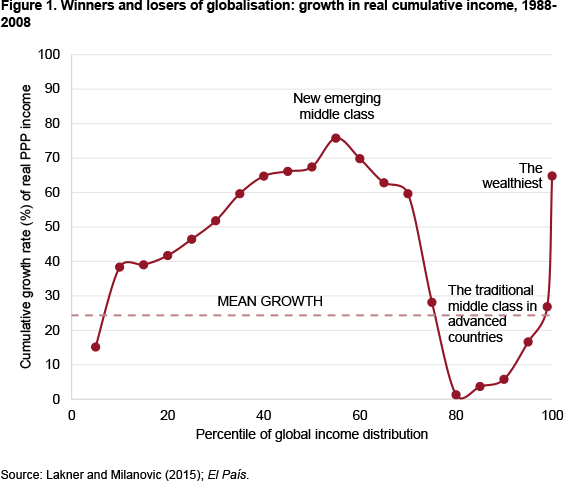
- Unequal Distribution of Benefits: Developed nations and large corporations often reap the majority of the benefits, while developing nations and smaller businesses struggle to compete, potentially exacerbating existing inequalities.
- Job Losses in Developed Economies: Offshoring of production to countries with lower labor costs can lead to job losses in developed economies, causing economic hardship and social unrest.
- Devaluation of Labor: The pressure to reduce costs can lead to exploitation of cheap labor in developing countries, undermining worker rights and environmental regulations.
- Environmental Concerns: Increased trade and production can contribute to environmental degradation through resource depletion, pollution, and greenhouse gas emissions.
- Cultural Homogenization: The dominance of certain cultures in media and consumerism can threaten the diversity and identity of local cultures.
3. Finding the Balance:
To ensure sustainable and equitable economic development, it’s crucial to find the right balance between reaping the benefits of hyperglobalization while mitigating its potential downsides. This can be achieved through:
- International cooperation: Establishing fair trade agreements, promoting responsible business practices, and addressing global challenges like climate change collectively.
- National policies: Implementing policies that support domestic industries, invest in education and training, and protect worker rights and the environment.
- Focus on innovation and diversification: Encouraging innovation and diversification of economies to reduce reliance on specific sectors and remain competitive in the global market.
The hyperglobalization is a complex phenomenon with multifaceted impacts. While it presents opportunities for economic growth, improved living standards, and global cooperation, it also raises concerns about inequality, job losses, and environmental degradation. By acknowledging its complexities and adopting a balanced approach, we can harness the positive aspects of hyperglobalization while working to mitigate its potential negative consequences.
Conclusion — Hyperglobalization, with its promises of economic growth and interconnectedness, presents a complex challenge in the pursuit of equal economic progress. While it offers potential benefits like increased efficiency, innovation, and access to new markets, concerns regarding unequal distribution of gains, job losses in developed economies, and environmental degradation cannot be ignored.
Finding the right balance is crucial. International cooperation, coupled with national policies that prioritize sustainable development and equitable distribution of benefits, is essential. By fostering innovation and diversification of economies, nations can navigate the complexities of hyperglobalization and ensure that its benefits reach all corners of the world, paving the way for a more inclusive and sustainable future for all.
Ultimately, the question of whether hyperglobalization is the “new enemy” of equal economic progress is not a simple one. It depends on our collective ability to harness its potential for good while mitigating its potential downsides. Through informed policy choices, responsible business practices, and a commitment to global cooperation, we can ensure that hyperglobalization becomes a force for shared prosperity and equitable progress for all the countries.
Thanks.
 Pratik Ghansham Salvi Assistant Professor of Economics | Banking & Finance | IMF Finance & Development Contributor
Leave a comment