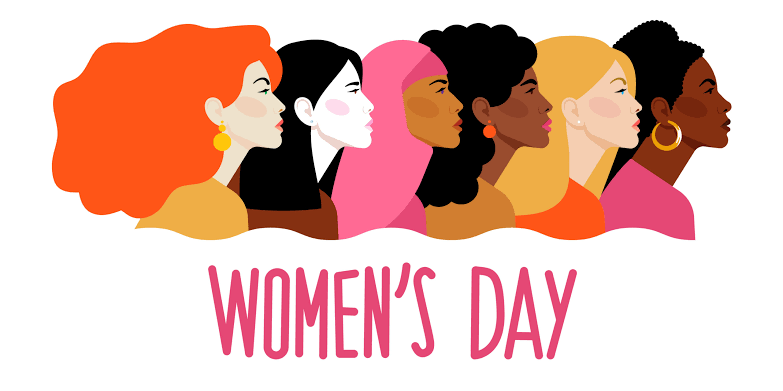
Every year on 8th March we celebrate International Women’s Day for the achievements of women in different sectors. Moreover we all spread awareness regarding women empowerment and gender equality as well. However there are certain personalities in every country or more particularly in world and their work is important for Women’s Empowerment and well being and creating more equal society and environment.
In this article I will be discussing important achievements by the women’s in India in various sectors. And along with it, I will be discussing important work done by certain personalities in India such as Mahatma Phule, Savitribai Phule, Maulana Abdul Kalam Azad and Dr. Babasaheb Ambedkar, etc.
India boasts a rich history brimming with the remarkable achievements of its people. While Women’s Day serves as a dedicated moment to celebrate the contributions of women to society, understanding the ongoing fight for equality requires acknowledging the efforts of both women and men who championed this cause. This article delves into the lives and work of three such figures: Savitribai Phule, Maulana Azad, and Dr. Babasaheb Ambedkar.
Savitribai Phule, a pioneering social reformer, stands as a towering figure in Indian history. Her unwavering dedication to women’s education and upliftment shattered the barriers of a deeply patriarchal society. Maulana Azad, a scholar, freedom fighter, and the first education minister of independent India, championed the cause of education for all, irrespective of gender or religion. Dr. B.R. Ambedkar, the architect of the Indian Constitution and a relentless advocate for social justice, fought tirelessly for the rights of Dalits and untouchables, including women.
By examining the work of these three individuals, we gain a deeper understanding of the multifaceted struggle for women’s rights and social equality in India. This article explores their unique contributions, highlighting how their combined efforts paved the way for a more just and equitable society.
The Significance of International Women’s Day: Celebrating Achievements and Pushing for Progress — International Women’s Day (IWD), celebrated annually on March 8th, holds immense significance as a global platform for recognizing women’s achievements and advocating for gender equality. Its roots trace back to the early 20th century, emerging from the labor movements in North America and Europe. Fueled by the fight for women’s suffrage, IWD became a focal point for discussions on critical issues like working conditions and voting rights.
Celebrating Achievements:
- A Day of Recognition: IWD is a day dedicated to celebrating the immense contributions women make across social, economic, cultural, and political spheres. From scientific breakthroughs and artistic creations to leadership in business and activism, women’s achievements deserve recognition, and IWD provides a global stage for this.
Inspiring the Next Generation: By showcasing the accomplishments of women throughout history and around the world, IWD serves as a source of inspiration for young girls and women. It demonstrates the vast potential they hold and encourages them to pursue their dreams and ambitions.
Pushing for Progress:
- Highlighting Gender Inequality: IWD is not just about celebrating past achievements; it’s a call to action for addressing ongoing gender disparities. The day brings to light issues like the gender pay gap, access to education, and violence against women.
- Advocacy and Change: IWD serves as a platform for advocacy groups, NGOs, and individuals to raise their voices and demand change. It fosters collaboration and collective action towards achieving gender equality, a goal that benefits everyone in society.
- A Day with Lasting Impact: While IWD is a single day, its impact is far-reaching. It sparks conversations, ignites movements, and holds governments and organizations accountable for progress on gender equality. It’s a day of celebration, reflection, and most importantly, a catalyst for a more just and equitable future.
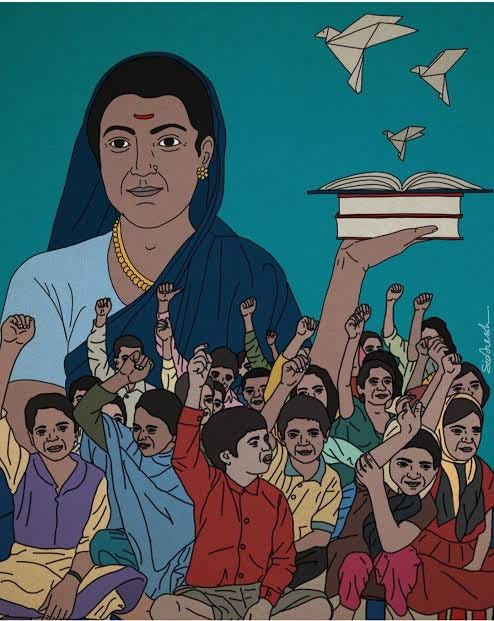
Savitribai Phule: Championing Women’s Education in 19th Century India — Savitribai Phule stands as a towering figure in India’s social reform movement, particularly in the fight for women’s education. Born in 1831 into a low-caste family, she witnessed firsthand the social injustices faced by women, especially the lack of access to education. This ignited a lifelong passion in her to break down these barriers and empower women through knowledge.
Challenges Faced by Savitribai Phule:
The path Savitribai Phule chose was fraught with challenges. 19th century India was a deeply patriarchal society where education was largely reserved for upper-caste men. The very idea of educating girls was considered radical and even sinful. She faced strong opposition from conservative sections of society, including her own family.
- Societal Norms: Educated women were seen as defying tradition and a threat to the established social order. Savitribai and her husband, Jyotiba Phule, who was a fellow reformer, were ostracized and even faced physical harassment for their efforts.
- Caste System: The rigid caste system further restricted educational opportunities, particularly for girls from lower castes like Savitribai herself. This added another layer of difficulty to her mission.
Significance of Her Work:
Despite these immense challenges, Savitribai Phule persevered. Here’s how her work made a lasting impact:
- First School for Girls: In 1848, with Jyotirao Phule by her side, Savitribai opened the first school for girls in India in Pune. This act of defiance challenged the status quo and paved the way for more girls’ schools to be established.
- Symbol of Change: Savitrabai Phule became a symbol of change, inspiring other women to fight for educational opportunities. Her courage and conviction ignited a movement for women’s empowerment that continues to this day.
- Long-Term Impact: The seeds sown by Savitribai Phule’s work have blossomed into a vast network of educational institutions for girls in India. Her legacy is a testament to the power of education to break down social barriers and create a more just society.
Savitribai Phule’s fight for women’s education transcended the boundaries of her time. It was a revolutionary step that continues to empower women and shape a more equitable India.
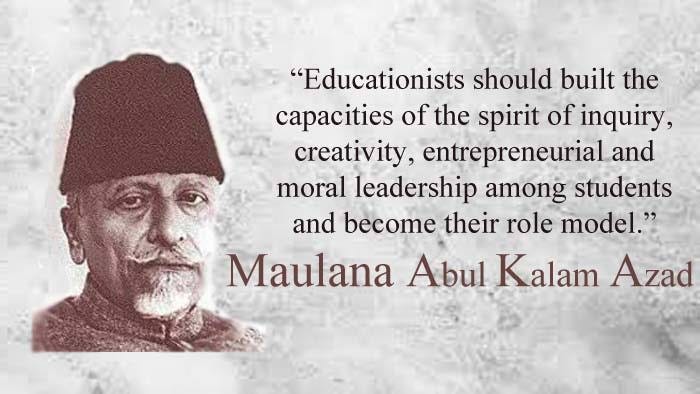
Maulana Azad: Championing Education for All in Independent India — Maulana Abul Kalam Azad was a multifaceted figure who left an indelible mark on Indian history. A renowned scholar, a passionate freedom fighter, and independent India’s first Minister of Education, Azad held a firm belief in the transformative power of education.
Vision for Education:
Azad’s vision for education went beyond mere literacy. He envisioned it as the cornerstone for India’s progress and social equality. He believed that education could:
- Empower the Masses: An educated citizenry could contribute meaningfully to nation-building. Education, in his view, fostered critical thinking skills and a sense of civic responsibility, essential for a healthy democracy.
- Bridge Societal Divides: Education could act as a bridge between different communities and social classes. By promoting inclusivity in education, he aimed to create a more cohesive and unified India.
- Foster Scientific Temper: Azad believed that scientific advancements were crucial for India’s development. He emphasized the importance of integrating science and technology into the education system to cultivate a spirit of innovation and progress.
- Policies for Educational Equity: Azad translated his vision into action through various policies that promoted education for all
- Focus on Universal Education: He championed the goal of universal education, ensuring access to quality education for all children, regardless of gender or religion. This included a focus on girls’ education, a critical area that had been neglected in pre-independent India.
- Establishment of Educational Institutions: Under Azad’s leadership, the government established numerous educational institutions, including universities, colleges, and technical schools. This increased access to higher education for students from diverse backgrounds.
Promotion of Secular Education: Azad advocated for a secular education system that would promote tolerance and understanding between different religious communities. He believed that education should equip students with the knowledge and skills to navigate a pluralistic society.
Lasting Legacy:
Maulana Azad’s contribution to Indian education is undeniable. His policies laid the foundation for the country’s vast educational infrastructure that we see today. His commitment to education for all continues to inspire efforts to create a more just and equitable society in India.
Dr. B.R. Ambedkar: Architect of the Indian Constitution and Champion for Social Justice
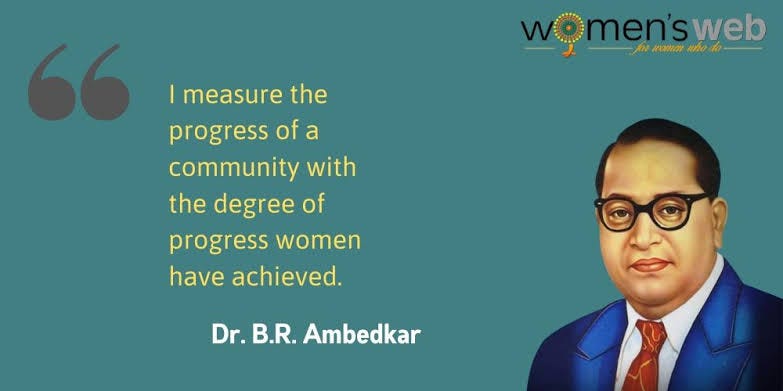
Dr. B.R. Ambedkar was a towering figure in Indian history, known for his multifaceted contributions. He was a brilliant scholar, a prolific writer, a social reformer, and the architect of the Indian Constitution. But above all, he was a relentless champion for social justice, particularly for the upliftment of Dalits (formerly untouchables) and all marginalized communities including all women’s in India.
Fighting the Caste System:
Born into a Dalit family in 1891, Ambedkar experienced firsthand the horrors of the caste system. Dalits faced social exclusion, economic deprivation, and untouchability, a practice that relegated them to the fringes of society. Ambedkar dedicated his life to dismantling this unjust system.
Advocacy and Education: He vehemently critiqued the caste system, calling it a social evil. He advocated for education as a tool for empowerment, urging Dalits to break free from the shackles of ignorance and poverty.
Mass Movements: Ambedkar wasn’t just a scholar; he was a man of action. He organized mass movements, protests, and conferences to raise awareness about caste discrimination and demand equal rights.
Upliftment of Dalits and Women in all sections of the Society —
Ambedkar’s vision for social justice extended beyond just Dalit men. He recognized the specific challenges faced by Dalit women, who were doubly marginalized by caste and gender. Here’s how he fought for their upliftment:
Advocating for Education: He emphasized the importance of education for Dalit girls, believing it was crucial for breaking the cycle of poverty and discrimination.
Fighting for Rights: Ambedkar campaigned for legal reforms to ensure equal rights for Dalit women in areas like inheritance, property ownership, and access to education.
Contributions to the Indian Constitution: As the chairman of the drafting committee for the Indian Constitution, Ambedkar played a pivotal role in shaping the document that would guide independent India. He ensured:
Fundamental Rights: The Constitution enshrined fundamental rights like equality, non-discrimination, and untouchability as abolished, guaranteeing equal rights for all citizens regardless of caste, religion, or gender.
Reservations: The Constitution incorporated a system of reservations in education and government jobs for Dalits and other disadvantaged communities to provide them with a level playing field and ensure their representation in institutions of power.
Lasting Legacy:
Dr. B.R. Ambedkar’s fight for social justice continues to inspire movements for equality in India today. His legacy lies not just in the Constitution but also in the unwavering spirit of resistance against social oppression. He is a symbol of hope for millions who continue to fight for a just and equitable society.
Celebrating HERstory: The Legacy Continues
International Women’s Day is a day of celebration, but it’s also a reminder that the fight for women’s rights in India is ongoing. Issues like gender pay disparity, violence against women, and unequal access to education persist. However, amidst these challenges, let us not lose sight of the incredible progress made and the power of celebrating HERstory.
Celebrating HERstory:
Throughout history, countless women have broken barriers and paved the way for a brighter future. By remembering the courage of Savitribai Phule, the vision of Maulana Azad, and the unwavering spirit of Dr. B.R. Ambedkar, we draw inspiration for our own journeys. By celebrating the achievements of women in science, business, politics, arts, and everyday life, we not only honor their contributions but also send a powerful message to future generations.
A Hopeful Future:
India boasts a rich tapestry of women leaders, changemakers, and innovators. International Women’s Day serves as a springboard to propel continued progress. Let us use this day to recommit ourselves to supporting girls’ education, advocating for equal rights, and dismantling the structures that perpetuate gender inequality.
By celebrating HERstory and amplifying the voices of women, we create a powerful force for change. The future of women’s empowerment in India is bright. With continued dedication and collective action, we can build a society where all women, regardless of background, can thrive and reach their full potential. Let us celebrate HERstory not just today, but every day, and work towards a future where every woman’s voice is heard, respected, and celebrated.
Conclusion — International Women’s Day 2024 has shone a light on the remarkable achievements of women, both past and present. We are reminded of the pioneering spirit of Savitribai Phule, who ignited the fight for girls’ education. We acknowledge the visionary leadership of Maulana Azad, who championed education for all. And we recognize the unwavering commitment of Dr. B.R. Ambedkar to social justice, a cornerstone for true equality.
Their legacies serve as a powerful testament to the transformative power of women’s voices and actions. As we celebrate HERstory, let us also acknowledge the ongoing fight for gender equality in India. By working together, advocating for change, and celebrating the achievements of women, we can build a brighter future where all women can thrive. Let this International Women’s Day be a springboard for continued progress, inspiring generations to come.
Thanks.
 Pratik Ghansham Salvi Assistant Professor of Economics | Banking & Finance | IMF Finance & Development Contributor
Leave a comment