How Crony Capitalism is the Biggest Enemy of Equality and Economic Efficiency?
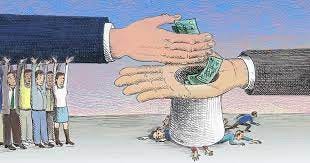
The dream of every individual in the society and a level playing field, where hard work and talent are the keys to success, is a cornerstone of a healthy economy. However, this ideal is often hampered by the insidious forces of crony capitalism. This system, where corporations and wealthy individuals forge alliances with government officials to secure advantages and stifle competition, acts as a major barrier to both economic equality and efficiency. In this article I will be discussing about the diffrent aspects of the crony capitalism and its impact on the principle of equity in production, distribution and allocation of the economic resources.
We will begin by unpacking the concept of crony capitalism, exposing its mechanisms and how it diverts resources away from productive endeavors. We will then explore the devastating impact this system has on income inequality, demonstrating how it concentrates wealth in the hands of a privileged few while leaving the majority struggling to get by. Furthermore, we will analyze how crony capitalism distorts the allocation of resources, hindering productive and technological advancements that could benefit society as a whole. By examining the detrimental effects on allocative, distributive, and productive efficiency, we will paint a clear picture of how crony capitalism cripples economic dynamism.
This article is not merely a critique; it also aspires to illuminate solutions. We will explore potential effects to crony capitalism, such as strengthening regulatory frameworks and promoting transparency in government dealings. Ultimately, the goal is to advocate for a system that rewards merit and innovation, fostering a more just and prosperous society for all.
Crony Capitalism: A System Gamed by the Insiders — Crony capitalism is a distortion of a healthy market economy where businesses gain advantage not through innovation and efficiency, but through cozy relationships with government officials. It’s a system rigged in favor of the “cronies” — those with the political connections to influence policy and regulations for personal gain.
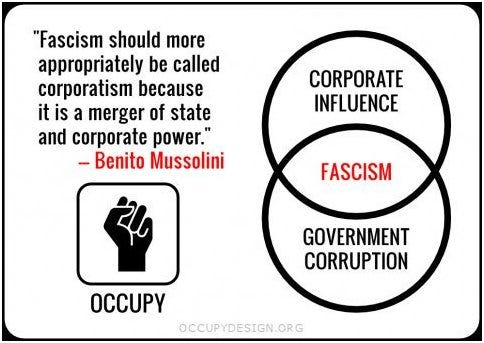
Here’s a key components of crony capitalism and its mechanisms:
Defining Crony Capitalism:
- Favoritism over Merit: In a healthy market, competition drives innovation and efficiency. Businesses succeed based on the quality of their products and services. Crony capitalism throws this out the window. Politically connected businesses gain an unfair edge through government intervention, regardless of their actual performance.
- Public Policy for Private Gain: Laws and regulations are supposed to create a fair playing field. In crony capitalism, these are manipulated to benefit specific companies or industries, often at the expense of consumers and taxpayers.
Mechanisms of Crony Capitalism:
Several tactics help businesses and government officials form their mutually beneficial partnerships:
- Lobbying: Businesses hire lobbyists to wine and dine lawmakers, pushing for legislation or regulations that favor their interests. This can involve campaign contributions, creating a cycle where politicians rely on corporate money to get elected, and businesses expect favors in return.
- Campaign Contributions: Large donations to political campaigns can create a sense of obligation. Politicians might feel pressure to enact policies that benefit their donors, even if it hurts the broader economy.
- Revolving Door: When government officials leave their posts, they often end up working for the very industries they once regulated. This creates a conflict of interest, as these officials might tailor regulations to favor their future employers.
- Lax Regulations: Crony capitalism can lead to relaxed regulations that benefit established companies but create barriers for new entrants. For example, a company might lobby for stricter licensing requirements that are expensive and time-consuming to obtain, making it harder for new competitors to enter the market.
Barriers to Entry and Stifled Competition:
These tactics create a system stacked against newcomers:
- High Costs: Lobbying and campaign contributions can be expensive, putting new businesses at a disadvantage.
- Navigating the Maze: Regulatory hurdles become more complex due to special exemptions or loopholes for established players.
- Lack of Access: New businesses might struggle to get a fair hearing with government agencies due to the entrenched relationships of established companies.
The Outcome:
Crony capitalism stifles innovation and economic growth. Here’s how:
- Less Competition: Consumers end up with fewer choices and potentially higher prices as established companies face less competition.
- Misallocation of Resources: Resources flow to companies based on political connections rather than efficiency or innovation.
- Public Distrust: When the system seems rigged, it erodes public trust in both businesses and government.
A crony capitalism is a recipe for a stagnant economy and growing inequality. It’s a system where connections trump competition, ultimately hurting consumers and hindering economic progress.
Crony Capitalism: Fueling the Fire of Inequality — Crony capitalism isn’t just bad for economic growth — it’s a major contributor to rising income inequality. Here’s how it widens the gap between the rich and the poor:
Evidence of Widening Gap:
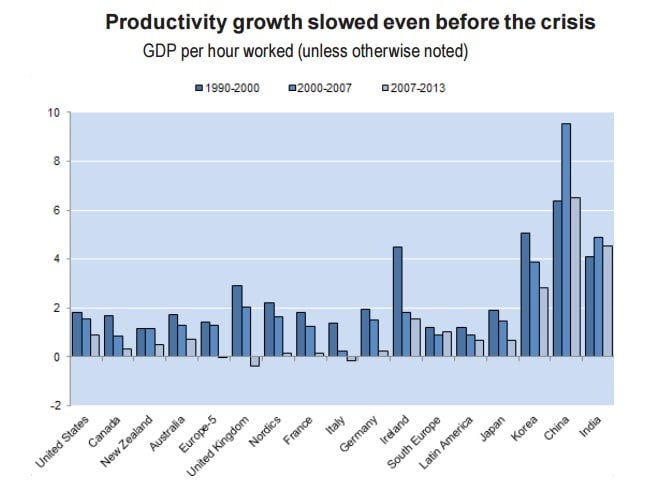
- Studies by organizations like the International Monetary Fund (IMF) have shown a clear correlation between crony capitalism and higher levels of income inequality.
- Examples abound: Countries with high levels of crony capitalism often have a small group of wealthy individuals controlling a large share of the nation’s wealth, while the middle class shrinks and poverty rates rise.
Mechanisms of Increased Inequality:
- Higher Prices: When government grants special favors to certain businesses, it can lead to less competition in the market. This allows companies to raise prices for consumers, reducing the purchasing power of ordinary people. For example, if a company lobbies for import restrictions on a competitor’s product, it can effectively create a monopoly, allowing them to charge higher prices.
- Stagnant Wages: Reduced competition also discourages companies from raising wages to attract and retain talent. This keeps wages stagnant, especially for those without specialized skills. This widens the gap between the wealthy business owners and their employees.
- Tax Breaks for the Wealthy: Crony capitalism often leads to tax breaks and subsidies for well-connected businesses and individuals. While this might benefit the wealthy in the short term, it reduces government revenue needed for social programs that support low-income families, such as education and healthcare. This further disadvantages those struggling to make ends meet.
- Limited Upward Mobility: The system becomes rigged for those already at the top. New businesses struggle to enter the market due to the barriers created by crony capitalism. This stifles innovation and reduces opportunities for people to climb the economic ladder.
Case in Point:
Imagine a government grants a construction company a permit to build a highway without proper environmental checks due to political connections. This company might then cut corners on materials and labor costs, leading to lower quality infrastructure. However, due to the lack of competition, they can still charge high tolls. Consumers end up paying more for a subpar service, while the construction company profits handsomely. The money saved on environmental regulations goes to the company’s bottom line, further enriching the wealthy owners, while the burden of higher tolls falls on everyone who uses the highway.
Crony capitalism effect:
- Reduced purchasing power: Higher prices and stagnant wages leave people with less money to spend, hurting overall economic activity.
- Shrinking middle class: As the rich get richer and the poor struggle to make ends meet, the middle class shrinks, leaving fewer people with the resources to invest in their children’s education or start businesses — further perpetuating the cycle.
- Social unrest: Growing inequality can lead to social unrest and political instability as people feel the system is rigged against them.
Crony capitalism is a significant obstacle to achieving a more equitable society. It undermines economic growth and opportunity, leaving many behind. Addressing crony capitalism requires strong anti-corruption measures, promoting fair competition, and ensuring that government policies benefit all citizens, not just the privileged few.
Crony Capitalism: A Recipe for Economic Waste — Crony capitalism isn’t just about unfair advantages — it’s a system that distorts economic efficiency in several ways, ultimately hindering growth and prosperity. Let’s delve into how it misallocates resources, undermines fair distribution, and discourages innovation:
Allocative Efficiency:
- Wasting Resources: Crony capitalism misallocates resources by directing them towards politically connected businesses, not necessarily the most efficient producers. Imagine a government contract for building bridges goes to a company with political ties, even though another company could build it for less money and higher quality. This wastes valuable resources that could be better utilized elsewhere.
- Lower Quality Goods and Services: When success hinges on political connections rather than efficiency, there’s less incentive to invest in quality control or innovation. This can lead to a decline in the overall quality of goods and services produced.
Distributive Efficiency:
- Concentration of Wealth: Crony capitalism allows a select few businesses and individuals to capture a disproportionate share of the economic pie. This wealth concentration creates an unequal distribution of benefits, leaving many struggling to make ends meet.
- Reduced Social Mobility: As wealth concentrates at the top, opportunities for upward mobility dwindle. This creates a rigid social hierarchy, where those born into poverty have a harder time achieving economic success, hindering overall societal progress.
Productive Efficiency:
- Discouraged Innovation: When success relies on political connections, businesses have less incentive to invest in research and development (R&D). Innovation is stifled as companies focus on lobbying efforts rather than developing better products and services. This can lead to economic stagnation in the long run.
- Duplication of Efforts: Cronyistic policies can lead to the creation of multiple companies in a single sector, all vying for government contracts. This duplication of effort wastes resources that could be better spent on innovation and expansion into new markets.
A Real-World Example:
Imagine a government grants a subsidy to a domestic car manufacturer, despite the existence of more efficient foreign competitors. This might save jobs in the short term, but it also discourages the domestic company from innovating to compete on a global scale. Consumers end up paying more for potentially less fuel-efficient cars, while the overall competitiveness of the domestic car industry suffers.
These distortions create a domino effect:
- Reduced Productivity: When resources are misallocated and innovation is stifled, overall economic productivity suffers. Less is produced with more resources, leading to slower economic growth.
- Higher Prices: When businesses are less efficient, production costs rise. These costs are often passed on to consumers in the form of higher prices, further eroding purchasing power.
- Reduced Investment: In an environment where success is based on political connections, investors are less likely to invest in risky ventures. This reduces overall investment, hindering long-term economic growth.
Crony capitalism undermines economic efficiency by misallocating resources, concentrating wealth, and discouraging innovation. It creates a stagnant economy that benefits the few at the expense of the many. Addressing crony capitalism is crucial for achieving sustainable economic growth and a more equitable society.
Potential Solutions to Crony Capitalism — Crony capitalism isn’t an inevitable fate. Here are some potential solutions to level the playing field and create a fairer, more efficient economic system:
Strengthening Antitrust Laws and Regulations:
- Closing Loopholes: Antitrust laws should be reviewed and updated to address current practices used by businesses to stifle competition. This might involve closing loopholes that allow for mergers and acquisitions that create monopolies or oligopolies.
- Increased Enforcement: Enforcement of antitrust laws needs to be more rigorous. This could involve increased funding for regulatory agencies and stricter penalties for companies caught engaging in anticompetitive practices.
- Focus on Outcomes: Antitrust efforts should focus on the actual impact on competition, not just specific company size. This ensures that even smaller companies with the backing of powerful politicians can be held accountable for anticompetitive behavior.
Campaign Finance Reform:
- Limiting Donations: Limiting the amount of money corporations and individuals can donate to political campaigns can reduce the undue influence of special interests. This could involve setting spending caps or creating a system of public campaign financing.
- Disclosure and Transparency: Increased transparency in campaign financing is crucial. Requiring detailed disclosures of all campaign contributions allows voters to hold politicians accountable for their ties to special interests.
- Focus on “Small Money”: Encouraging small dollar donations from individual citizens can help lessen the influence of wealthy donors and create a more representative political system.
Increased Transparency in Government Dealings:
- Open Data: Governments should adopt open data policies, making information about contracts, permits, and other government dealings readily available to the public. This allows for greater public scrutiny and helps identify potential cronyistic practices.
- Whistleblower Protections: Strong whistleblower protections are essential. This encourages people to report suspected corruption without fear of retaliation. It also allows for investigations into potential cronyism before significant harm is done.
- Independent Oversight: Independent oversight bodies can review government decisions and policies to identify potential conflicts of interest. This can help ensure that government actions are based on merit, not political connections.
Other important Measures:
- Independent Judiciary: A strong and independent judiciary is critical for holding both businesses and politicians accountable for wrongdoing.
- Public Education: Raising public awareness about crony capitalism is essential. This can help build public support for reforms and encourage citizens to hold their elected officials accountable.
Challenges and the Road Ahead:
Implementing these solutions won’t be easy. Powerful interests often benefit from the status quo and will resist change. However, by working towards a more transparent and accountable system, we can create a fairer and more efficient economy that benefits everyone.
Crony capitalism is a complex issue, but it’s not insurmountable. By implementing a combination of the solutions discussed above, we can create a level playing field and unlock the full potential of our economies. This will lead to greater economic growth, increased innovation, and a more equitable distribution of wealth, ultimately benefiting all members of society.
Crony Capitalism in Action: Real-World Examples — Crony capitalism isn’t just a theoretical concept; it’s a problem that plagues many countries around the world. Here are a few real-world examples showcasing its negative effects:
1. The Savings and Loan Crisis in the US (1980s):
- Background: In the 1980s, lax regulations and political influence allowed savings and loan institutions to make risky investments in real estate. These institutions were heavily lobbied for deregulation, and politicians with ties to the industry often turned a blind eye to risky practices.
- Impact: When the real estate market collapsed, hundreds of savings and loan institutions failed. The government had to spend billions of dollars bailing them out, costing taxpayers dearly. This crisis also contributed to a recession and a decline in overall economic growth.
Data Point: The estimated cost of the S&L bailout to US taxpayers is between $125 billion and $500 billion (https://simple.wikipedia.org/wiki/Savings_and_loan_crisis).
2. The Rise of Oligarchs in Russia:
- Background: Following the collapse of the Soviet Union, a small group of individuals with close ties to the government was able to acquire state-owned assets at fire-sale prices. These oligarchs used their political connections to gain preferential treatment, stifle competition, and amass vast fortunes.
- Impact: This concentration of wealth in the hands of a few has led to high levels of income inequality in Russia. It has also weakened democratic institutions and hindered economic diversification.
Data Point: A 2018 report by Credit Suisse indicated that Russia has the highest level of wealth inequality among major economies, with the richest 1% of the population holding over 35% of the country’s wealth (https://www.rferl.org/a/russia-credit-suisse-frozen-russia-funds-sanctions/32267770.html).
3. The Pharmaceutical Industry in the US:
- Background: The pharmaceutical industry spends a significant amount of money on lobbying efforts, advocating for policies that benefit drug companies, such as extending patents and limiting competition from generic drugs.
- Impact: These practices have led to high prescription drug prices in the US, putting a strain on household budgets and limiting access to essential medications.
Data Point: According to the Organisation for Economic Co-operation and Development (OECD), the US spends more on pharmaceuticals per capita than any other developed country (https://data.oecd.org/healthres/health-spending.htm).
4. Infrastructure Projects in Developing Countries:
- Background: In some developing countries, government officials might collude with construction companies to inflate the cost of infrastructure projects. This diverts resources away from other important areas, such as education and healthcare.
- Impact: Cronyism in infrastructure projects hinders economic development and widens the gap between the rich and the poor. Essential infrastructure projects remain incomplete, while those in power enrich themselves.
Data Point: Transparency International’s Corruption Perception Index consistently ranks many developing countries lower on perceived levels of corruption, highlighting the prevalence of cronyism in these regions (https://www.transparency.org/en/cpi/2022).
These are just a few examples, and the problem of crony capitalism manifests differently depending on the context. However, the common thread is the distortion of economic activity for private gain, leading to:
- Reduced competition and innovation
- Higher prices for consumers
- Slower economic growth
- Increased income inequality
By understanding these real-world examples, we can identify the warning signs of crony capitalism and work towards creating a more equitable and efficient economic system.
Conclusion — Crony capitalism isn’t an inevitable force. It’s a system built on manipulation and exploitation, and it crumbles in the face of transparency, accountability, and a collective will for a fairer future. By strengthening regulations, promoting campaign finance reform, and demanding open government dealings, we can dismantle the wall crony capitalism erects between economic potential and shared prosperity.
This isn’t just about economics; it’s about a society where effort is rewarded, innovation thrives, and everyone has a chance to climb the economic ladder. By addressing crony capitalism, we pave the way for a more equitable and efficient future, where hard work, not political connections, is the key to success. The fight for a level playing field is a fight for a brighter future for all.
Thanks.
 Pratik Ghansham Salvi Assistant Professor of Economics | Banking & Finance | IMF Finance & Development Contributor
Leave a comment