Money Markets: A Tool for Inclusive Growth? Exploring the Link Between Stabilization and Equity

The economic stablisation is the policy of government of any country to control certain variables such as controling inflation, promoting inclusive economic growth and development on the principle of equity. And for that efficient money market is necessary condition and hence diffrent empirical data as well as cross sectional data shows that money market is the importrant aspect for promoting economic growth and development.
In this article I will be discussing these are the diffrent things in a deeper analysis. The quest for economic growth has long been a central focus of policymakers. But in recent years, a crucial shift has occurred. The concept of inclusive growth has risen to prominence, recognizing that true prosperity requires shared benefits across all segments of society. In this context, the role of money markets deserves a closer examination. Traditionally viewed as instruments for short-term financial stability, can money markets also contribute to a more equitable distribution of wealth and opportunity?
This article delves into this very question. It explores the intricate relationship between stabilization and equity within the framework of money markets. We will analyze how money markets function, their impact on economic stability, and the potential pathways through which they can influence inclusive growth. The discussion will critically examine whether money markets, by design or through targeted interventions, can be harnessed to promote broader participation and upward mobility in the economy.
Money on the Move — Can Short-Term Markets Drive Long-Term Fairness?Imagine the financial system as a vast network of pipes, carrying money around like water. At the heart of this network lies the money market, a bustling marketplace where short-term loans and investments are traded. Think of it as the spigot controlling the immediate flow of cash. Here, businesses, banks, and even the government can borrow or lend money for periods as short as overnight or as long as a year. These quick transactions are crucial for keeping the entire financial system running smoothly.
The money market acts like a financial shock absorber. Let’s say a company needs a quick cash injection to cover payroll or buy supplies. They can tap into the money market to borrow what they need until their next big sale comes through. This keeps businesses afloat and prevents short-term hiccups from turning into major disruptions. Similarly, banks use the money market to manage their everyday cash flow, ensuring they always have enough on hand to meet customer needs. In this way, the money market promotes stability by keeping interest rates steady and ensuring businesses have access to credit when needed. A well-oiled money market is like a well-maintained water system — it delivers the resources needed for the whole system to function efficiently.
But economic success isn’t just about the big picture anymore. We’re moving beyond simply focusing on how much the economy grows overall. Now, the talk is about inclusive growth. This means everyone gets a slice of the pie, not just the wealthy few. Imagine a thriving economy where everyone has a fair shot at a good job, decent wages, and the chance to build a better life. That’s the goal of inclusive growth.
Here’s the rub, though. There’s a bit of a tug-of-war happening. The money market, with its focus on short-term stability, might not automatically translate into long-term fairness. While keeping things steady is important, it doesn’t necessarily guarantee that everyone benefits equally. The mechanisms that ensure stability might even unintentionally favor those who are already well-off, leaving others struggling to keep up.
This article dives into this very conflict. We’ll explore how the money market works, its impact on stability, and whether it can be tweaked or reshaped to promote broader participation and upward mobility for everyone. Can we use this short-term spigot to achieve long-term fairness? By examining the relationship between economic stability and equitable outcomes, we can work towards a future where everyone benefits from a healthy and growing economy.
Money Markets and Stabilization: Keeping the Economic Engine Running Smoothly — The money market, with its rapid exchange of short-term funds, plays a critical role in maintaining economic stability. This stability acts as the foundation for long-term growth and prosperity. But how exactly does the money market achieve this? Central banks, the institutions that oversee a nation’s financial system, utilize various tools within the money market to manage factors like inflation and economic fluctuations.
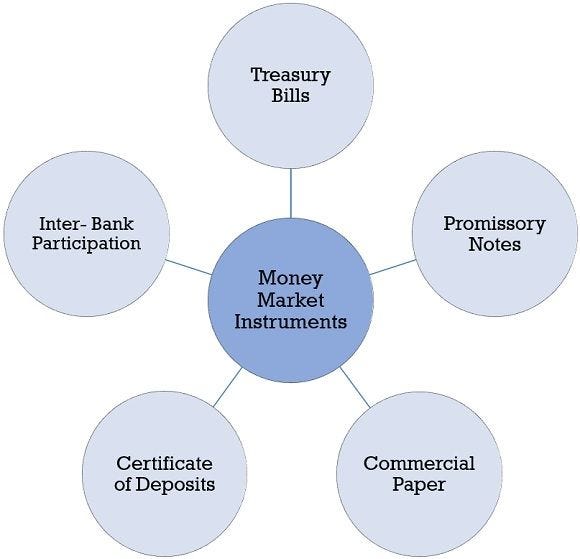
Interest Rates: One of the central bank’s primary tools is the manipulation of interest rates. Imagine interest rates as the price tag on borrowing money. When the central bank raises interest rates, it becomes more expensive for businesses and individuals to borrow money in the money market. This discourages borrowing and encourages saving, ultimately leading to a decrease in the money supply circulating in the economy. This is a crucial tool for combating inflation, the sustained rise in prices of goods and services. By reducing the money supply, inflation is kept in check, preventing a situation where too much money chases too few goods, driving prices up. Conversely, if the economy is sluggish and needs a boost, the central bank can lower interest rates. This makes borrowing cheaper, stimulating investment and spending, which can jumpstart economic growth.
Reserve Requirements: Another key tool is reserve requirements. These are regulations imposed by the central bank on commercial banks, mandating them to hold a specific percentage of their deposits as reserves. By adjusting reserve requirements, the central bank can influence the amount of money available for lending in the money market. Higher reserve requirements force banks to hold onto more cash, reducing the funds available for lending. This, in turn, restricts the money supply and helps control inflation. Conversely, lowering reserve requirements allows banks to lend more freely, increasing the money supply and stimulating economic activity.
The Benefits of Stability: Economic stability achieved through effective money market management fosters a more predictable and favorable environment for businesses and investors. Lower and stable interest rates make it cheaper for businesses to borrow and invest in expansion, creating jobs and boosting innovation. Consumers, too, benefit from stable prices, allowing them to plan their expenses and make informed investment decisions. Overall, economic stability fosters confidence within the financial system, encouraging greater participation and risk-taking, which are essential ingredients for long-term economic growth.
The money market, with its instruments like interest rates and reserve requirements, acts as a control panel for central banks, allowing them to fine-tune the economic engine. By maintaining stability and preventing disruptive fluctuations, the money market lays the groundwork for sustainable economic growth and shared prosperity.
Challenges to Equity — While the money market plays a vital role in economic stability, the road to achieving this stability can sometimes be riddled with potholes of inequality. The very tools used to navigate economic fluctuations might unintentionally leave some segments of society behind. This presents a significant challenge in the pursuit of inclusive growth.
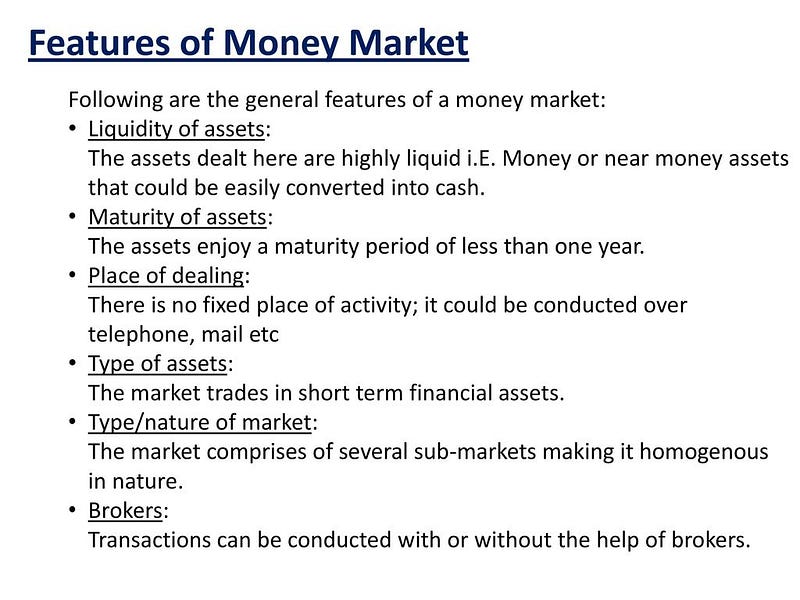
The Interest Rate Squeeze: Let’s take the example of interest rates. When central banks raise interest rates to curb inflation, it can have a disproportionate impact on low-income borrowers. These individuals may rely on credit cards, payday loans, or other forms of high-interest debt to make ends meet. Rising interest rates translate to higher monthly payments, squeezing their already tight budgets and potentially pushing them deeper into debt. This can stifle upward mobility and hinder their ability to participate fully in the economic mainstream.
Small Businesses Get Squeezed Too: The impact of rising interest rates isn’t limited to low-income households. Small businesses, the backbone of many communities, also rely on access to credit for growth and expansion. When interest rates climb, borrowing becomes more expensive, potentially hindering their ability to invest in equipment, inventory, or hiring new employees. This can stifle entrepreneurship and limit job creation, particularly in underserved communities where access to capital is already limited.
Unequal Geography: The benefits of economic stability might not be evenly distributed geographically either. Stabilization policies often focus on national economic indicators, overlooking regional disparities. A policy that might be effective in controlling inflation in major financial centers could have unintended consequences in rural communities. For example, tighter credit markets due to rising interest rates might disproportionately impact small businesses in rural areas, where access to alternative sources of funding is limited. This can exacerbate existing economic inequalities between urban and rural regions.
The path towards economic stability needs to be carefully navigated to ensure it doesn’t widen the gap between the haves and have-nots. Finding ways to mitigate the negative impacts of traditional stabilization policies on vulnerable populations and ensure a more equitable distribution of benefits remains a crucial challenge in achieving inclusive growth.
The Link Between Stabilization and Equity: Building a Stable Foundation for Shared Prosperity — Economic stability, while not a guarantee of equal outcomes, can act as a vital foundation for achieving long-term, equitable growth. A stable economic environment fosters predictability and reduces risk, creating fertile ground for investment and job creation. This, in turn, benefits everyone — not just the wealthy. Here’s how:
Confidence Breeds Opportunity: A stable economic environment breeds confidence within the financial system. Businesses are more likely to invest and expand when they are confident that inflation and interest rates will remain relatively stable. This leads to job creation, higher wages, and a growing economy. As the economic pie expands, there are more opportunities for everyone to participate and share in the prosperity.
Financial Inclusion Takes Root: A stable financial system also facilitates financial inclusion initiatives. This refers to making financial products and services, like savings accounts, loans, and insurance, accessible to everyone, regardless of income or location. When the financial system is stable, banks and other financial institutions are more likely to lend to underserved communities, knowing that their investments are less risky. This can help low-income individuals and small businesses build financial security, access credit for education or starting a business, and ultimately climb the economic ladder.
Tailoring the Tools: The money market itself might hold untapped potential for promoting inclusive growth. Central banks and policymakers could explore ways to tailor money market tools to achieve specific goals related to equity. Imagine targeted lending programs facilitated by the money market, where specific reserves are allocated to encourage banks to offer lower-interest loans to small businesses in underserved communities. This could jumpstart economic activity in these areas and create jobs for those who need them most.
However, achieving this balance requires careful consideration. While targeted interventions can promote specific goals, they should be implemented strategically to avoid distortions in the broader financial system. Additionally, ensuring transparency and accountability is crucial to prevent misuse of these tools.
The economic stability, when coupled with thoughtful policies, can pave the way for inclusive growth. By fostering confidence, enabling financial inclusion, and exploring innovative ways to utilize money market tools, we can move closer to an economy where everyone has a fair shot at achieving prosperity.
The Road Ahead: Building a More Equitable Financial Landscape —
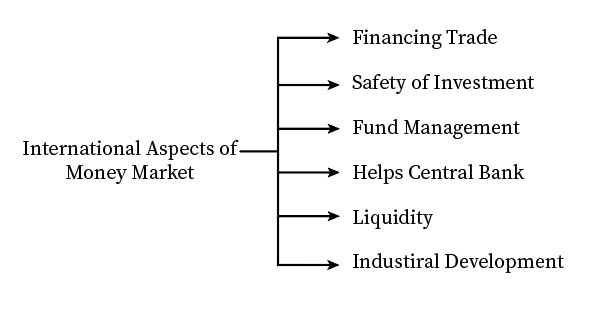
The intricate relationship between money market stabilization and achieving equitable growth demands continuous exploration. While we’ve explored potential pathways, the journey towards a truly inclusive financial system requires ongoing research and policy innovation. Central banks, policymakers, and academic institutions must work together to understand the nuances of how money market tools can be leveraged to achieve both stability and equity. Analyzing the effectiveness of existing policies and exploring new models will be crucial in refining our approach.
Collaboration is Key: This pursuit demands a spirit of collaboration. Policymakers, financial institutions, and community development organizations must come together to bridge the gap between economic theory and real-world application. Financial institutions can leverage their expertise to design innovative financial products and services that cater to underserved communities. Community development organizations, with their deep understanding of local needs, can act as bridges, connecting these communities with the financial system.
A Call to Action: The pursuit of inclusive growth through a well-functioning money market system is not just an economic imperative, it’s a moral one. By ensuring that everyone has access to the tools and resources needed to build a better life, we create a more equitable and prosperous society for all. Let us move forward with a renewed commitment to research, collaboration, and innovation. By harnessing the potential of the money market not just for stability, but also for equity, we can pave the way for a future where economic growth benefits everyone, not just a select few.
Conclusion — The money market, the engine room of short-term financial stability, holds untapped potential in the quest for inclusive growth. While its primary function is to ensure economic stability, its influence on broader participation and wealth distribution cannot be ignored. The tension between these goals necessitates a nuanced approach. We must acknowledge that traditional stabilization policies can have unintended consequences for low-income individuals and underserved communities.
However, despair is not the answer. By fostering collaboration between policymakers, financial institutions, and community development organizations, we can craft innovative solutions. Tailoring money market tools for targeted lending programs, coupled with robust regulations and financial literacy initiatives, can pave the way for a more inclusive financial system. Recognizing the limitations of money markets and embracing complementary strategies like social programs and promoting entrepreneurship are also crucial.
The pursuit of inclusive growth is not just about economic metrics; it’s about creating a society where everyone has the opportunity to thrive. By harnessing the potential of the money market not just for stability, but also for equity, we can weave a more inclusive financial tapestry. Let this be a call to action — a call for ongoing research, collaboration, and innovation. By working together, we can unlock the true potential of money markets and build a future where economic prosperity reaches all corners of society.
Thanks.
 Pratik Ghansham Salvi Assistant Professor of Economics | Banking & Finance | IMF Finance & Development Contributor
Leave a comment