The Reserve Bank of India’s Journey as a Nation’s Economic Anchor
The central bank of country is playing important role in each and every nation. It controls certain economic variables — inflation, money supply, depression, credit availbility according to the prevailing economic situation in the country. India’s central bank is Reserve Bank Of India which was established in 1st April 1935.
In this article I will be discussing about the origin, evolution and importantce of RBI in India’s economic growth and development process. Since its establishment in 1935, the Reserve Bank of India (RBI) has served as the cornerstone of India’s economic stability. Often referred to as the “Bankers Bank,” the RBI’s role has transcended mere financial management. It has evolved alongside the nation’s economic aspirations, adapting its strategies to navigate various phases of growth and challenge. This article delves into the fascinating journey of the RBI, exploring its metamorphosis from a colonial-era institution to a central bank anchoring the world’s fastest-growing major economy. RBI is playing important role in credit control measures, money supply, and promoting economic growth and development in India with its diffrent instruments — CRR, SLR, REPO and REVERSE REPO rates, etc.
We will explore the RBI’s foundational years, established amidst the pre-independence economic landscape. We will then examine the crucial role it played in steering the nation’s financial course during the formative decades following independence. The article will further analyze the RBI’s changing priorities as India embraced liberalization and globalization. Finally, we will discuss the contemporary challenges and opportunities faced by the RBI as it strives to maintain economic stability in an increasingly dynamic and interconnected world. Through this exploration, we will gain a deeper understanding of how the RBI’s journey is intricately linked to India’s own economic narrative.
Foundational Years (Pre-Independence) of the Reserve Bank of India (RBI) — The foundational years of the Reserve Bank of India (RBI) during the pre-independence era were marked by significant developments in India’s financial sector, which laid the groundwork for the country’s economic policies and banking system. Established under the Reserve Bank of India Act of 1934, the RBI played a crucial role in shaping India’s financial landscape, overseeing monetary policy, regulating commercial banks, and issuing currency.
The establishment of the RBI came at a crucial juncture in India’s economic history. During the pre-independence era, India was under British colonial rule, and its economy was primarily agrarian, with limited industrial development. The British colonial administration controlled India’s monetary system through the Imperial Bank of India and the currency system based on the gold standard.
However, the economic context of pre-independent India presented various challenges that necessitated the establishment of a central banking institution like the RBI. Some of these challenges included:
- Lack of a Central Bank: Prior to the RBI’s establishment, India lacked a centralized authority to regulate the banking sector and manage monetary policy. This resulted in a fragmented banking system with numerous private and state-owned banks operating independently, leading to inefficiencies and instability in the financial system.
- Currency Issues: The currency system in pre-independent India was complex and lacked uniformity. Different regions issued their own currencies, leading to confusion and inefficiencies in trade and commerce. Moreover, the currency was also susceptible to fluctuations in the global gold market due to the gold standard, impacting India’s monetary stability.
- Financial Instability: The absence of a central bank contributed to financial instability, with frequent banking crises and failures. There was a lack of effective mechanisms to regulate banks, monitor their activities, and address systemic risks, leading to periodic financial panics and disruptions.
- Need for Economic Development: India’s economy was predominantly agrarian, with limited industrialization and modern infrastructure. There was a growing recognition of the need for sustained economic development and industrial growth to improve living standards and reduce dependency on agriculture.
In response to these challenges, the Reserve Bank of India was established on April 1, 1935, with the primary objectives of regulating the monetary and credit system, promoting economic development, and ensuring the stability of the financial system. The RBI initially functioned as a banker’s bank, providing banking services to commercial banks, managing the government’s public debt, and issuing currency.
Key roles and functions of the RBI during its foundational years included:
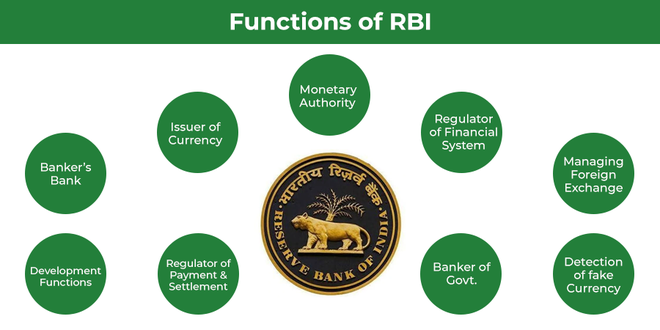
- Regulating Commercial Banks: The RBI was entrusted with the task of regulating and supervising commercial banks to ensure their solvency, liquidity, and compliance with regulatory requirements. It formulated prudential norms, licensing criteria, and other regulations to maintain the stability and integrity of the banking system.
- Monetary Policy Management: The RBI was responsible for formulating and implementing monetary policy to achieve price stability and economic growth objectives. It used various instruments such as open market operations, reserve requirements, and interest rate adjustments to influence money supply, credit availability, and inflationary pressures.
- Currency Issuance and Management: As the sole authority responsible for currency issuance, the RBI issued and managed the country’s currency and reserves. It ensured the integrity and security of banknotes and coins, maintained adequate reserves of foreign exchange and gold, and managed the exchange rate to support external trade and financial stability.
- Developmental Role: In addition to its regulatory and monetary functions, the RBI played a proactive role in promoting economic development and financial inclusion. It provided refinancing facilities, credit assistance, and developmental initiatives to support priority sectors such as agriculture, small-scale industries, and infrastructure.
Despite facing numerous challenges and constraints, the RBI’s foundational years laid the groundwork for the modernization and development of India’s financial system. Its establishment marked a significant milestone in India’s economic history, ushering in an era of centralized monetary management, regulatory oversight, and institutional support for economic growth and stability. Over the decades, the RBI has evolved into a dynamic and multifaceted institution, playing a pivotal role in India’s economic transformation and development journey.
Formative Decades (Post-Independence): The RBI and India’s Growth Story — Following India’s independence in 1947, the RBI entered a period of significant transformation, playing a pivotal role in the nation’s planned economic development strategy.
Facilitating Planned Development:
- Directed Credit: The RBI actively participated in India’s adoption of Five-Year Plans, a series of centralized economic blueprints. It played a crucial role in directing credit towards priority sectors identified in these plans. These sectors, often encompassing agriculture, infrastructure, and heavy industries, were deemed essential for India’s economic growth and self-reliance.
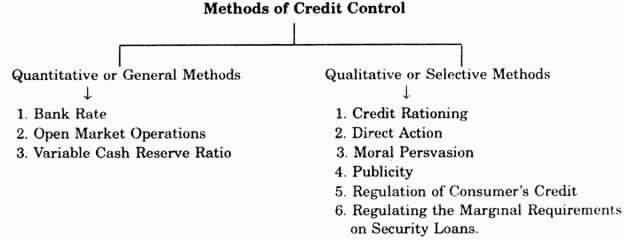
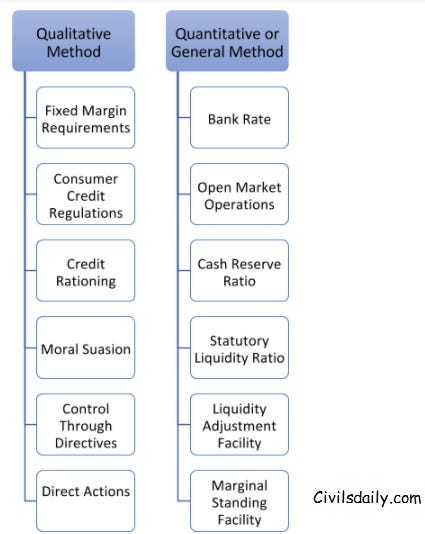
- Selective Credit Control: The RBI employed various instruments for credit control, aiming to channel resources towards priority sectors. Some key instruments included:
- Margin Requirements: These varied depending on the borrower and the purpose of the loan. Higher margins meant borrowers had to invest more of their own funds, making borrowing for non-priority sectors more expensive.
- Bill Rediscounting: The RBI offered to buy bills of exchange (commercial short-term debt instruments) from banks at concessional rates, encouraging them to lend to specific sectors.
- Open Market Operations: The RBI bought and sold government securities to influence liquidity in the banking system. By buying securities, it injected money, making credit cheaper. Conversely, selling securities reduced liquidity and tightened credit.
Challenges and Policy Dilemmas:
- High Inflation: A major challenge during this period was high inflation. The RBI’s focus on credit expansion for priority sectors, coupled with deficit financing by the government, often contributed to inflationary pressures. The bank had to strike a delicate balance between promoting growth and controlling inflation.
- Foreign Exchange Management: India adopted a system of import controls and fixed exchange rates to conserve scarce foreign exchange reserves. The RBI played a crucial role in managing these reserves and ensuring their judicious use for essential imports. This limited flexibility in the exchange rate sometimes hampered export competitiveness.
The formative decades of the RBI post-independence were marked by both achievements and challenges. The bank’s efforts in directing credit and facilitating planned development were instrumental in laying the foundation for India’s industrialization and economic growth. However, managing inflation and foreign exchange reserves remained constant concerns. These experiences provided valuable lessons that continue to shape the RBI’s policies in the contemporary Indian economy.
Liberalization and Globalization (1990s onwards): The RBI Adapts to a New Era — The 1990s marked a turning point for the Indian economy, with a shift towards liberalization and globalization. The RBI, too, underwent a significant transformation, adapting its approach to this new economic landscape.
Shifting Towards a Market-Oriented Approach:
- Reduced Directed Credit: The RBI gradually reduced its emphasis on directed credit, allowing market forces to play a more significant role in credit allocation. This aimed to improve efficiency and promote competition within the financial sector.
- Focus on Inflation Targeting: The RBI adopted inflation targeting as a primary monetary policy objective. This involved setting inflation targets and using interest rates and other tools to achieve them. This shift placed greater emphasis on price stability and fostered investor confidence.
Financial Sector Reforms:
- Entry of New Players: The RBI opened doors for new private and foreign banks, fostering competition and innovation in the financial sector. This led to a wider range of financial products and services being offered to businesses and individuals.
- Deregulation of Interest Rates: The RBI progressively deregulated interest rates, allowing banks greater flexibility in setting lending and deposit rates. This aimed to improve efficiency in resource allocation and encourage competition between banks.
- Enhanced Banking Supervision: The RBI strengthened its supervisory framework to ensure the financial health and stability of banks in the increasingly complex financial environment.
Impact of Globalization and RBI’s Response:
Globalization brought both opportunities and challenges for the Indian economy.
- Opportunities: Increased foreign investment, access to new technologies, and global markets for Indian exports fueled economic growth. The RBI facilitated these opportunities by:
- Liberalizing Foreign Exchange Controls: The RBI gradually relaxed controls on foreign exchange transactions, allowing for greater flows of foreign capital and promoting trade integration.
- Managing Exchange Rate Flexibility: The RBI adopted a more flexible exchange rate regime, allowing the rupee to appreciate or depreciate within a managed band. This aimed to maintain competitiveness in the global market without excessive volatility.
- Challenges: Increased competition from foreign firms and vulnerability to external financial shocks posed challenges. The RBI responded by:
- Strengthening Regulatory Framework: The RBI implemented stricter regulations on capital adequacy and risk management practices to ensure the resilience of the Indian financial system.
- Maintaining Foreign Exchange Reserves: Building and maintaining adequate foreign exchange reserves became crucial to manage external shocks and support the exchange rate during periods of volatility.
The era of liberalization and globalization demanded a more market-oriented approach from the RBI. The bank’s reforms facilitated economic growth and financial sector development while navigating the challenges of a globalized world. The RBI’s role continues to evolve as it strives to maintain financial stability and foster inclusive growth in the dynamic Indian economy.
Contemporary Issues and the Future: The RBI Navigates a Changing Landscape — The Reserve Bank of India (RBI) continues to play a critical role in India’s economic journey, facing contemporary challenges and shaping the future financial landscape.
Current Monetary Policy Framework:
- Flexible Inflation Targeting (FIT): In 2016, India adopted a formal FIT framework. The RBI, in consultation with the government, sets a target range for inflation. It then uses monetary policy tools like repo rate adjustments, open market operations, and cash reserve requirements to achieve this target. This framework prioritizes price stability while considering growth objectives.
Challenges of Maintaining Financial Stability:
- Global Economic Fluctuations: The Indian economy is increasingly integrated with the global financial system. External factors like global interest rate changes, currency fluctuations, and geopolitical tensions can create volatility and pose challenges for the RBI in maintaining financial stability.
- Domestic Concerns: The RBI must also address domestic challenges like rising non-performing assets (NPAs) in the banking sector, managing inflation expectations, and ensuring adequate credit flow to support economic growth.
Promoting Financial Inclusion and Digitalization:
- Financial Inclusion: The RBI actively promotes financial inclusion, aiming to bring a wider population into the formal financial system. This includes initiatives like expanding bank branches in rural areas, promoting microfinance, and facilitating digital payments.
- Digitalization: The RBI recognizes the transformative potential of digital technologies in financial services. It fosters innovation by allowing new players like payment banks and fintech companies to operate within a regulated framework.
The Future Direction of the RBI:
As India’s economy continues to evolve, the RBI’s role will likely adapt in the following ways:
- Evolving Monetary Policy Tools: The RBI might explore new monetary policy tools beyond traditional interest rate adjustments to manage complex economic situations.
- Managing Fintech and Innovation: The RBI will need to balance fostering innovation in the financial sector with ensuring financial stability and consumer protection in the digital age.
- Addressing Climate Change Risks: The RBI might play a role in integrating climate change considerations into financial regulations and promoting sustainable finance practices.
The RBI’s contemporary focus on inflation targeting, financial stability, inclusion, and digitalization positions it effectively to navigate the challenges and opportunities of the 21st century. As India’s economy continues to grow and integrate with the global market, the RBI’s future direction will be crucial in ensuring its continued success.
Conclusion — The Reserve Bank of India’s voyage has been one of constant adaptation. From its colonial roots to its role as a guardian of a burgeoning economic power, the RBI has navigated a dynamic economic landscape. As India continues its ascent, the Bank’s role will undoubtedly evolve further. Its ability to balance financial stability with fostering growth will be paramount. By embracing innovation while upholding its core principles, the RBI can ensure it remains a steadfast steersman, guiding the nation’s economic ship through calm seas and turbulent waters alike.
Thanks.
 Pratik Ghansham Salvi Assistant Professor of Economics | Banking & Finance | IMF Finance & Development Contributor
Leave a comment