How Carbon Tax Promote Sustainable Resource Management and Influence Macroeconomic Variables?
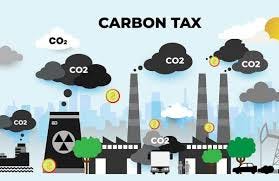
The world experienced rapid expansion and technological advancement from last 100 years in different sectors like business, trade, banking, infrastructure, etc. However, it creates certain envirnmental challenges — global warming, ozone layer depletion, deforestration, water crisis, etc in certain areas. And therefore there is need to take action and remove this difficulties in order to sustainibility of this planet. And one such approach is the suatainable development approach. The global community faces a pressing challenge balancing economic growth with environmental responsibility. Fossil fuel dependence, a cornerstone of industrial development, is now recognized as a major contributor to climate change. One policy tool gaining traction is the carbon tax, a levy placed on greenhouse gas emissions.
This article explores the potential of carbon taxes to promote sustainable resource management. We will examine how carbon pricing incentivizes a shift towards cleaner energy sources, impacting key macroeconomic variables such as inflation, growth, and employment. By analyzing both the environmental and economic effects, this paper aims to shed light on the potential of carbon taxes as a driver of a sustainable future.
Firstly, we will explore the core mechanism of carbon taxes. By placing a price on carbon emissions, they create a disincentive for activities that generate greenhouse gases. This can lead to a shift in energy consumption patterns, encouraging businesses and consumers to adopt cleaner technologies and resource-efficient practices. We will examine specific examples of how carbon taxes can drive innovation in renewable energy sectors and promote responsible use of natural resources.
Secondly, we will analyze the potential impact of carbon taxes on key macroeconomic variables like inflation, GDP growth, and employment. While some argue that carbon taxes could lead to short-term economic disruptions, others posit that the long-term benefits from a sustainable and resilient economy outweigh these initial costs. We will explore economic models and real-world examples to assess the potential economic consequences of carbon taxes.
Finally, the article will acknowledge the potential conflict between carbon taxes and free trade. Concerns exist that carbon taxes could incentivize businesses to relocate to countries with less stringent environmental regulations. We will discuss potential solutions, such as carbon border adjustments, that aim to address these concerns and ensure a level playing field for international trade while promoting environmental sustainability.
By examining these diverse aspects, this article aims to provide a comprehensive understanding of how carbon taxes can simultaneously promote sustainable resource management and influence key macroeconomic variables.
Carbon Tax and Sustainable Resource Management — A carbon tax is a policy tool designed to combat climate change by putting a price on greenhouse gas emissions, particularly carbon dioxide (CO2). This price tag incentivizes businesses and consumers to reduce their emissions footprint and embrace sustainable practices. Let’s delve deeper into its mechanism, incentive effects, and how it promotes sustainable resource management.
Mechanism:
A carbon tax works by setting a fixed price per unit of carbon dioxide emitted. This price is typically levied on businesses based on their total emissions. The government collects this tax revenue, which can then be used for various purposes, including:
- Funding clean energy initiatives like solar or wind power development.
- Investing in energy efficiency programs to help businesses and households reduce consumption.
- Offsetting carbon emissions through tree planting or other carbon capture projects.
Incentive Effect:
By putting a cost on pollution, a carbon tax disincentivizes activities that generate high levels of emissions. Businesses face a financial penalty for exceeding their allotted emissions, making it more expensive to operate in a polluting manner. This encourages them to:
- Reduce emissions: Companies may decrease production, find ways to capture and store emissions (carbon capture and storage), or switch to cleaner fuels.
- Pass on the cost: In some cases, businesses might increase prices on goods and services with high embedded carbon to offset the tax burden. This can lead to consumer behavior changes.
Shifting Patterns:
A carbon tax creates a market signal that favors sustainable practices. Here’s how it encourages a shift:
- Adopt Cleaner Technologies: As fossil fuels become more expensive due to the tax, businesses are incentivized to invest in renewable energy sources like solar, wind, geothermal, or hydropower. This drives innovation and development in clean energy technologies.
- Improve Resource Efficiency: Companies may find ways to optimize processes and use resources more efficiently to minimize their overall emissions and, consequently, their tax liability. This can involve adopting energy-saving equipment or redesigning production lines.
- Explore Sustainable Alternatives: The tax encourages businesses to explore and implement sustainable alternatives for materials, fuels, and processes. This could involve switching to biofuels, using recycled materials, or adopting circular economy principles.
Examples:
Several countries and regions have implemented carbon taxes, demonstrating their effectiveness in driving sustainable change:
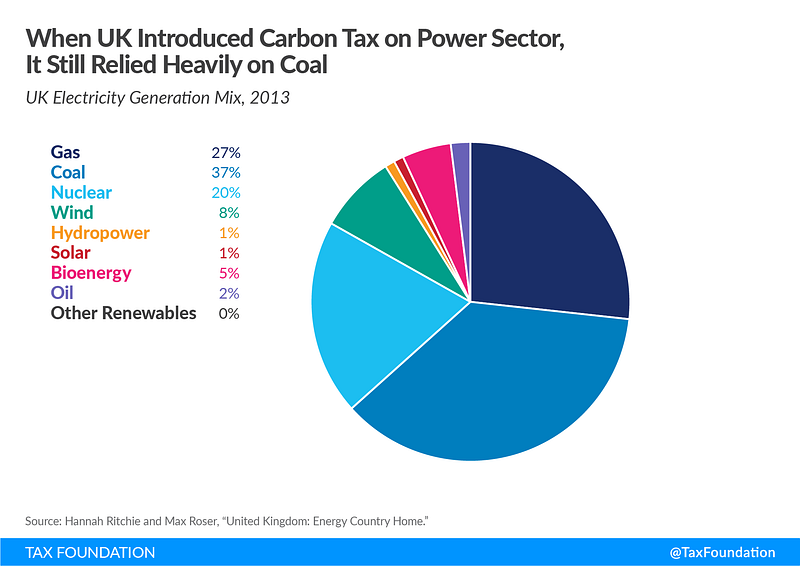
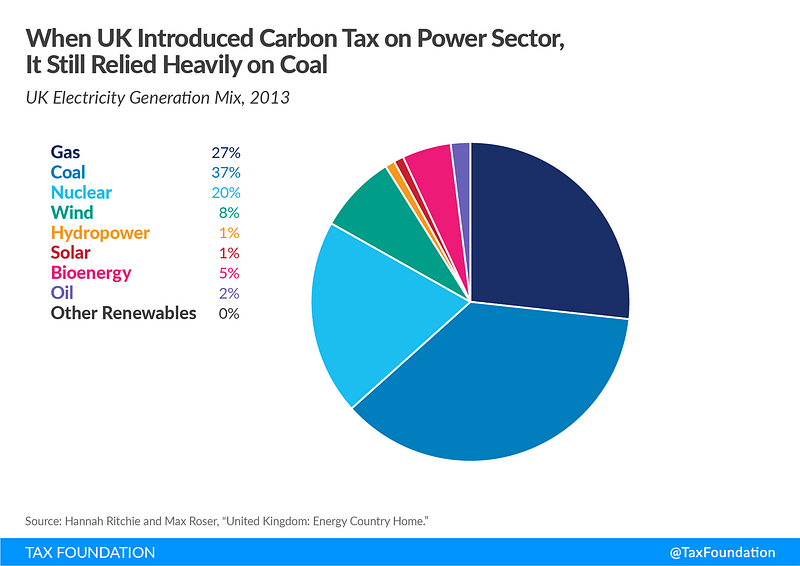
- Sweden: A carbon tax introduced in 1991 has been credited as a major factor in the country’s significant reduction in CO2 emissions while maintaining economic growth.
- British Columbia, Canada: The province’s carbon tax policy, implemented in 2008, has led to a decrease in emissions alongside robust economic performance. Revenue from the tax is invested in clean energy initiatives and rebates for low-income households.
- California, USA: The world’s fifth-largest economy has a cap-and-trade program that effectively functions as a carbon tax. This program has spurred innovation in renewable energy and energy efficiency within the state.
While carbon taxes are not a perfect solution, they offer a powerful tool to incentivize sustainable resource management and promote a transition towards a low-carbon economy.
Carbon Tax and Macroeconomic Variables — The implementation of a carbon tax has the potential to influence various macroeconomic variables. Here’s a breakdown of the potential impacts on inflation, GDP growth, employment, and how economic models can be used to assess these effects, along with real-world examples.
Potential Impacts:
Inflation:
- Short-term increase: In the immediate term, carbon taxes can lead to a rise in production costs for businesses, particularly those heavily reliant on fossil fuels. This can translate to higher prices for consumers, potentially pushing up inflation.
- Long-term decrease: As businesses invest in cleaner technologies and optimize processes, production costs may eventually stabilize or even decrease. Additionally, increased energy efficiency can lead to long-term savings for consumers, mitigating the inflationary impact.
GDP Growth:
- Short-term disruption: The initial transition to a low-carbon economy may cause short-term disruptions in some sectors, potentially leading to a temporary slowdown in GDP growth. Companies in carbon-intensive industries might face closures or reduced production, impacting overall economic output.
- Long-term benefits: In the long run, a shift towards a sustainable economy can lead to increased innovation in clean technologies, fostering new economic opportunities and potentially driving long-term economic growth.
Employment:
- Job losses in high-emission sectors: As industries adapt to a carbon tax, job losses might occur in sectors heavily reliant on fossil fuels, such as coal mining or oil extraction.
- Job creation in green industries: The transition to a low-carbon economy will create new opportunities in renewable energy, energy efficiency, and sustainable resource management. This can lead to job creation in these emerging green sectors.
Economic Models:
Economists use various models to assess the potential impacts of a carbon tax on the economy. These models take into account factors like:
- Price elasticity of demand: How sensitive consumer demand is to price changes (e.g., how much less energy consumers will use if prices increase).
- Technological innovation: The potential for technological advancements to improve efficiency and reduce emissions.
- Global market dynamics: The impact of carbon taxes on international competitiveness and trade.
Real-World Examples:
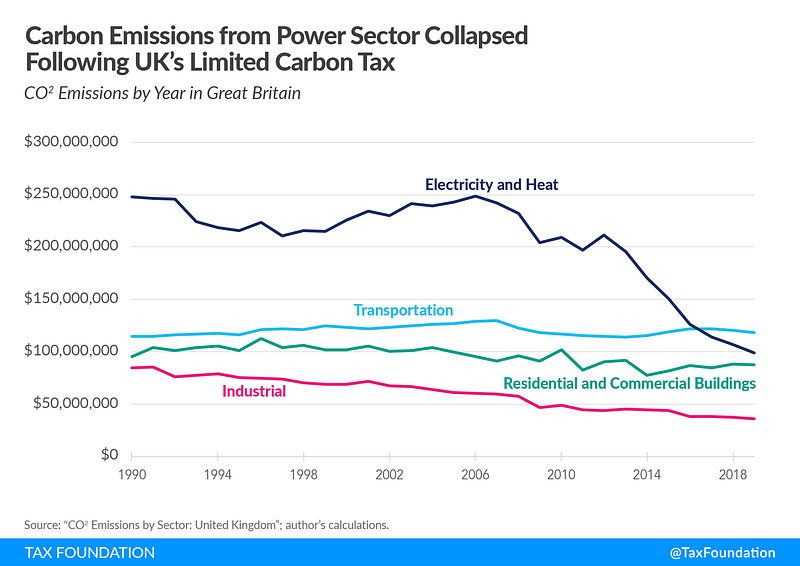
- Sweden: Despite a carbon tax, Sweden has maintained robust economic growth, demonstrating that carbon pricing can co-exist with a healthy economy.
- British Columbia: The province’s carbon tax has not had a significant negative impact on GDP growth, while leading to a decrease in emissions.
It’s important to note that the specific economic impacts of a carbon tax will vary depending on factors like the design of the tax (rate, exemptions), the overall strength of the economy, and the availability of alternative technologies. Economic models can provide valuable insights, but real-world implementation requires careful planning and targeted support for industries undergoing significant transitions.
Carbon Tax and Free Trade — The interaction between carbon taxes and free trade agreements can be complex, raising concerns about competitiveness and fairness. Let’s delve into the potential conflicts and explore solutions for a more balanced approach.
Potential Conflict:
- Competitiveness: Businesses operating in countries with carbon taxes might be concerned about losing their competitive edge compared to companies in countries without such regulations. The added cost of the tax could make their products or services more expensive in the global market, potentially leading to job losses or relocations to countries with less stringent environmental policies (carbon leakage).
- Level Playing Field: Companies in countries with carbon taxes could argue that they are at a disadvantage compared to competitors who don’t face similar carbon pricing. This creates an uneven playing field, potentially hindering efforts to achieve global emissions reductions.
Solutions:
There are potential approaches to address these concerns and ensure a more level playing field:
- Carbon Border Adjustments (CBAs): These mechanisms aim to impose a carbon cost on imported goods based on the estimated emissions associated with their production. This essentially levels the playing field for domestic companies facing a carbon tax, preventing unfair competition from countries with lax environmental regulations.
- International Cooperation: The most effective solution lies in establishing a global carbon pricing framework. This could involve international agreements setting minimum carbon prices or creating a global carbon market. Uniform pricing across countries would eliminate the competitiveness concerns and encourage all nations to contribute to emissions reductions.
Challenges and Considerations:
Implementing CBAs or international cooperation comes with its own set of challenges:
- Complexity: Designing and implementing effective CBAs can be complex, requiring accurate methods to measure the carbon footprint of imported goods.
- Trade disputes: CBAs could be seen as protectionist measures, potentially leading to trade disputes between countries.
- Global agreement: Reaching a global consensus on carbon pricing can be challenging due to varying economic and political interests among nations.
The path forward likely involves a combination of approaches. Countries can implement domestic carbon taxes with well-designed CBAs while working towards international agreements on carbon pricing for a more sustainable and equitable global trade system.
Carbon taxes are a policy tool that puts a price on carbon emissions, incentivizing businesses and consumers to reduce their footprint. This promotes sustainable resource management by:
- Discouraging high-emission activities: Businesses face a financial penalty for exceeding their allotted emissions, pushing them to adopt cleaner technologies and optimize processes.
- Shifting towards renewables: The tax makes fossil fuels more expensive, driving investment in renewable energy sources like solar, wind, and geothermal.
- Enhancing resource efficiency: Companies strive to use resources more efficiently to minimize emissions and tax liability.
Carbon taxes also influence macroeconomic variables:
- Inflation: Short-term rise due to increased production costs, but long-term potential for decrease as efficiency improves.
- GDP Growth: Possible short-term disruptions, but long-term benefits from innovation and green industries.
- Employment: Job losses in high-emission sectors, but job creation in green industries.
Future Outlook:
In the long run, carbon taxes have the potential to create a significant positive impact:
- Environmental Sustainability: By reducing emissions, carbon taxes can help mitigate climate change and its associated environmental issues.
- Economic Sustainability: The transition to a low-carbon economy can foster innovation, create new green jobs, and lead to more sustainable and resilient economic growth.
Policy Considerations:
The effectiveness of carbon taxes hinges on a well-designed policy framework:
- Setting the right price: The carbon price needs to be high enough to incentivize change but not so high as to cripple economic activity.
- Revenue allocation: The revenue generated from the tax should be used to support clean energy initiatives and potentially offset the burden on low-income households.
- Fairness and equity: Policies should be designed to minimize negative economic impacts on vulnerable communities while maximizing environmental benefits.
By implementing well-designed carbon taxes alongside other policy measures, we can create a powerful tool to transition towards a more sustainable future for both our environment and our economies.
Conclusion — Carbon taxes present a compelling tool for tackling the challenge of climate change while fostering a more sustainable economic future. By placing a price tag on carbon emissions, they create a powerful incentive for businesses and consumers to shift towards cleaner technologies and resource-efficient practices. This not only reduces greenhouse gas emissions but also promotes innovation in renewable energy sectors and responsible resource management.
The potential impact of carbon taxes on key macroeconomic variables like inflation, GDP growth, and employment requires careful consideration. While short-term economic adjustments may occur, the long-term benefits from a sustainable and resilient economy could outweigh these initial costs. Addressing potential equity concerns and implementing complementary policies can further enhance the positive impacts of carbon taxes.
The potential conflict between carbon taxes and free trade necessitates international cooperation and innovative solutions like carbon border adjustments. By establishing a level playing field for global trade while promoting environmental responsibility, collaborative efforts can pave the way for a more sustainable future.
In essence, carbon taxes present a multifaceted approach, simultaneously promoting sustainable resource management, influencing key economic variables, and driving the transition towards a cleaner and more resilient future. Further research and well-designed policies are crucial to maximize the environmental and economic benefits of carbon taxes, ensuring a sustainable path forward for generations to come.
Thanks.
 Pratik Ghansham Salvi Assistant Professor of Economics | Banking & Finance | IMF Finance & Development Contributor
Leave a comment