
In the relentless pursuit of economic progress, developing countries navigate a complex landscape fraught with numerous hurdles. One particularly stubborn obstacle that plagues these nations is structural inflation. Unlike its transitory counterpart, structural inflation isn’t a blip on the radar caused by temporary fluctuations in demand. It’s a persistent beast, characterized by ingrained inefficiencies and rigidities within an economy, leading to long-term price increases that erode purchasing power and stifle growth.
This article delves into the intricate workings of structural inflation, meticulously dissecting its root causes. We’ll uncover the insidious ways it weakens the foundation of developing economies, exacerbating social inequalities and hindering the path to prosperity. But fear not, for this exploration won’t stop at mere diagnosis. We will equip policymakers and economic actors with a comprehensive toolkit brimming with practical strategies. By implementing these targeted measures, developing countries can embark on a transformative journey towards overcoming structural inflation and unlocking their full economic potential.
This article, with a specific focus on India’s experience, will serve as a roadmap for navigating the complexities of structural inflation. By understanding its nature and crafting effective solutions, developing countries like India can break free from the shackles of inflation and step into a brighter future of sustainable growth and shared prosperity.
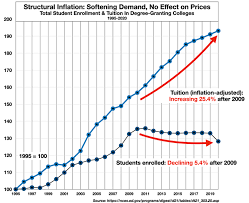
Structural Inflation: A Different Kind of Price Rise — While most discussions about inflation focus on demand and supply imbalances, a lesser-known theory explains inflation through the lens of an economy’s structure — structural inflation.
Defining Structural Inflation
Structural inflation refers to price increases caused by inherent weaknesses within an economy’s structure. Unlike demand-pull or cost-push inflation, it’s not directly driven by excess demand or rising production costs. Instead, structural factors create inefficiencies that make it difficult to increase supply effectively, leading to persistent price hikes.
- Demand-pull inflation: Occurs when overall demand for goods and services exceeds available supply. This can be caused by factors like increased government spending or easy access to credit.
- Cost-push inflation: Happens when the cost of production increases, leading businesses to raise prices to maintain profit margins. Examples include rising oil prices or higher wages.
Structural inflation differs from both these categories because the primary issue lies in the inability to meet demand, not an inherent rise in demand itself or production costs.
Bottlenecks and Rigidities: The Culprits of Structural Inflation
Several structural factors can contribute to persistent inflation:
- Rigidities in the labor market: Inflexible hiring practices, limited worker mobility, or skill mismatches can make it difficult for businesses to find qualified labor to meet rising demand. This can lead to wage pressures and ultimately, price increases.
- Infrastructure bottlenecks: Inadequate transportation networks, outdated storage facilities, or limited energy capacity can hinder the movement of goods and resources. These bottlenecks create delays and inefficiencies, making it more expensive to produce and distribute goods, ultimately reflected in higher prices.
- Supply chain inefficiencies: Fragmented supply chains with limited competition or reliance on single suppliers can make economies vulnerable to disruptions. If a key component or raw material becomes scarce due to factors like natural disasters or political instability, businesses struggle to find alternatives, leading to price hikes.
These structural issues create a scenario where even without excess demand or rising costs, businesses struggle to increase supply efficiently. This persistent supply-side constraint manifests as inflation, as businesses raise prices to maintain profitability.
The Challenge of Addressing Structural Inflation — Unlike demand-pull or cost-push inflation, which can be tackled by adjusting monetary or fiscal policy, structural inflation requires a long-term approach. Governments and businesses need to invest in infrastructure development, promote labor market flexibility, and enhance supply chain resilience. While these investments might not have an immediate impact on prices, they address the underlying weaknesses and pave the way for sustainable economic growth with stable prices.
Structural Inflation: A Crippling Blow to Developing Economies — Structural inflation, with its persistent price increases, can be particularly detrimental to developing economies. Here’s how it creates a ripple effect that hinders growth, exacerbates poverty, and widens the income gap.

Stifled Growth: A Strangled Engine
- Discouraged Investment: High and unpredictable inflation creates uncertainty for businesses. Investors become hesitant to commit capital to long-term projects due to the risk of eroding returns. This lack of investment hinders economic growth by limiting job creation and technological advancement.
- Resource Misallocation: In an inflationary environment, businesses might prioritize short-term gains over long-term investments in productivity improvement. This misallocation of resources can hinder the development of a strong and competitive economy.
Case in point: Argentina’s history with inflation is a stark example. Decades of structural issues fueled high and volatile inflation, creating uncertainty and discouraging investment. This hampered economic growth, keeping Argentina from reaching its full potential.
Deepening Poverty —
- Eroded Purchasing Power: As prices rise faster than wages, the poorest segments of society are hit the hardest. Their limited incomes can’t keep up with the rising cost of basic necessities, pushing them deeper into poverty.
- Social Unrest: High inflation can lead to social unrest as essential goods become increasingly out of reach for the most vulnerable populations. This can destabilize a developing country and further hinder economic progress.
Example: In Venezuela, structural imbalances coupled with government policies led to hyperinflation, where prices spiraled out of control. The purchasing power of Venezuelans plummeted, leading to severe food shortages and widespread poverty.
Widening Inequality
- Asset Price Inflation: While inflation erodes the value of cash savings, assets like real estate and stocks might see their value rise. This benefits the wealthy who hold such assets, further widening the income gap.
- Wage Lag: Negotiations for wage adjustments might not keep up with the pace of inflation. This disproportionately affects lower-income workers whose wages are typically less flexible, further entrenching income inequality.
India’s Experience: While India has made significant strides economically, structural issues like inadequate infrastructure and rigid labor laws contribute to inflation. This can disproportionately affect low-income households who spend a larger portion of their income on basic necessities.
Long-Term Planning Goes Out the Window —
- Uncertainty and Volatility: Businesses find it difficult to plan for the future due to unpredictable price fluctuations. This discourages long-term investments in areas like research and development, hindering innovation and productivity growth.
- Distorted Investment Decisions: Businesses might prioritize short-term speculation on assets like commodities to hedge against inflation, rather than investing in productive activities. This can lead to inefficient allocation of resources.
Structural inflation creates a vicious cycle in developing economies. It discourages investment, erodes purchasing power, and widens the income gap. Addressing these structural weaknesses through targeted policies and infrastructure development is crucial to break this cycle and achieve sustainable economic growth.
Policy Interventions for Structural Inflation — Structural inflation requires a multi-pronged approach that addresses the underlying weaknesses in an economy. Here are some key areas for policy intervention:
1. Supply-Side Reforms:
- Infrastructure Investments: Governments need to invest in transportation networks, storage facilities, and energy grids. Improved infrastructure reduces transportation costs, facilitates efficient movement of goods, and enhances overall productivity.
- Boosting Agricultural Productivity: Investments in irrigation, research on high-yielding crops, and improved access to fertilizers and technology can help increase agricultural output. This can mitigate food price inflation, especially in developing countries heavily reliant on imports.
- Promoting Competition: Encouraging competition in key sectors like energy, transportation, and telecoms can drive down prices and improve efficiency. Regulatory reforms to ease entry and break up monopolies can foster a more competitive environment.
Government Investments and Public-Private Partnerships (PPPs):
Public funds play a crucial role in initial infrastructure investments. However, PPPs can leverage private sector expertise and financing to bridge the infrastructure gap. This model requires careful design to ensure transparency and accountability.
2. Labor Market Flexibility:
- Skills Development: Investing in education and vocational training programs can equip the workforce with the skills needed for the modern economy. This reduces skill mismatches and allows businesses to find qualified labor, easing wage pressures.
- Labor Mobility: Policies that promote worker mobility within and across sectors allow businesses to adjust their workforce to changing demands. This can help mitigate labor shortages and wage inflation in specific sectors.
Benefits and Drawbacks:
Labor market reforms can improve efficiency and productivity, ultimately leading to lower inflation. However, concerns exist about potential job losses and wage stagnation, particularly for low-skilled workers. Careful design and social safety nets can help mitigate these risks.
3. Exchange Rate Management:
- Import Prices: A weaker domestic currency can make imports more expensive, contributing to inflationary pressures. Conversely, a strong currency can make exports cheaper, potentially leading to deflationary pressures.
- Managing Inflation: Central banks can use exchange rate policy tools to influence import prices and indirectly manage inflation. However, this approach can have unintended consequences on export competitiveness and economic growth.
Trade-Offs:
A weaker currency might be desirable to promote exports but could worsen inflation. Conversely, a stronger currency can control inflation but might hurt export competitiveness. The optimal exchange rate policy needs to strike a balance between these competing goals, considering the specific economic context.
Addressing structural inflation requires a long-term vision and a combination of policies. By focusing on supply-side reforms, promoting labor market flexibility, and adopting a balanced exchange rate policy, developing economies can create a stable and predictable environment for investment and sustainable growth.
Fiscal and Monetary Policy: While structural inflation demands a broader approach, traditional economic policy tools also play a role. Let’s explore the limitations of monetary policy and the importance of fiscal discipline in this context.
1. Limitations of Monetary Policy:
- Interest Rates and Demand: Traditional monetary policy relies on interest rate adjustments to influence aggregate demand. However, structural inflation stems from supply-side constraints, not excessive demand. Raising interest rates might cool demand in the short term but won’t address the underlying supply bottlenecks.
- Crowding Out Investments: Higher interest rates can discourage businesses from borrowing for investment, potentially hindering long-term growth prospects. This unintended consequence can further exacerbate structural weaknesses.
2. Fiscal Policy and Targeted Spending:
- Fiscal Discipline: Sound fiscal management is crucial to avoid fueling inflation through excessive government spending. However, responsible spending on strategic areas can be a powerful tool.
- Targeted Investments: Governments can use fiscal policy to invest in infrastructure development, education, and research. These targeted expenditures can address structural bottlenecks, enhance productivity, and ultimately help control inflation in the long run.
Example: India’s “Make in India” initiative aims to boost domestic manufacturing by improving infrastructure and attracting foreign investment. While not a direct inflation-fighting measure, this initiative can address structural weaknesses that contribute to inflation in the long run.
The Importance of Coordination:
Fiscal and monetary policy should be coordinated to achieve optimal results. While central banks focus on price stability, governments can implement targeted spending programs to address structural issues. This collaborative approach can create a more stable and predictable economic environment.
Monetary policy has limited effectiveness in combating structural inflation. Fiscal policy, however, offers a valuable tool through targeted spending on infrastructure, education, and other areas that address underlying weaknesses in the economy. By working together, fiscal and monetary authorities can create a more comprehensive strategy for managing structural inflation and promoting sustainable growth.
Long-Term Strategies for Sustainable Growth — Structural inflation thrives on a weak economic foundation. To achieve long-term growth and price stability, developing economies need to invest in building a more resilient and dynamic system. Here are some key strategies:
1. Investing in Human Capital:
- Education: A skilled and adaptable workforce is crucial for navigating a changing global economy. Investments in education equip individuals with the skills needed to contribute effectively and adapt to technological advancements. This can lead to higher productivity, potentially mitigating wage pressures and boosting overall economic growth.
- Healthcare: A healthy population is a productive population. Investing in healthcare systems ensures a workforce with better health outcomes, leading to lower absenteeism and higher productivity. This can contribute to a more efficient economy and help manage inflationary pressures.
2. Fostering Innovation and Entrepreneurship:
- Innovation: Encouraging research and development in areas like agriculture, renewable energy, and automation can lead to productivity gains and help address supply bottlenecks. This can ultimately lead to lower production costs and more competitive pricing.
- Entrepreneurship: A vibrant entrepreneurial ecosystem fosters competition and innovation. By creating an environment supportive of startups and small businesses, governments can encourage the development of new solutions and address inefficiencies in various sectors.
Example: China’s focus on technological advancement has been a key driver of its economic growth. Investments in research and development, coupled with a growing pool of skilled workers, have helped the country become a leader in various sectors, contributing to its overall economic success.
3. International Cooperation and Knowledge Sharing:
- Global Challenges: Addressing structural inflation often involves tackling global issues like climate change and resource scarcity. International cooperation on research, development, and knowledge sharing can equip nations with better tools to build more sustainable and resilient economies.
- Learning from Others: Developed economies that have successfully addressed structural weaknesses can share their experiences and best practices with developing countries. This knowledge transfer can accelerate progress and lead to more efficient solutions.
Building a strong foundation for long-term growth requires a multi-pronged approach. By investing in human capital, fostering innovation, and collaborating on a global level, developing economies can overcome the challenges of structural inflation and achieve sustainable economic prosperity.
Conclusion — The battle against structural inflation is a marathon, not a sprint. It demands a multi-pronged approach that tackles the root causes of price imbalances. By implementing targeted supply-side reforms, fostering labor market flexibility, and adopting prudent fiscal policies, developing countries can dismantle the rigidities that fuel structural inflation.
Investing in education, healthcare, and technological advancements will not only empower the workforce but also lay the foundation for a more dynamic and resilient economy. Encouraging innovation and entrepreneurship can act as a powerful catalyst, fostering competition and addressing inefficiencies within critical sectors.
While the journey to overcome structural inflation might be arduous, the rewards are substantial. By breaking free from the shackles of persistent price increases, developing countries can unlock their full economic potential. A stable and predictable economic environment fosters investment, attracts talent, and paves the way for sustained growth that benefits all citizens.
India, (or a specific developing country you’re focusing on), with its ongoing efforts to address infrastructural bottlenecks, improve agricultural productivity, and promote financial inclusion, demonstrates the commitment needed to combat structural inflation. By learning from successful strategies and collaborating with the international community, developing nations can chart a course towards a brighter future where economic prosperity is shared by all. The fight against structural inflation might be complex, but with the right tools and unwavering determination, developing countries can emerge stronger and more resilient on the global stage.
Thanks.
 Pratik Ghansham Salvi Assistant Professor of Economics | Banking & Finance | IMF Finance & Development Contributor
Leave a comment