The Impact of Government Debt Financing on Inflation and Economic Stability
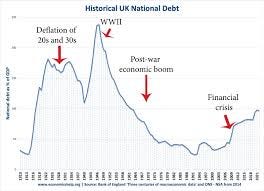
Every Government in the world has debt financing problems and its consequences will be on inflation and economic stability in the short-run as well as long-run. Governments all over the world heavily invested in fiscal projects, for example, buliding roads, transportation, public utility services and other infrastruture in the country so these all activities need huge amount of money expanditure. The Governments finance these activities through taxing and borrrowing from the financial markets. It is important to note that when government’s expanditure is more than its revenue then they face financial debt and in order to tackle debt they use certain instruments such as taxing people and borrowing from the financial markets. Another method of tackling economic debt is to print new currency but is is more inflationary in nature and generally central baknker generally oppose this.
In this article I will be talking about these instruments and explain how these affecting the economic stability. We will explore how governments finance their spending needs, often through issuing debt. We will then examine the potential consequences of this debt accumulation, particularly its influence on inflation. Factors like the “crowding out effect” and the erosion of purchasing power will be discussed. Furthermore, the article will analyze the potential risks to economic stability posed by high levels of government debt. This includes the impact on interest rates, economic growth, and long-term fiscal sustainability.
By examining these critical aspects, we aim to shed light on the complex interplay between government debt financing and its ramifications for inflation and economic stability.
Government Debt Financing: Governments, much like individuals and businesses, require funds to function. These funds are used to finance essential public services like infrastructure, education, and social programs. The primary source of this revenue comes from taxes collected from citizens and businesses. However, there are times when tax revenue falls short of expenditures, creating a budget deficit. This is where government debt financing comes into play.
Government debt financing is the process by which a government borrows money to cover its spending gap. This borrowing typically happens through the issuance of bonds — essentially IOUs — that investors purchase. These bonds come with a maturity date and an interest rate, promising repayment of the principal amount along with interest earned over time.
Debt financing allows governments to invest in crucial areas and stimulate economic activity even when tax revenues are limited. For instance, during an economic downturn, governments might increase spending on infrastructure projects to create jobs and boost the economy. This additional spending can be financed through debt, allowing the government to act as an economic stabilizer.
However, there’s a growing concern about the rising levels of government debt across many countries. The fear is that excessive debt can lead to several negative consequences:
- Higher inflation: When governments borrow heavily, they inject more money into the economy. This can lead to inflation, as the value of each unit of currency decreases due to the increased money supply.
- Economic instability: High debt levels can make governments vulnerable to economic shocks. If interest rates rise or tax revenues fall significantly, it can become difficult for governments to service their debt, potentially leading to financial crises.
- Intergenerational burden: The burden of repaying government debt ultimately falls on future generations through taxation or spending cuts. Growing debt levels can limit the ability of future governments to invest in essential areas and respond to new challenges.
Therefore, while debt financing can be a valuable tool, governments need to use it responsibly and develop strategies to manage debt levels sustainably. This ensures a balance between funding essential programs and safeguarding economic stability for the present and future generations.
Inflationary Effects of Government Debt Financing — The relationship between government debt financing and inflation is complex, but it’s crucial to understand how debt can potentially contribute to rising prices. Let’s delve deeper into the mechanisms at play:
1. Money Supply Injection:
One of the most direct ways government debt financing can increase the money supply occurs when the central bank purchases the government bonds issued. This process, called quantitative easing (QE), essentially involves the central bank “printing money” to buy these bonds. The newly created money then gets injected into the financial system, increasing the overall money supply.
Imagine the central bank buys a billion dollars worth of government bonds from a bank. This injects a billion dollars of new reserves into the banking system. These reserves can then be used by the bank to lend more money to businesses and consumers, further expanding the money supply in circulation. With more money chasing the same amount of goods and services, prices tend to rise, leading to inflation.
2. Interest Rate Dynamics:
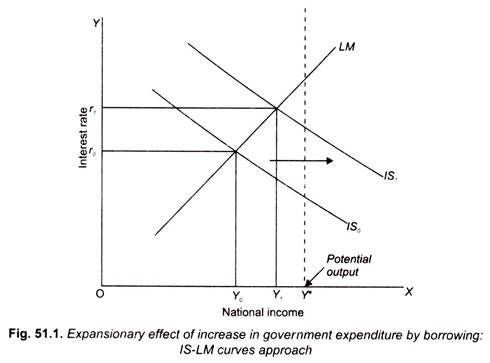
While central bank purchases directly increase money supply, government debt issuance can also influence inflation indirectly through interest rates. When governments borrow heavily, they compete with businesses and consumers for loanable funds. This increased demand for funds can drive up interest rates in the overall economy.
Higher interest rates make borrowing more expensive for businesses and consumers. Businesses might be hesitant to invest in expansion projects or new equipment, potentially leading to slower economic growth. Consumers might also cut back on spending due to higher borrowing costs. However, there’s a flip side to this:
- Crowding Out Effect: If higher interest rates significantly discourage private sector borrowing, it can limit overall economic activity. This could lead to stagnation or even deflation (falling prices) in the long run, despite the initial rise in interest rates.
3. The Wealth Effect:
Another factor to consider is the “wealth effect.” When governments issue large amounts of debt, it can sometimes lead to a rise in asset prices like stocks and real estate. This is because investors might seek alternative investments to government bonds, especially if interest rates are low.
As asset prices climb, people feel wealthier on paper. This perceived increase in wealth can lead to increased consumer spending, further pushing up demand and potentially contributing to inflation. However, the wealth effect can be unevenly distributed, with wealthier individuals benefiting more from rising asset prices, potentially exacerbating income inequality.
The government debt financing can have a complex relationship with inflation. While direct money supply injections through central bank purchases can be inflationary, the impact through interest rates and the wealth effect is more nuanced. Managing government debt levels and central bank actions are crucial to navigate this complex relationship and maintain price stability.
Economic Stability Concerns: While government debt financing can be a useful tool for economic stimulus, excessive debt levels can pose significant risks to long-term economic stability. Here, we’ll explore two key concerns: the crowding-out effect and debt sustainability.
1. Crowding Out Effect:
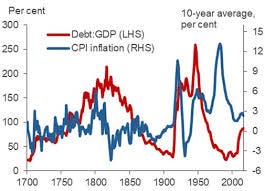
One of the major concerns surrounding high government debt is the potential for crowding out private investment. This occurs when the government’s demand for loanable funds competes with businesses and individuals for the same pool of money. Here’s how it works:
- As the government borrows heavily, it puts upward pressure on interest rates. This is because there’s a greater demand for loanable funds, making them more scarce.
- Higher interest rates make borrowing more expensive for businesses. This can discourage them from taking out loans to invest in new equipment, expand operations, or hire new employees.
- Similarly, consumers might find it more expensive to borrow for mortgages, car loans, or other purchases. This could lead to reduced consumer spending, further dampening economic activity.
The crowding-out effect can hinder economic growth and productivity. Businesses that don’t invest due to high interest rates are less likely to innovate, expand, or create new jobs. This can lead to slower economic growth and a decline in the overall standard of living.
2. Debt Sustainability:
Another major concern is the concept of debt sustainability. This refers to the government’s ability to service its debt (pay interest and principal) over the long term without creating excessive burdens on future generations or jeopardizing economic stability.
High debt levels can become unsustainable if:
- Interest Rates Rise: As mentioned earlier, rising interest rates can significantly increase the government’s debt servicing costs. This can lead to a situation where a growing portion of tax revenue goes towards paying interest on existing debt, leaving less for essential public services and investments.
- Economic Downturn: During economic downturns, tax revenues typically decline as economic activity slows down. This can make it even harder for governments with high debt levels to service their debt obligations.
Loss of Investor Confidence:
If investors lose confidence in a government’s ability to repay its debt, they may demand higher interest rates to lend money. This can create a vicious cycle, where rising interest rates make debt servicing even more expensive, further eroding investor confidence. In extreme cases, this loss of confidence can lead to a financial crisis, where the government defaults on its debt or is forced to implement harsh austerity measures to meet its financial obligations.
The relationship between government debt and economic stability is a delicate balance. While debt financing can be a valuable tool, it’s crucial for governments to manage debt levels responsibly and develop strategies for sustainable debt management. This ensures they can invest in essential areas and maintain economic stability without jeopardizing the future.
Mitigating Strategies: Balancing the Scales — With the potential downsides of government debt financing in mind, let’s explore some strategies policymakers can use to manage debt levels and mitigate their impact on inflation and economic stability:
1. Fiscal Responsibility:
The cornerstone of managing government debt is fiscal responsibility. This involves a two-pronged approach:
- Reducing Government Spending: Governments can analyze spending programs and identify areas where costs can be cut without compromising essential services. This might involve streamlining bureaucratic processes, renegotiating contracts with vendors, or prioritizing spending in critical areas.
- Increasing Tax Revenue: Raising tax revenue is another way to reduce budget deficits and control debt accumulation. However, policymakers need to strike a balance between generating sufficient revenue and avoiding tax policies that stifle economic growth.
2. Central Bank Policies:
Central banks play a crucial role in managing inflation and indirectly influencing government debt. Their primary tool for this is monetary policy, which involves adjusting interest rates:
- Raising Interest Rates: When inflation is a concern, central banks can raise interest rates. This discourages borrowing and encourages saving, ultimately aiming to cool down the economy and bring inflation under control. However, this can also have the side effect of slowing down economic growth, potentially impacting government tax revenue collection.
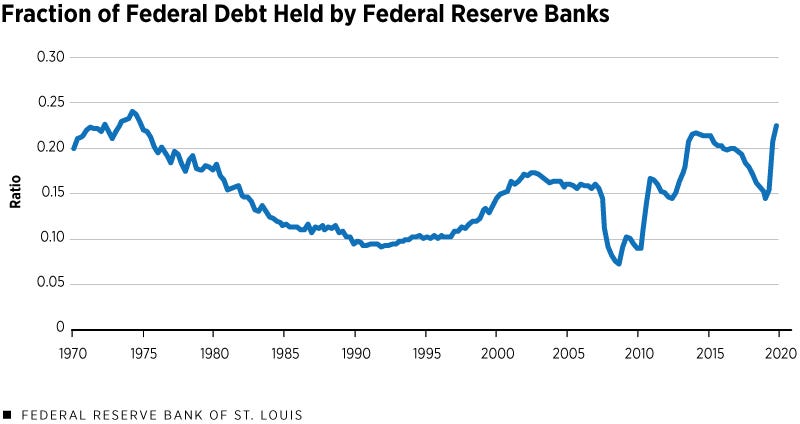
- Quantitative Tightening (QT): In contrast to quantitative easing (QE), where central banks purchase government bonds to increase the money supply, quantitative tightening involves selling these bonds back into the market. This reduces the money supply in circulation, potentially helping to curb inflation.
3. Economic Growth:
A robust and growing economy is crucial for managing government debt in the long run. When the economy grows, government tax revenues typically increase, making it easier to service existing debt and reducing the relative burden of debt as a percentage of GDP (Gross Domestic Product). Policies that promote long-term economic growth can include:
- Investing in infrastructure: Upgrading roads, bridges, and other infrastructure projects can improve productivity and create jobs, leading to economic expansion.
- Promoting innovation: Supporting research and development helps businesses develop new technologies and products, fostering innovation and economic growth.
- Developing a skilled workforce: Investing in education and training programs can equip individuals with the skills needed to thrive in the modern economy, leading to higher productivity and overall economic growth.
Managing government debt and inflation requires a multi-pronged approach. Fiscal responsibility, central bank policies, and fostering economic growth are all essential tools for policymakers to navigate this complex terrain. By adopting a balanced and sustainable approach, governments can ensure long-term economic stability and prosperity for their citizens.
Conclusion — The relationship between government debt financing, inflation, and economic stability is a complex and multifaceted issue. While utilizing debt financing can be a valuable tool for governments to fulfill their spending needs, it’s crucial to recognize the potential inflationary pressures and economic risks associated with excessive borrowing.
High debt levels can lead to a vicious cycle of rising interest rates, reduced investment, and ultimately, stunted economic growth. Conversely, responsible fiscal policy that prioritizes debt sustainability alongside strategies to promote long-term economic expansion can help ensure both price stability and a healthy economic environment.
Moving forward, a nuanced approach is necessary, balancing the short-term needs of government spending with the long-term goal of maintaining economic stability. By fostering open dialogue and implementing sound economic policies, policymakers can navigate the challenges of government debt financing and ensure a robust and resilient economy for the future.
Thanks.
 Pratik Ghansham Salvi Assistant Professor of Economics | Banking & Finance | IMF Finance & Development Contributor
Leave a comment