“Education, Opportunity, and Demographics: Why Women’s Advancement is Key to Managing Population and Boosting Economies?”
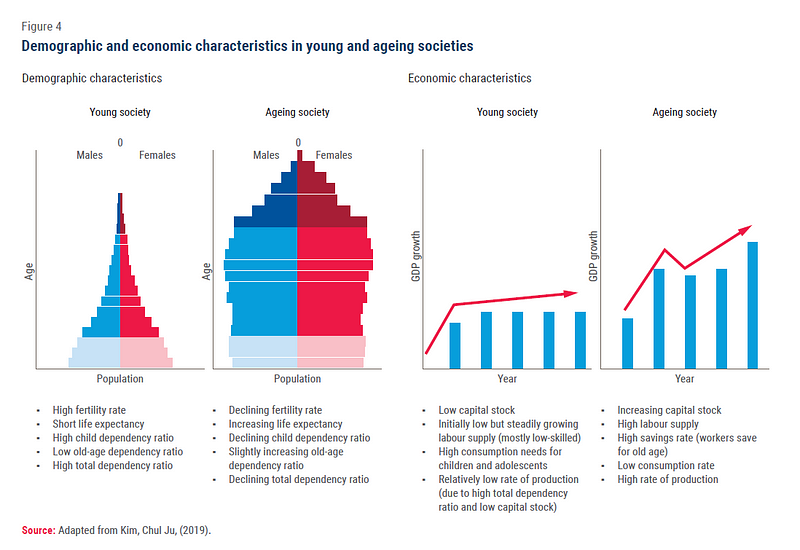
The world is facing a complex demographic puzzle. While some nations grapple with aging populations and shrinking workforces, others witness rapid population growth. In both scenarios, the key to navigating these trends and fostering economic prosperity lies in a seemingly simple solution: investing in women’s education and advancement.
This article delves into the intricate relationship between demographics, women’s empowerment, and economic growth. We will explore how education empowers women to make informed choices about family planning, leading to demographic stability. Furthermore, by providing women with equal opportunities in education and the workforce, we unlock their untapped potential as entrepreneurs, innovators, and leaders, consequently boosting economic activity.
By examining case studies from both developed and developing nations, we will unveil the powerful link between educated and empowered women and a thriving economy. The article will conclude by proposing actionable strategies to bridge the gender gap in education and opportunity, paving the way for a sustainable future where women play a pivotal role in shaping a stable population and a dynamic economy.
Demographic Trends and Challenges: A Tale of Two Worlds — The world’s population is undergoing a significant transformation, with contrasting trends playing out in developed and developing countries. This creates a complex landscape with both opportunities and challenges.
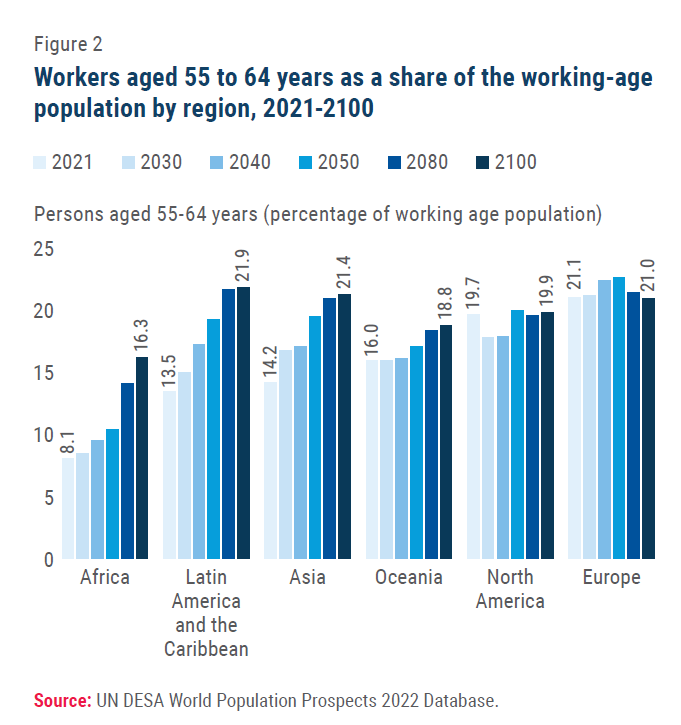
Developed Countries: Graying Populations
Developed nations are experiencing a phenomenon known as population aging. This means declining fertility rates, coupled with increased life expectancy, lead to a larger proportion of older adults.
- Labor Shortages: A shrinking workforce can lead to labor shortages in critical sectors like healthcare and infrastructure. This can hinder economic growth and put a strain on social security systems.
- Strain on Resources: With more retirees and fewer working-age adults, the burden of funding social programs like healthcare and pensions increases.
- Social Unrest: Intergenerational tensions may rise as younger generations struggle to support a growing elderly population.
Developing Countries: The Youth Bulge
Developing countries, on the other hand, often face rapid population growth. This is fueled by factors like high fertility rates and improvements in healthcare.
- Resource Scarcity: Rapid population growth can strain resources like food, water, and housing, leading to poverty and environmental degradation.
- Unemployment: Creating enough jobs for a burgeoning workforce can be difficult, leading to high unemployment and underemployment.
- Social Unrest: Youth bulges, with a large population segment facing unemployment and limited opportunities, can contribute to social unrest and political instability.
The Interconnected World
While the challenges seem distinct, the reality is interconnected. Developed countries may increasingly rely on immigration from developing nations to fill labor shortages. On the other hand, instability in developing countries due to population pressures can have global repercussions through migration and conflict.
Addressing these demographic challenges requires a multifaceted approach. Developed nations might need to raise retirement ages, invest in automation, and encourage immigration. Developing countries can prioritize education, family planning services, and economic development to create jobs and improve living standards.
Demographic trends present both challenges and opportunities. Recognizing the contrasting situations of developed and developing countries allows us to work towards solutions that ensure a sustainable and prosperous future for all.
Women’s Education and Family Planning: Empowering Choices — Educating women is not just about social justice; it’s a powerful tool that directly impacts family planning and demographics. Here’s how:
Education and Informed Decisions
Education equips women with knowledge and critical thinking skills. They gain a better understanding of:
- Reproductive health: Educated women are more likely to be aware of their reproductive system, menstrual cycles, and family planning options.
- Contraception: Education empowers women to understand different contraceptive methods, their effectiveness, and potential side effects.
- Child health: Education allows women to make informed decisions about prenatal care, child nutrition, and disease prevention.
Statistics: Education & Smaller, Well-Spaced Families
Research consistently shows a strong correlation between women’s education and family planning choices:
- Reduced Fertility Rates: Studies by organizations like [FPHiG] (Family Planning & Health) show that women with no education have, on average, 3 more children than those with secondary or higher education.
- Increased Contraceptive Use: Educated women are more likely to use modern contraception, leading to smaller families and planned pregnancies.
- Improved Child Spacing: Education allows women to understand the benefits of spacing births for their own health and their children’s well-being.
Demographic Transition and Women’s Empowerment
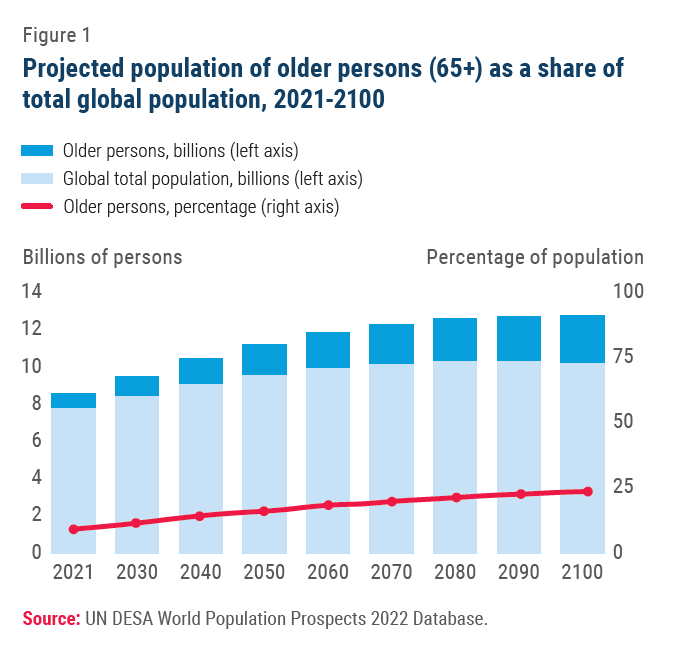
The Demographic Transition is a model describing the shift from high birth and death rates to low birth and death rates as a country develops. Education plays a crucial role in this transition by empowering women to participate:
- Delayed Marriage: Education often leads to later marriage, giving women more time to pursue education and careers before starting a family.
- Increased Opportunity Costs: Education opens doors to employment and financial independence. This can influence women to have fewer children to focus on their careers and maintain a higher standard of living.
- Improved Health Outcomes: Education empowers women to seek prenatal care and make informed choices about child health, leading to a decline in infant mortality.
By investing in girls’ education, we empower women to make informed decisions about their families. This not only improves their health and well-being but also plays a significant role in achieving a smooth demographic transition, fostering economic growth, and creating a brighter future for all.
Women’s Empowerment and Economic Participation: A Growth Engine — A more educated and qualified female workforce isn’t just about equality; it’s a powerful economic driver. Here’s how:
Economic Benefits of an Educated Female Workforce
- Increased Productivity: Educated women bring a wider range of skills and knowledge to the workforce, leading to increased productivity and innovation across sectors.
- Enhanced Talent Pool: By tapping into the full talent pool, including women, economies gain access to a larger pool of qualified workers, fostering competition and driving up skill levels.
- Diversification of Ideas: Gender diversity in leadership and decision-making leads to a wider range of perspectives, fostering better problem-solving and business strategies.
Examples of Increased Female Participation Boosting GDP
- The McKinsey Global Institute estimates that advancing women’s equality could add up to $28 trillion to the global GDP by 2025.
- The World Bank reports that countries with higher female labor force participation tend to have higher GDP per capita. For example, Rwanda’s focus on girls’ education and increasing female entrepreneurship has been linked to its impressive economic growth.
The Gender Dividend: A Catalyst for Growth
The “gender dividend” refers to the economic benefits that accrue when women are empowered to participate fully in the workforce. This includes:
- Increased Labor Supply: As women enter the workforce, the overall labor supply increases, boosting economic output.
- Enhanced Human Capital: Education and skills development of women create a more qualified workforce, driving innovation and productivity.
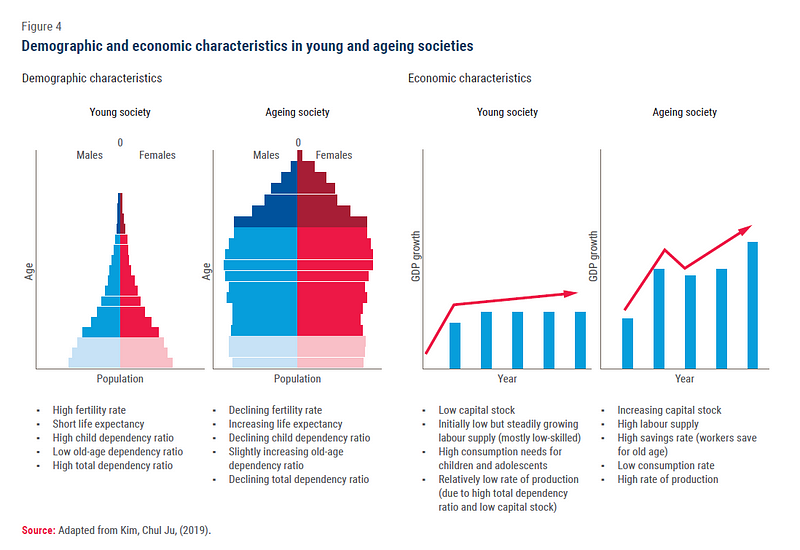
- Demographic Dividend: In countries with declining birth rates, female labor force participation can help offset the economic impact of an aging population.
Investing in women’s education and removing barriers to their participation in the workforce is not just the right thing to do; it’s a smart economic strategy. By unlocking the full potential of women, countries can achieve sustainable economic growth, greater innovation, and a more prosperous future for all.
Case Studies: Women’s Education and Economic Powerhouse —
Developed Country Example: Japan
Japan faces a rapidly aging population and a shrinking workforce. However, the country has taken significant strides to leverage its educated female workforce to maintain economic stability.
- Investing in Education: Japan boasts high literacy rates for both men and women. This ensures a skilled talent pool, with women prominently contributing in sectors like technology, healthcare, and education.
- Workforce Participation: Despite traditional gender roles, Japan has seen a rise in female labor force participation. Government policies like subsidized childcare and flexible work arrangements are encouraging.
- **Innovation and Productivity: **A diverse workforce fosters innovation. Japan’s female scientists and engineers are playing a crucial role in technological advancements, a key driver of economic growth.
Developing Country Example: Rwanda
Rwanda has emerged as a powerful example of how investing in girls’ education can lead to positive demographic and economic transformations.
- Education Focus: Following the devastating genocide, Rwanda prioritized girls’ education. Today, girls have higher enrollment rates than boys in primary and secondary schools.
- Demographic Improvements: Education has empowered Rwandan women to make informed family planning choices, leading to a decline in fertility rates. This eases pressure on resources and allows for investments in other areas.
- Economic Growth: With more women entering the workforce, Rwanda’s economy has seen significant growth. Women are entrepreneurs, farmers, and business leaders, contributing to a diversified and thriving economy.
These examples highlight the universality of the link between women’s education and economic development. Developed countries leverage educated women to adapt to demographic shifts, while developing countries use education to empower women and propel economic growth. By investing in girls’ education and removing barriers to women’s participation in the workforce, all countries can unlock a powerful engine for a more prosperous and sustainable future.
Strategies for Bridging the Gender Gap: Empowering Women through Education and Opportunity
The gender gap persists in education and the workplace. To bridge this divide, we need multifaceted strategies that empower girls and women:
Education
- Increase Access to Quality Education: Invest in building and maintaining schools, particularly in rural areas, to ensure girls have equal access to education.
- Scholarship Programs: Provide targeted scholarships for girls from underprivileged backgrounds to overcome financial barriers to education.
- Dismantle Social Barriers: Address cultural norms that discourage girls’ education. Community outreach programs and awareness campaigns can play a crucial role.
- Promote STEM Education for Girls: Encourage girls’ participation in science, technology, engineering, and math (STEM) fields by providing role models, mentorship programs, and engaging STEM curricula.
Workplace
- Parental Leave Policies: Implement gender-neutral parental leave policies that allow both mothers and fathers to share childcare responsibilities, encouraging women to stay in the workforce.
- Combating Workplace Discrimination: Enforce strong anti-discrimination laws and provide mechanisms for reporting and addressing gender bias in recruitment, promotion, and pay.
- Promote Mentorship Programs: Connect female professionals with experienced mentors who can provide guidance, support career development, and advocate for their advancement.
- Flexible Work Arrangements: Offer flexible work schedules, part-time options, and remote work opportunities to allow women to balance work and family commitments.
- Invest in Upskilling and Reskilling Programs: Provide women with access to training and development programs to help them stay competitive in the evolving job market.
Additional Strategies
- Media Representation: Promote positive media portrayals of women in leadership roles and diverse career paths to break down stereotypes.
- Financial Inclusion: Empower women through access to financial services like loans and credit, allowing them to pursue entrepreneurial ventures and build financial independence.
- Healthcare Access: Ensure affordable and accessible healthcare services, including reproductive healthcare, to improve women’s overall well-being and participation in society.
By working together, governments, businesses, NGOs, and individuals can create a world where all girls and women have the opportunity to reach their full potential.
Conclusion: A Sustainable Future with Empowered Women —
The world faces complex challenges — from demographic shifts to economic instability. The key to a sustainable future lies in unlocking the full potential of all its people, and that includes empowering women.
Women’s education and economic participation are not just about equality; they are fundamental drivers of a prosperous and stable future. An educated female workforce fosters innovation, boosts economic growth, and allows countries to adapt to demographic changes. When women have the opportunity to contribute fully to society, everyone benefits.
Investing in girls’ education is not just a moral imperative; it’s a smart economic strategy. Educated women make informed choices about their families, leading to demographic stability and a more manageable strain on resources. Their participation in the workforce fuels economic growth and creates a more diverse and innovative society.
The path to a more equitable and sustainable future is paved with opportunity. We must support initiatives that break down barriers to girls’ education, promote equal opportunities in the workplace, and empower women to lead and contribute. By investing in women, we invest in a brighter future for all.
Let’s work together to bridge the gender gap and create a world where women can thrive, societies can flourish, and the future is filled with opportunity for all.
Thanks.
 Pratik Ghansham Salvi Assistant Professor of Economics | Banking & Finance | IMF Finance & Development Contributor
Leave a comment