The Rising Cost of Food: How Inflation and Climate Change Are Driving Food Grain Prices Higher
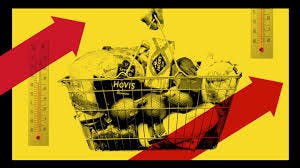
The cost of putting food grains on the table is steadily increasing, leaving a significant impact on the households worldwide. This escalating trend is due to various factors which is primarily driven by inflation and climate change. As these global challenges expanding they pose the serious threat to food security and affordability in different economies.
Inflation which is persistent rise in prices, erodes the purchasing power of consumers and making it difficult to afford essential commodities like food grains — Pulses, vegetables, etc. along with this economic pressure, climate change creates negative impacts on agricultural production and productivity leading to the reduced yields, disrupted supply chains, and increased food prices. From extreme weather events to shifting climatic patterns the impacts of climate change are far-reaching and which is responsible for the inflationary pressures on the food grains.
This article explain the relationship between inflation and climate change, exploring how these factors are responsible for drive up food rices. We will examine the specific ways in which climate change is affecting agricultural production, transportation, and distribution, ultimately impacting the cost of food on our plates. Additionally, we will discuss the socioeconomic implications of rising food prices, particularly for vulnerable populations. By understanding the root causes of this crisis, we can explore potential solutions and strategies to mitigate the impact of inflation and climate change on food security.
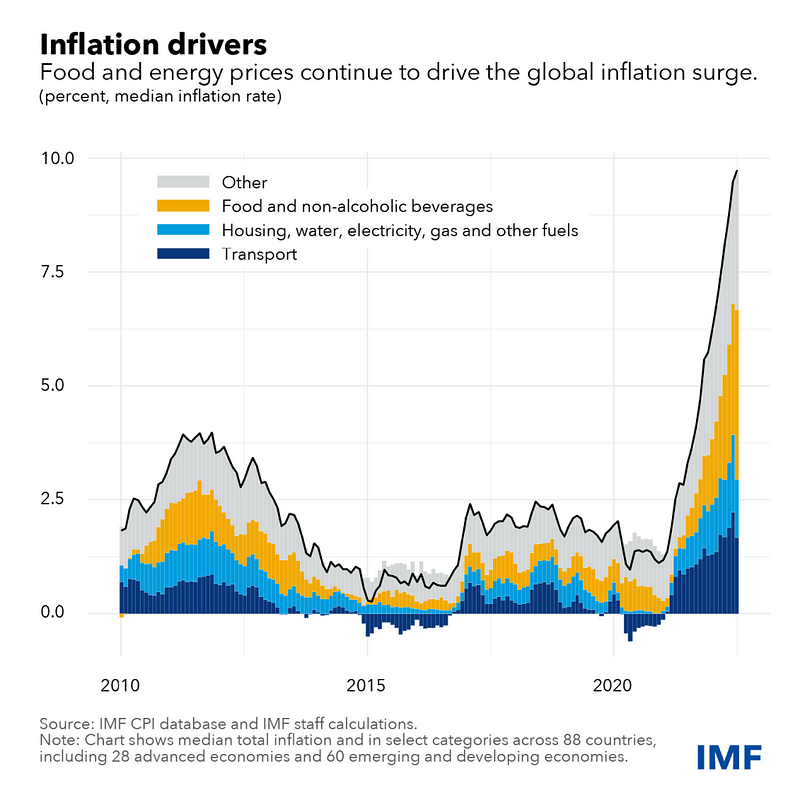
The Impact of Inflation on Food Prices — Inflation, the general increase in prices of goods and services over time, has a significant impact on food prices, affecting both producers and consumers.
Here’s a breakdown of how inflation influences the cost of food:
- Reduced Purchasing Power:
- Eroding Value of Currency: As inflation rises, the purchasing power of currency decreases. This means that the same amount of money can buy fewer goods, including food. It affects the value of currency in the domestic economy.
- Impact on Low-Income Households: This effect is particularly important for low-income households, who spend a larger portion of their income on food. They are forced to make difficult choices, often sacrificing quality or quantity of food to make ends meet. And if affects the standard of living of the people.
2) Increased Input Costs:
- Fertilizers and Pesticides: due to rise in inflation level due to the cost of prices which is known as the cost push inflation affects the farmer’s income in the economy. The rising cost of these essential agricultural inputs directly impacts farmers’ production expenses.
- Fuel: Increased fuel prices affect transportation costs for both farmers and food distributors, leading to higher prices for consumers.
- Labor: As the cost of living rises due to inflation, farmers and food processors may need to pay higher wages to attract and retain workers, further adding to production costs.
3) Supply Chain Disruptions:
- Transportation Bottlenecks: Inflationary pressures can disrupt transportation networks, leading to delays in the movement of food products from farms to markets.
- Storage and Processing Costs: Increased costs of energy and labor for storage and processing facilities can contribute to higher food prices.
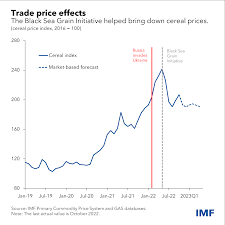
- Global Supply Chain Issues: Global inflationary trends can affect international trade, impacting the availability and cost of imported food items.
4) Some Additional Factors —
Speculation and Hoarding: In times of high inflation, there may be a tendency for speculators to hoard food commodities, leading to artificial price increases.
Government Policies: Government policies, such as subsidies, tariffs, and export restrictions, can also influence food prices.
Consequences:
- Food Insecurity: Rising food prices can lead to food insecurity, particularly for vulnerable populations.
- Malnutrition: Reduced access to affordable and nutritious food can contribute to malnutrition, especially among children and the elderly.
- Social Unrest: High food prices can exacerbate social tensions and even lead to protests and unrest.
Mitigating the Impact:
- Government Interventions: Governments can implement policies to stabilize food prices, such as price controls, subsidies, and social safety nets.
- Sustainable Agriculture: Promoting sustainable agricultural practices can help reduce production costs and improve food security.
- Efficient Supply Chains: Improving the efficiency of food supply chains can help reduce costs and prevent waste.
- Consumer Awareness: Educating consumers about food choices and budgeting can help them make informed decisions and manage their food expenses.
By understanding the complex interplay between inflation and food prices, policymakers, businesses, and individuals can work together to mitigate the negative impacts and ensure food security for all.
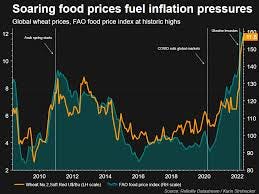
The Role of Climate Change in Food Price Volatility — Its impact on agriculture, a sector highly dependent on weather patterns, can lead to reduced yields, disrupted supply chains, and ultimately, higher food prices.
Extreme Weather Events
- Droughts: Prolonged periods of dry weather can severely impact crop yields, particularly in regions heavily reliant on rainfall. Reduced crop production leads to shortages and price hikes.
- Floods: Excessive rainfall and flooding can destroy crops, damage infrastructure, and disrupt transportation networks, hindering the distribution of food.
- Heatwaves: Extreme heat can stress crops, reducing their yield and quality. High temperatures can also accelerate crop maturation, leading to shorter growing seasons and lower overall production.
Shifting Climate Patterns
- Temperature Changes: Fluctuating temperatures can disrupt traditional planting and harvesting seasons, making it difficult for farmers to adapt their practices.
- Rainfall Variability: Changes in rainfall patterns can lead to either drought or excessive rainfall, both of which can negatively impact agriculture.
- Ocean Acidification: Rising levels of carbon dioxide in the atmosphere are absorbed by oceans, leading to acidification. This can harm marine ecosystems, particularly coral reefs, which support fisheries and coastal communities.
Pest and Disease Outbreaks
- Warmer Temperatures: Higher temperatures can create favorable conditions for pests and diseases to thrive and spread more rapidly.
- Altered Precipitation Patterns: Changes in rainfall can influence the lifecycle and distribution of pests and diseases, making it harder to control them.
These factors, combined with other challenges like geopolitical tensions and economic instability, can exacerbate food price volatility. As climate change continues to intensify, it is crucial to develop resilient agricultural practices and invest in climate-smart technologies to mitigate its impact on food security and affordability.
The Interplay of Inflation and Climate Change on Food Prices —
The combined effects of inflation and climate change pose significant threats to global food security and affordability. These two factors interact in complex ways, amplifying each other’s impact on food prices.
Compounding Effects
- Increased Input Costs: Inflation can drive up the costs of essential agricultural inputs like fertilizers, pesticides, and fuel. Climate change, through extreme weather events and shifting patterns, can further disrupt supply chains and increase the price of these inputs.
- Reduced Yields: Climate-induced factors such as droughts, floods, and heatwaves can significantly reduce crop yields. This, in turn, can lead to food shortages and higher prices. Inflation can exacerbate this problem by increasing the cost of agricultural labor and other production expenses.
- Supply Chain Disruptions: Both inflation and climate change can disrupt global supply chains. Inflation can increase transportation costs and lead to logistical challenges. Climate-related events, such as extreme weather or natural disasters, can damage infrastructure and hinder the movement of food products.
Vulnerable Populations
- Low-Income Households: Rising food prices disproportionately affect low-income households, who spend a larger portion of their income on food. This can lead to food insecurity and malnutrition.
- Marginalized Communities: Vulnerable groups, such as small-scale farmers, indigenous communities, and those living in poverty, are particularly susceptible to the impacts of climate change and inflation. They may lack the resources to adapt to changing conditions or to cope with rising food prices.
Food Security Risks
- Food Shortages: The combined effects of inflation and climate change can lead to food shortages, particularly in regions that are heavily reliant on agriculture. This can drive up prices and limit access to affordable and nutritious food.
- Malnutrition: Rising food prices can force people to choose cheaper, less nutritious foods, leading to malnutrition and related health problems.
- Social Unrest: Food shortages and price spikes can trigger social unrest and political instability.
To mitigate the risks posed by inflation and climate change, it is essential to adopt comprehensive strategies that address both factors. These strategies may include investing in climate-smart agriculture, strengthening social safety nets, promoting sustainable food systems, and implementing policies to reduce inflation.
Potential Solutions and Mitigation Strategies — To address the complex interplay of inflation and climate change on food prices, a multifaceted approach is necessary. Here are some potential solutions and mitigation strategies:
Climate-Smart Agriculture
- Conservation Agriculture: Practices like reduced tillage, crop rotation, and cover cropping can improve soil health, reduce erosion, and enhance water retention.
- Precision Agriculture: Using technology to optimize inputs like water, fertilizers, and pesticides can increase yields and reduce environmental impact.
- Agroforestry: Integrating trees into farming systems can provide shade, improve soil fertility, and diversify income sources.
Diversification of Crops
- Promoting a Variety of Crops: Encouraging farmers to grow a wider range of crops can reduce the risk of crop failures due to climate-related events.
- Developing Alternative Crops: Identifying and promoting alternative crops that are more resilient to climate change can help diversify agricultural production.
Improved Infrastructure
- Investing in Irrigation Systems: Efficient irrigation systems can help farmers cope with water scarcity and ensure reliable crop yields.
- Building Storage Facilities: Adequate storage facilities can help reduce post-harvest losses and stabilize food prices.
- Improving Transportation Networks: Efficient transportation networks can facilitate the movement of food products from farms to markets, reducing transportation costs.
Policy Interventions
- Subsidies and Incentives: Government subsidies can support farmers in adopting sustainable practices and investing in climate-resilient infrastructure.
- Price Controls: In extreme cases, governments may need to implement price controls to prevent excessive price hikes.
- Trade Policies: Fair trade policies can ensure that farmers receive a fair price for their products, while also promoting sustainable practices.
Consumer Awareness and Behavior Change
- Educating Consumers: Raising awareness about the impact of food choices on the environment and the economy can encourage consumers to make more sustainable decisions.
- Reducing Food Waste: Reducing food waste can help alleviate pressure on the food system and reduce the need for increased production.
- Supporting Local Farmers: Buying locally sourced food can support local economies and reduce the environmental impact of long-distance transportation.
By implementing a combination of these strategies, it is possible to mitigate the negative impacts of inflation and climate change on food prices and ensure food security for future generations.
Conclusion — The convergence of inflation and climate change is driving food grain prices to unprecedented heights. The consequences of this trend are far-reaching, affecting individuals, communities, and nations alike. From reduced purchasing power and food insecurity to social unrest and geopolitical tensions, the implications are profound.
Addressing this challenge requires a multi-faceted approach. Governments, businesses, and individuals must work together to implement sustainable solutions that mitigate the impacts of climate change, stabilize food prices, and ensure food security for all. By investing in climate-smart agriculture, diversifying crop production, improving infrastructure, and promoting sustainable consumption practices, we can build a more resilient and equitable food system.
Thanks.
 Pratik Ghansham Salvi Assistant Professor of Economics | Banking & Finance | IMF Finance & Development Contributor
Leave a comment