The Electric Vehicle Industry and Global Supply Chains : New Landscape of International Trade
The automotive industry, a cornerstone of global economies, is undergoing a seismic shift. The lectric vehicles (EVs) industry is rapidly expanding which reshaping not only the way we commute but also the complex web of international trade. As EV adoption surges worldwide, supply chains are evolving to meet the demands of this burgeoning industry. This transformation is marked by new challenges and opportunities, as nations vie for dominance in the race to electrify transportation.
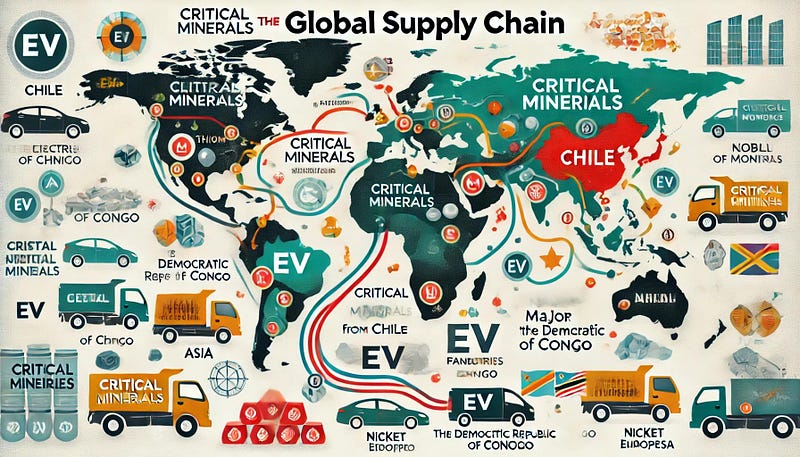
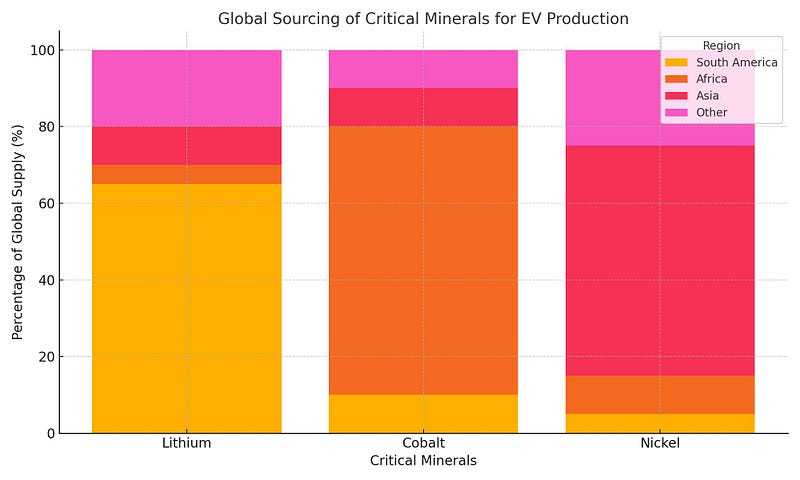
The transition to EVs is more than just a technological advancement; it’s a geopolitical and economic game-changer. The production of EVs requires a diverse range of critical minerals, such as lithium, cobalt, and nickel, which are often sourced from specific regions. This geographical concentration of resources has significant implications for global trade, creating both dependencies and strategic advantages.
Moreover, the manufacturing of EVs involves complex supply chains that span multiple continents. From battery cell production to electric motor assembly, each stage of the process requires specialized expertise and components sourced from various countries. This intricate network of suppliers and manufacturers highlights the interconnectedness of the global economy and the potential vulnerabilities that may arise from disruptions in any part of the chain.
In the following sections, we will delve deeper into the key factors shaping the EV industry and its impact on international trade. We will explore the geopolitical implications of resource dependencies, the challenges and opportunities for developing countries, and the role of government policies in fostering EV adoption and supply chain resilience. By understanding the dynamics of this emerging landscape, we can better anticipate the future of global trade and position ourselves to capitalize on the opportunities presented by the electric vehicle revolution.
Critical Raw Materials and Resource Dependencies —
The burgeoning EV industry has ignited a global scramble for critical raw materials. These materials, including lithium, cobalt, nickel, and rare earth elements, are essential components of EV batteries and electric motors. The growing demand for EVs has led to a surge in the consumption of these resources, placing immense pressure on global supply chains.
Geographic Concentration and Supply Chain Vulnerabilities
A significant challenge for the EV industry is the geographic concentration of critical mineral resources. For instance, South America, particularly Chile and Argentina, possesses substantial lithium reserves. The Democratic Republic of Congo (DRC) is a major source of cobalt, a crucial element for battery cathodes. This concentration of resources in specific regions raises concerns about supply chain vulnerabilities.
Resource nationalism, where countries impose restrictions on the export of critical minerals to protect their domestic industries, is another risk. Such policies can disrupt global supply chains and increase the cost of EV production.
Emerging Mining Projects and Alternative Sourcing Strategies
To mitigate supply chain risks and ensure a steady supply of critical materials, various strategies are being explored:
- New Mining Projects: Companies are investing in new mining projects in regions with abundant resources, such as Australia, Canada, and the United States.
- Recycling and Reuse: Recycling EV batteries can recover valuable materials, reducing reliance on primary mining.
- Alternative Materials and Technologies: Research and development efforts are focused on identifying alternative materials and technologies that can reduce the demand for critical minerals or improve battery performance.
By diversifying supply chains, investing in new mining projects, and exploring alternative sourcing strategies, the EV industry aims to secure a reliable supply of critical raw materials and mitigate the risks associated with resource dependencies.
Battery Manufacturing and Technology Race —
The race to dominate the EV market is closely tied to battery manufacturing capabilities. Countries and companies that can secure a strong foothold in battery production will have a significant competitive advantage.
Asian Dominance
Currently, Asia, particularly China, South Korea, and Japan, dominates the global battery manufacturing landscape. These countries have invested heavily in research and development, manufacturing infrastructure, and supply chain integration. Chinese companies like CATL and BYD have emerged as leading battery suppliers, benefiting from government support and a robust domestic market.
Global Shift in Battery Production
Recognizing the strategic importance of battery technology, many countries in Europe and North America are investing in the development of their own battery gigafactories. This shift aims to reduce reliance on Asian suppliers, enhance domestic supply chain resilience, and create high-value jobs.
Technology Innovation and Supply Chain Implications
The rapid pace of technological innovation in the battery industry is reshaping supply chain requirements. Advancements in battery chemistry, such as nickel-cobalt-manganese (NCM) and lithium-iron-phosphate (LFP) batteries, are driving demand for specific materials and components. Additionally, the emergence of solid-state battery technology, which promises higher energy density and improved safety, could revolutionize the industry and create new supply chain opportunities.
As battery technology evolves, so too will the global supply chain. Companies and governments must stay ahead of the curve to secure a competitive edge in the EV market.
Shifting Manufacturing Patterns —
The global automotive industry is undergoing a profound transformation as the shift towards electric vehicles (EVs) accelerates. This shift is reshaping traditional manufacturing patterns and creating new opportunities for countries and companies alike.
Traditional Automotive Hubs vs. New EV Manufacturing Centers —
Historically, automotive manufacturing has been concentrated in a few key regions, such as Europe, North America, and Japan. These regions have established supply chains, skilled labor forces, and strong automotive cultures. However, the rise of EVs is challenging this traditional landscape.
New players, particularly in Asia, are emerging as significant EV manufacturing centers. China, in particular, has become a global leader in EV production and sales, driven by strong government support, a robust domestic market, and a rapidly developing supply chain. Other countries, such as South Korea and India, are also investing heavily in EV manufacturing and are poised to become major players in the global market.
China’s Role as the World’s Largest EV Market and Producer —
China’s dominance in the EV market is a result of various factors, including:
- Strong government support: The Chinese government has implemented supportive policies, such as subsidies and infrastructure development, to promote EV adoption.
- Robust domestic market: China’s vast population and growing middle class have created a massive domestic market for EVs.
- Advanced battery technology: Chinese companies have made significant strides in battery technology, particularly in terms of energy density and cost-effectiveness.
- Integrated supply chain: China has developed a comprehensive supply chain for EVs, encompassing battery materials, components, and assembly.
Localization Trends and Regional Production Networks —
To reduce risks associated with global supply chains and to comply with local content requirements, many automakers are pursuing localization strategies. This involves setting up manufacturing facilities and sourcing components locally to reduce reliance on imports.
Regional production networks are also emerging, where countries within a specific region collaborate to develop a shared supply chain. This approach can help to reduce costs, improve efficiency, and enhance competitiveness.
Impact on Traditional Automotive Supply Chains and Suppliers —
The shift towards EVs is disrupting traditional automotive supply chains. Internal combustion engine (ICE) components, such as transmissions and exhaust systems, are becoming less relevant. In contrast, demand for components like batteries, electric motors, and power electronics is surging.
Traditional automotive suppliers are facing significant challenges and opportunities. Some suppliers are adapting to the new landscape by developing EV-specific products and services, while others may need to pivot or exit the market.
Integration of Software and Electronics Supply Chains —
EVs are increasingly becoming software-defined vehicles, with advanced features such as autonomous driving, over-the-air updates, and connectivity. This trend is driving the integration of software and electronics supply chains into the automotive industry.
Traditional automotive companies are partnering with technology companies to develop advanced software and hardware solutions. This integration is reshaping the competitive landscape and creating new opportunities for technology companies to enter the automotive market.
Trade Policy and Economic Security —
The rapid growth of the EV industry has significant implications for international trade policy and economic security. Governments around the world are implementing various strategies to promote EV production, secure critical resources, and protect their domestic industries.
Government Incentives and Subsidies for EV Production
To stimulate EV adoption and domestic manufacturing, many governments have introduced generous incentives and subsidies. These incentives can include tax breaks, purchase subsidies, and infrastructure investments. For example, the United States, China, and the European Union have implemented significant subsidies to support EV production and research and development.
Local Content Requirements and Rules of Origin
Local content requirements and rules of origin are trade policies that mandate a certain percentage of a product’s value to be sourced domestically. These policies can be used to protect domestic industries, create jobs, and reduce reliance on foreign suppliers. However, they can also lead to trade tensions and higher costs for consumers.
Trade Tensions and Technology Transfer Concerns
The increasing geopolitical rivalry between major powers, particularly the United States and China, has led to trade tensions and concerns about technology transfer. These tensions can impact the global EV supply chain, as countries may impose tariffs, export controls, or other trade barriers on EV components and technologies.
Battery Supply Chain Nationalism
The critical role of batteries in the EV ecosystem has led to a surge in battery supply chain nationalism. Countries are seeking to secure domestic battery production capabilities and reduce reliance on foreign suppliers. This trend has implications for the global distribution of battery manufacturing capacity and the availability of critical minerals.
Critical Minerals Diplomacy and Strategic Partnerships
The demand for critical minerals, such as lithium, cobalt, and nickel, has intensified due to the growth of the EV industry. Countries rich in these resources have become increasingly important geopolitical players. Strategic partnerships and diplomatic efforts are being used to secure access to these critical minerals and to reduce supply chain vulnerabilities.
In conclusion, the EV industry is reshaping the global trade landscape and raising complex geopolitical issues. Governments, businesses, and consumers must navigate these challenges to ensure a sustainable and equitable transition to electric mobility.
Environmental and Sustainability Considerations
While EVs offer significant potential for reducing greenhouse gas emissions, it’s important to consider the environmental impact of their entire lifecycle, from raw material extraction to end-of-life disposal.
Carbon Footprint of EV Supply Chains
The production of EVs, particularly batteries, can have a substantial carbon footprint. Mining and refining critical minerals, such as lithium and cobalt, often involves energy-intensive processes and can lead to environmental degradation. Additionally, the manufacturing of batteries and electric vehicles requires significant energy input.
Circular Economy Initiatives and Battery Recycling
To minimize the environmental impact of EVs and reduce reliance on primary resources, circular economy principles are being applied. Battery recycling is a crucial component of this approach, as it allows for the recovery of valuable materials such as lithium, cobalt, and nickel. By recycling batteries, we can reduce the demand for mining new resources and lower the carbon footprint of EV production.
Environmental Standards and Compliance
To ensure that EV production and use have minimal negative environmental impact, strict environmental standards and regulations are being implemented. These standards cover various aspects, including:
- Mining practices: Sustainable mining practices, such as responsible water management and waste reduction, are essential to minimize the environmental impact of raw material extraction.
- Manufacturing processes: Energy-efficient manufacturing processes and the use of renewable energy sources can reduce the carbon footprint of EV production.
- Vehicle emissions and performance: Stringent emissions standards and fuel economy regulations ensure that EVs meet environmental performance requirements.
- End-of-life vehicle recycling: Proper recycling and disposal of EVs and their components are crucial to minimize waste and environmental pollution.
Impact on Global Emissions Reduction Goals
The widespread adoption of EVs has the potential to significantly reduce global greenhouse gas emissions. By replacing gasoline and diesel vehicles with electric vehicles, we can reduce reliance on fossil fuels and lower emissions from the transportation sector. However, to realize the full environmental benefits of EVs, it is essential to address the environmental impacts of their production and disposal, as well as the generation of electricity used to charge them.
By prioritizing sustainability, investing in clean energy sources, and implementing effective recycling programs, the EV industry can contribute to a more sustainable future.
Market Access and Standards —
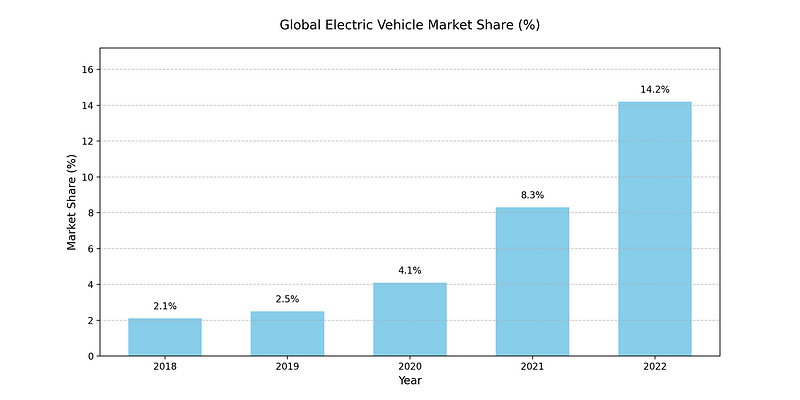
The global market for electric vehicles (EVs) is rapidly evolving, and market access and standards are crucial factors influencing the success of EV manufacturers and consumers.
Technical Standards and Certification Requirements
Different countries and regions have their own technical standards and certification requirements for EVs. These standards cover various aspects, including vehicle safety, emissions, energy efficiency, and electromagnetic compatibility. Manufacturers must comply with these standards to sell their vehicles in specific markets.
Charging Infrastructure Compatibility
A robust and accessible charging infrastructure is essential for the widespread adoption of EVs. However, different countries and regions may use different charging standards and plugs. This can create challenges for EV owners, especially when traveling across borders. To address this issue, international standards for charging infrastructure are being developed to ensure compatibility and interoperability.
Trade Barriers and Non-Tariff Measures
Trade barriers and non-tariff measures, such as tariffs, quotas, and import regulations, can hinder the international trade of EVs and their components. These barriers can increase the cost of EVs and limit consumer choice.
Regional Market Access Conditions
Regional trade agreements, such as the European Union and ASEAN, can facilitate market access for EVs by eliminating tariffs and harmonizing standards. However, these agreements may also impose specific requirements, such as local content rules, that can impact the competitiveness of EV manufacturers.
Harmonization of Standards and Regulations
Harmonizing standards and regulations across different countries and regions can simplify market access for EV manufacturers and reduce costs. International organizations, such as the International Organization for Standardization (ISO) and the International Electrotechnical Commission (IEC), play a crucial role in developing global standards for EVs and their components.
By addressing these challenges and working towards harmonization, policymakers and industry stakeholders can create a more level playing field for the global EV market, promoting innovation, reducing costs, and accelerating the transition to sustainable transportation.
Labor Market Implications
The rapid growth of the electric vehicle (EV) industry is significantly reshaping the global labor market. This transition is characterized by both challenges and opportunities, impacting various industries and regions.
Skills Requirements and Workforce Transition
The shift from traditional internal combustion engine (ICE) vehicles to EVs requires a new set of skills and expertise. Workers in the automotive industry need to acquire knowledge and skills in areas such as:
- Battery technology
- Electric motor systems
- Software and electronics
- Autonomous vehicle technology
- Renewable energy
This transition necessitates significant workforce training and upskilling programs to equip workers with the necessary skills.
Impact on Traditional Automotive Employment
The transition to EVs is likely to disrupt traditional automotive employment patterns. Jobs in ICE vehicle manufacturing, such as engine assembly and transmission production, may decline. However, new job opportunities will emerge in areas such as battery manufacturing, electric motor assembly, and software development.
New Job Creation in EV-Related Industries
The EV industry is creating a wide range of new jobs, including:
- Manufacturing: Battery cell and module manufacturing, electric motor assembly, and vehicle assembly.
- Engineering and R&D: Battery research, electric powertrain development, and autonomous vehicle technology.
- Software and IT: Software development, cybersecurity, and data analytics.
- Infrastructure: Charging infrastructure installation and maintenance.
- Sales and Marketing: EV sales, marketing, and customer service.
Regional Economic Development Effects
The EV industry can have significant regional economic development effects. Regions with strong manufacturing capabilities, research institutions, and a skilled workforce are well-positioned to attract EV investments and create high-value jobs. Additionally, the development of charging infrastructure can stimulate local economies and create employment opportunities.
Labor Standards and Working Conditions
As the EV industry expands, it is crucial to ensure fair labor standards and safe working conditions throughout the supply chain. This includes:
- Worker rights: Fair wages, reasonable working hours, and safe working environments.
- Ethical sourcing: Ensuring that raw materials, such as lithium and cobalt, are sourced ethically and responsibly.
- Supply chain transparency: Tracking the supply chain to identify and address potential labor and environmental issues.
By addressing these labor market implications proactively, policymakers, industry leaders, and workers can ensure a just and sustainable transition to the EV era.
Future Trends and Strategic Implications
The electric vehicle (EV) industry is poised for significant growth and transformation. Several key trends and strategic implications will shape the future of this sector.
Supply Chain Resilience and Risk Management
- Diversification: To mitigate risks associated with supply chain disruptions and geopolitical tensions, companies are diversifying their supply chains by sourcing materials and components from multiple regions.
- Localization: Increasingly, companies are localizing production to reduce transportation costs, mitigate supply chain risks, and comply with local content requirements.
- Digitalization: Advanced technologies like blockchain and AI are being employed to enhance supply chain visibility, traceability, and efficiency.
Vertical Integration vs. Specialized Suppliers
- Vertical Integration: Some companies are pursuing vertical integration strategies, controlling various stages of the value chain, from raw material extraction to vehicle assembly. This approach can offer greater control over costs, quality, and intellectual property.
- Specialized Suppliers: Others are focusing on specialized suppliers, leveraging their expertise in specific areas like battery technology, electric motors, or software. This approach can lead to innovation and cost-efficiency.
Role of Emerging Markets
- Market Growth: Emerging markets, particularly in Asia and Africa, offer significant growth potential for EVs. As these markets mature, they will drive demand for EVs and related components.
- Manufacturing Hubs: Emerging markets are becoming attractive locations for EV manufacturing due to lower labor costs, government incentives, and a growing pool of skilled workers.
Technology Competition and Intellectual Property
- Battery Technology: The development of advanced battery technologies, such as solid-state batteries, is a key area of competition.
- Autonomous Driving: Autonomous driving technology is another area of intense competition, with companies vying for leadership in this field.
- Intellectual Property: Protecting intellectual property rights is crucial for maintaining a competitive edge. Companies are investing heavily in research and development to secure patents and other forms of intellectual property.
Impact on Global Trade Patterns and Economic Power
The EV revolution is reshaping global trade patterns. Countries with abundant critical minerals, advanced manufacturing capabilities, and strong technological innovation are well-positioned to benefit from this shift. As the global economy becomes more electrified, new trade routes and alliances may emerge.
To navigate these future trends, companies and policymakers must adopt a long-term perspective, embrace innovation, and prioritize sustainability. By understanding the strategic implications of the EV industry, we can shape a future that is cleaner, more efficient, and more equitable.
Infrastructure and Supporting Industries —
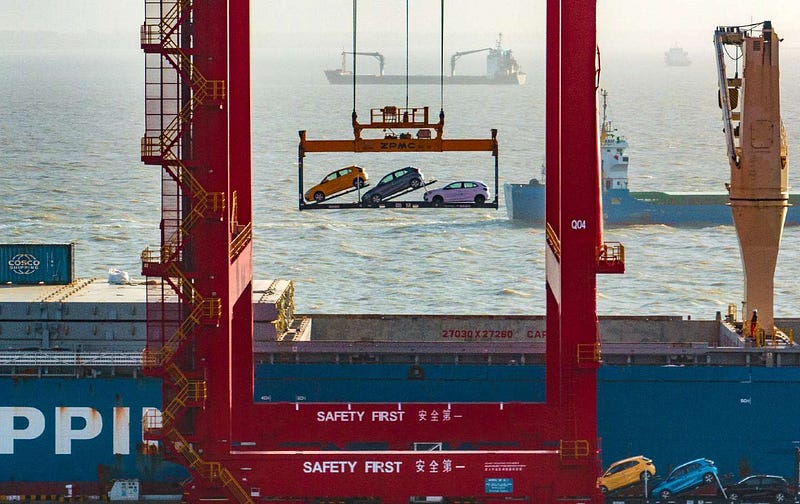
The successful adoption of electric vehicles (EVs) relies heavily on the development of supporting infrastructure and industries.
Charging Network Development
A robust charging network is crucial for EV adoption. This involves:
- Public Charging Stations: Conveniently located charging stations, especially in urban areas and along major highways.
- Private Charging: Home and workplace charging solutions.
- Fast Charging: High-power charging stations that can rapidly charge EVs.
Grid Infrastructure Requirements
The increasing number of EVs will put additional strain on the electricity grid. To accommodate this, utilities will need to:
- Upgrade Grid Infrastructure: Invest in grid upgrades to handle increased electricity demand.
- Implement Smart Grid Technologies: Utilize smart grid technologies to optimize energy distribution and integrate renewable energy sources.
- Demand-Side Management: Implement strategies to manage peak demand and balance the grid.
Software and Digital Services Integration
Digital technologies play a vital role in the EV ecosystem:
- Vehicle-to-Grid (V2G) Technology: Enables EVs to feed electricity back into the grid, helping to balance supply and demand.
- Digital Payment and Charging Solutions: Streamlined payment and charging processes through mobile apps and digital wallets.
- Connected Car Services: Provides real-time information on charging stations, traffic conditions, and other relevant data.
Maintenance and After-Sales Services
A reliable network of maintenance and after-sales services is essential for EV owners. This includes:
- Battery Maintenance: Regular battery health checks and replacement.
- Software Updates: Over-the-air software updates to improve vehicle performance and address security vulnerabilities.
- Repair and Maintenance: Qualified technicians to diagnose and repair EV components.
Impact on Oil and Energy Trade
The transition to EVs has the potential to significantly impact the global oil and energy trade. As EV adoption increases, demand for gasoline and diesel fuel may decline, leading to reduced oil consumption and lower demand for fossil fuels. This shift could have far-reaching implications for oil-producing countries and energy markets.
Recommendations for Stakeholders
Government Policy Considerations
- Incentives and Subsidies: Continue to provide incentives, such as tax breaks and subsidies, to encourage EV adoption and manufacturing.
- Infrastructure Investment: Invest heavily in charging infrastructure, especially in rural and underserved areas.
- Research and Development: Support research and development in battery technology, autonomous driving, and other EV-related technologies.
- Harmonize Standards: Work with international organizations to harmonize standards and regulations, facilitating cross-border trade.
- Environmental Regulations: Implement strict environmental regulations to ensure sustainable mining practices and responsible battery disposal.
Business Strategy Implications
- Supply Chain Resilience: Diversify supply chains, reduce reliance on critical materials, and build strong relationships with suppliers.
- Product Innovation: Continuously innovate to develop advanced EV models with improved range, performance, and safety features.
- Digital Transformation: Embrace digital technologies to enhance customer experiences, optimize operations, and gather valuable data.
- Sustainability: Integrate sustainability into business strategies, focusing on reducing carbon emissions, minimizing waste, and promoting circular economy principles.
- Global Partnerships: Collaborate with international partners to share knowledge, technology, and resources.
International Cooperation Needs
- Global Standards: Work with international organizations to develop and implement global standards for EVs, batteries, and charging infrastructure.
- Supply Chain Cooperation: Foster international cooperation to ensure a stable supply of critical minerals and components.
- Technology Transfer: Facilitate technology transfer and knowledge sharing between countries to accelerate EV development.
- Climate Change Mitigation: Collaborate on international efforts to combat climate change and reduce greenhouse gas emissions.
Standards Development
- Interoperability: Develop and promote interoperable charging standards to ensure seamless charging experiences.
- Safety Standards: Enforce strict safety standards for EVs, including fire safety and battery performance.
- Cybersecurity: Establish robust cybersecurity standards to protect vehicles from cyberattacks.
Sustainability Requirements
- Sustainable Sourcing: Source materials responsibly and ethically, minimizing environmental impact.
- Battery Recycling: Invest in battery recycling technologies to recover valuable materials and reduce waste.
- Energy Efficiency: Design and manufacture energy-efficient EVs to reduce energy consumption.
- Life Cycle Assessment: Conduct life cycle assessments to evaluate the environmental impact of EVs throughout their entire lifecycle.
By addressing these key areas, stakeholders can contribute to the successful transition to a sustainable and electrified future.
Conclusion — The electric vehicle (EV) industry is fundamentally reshaping the global landscape of international trade. As the demand for EVs surges, so too does the complexity of their supply chains. From the mining of critical minerals to the assembly of vehicles, the EV industry is interconnected across continents.
The geographic concentration of critical minerals, such as lithium and cobalt, poses significant challenges and opportunities for nations. While this concentration can create strategic advantages for certain countries, it also highlights the risks of supply chain disruptions and geopolitical tensions.
The rapid evolution of battery technology is driving innovation and reshaping the competitive landscape. Countries and companies that can master battery technology and secure a strong position in the battery supply chain will gain a significant advantage.
The shift towards EVs is also transforming traditional automotive manufacturing patterns. New manufacturing hubs are emerging, and established automotive powers are adapting to the changing landscape. The integration of software and electronics into EVs is further blurring the lines between the automotive and technology industries.
To fully realize the potential of the EV industry, addressing various challenges is essential. These include ensuring a sustainable supply of critical minerals, developing robust charging infrastructure, and mitigating the environmental impact of EV production and disposal. International cooperation, technological innovation, and sound policy frameworks will be crucial to navigating these challenges and shaping the future of the EV industry.
As the world transitions to a more sustainable and electrified future, the EV industry will continue to evolve, driving economic growth, reshaping global trade patterns, and shaping the geopolitical landscape.
Thanks.
 Pratik Ghansham Salvi Assistant Professor of Economics | Banking & Finance | IMF Finance & Development Contributor
Leave a comment