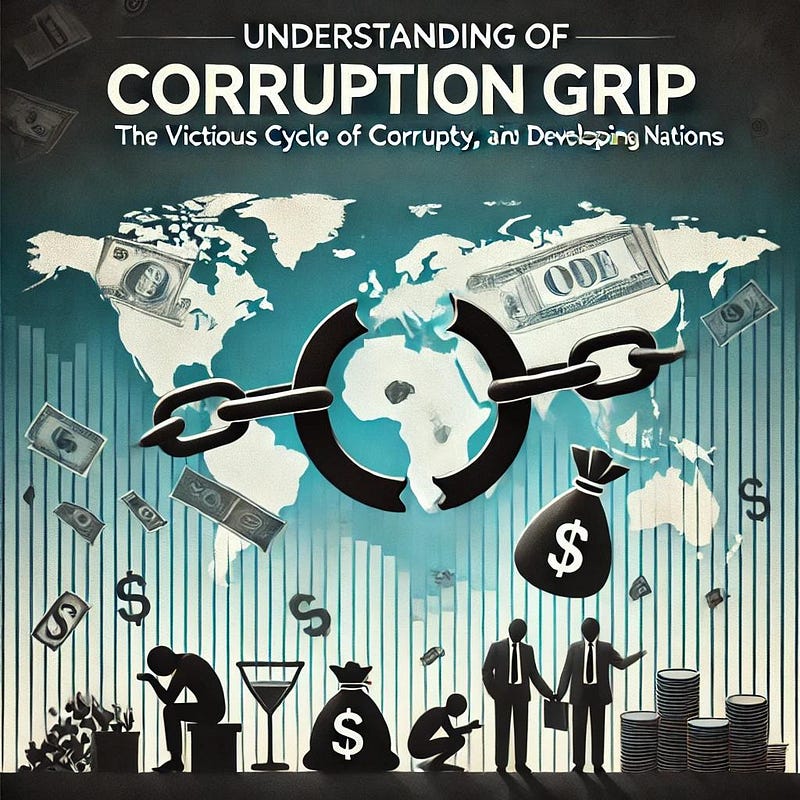
Developing countries faces many economic issues — Poverty, unemployment, slow growth, rising levels of debt and deficit, etc. which negatively affects its economic development. One of the primary cause for this economic issues lies in the widespread corruption at all levels of government as well as private sector in the economy. Importantly, almost all governments try to eradicate this economic issues and formulate specific policies but the problem lies in the implementation of these policies especially in developing countries. Most developed countries implement this policies involving various stakeholders in the economy. While on the other hand, developing and underdeveloped countries lacked in the policy implementation and corruption at executive and buaracratic levels. All this creates vicious circle of corruption, poverty and unemployment which hampers the economic development of the country.
Corruption, a pervasive issue plaguing many developing nations, casts a long shadow over their progress. It’s a silent thief, siphoning resources, stifling innovation, and eroding the foundations of equitable development. 1 This insidious practice, often intertwined with poverty and unemployment, creates a vicious cycle that perpetuates underdevelopment and inequality. In this exploration, we delve into the intricate relationship between corruption, poverty, and unemployment, dissecting how these factors mutually reinforce each other. We will examine the various manifestations of corruption, from grand corruption involving high-level officials to petty corruption affecting ordinary citizens. By understanding the mechanisms through which corruption undermines economic growth, exacerbates poverty, and hinders job creation, we can better appreciate the urgency of addressing this issue.
To illuminate the potential for positive change, we will turn our attention to Singapore, a remarkable example of a nation that has successfully eradicated corruption and achieved rapid economic development. By analyzing the key strategies and institutional reforms implemented by Singapore, we can glean valuable insights into effective anti-corruption measures.
Through a comprehensive analysis of the problem and a comparative study of successful anti-corruption initiatives, this article aims to shed light on the urgent need to combat corruption and promote good governance. By breaking the vicious cycle of corruption, poverty, and unemployment, developing nations can unlock their full potential and embark on a path towards sustainable prosperity.
The Vicious Cycle: Corruption, Poverty, and Unemployment
Corruption, poverty, and unemployment are interrelated issues that often form a vicious cycle. This means that each issue can exacerbate the others, creating a self-perpetuating problem.
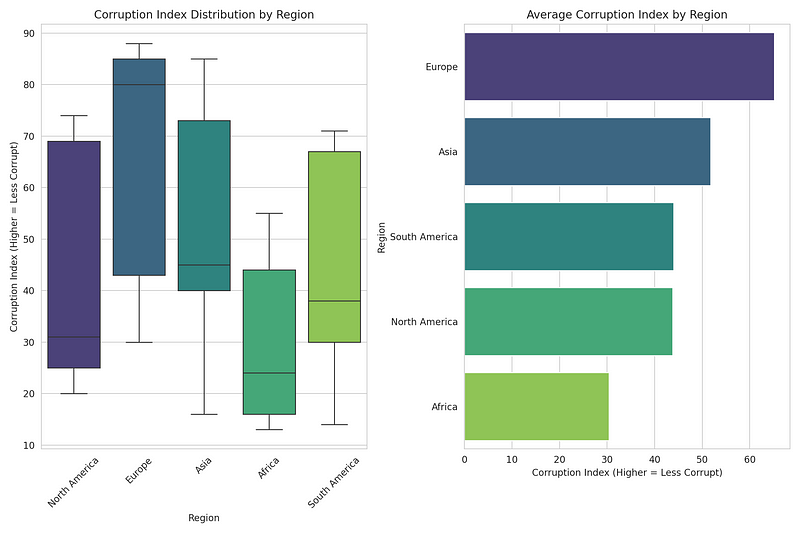
Let’s explore how these issues interact:
Corruption and Poverty:
- Misallocation of Resources: Corruption leads to the diversion of public funds intended for development and social services. This misallocation of resources hampers economic growth, reduces the quality of public services, and exacerbates poverty.
- Inequality: Corruption often benefits the wealthy and powerful, further widening the gap between the rich and the poor. This inequality limits opportunities for the poor and perpetuates the cycle of poverty.
- Reduced Social Services: Corrupt officials may embezzle funds allocated for education, healthcare, and other essential services. This leads to a decline in the quality and accessibility of these services, particularly for the poor, further hindering their ability to escape poverty.
Manifestations of Corruption —
- Grand Corruption: Large-scale corruption involving high-level officials and significant financial losses.
- Petty Corruption: Small-scale corruption involving low-level officials and everyday transactions.
- Political Corruption: Abuse of political power for personal gain.
- Bureaucratic Corruption: Corruption within government bureaucracies.
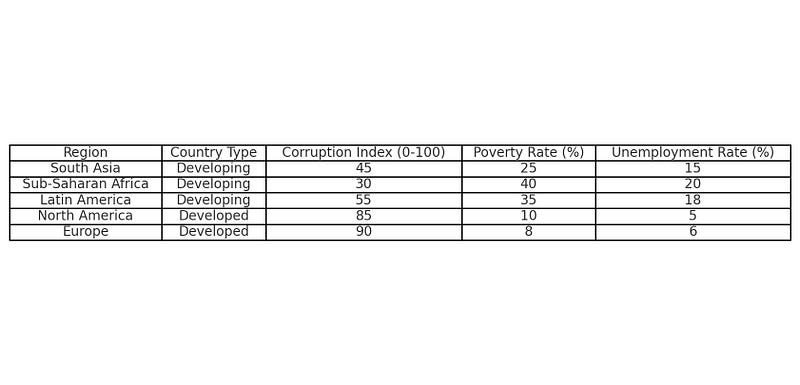
Corruption and Unemployment:
- Hindered Economic Growth: Corruption discourages investment, stifles innovation, and creates an environment of uncertainty, all of which negatively impact economic growth. This, in turn, limits job creation and contributes to higher unemployment rates.
- Stifled Entrepreneurship: Corruption can create barriers for entrepreneurs, such as bribery and red tape. This makes it difficult for new businesses to start and grow, reducing job opportunities.
- Limited Job Creation: Corrupt practices often lead to inefficient allocation of resources and a lack of transparency in government contracts. This limits job creation in both the public and private sectors.
Poverty and Corruption —
- Opportunities for Corruption: Poverty can create desperation and vulnerability, making individuals more susceptible to engaging in corrupt practices. For example, people may resort to bribery to obtain essential services or to secure employment.
- Lack of Access to Justice: Poverty can limit access to legal aid and justice systems, making it difficult for individuals to report and challenge corrupt practices. This can create a culture of impunity, where corruption thrives.
Unemployment and Corruption —
- Increased Desperation and Vulnerability: Unemployment can lead to financial hardship and social marginalization, making individuals more susceptible to corruption. They may be more likely to accept bribes or engage in other unethical practices to survive.
- Limited Opportunities for Social Mobility: Unemployment can limit opportunities for education and skill development, making it difficult for individuals to escape poverty and find meaningful employment. This can further perpetuate the cycle of poverty and corruption.
Breaking the Vicious Cycle — Breaking this vicious cycle requires a multi-faceted approach that addresses both the root causes of corruption and the consequences of poverty and unemployment. Some key strategies include :
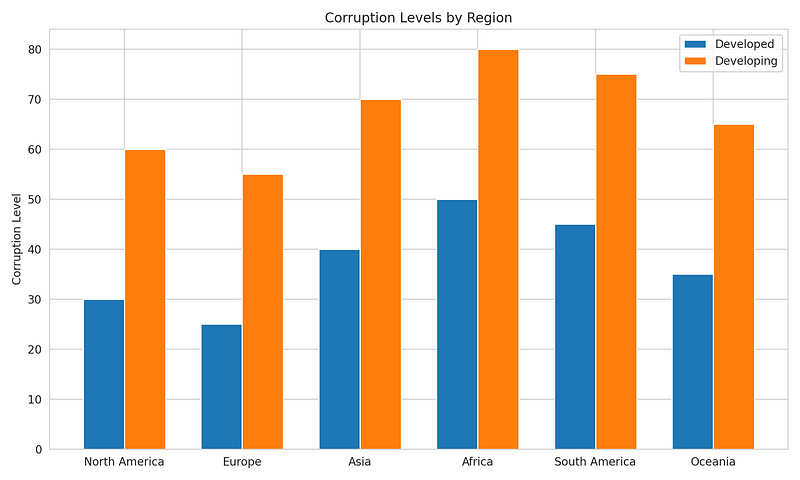
- Strengthening Anti-Corruption Institutions: Establishing strong and independent anti-corruption agencies, implementing transparent procurement processes, and promoting accountability and transparency in government.
- Investing in Education and Skill Development: Providing quality education and training opportunities can empower individuals, increase their employability, and reduce their vulnerability to corruption.
- Promoting Economic Growth and Job Creation: Implementing policies that encourage investment, innovation, and entrepreneurship can create jobs and reduce poverty.
- Enhancing Social Safety Nets: Providing social safety nets, such as social security programs and affordable healthcare, can protect vulnerable populations and reduce their reliance on corrupt practices.
- Empowering Civil Society: Strengthening civil society organizations can play a crucial role in monitoring government activities, advocating for transparency and accountability, and mobilizing citizens to fight corruption.
By addressing these issues comprehensively and implementing effective reforms, it is possible to break the vicious cycle of corruption, poverty, and unemployment and create a more just and equitable society.
Impact of Corruption on Development
Corruption, a pervasive issue that undermines societies and economies worldwide, has a significant negative impact on development. It hinders economic growth, social development, and good governance.
Economic Growth — Corruption significantly hampers economic growth by:
- Discouraging Investment: Corruption creates uncertainty and risk for investors. When businesses perceive a high level of corruption, they are less likely to invest, leading to reduced capital formation and job creation.
- Increasing Transaction Costs: Bribery and other corrupt practices increase the cost of doing business. This can discourage entrepreneurship and innovation, as businesses may spend more time and resources navigating bureaucratic hurdles and paying bribes.
- Reducing Tax Revenue: Corruption can lead to tax evasion, smuggling, and other illicit financial activities. This reduces government revenue, limiting its ability to fund public services and infrastructure projects.
- Inefficient Resource Allocation: Corrupt officials may allocate resources to projects that benefit their personal interests rather than the public good. This misallocation of resources can lead to inefficient use of funds and hinder economic development.
Social Development — Corruption undermines social development by:
- Reducing Access to Public Services: Corrupt officials may divert funds allocated for education, healthcare, and other public services. This reduces the quality and accessibility of these services, particularly for marginalized and disadvantaged groups.
- Exacerbating Inequality: Corruption often benefits the wealthy and powerful, further widening the gap between the rich and the poor. This inequality can limit opportunities for the poor and perpetuate a cycle of poverty.
- Weakening Social Cohesion: Corruption can erode trust and social cohesion. When people perceive that the system is rigged, they may become disillusioned and disengaged from civic life.
Governance — Corruption erodes trust in government institutions and weakens the rule of law. It can lead to:
- Political Instability: Corruption can undermine democratic processes, lead to electoral fraud, and weaken the rule of law. This can create a climate of impunity, where politicians can act with impunity, knowing that they are unlikely to be held accountable.
- Weakened Institutions: Corruption can weaken government institutions by undermining their capacity to deliver public services, enforce laws, and protect citizens’ rights.
- Reduced Accountability: Corrupt officials may be less accountable to the public, as they may use their positions to avoid scrutiny and accountability.
To combat corruption, a comprehensive approach is necessary. This includes strengthening legal frameworks, promoting transparency and accountability, empowering civil society, and fostering a culture of integrity.
Strategies to Combat Corruption
Corruption, a pervasive issue that undermines societies and economies worldwide, requires a multifaceted approach to combat it effectively. Here are some key strategies:
Transparency and Accountability —
- Open Government Data: Making government data accessible to the public can increase transparency and accountability.
- Freedom of Information Acts: Enacting and enforcing strong freedom of information laws can empower citizens to access information and hold officials accountable.
- E-Governance: Utilizing technology to streamline government processes and reduce opportunities for corruption.
- Independent Audits: Conducting regular and independent audits of government finances and operations can help identify and prevent corruption.
Strengthening Institutions —
- Independent Judiciary: A strong and independent judiciary is essential to ensure the rule of law and hold corrupt officials accountable.
- Anti-Corruption Agencies: Establishing dedicated anti-corruption agencies with adequate resources and authority can help combat corruption effectively.
- Civil Service Reforms: Implementing reforms to improve the efficiency, integrity, and accountability of the civil service.
Public Awareness and Education —
- Public Awareness Campaigns: Raising public awareness about the negative consequences of corruption and encouraging citizens to report corruption.
- Education and Training: Incorporating anti-corruption education into school curricula and providing training to public officials.
- Citizen Participation: Encouraging citizen participation in decision-making processes and oversight of government activities.
International Cooperation —
- Multilateral Cooperation: Collaborating with other countries to combat cross-border corruption through international treaties and agreements.
- Asset Recovery: Cooperating with other countries to recover stolen assets and return them to their rightful owners.
- Extradition Treaties: Establishing effective extradition treaties to facilitate the prosecution of corrupt officials.
Economic Reforms —
- Tax Reforms: Implementing tax reforms to reduce tax evasion and increase government revenue.
- Public Procurement Reforms: Implementing transparent and competitive public procurement processes to minimize opportunities for corruption.
- Regulatory Reforms: Simplifying and streamlining regulations to reduce bureaucratic hurdles and corruption.
By combining these strategies, countries can effectively combat corruption and create a more just and equitable society. It is important to note that the success of anti-corruption efforts depends on strong political will, effective implementation, and sustained public support.
Case Study: Singapore — A Model of Anti-Corruption — Singapore stands as a beacon of good governance and economic prosperity, largely due to its unwavering commitment to combating corruption. The nation’s success story can be attributed to several key factors:
Strong Leadership —
- Visionary Leaders: Singapore has been blessed with visionary leaders who have prioritized integrity and transparency. Leaders like Lee Kuan Yew instilled a strong moral compass in the nation’s governance.
- Zero-Tolerance Policy: The government has adopted a zero-tolerance policy towards corruption, making it clear that corrupt practices will not be tolerated.
- Ethical Leadership: Leaders are expected to set high ethical standards and lead by example. This has fostered a culture of integrity among public officials.
Robust Institutions —
- Independent Corrupt Practices Investigation Bureau (CPIB): The CPIB is an independent agency with broad powers to investigate and prosecute corruption cases.
- Strong Judiciary: A strong and independent judiciary ensures that corruption cases are handled impartially and that guilty individuals are punished.
- Transparent Governance: Singapore has implemented various measures to promote transparency and accountability, such as the Public Service Division’s Code of Conduct and the Corruption Prevention Principles.
Public Awareness and Education —
- Anti-Corruption Education: The government has invested in education programs to instill ethical values and awareness of corruption’s harmful effects.
- Public Service Values: Public servants are instilled with a strong sense of public service and integrity.
- Community Engagement: The government encourages public participation in the fight against corruption through initiatives like the Community Against Corruption.
Severe Penalties —
- Strict Laws: Singapore has enacted strict anti-corruption laws with severe penalties, including imprisonment and hefty fines.
- Deterrent Effect: The fear of severe punishment has served as a powerful deterrent against corruption.
- Swift Justice: The government ensures that corruption cases are investigated and prosecuted promptly.
By combining these elements, Singapore has created a robust anti-corruption framework that has earned the nation a reputation for clean governance and economic prosperity. The country’s success serves as an inspiration for other nations seeking to combat corruption and achieve sustainable development.
Conclusion —
Corruption, a pervasive issue in many developing nations, casts a long shadow over their progress. It is a complex problem with far-reaching consequences, including poverty, unemployment, and social inequality. The vicious cycle of corruption, poverty, and unemployment reinforces itself, making it challenging to break free from this destructive pattern.
To combat corruption effectively, developing nations must adopt a multi-faceted approach. Strong political leadership, robust institutions, public awareness and education, and severe penalties are essential components of a successful anti-corruption strategy. By learning from the experiences of countries like Singapore, these nations can implement effective measures to reduce corruption and promote good governance.
Breaking the grip of corruption is not an easy task, but it is a necessary one. By addressing the root causes of corruption and implementing comprehensive reforms, developing nations can create a brighter future for their citizens. It is imperative to recognize that corruption is not merely a technical issue but a moral one. By fostering a culture of integrity and accountability, we can pave the way for a more just and equitable society.
Thanks.
 Pratik Ghansham Salvi Assistant Professor of Economics | Banking & Finance | IMF Finance & Development Contributor
Leave a comment