The Economic Cost of cash incentives in Maharashtra’s Election : Analysis of Maharashtra’s Fiscal Burden,Asymmetric Information to Voters, Corruption, and Partisan Media Representation
India is one of the biggest democratic country in the world. Recently the richest state in India- Maharashtra has witnessed assembly elections where cash incentives emerged as the controversial, yet, pervasive mechanism of political engagement. In this article we try to understand implications of cash incentives during elections from an economic and democratic perspective. And we analyze how the ruling party government uses information asymmetry, systematic Corruption, control of independent institutions and media manipulation.
Maharashtra’s contribution in India’s GDP is almost 14–15% of total GDP in India. According to the Economic Advisory Council (EAC) report, Maharashtra’s GDP in FY22 was $444 billion, contributing 13% to India’s GDP. It indicated that the state of Maharashtra is the economic powerhouse of India and witnessed a significant escalation in electoral expenditure which transcends campaign financing. Now it is important to note that these finances often create fiscal burdens in the economy due to excess expenditure. Nothing is free in this world, in Public Finance study we understand that if we spend money or expenditure it has certain economic cost. But here the question is who bears this economic cost of election expenditure? Politicians or People? The answer is quite simple — The People.
While this cash incentives during elections to Voters has short- term economic gain but in the long run it creates fiscal burden and excess inflation in the economy. Because in order to finance this expenditure the government often increases taxes on certain commodities which creates both demand pull and cost push inflation in the economy. I already explain this phenomenon in my previous article — “ “Why Voters must focus on Structural Economic issues to shape policies and Inclusive Economic Growth and Development?”
These incentives often reveal critical discontent between electoral processes and fiscal accountability in the country. Now this practice not only reflects direct economic cost to the state’s treasury but it also affects distortions in voter’s behaviour and their accountability. Moreover, this phenomenon is integratedly linked with the asymmetric information which is related to inaccurate and biased information and it creates distortions in the decision making ability of the voters. Ruling Party in Maharashtra leverages cash incentives as a strategic tool to obfuscate substantive policy debates, replacing critical discourse with short-term material inducements. The resultant information ecosystem becomes characterized by selective narrative construction, where voters are systematically deprived of comprehensive understanding of candidates’ capabilities, policy propositions, and long-term governance implications.
Before the assembly elections in Maharashtra, the ruling party government launched (almost 4–5 months before elections) welfare schemes especially women which offered cash incentives on monthly basis up to 1500 rupees and employment schemes to youth. It is important to note that welfare schemes for women and youth are essential to social and economic development of the country. But the issue of unemployment, poverty, malnutrition,etc. These issues are long — run in nature henceforth the government needs to adopt a long run approach to solve these structural issues in the economy. And the question is why the ruling party in Maharashtra adopted these measures before elections? Therefore, voters need to adopt rational economic behaviour and vote for solving long term economic problems instead of short run economic gain.
Another aspect which I discuss in this article is the current status of independent institutions and role of media in India particularly in Maharashtra. What we see in Maharashtra’s political scenario is that opposition parties pressurised by the strong central government institutions which break political parties into fractions and the so called independent institutions like — Enforcement Directorate (ED) and Income Tax Department only raids in opposition party leaders houses and seize their wealth. And the interesting fact is that these institutions release their wealth if they join the ruling party government at centre and states. And this is totally unethical and unconstitutional. Moreover, as we know the role of media is very important for efficient functioning of democracy and here in India we saw partisan media channels which are often financially intertwined with political establishments showing only ruling party agendas.
This analysis aims to deconstruct these interconnected dynamics, offering a rigorous examination of the economic, democratic, and ethical ramifications of cash incentives in Maharashtra’s electoral landscape. By integrating quantitative fiscal analysis, democratic theory, and critical media studies, the article seeks to provide a comprehensive understanding of how seemingly localized electoral practices can profoundly undermine the foundational principles of representative democracy.
Readers please note that I am not supporting any political party agenda my only motive is that how this mechanism works and affects the economy.
Economic Cost Analysis — The electoral landscape in Maharashtra shows that how inducements have systematically eroded the fundamental democratic representation in state and cash incentive before and during election metamorphosed into a sophisticated ecosystem of electoral manipulation which presents the multidimensional challenge and transcends electoral malpractices and adversely affected core democratic governance and economic sustainability.
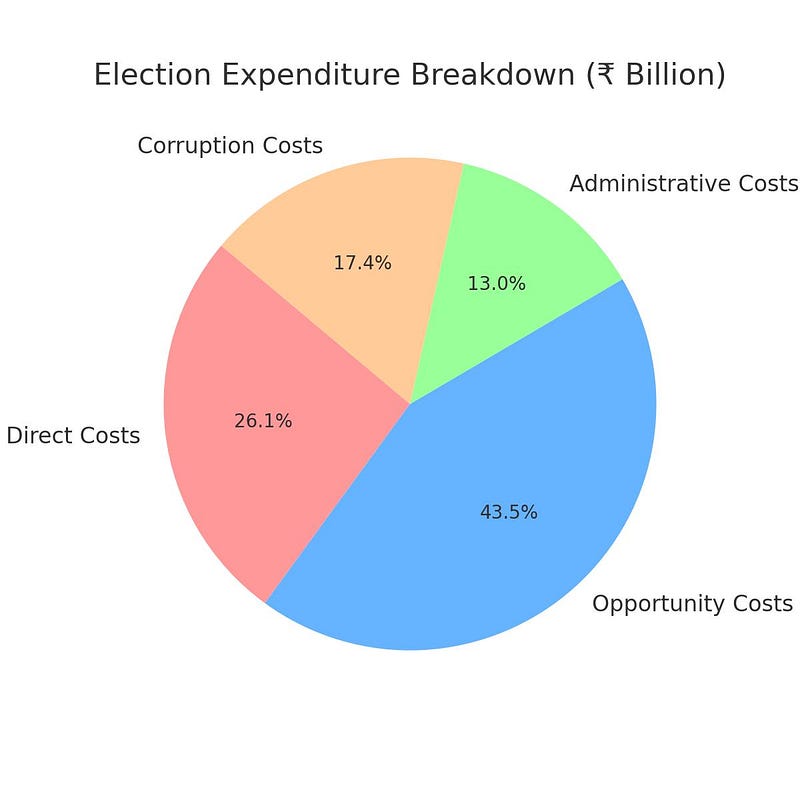
Preliminary investigations suggest that cash incentives in Maharashtra are not isolated incidents but a widespread phenomenon affecting multiple constituencies across urban and rural landscapes. These incentives manifest in various forms:
- Direct Cash Distributions
- Freebies
- Promise of future Economic benefits
- Targeted welfare schemes announced during election periods
Economic Dimensions of Cash Incentives in Elections — Cash incentives, a controversial practice in Indian elections, have significant economic implications. Let’s delve into the detailed analysis:
Quantifying the Economic Cost of Cash Incentives —
- Direct Costs: The direct cost of cash incentives involves the actual amount of money disbursed to voters. This figure can vary significantly depending on the scale of the election, the number of constituencies, and the average amount offered per voter.
- Indirect Costs —
Opportunity Cost: The money spent on cash incentives could have been allocated to other development projects like infrastructure, education, or healthcare, which could have yielded long-term economic benefits.
Administrative Costs: The process of distributing cash incentives involves significant administrative overhead, including manpower, logistics, and security costs.
Corruption Costs: Cash incentives often fuel corruption and malpractices, leading to inefficient allocation of resources and hindering economic growth.
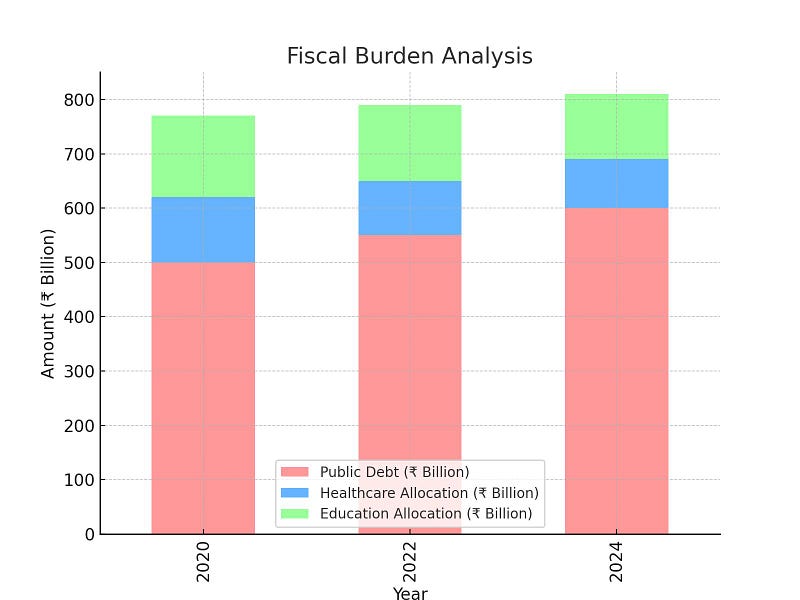
Analyzing the Fiscal Burden Created by Election Expenditures —
- Increased Public Debt: The massive expenditure on elections, including cash incentives, can lead to increased public debt. Governments often resort to borrowing to finance these expenses, which can have long-term implications for fiscal sustainability.
- Reduced Public Spending: Excessive election expenditure can divert funds from essential public services, such as education, healthcare, and infrastructure development. This can negatively impact the overall economic well-being of the population.
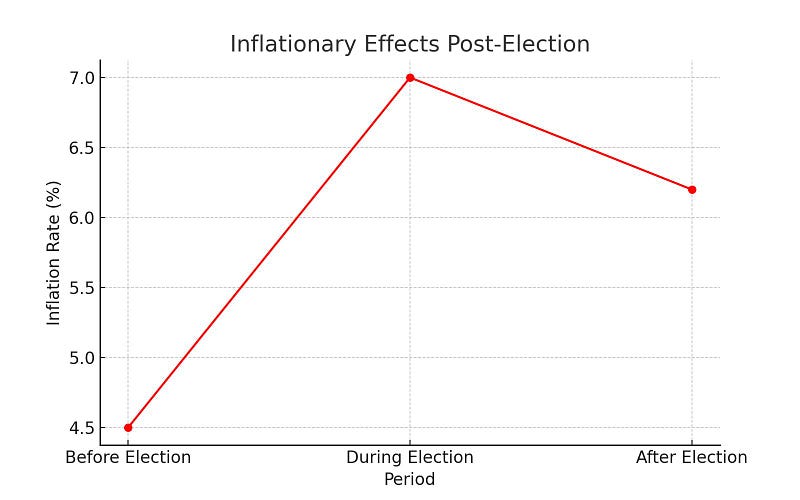
Evaluating How Cash Incentives Contribute to Inflation —
- Demand-Pull Inflation: Cash incentives can lead to increased disposable income in the hands of voters, which can fuel demand for goods and services. If the supply side of the economy cannot keep up with this increased demand, it can lead to inflationary pressures.
- Cost-Push Inflation: In some cases, the increased demand for goods and services due to cash incentives can lead to higher input costs for businesses. These businesses may pass on these costs to consumers in the form of higher prices, contributing to inflation.
Examining the Short-Term vs. Long-Term Economic Implications —
- Short-Term Implications: Cash incentives can provide a temporary boost to consumer spending, which can stimulate economic activity in the short term. However, this effect is often short-lived and can be outweighed by the long-term negative consequences.
- Long-Term Implications: In the long term, cash incentives can undermine democratic processes, reduce voter participation, and erode public trust in the electoral system. This can have a detrimental impact on economic growth and development.
Calculating the Direct and Indirect Economic Impacts on Maharashtra’s Treasury —
- Direct Costs: The direct cost of cash incentives in Maharashtra can be estimated by multiplying the number of voters by the average amount offered per voter.
- Indirect Costs: The indirect costs can be calculated by considering the opportunity cost of funds diverted from development projects, administrative costs, and potential losses due to corruption.
- Fiscal Impact: The overall fiscal impact on Maharashtra’s treasury can be assessed by analyzing the increase in public debt, reduction in public spending, and potential revenue losses due to tax evasion and corruption.
Data-Driven Analysis — To provide a more accurate and comprehensive analysis, it is essential to collect and analyze relevant data, such as:
Expenditure data on previous elections
Voter turnout figures
Economic growth rates
Inflation rates
Public debt levels
Corruption perception indices
By using this data, researchers and policymakers can develop a more nuanced understanding of the economic consequences of cash incentives and formulate effective strategies to mitigate their negative impacts.
It is important to note that the specific economic impacts of cash incentives can vary depending on various factors, including the scale of the incentives, the overall economic conditions, and the effectiveness of regulatory measures. Therefore, it is crucial to conduct a thorough analysis based on empirical data and expert insights.
Electoral Manipulation through Cash Incentives — Electoral manipulation through cash incentives is a practice increasingly employed by political parties to influence voter behavior. This tactic transforms democratic engagement into a transactional exercise, undermining the fundamental principles of free and fair elections. By leveraging strategic welfare schemes and cash incentives, political actors distort voter preferences, often prioritizing short-term gains over long-term governance quality.
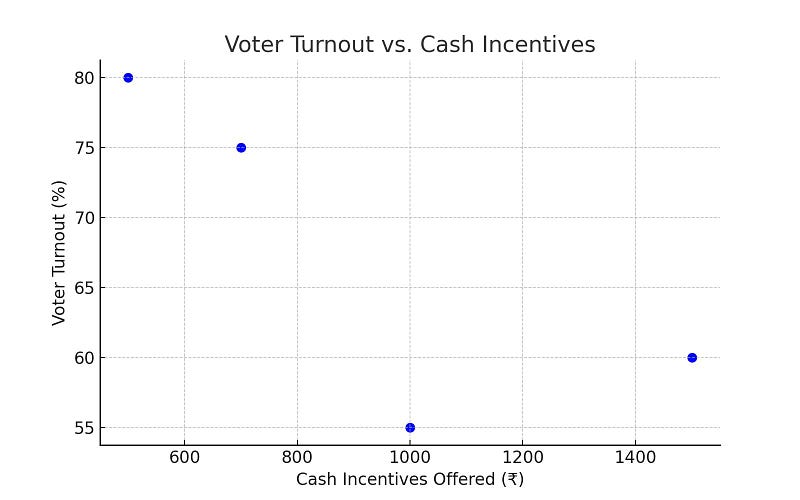
- Strategic Timing of Welfare Schemes — One of the key strategies involves launching welfare schemes strategically, typically 4–5 months before elections. This timing is crucial as it capitalizes on voter memory and sentiment, ensuring that the electorate associates the benefits with the incumbent party or candidate.
For example: Announcing welfare schemes targeting specific demographics like women, farmers, or unemployed youth close to elections creates a perception of immediate benefit. - Media coverage — during this period amplifies the visibility of these schemes, fostering a sense of gratitude or obligation among beneficiaries. Promises of continuity or enhancement of benefits post-election are often coupled with fear mongering about opposing parties discontinuing the schemes.
This strategy manipulates the electorate’s short-term priorities, sidelining the need for systemic reforms or broader policy discussions.
3) Cash Incentive Structures — Cash incentives such as ₹1500 monthly payments for women represent a significant mechanism for direct voter influence. These incentives:
1. Target vulnerable groups — such as low-income households, women, or marginalized communities, ensuring maximum emotional and financial impact.
2. Create a dependency cycle — where beneficiaries view the ruling party as a lifeline for continued financial support.
3. Circumvent accountability — as these payments are often framed as “empowerment” measures rather than electoral incentives.
While these schemes may appear progressive, they often lack sustainability and transparency. Additionally, they divert public funds from critical areas like education, healthcare, and infrastructure to short-term electoral agendas.
4) Distortion of Voter Decision-Making — Cash incentives and strategically timed welfare schemes distort voter decision-making in several ways:
1.Undermining rational choice: Voters are influenced by immediate financial benefits rather than evaluating the long-term implications of policies.
2.Shifting focus from governance: Public discourse moves away from critical issues such as corruption, economic stagnation, and social justice.
3.Promoting clientelism: Politicians cultivate a relationship of dependency rather than fostering empowerment, reinforcing inequitable power dynamics.
For instance, a voter benefiting from a temporary cash incentive might overlook systemic failures like rising unemployment or inadequate public services when casting their vote.
5) Transformation of Democratic Participation into Transactional Engagement — Democratic participation is intended to be a deliberative process where citizens engage in informed decision-making. However, the increasing use of cash incentives transforms this process into a transactional exchange. Key aspects include:
1. Erosion of trust: Voters begin to view elections as opportunities for immediate personal gain rather than mechanisms for collective progress.
2. Weakening of democratic institutions: Electoral processes become arenas for material bargaining, undermining their legitimacy.
3. Cultural normalization: The repeated use of such tactics fosters a culture where voters expect tangible benefits in exchange for votes, further entrenching this practice.
This transactional approach diminishes the role of elections in holding governments accountable and fostering long-term developmental policies.
Electoral manipulation through cash incentives and welfare schemes represents a significant challenge to democratic integrity. While welfare policies are essential in addressing socio-economic disparities, their strategic deployment for electoral gain subverts their original intent. To safeguard democracy, it is crucial to establish stronger regulations, promote voter education, and ensure accountability for political actors exploiting these tactics. Only then can democratic participation move beyond transactional engagement to truly represent the will of the people.
The Asymmetric Information Ecosystem in Politics: The concept of an “asymmetric information ecosystem” refers to a situation where one party (in this case, the ruling party) possesses significantly more information than the other (the voter). This information disparity can be exploited to manipulate public opinion, influence electoral outcomes, and ultimately, shape policy decisions.
How Ruling Parties Use Cash Incentives to Obfuscate Policy Debates?
Short-term Gains, Long-term Costs: By offering immediate financial incentives, ruling parties can distract voters from long-term policy implications. This tactic shifts the focus from critical issues like economic growth, social welfare, and environmental sustainability to short-term personal benefits.
Drowning Out Dissent: Cash incentives can silence dissent and critical voices. When voters are preoccupied with immediate gains, they may be less likely to question the government’s actions or participate in protests and demonstrations.
- Creating a Sense of Dependency: By providing financial support, ruling parties can create a sense of dependency among voters, making them more susceptible to manipulation and less likely to demand accountability.
Selective Narrative Construction in Media
Controlled Messaging: Ruling parties often exert influence over media outlets, either directly or indirectly, to shape the narrative. This can involve selective reporting, biased coverage, and outright propaganda. - Amplifying Favorable Narratives: Positive news about the government’s achievements is amplified, while negative coverage is suppressed or downplayed. This creates a distorted picture of reality, making it difficult for voters to assess the true performance of the ruling party.
- Creating a Hostile Environment for Critical Journalism: Journalists who question the government’s actions or expose corruption may face intimidation, harassment, and even legal repercussions. This creates a climate of fear and self-censorship, further limiting the flow of accurate information.
- Information Asymmetry Limiting Voters’ Comprehensive Understanding
Lack of Transparency: The government may withhold crucial information from the public, such as financial records, policy documents, and decision-making processes. This opacity hinders public scrutiny and accountability. - Misleading Information: The government may disseminate misleading or false information to confuse voters and divert attention from important issues.
- Cognitive Biases: Voters may be susceptible to cognitive biases, such as confirmation bias and the availability heuristic, which can make them more receptive to biased information and less critical of government actions.
- Deliberate Suppression of Long-Term Governance Discussions
Short-Term Focus: By emphasizing short-term gains and immediate benefits, the government can divert attention from long-term challenges like climate change, economic inequality, and social injustice. - Avoiding Difficult Conversations: The government may avoid discussing controversial issues that could alienate voters or damage its reputation.
- Promoting Populism: Populist rhetoric often focuses on simple solutions and emotional appeals, rather than complex policy debates. This can further undermine the discussion of long-term issues.
To counteract the effects of an asymmetric information ecosystem, voters need to be critical thinkers, informed consumers of news, and active participants in the democratic process. They should seek out diverse sources of information, verify facts, and hold their elected representatives accountable. Additionally, civil society organizations and independent media outlets play a crucial role in exposing corruption, promoting transparency, and advocating for good governance.
Institutional Corruption and Media Manipulation: The interplay between institutional corruption and media manipulation has become a significant concern in contemporary politics. This insidious relationship can undermine democratic principles, erode public trust, and perpetuate cycles of malgovernance.
The Role of Institutions Like ED and Income Tax Department
Institutions like the Enforcement Directorate (ED) and the Income Tax Department, while crucial for financial regulation and tax collection, can be misused to target political opponents. By initiating investigations and conducting raids, these agencies can:
- Intimidate Opposition Leaders: The threat of legal action can deter political opponents from speaking out against the government.
- Disrupt Political Campaigns: By timing investigations strategically, these agencies can disrupt the campaign activities of opposition parties.
- Create a Climate of Fear:The fear of being targeted by these agencies can stifle dissent and discourage critical voices.
Pressures on Opposition Parties
Opposition parties often face immense pressure from the ruling party and its affiliated institutions. These pressures can take various forms:
- Harassment and Intimidation: Opposition leaders and activists may be subjected to harassment, threats, and even physical violence.
- Legal Hurdles: The misuse of legal processes, such as false accusations and fabricated evidence, can be used to target opposition figures.
- Media Blackouts: Opposition parties may be denied fair media coverage, or their views may be misrepresented.
The Nexus Between Political Establishments and Media Channels — The nexus between political establishments and media channels has a profound impact on the information landscape. This relationship can lead to:
- Selective Reporting: Media outlets may prioritize news that favors the ruling party, while downplaying or ignoring critical issues.
- Biased Coverage: News coverage may be biased, with negative portrayals of opposition leaders and positive portrayals of the ruling party.
- Propaganda and Disinformation:Media outlets may disseminate false or misleading information to manipulate public opinion.
Instances of Institutional Bias and Partisan Media Representation —
Numerous instances of institutional bias and partisan media representation have been documented in recent years. These include:
- Targeted Raids: The use of investigative agencies to target opposition leaders and activists.
- Media Blackouts: The denial of media coverage to opposition parties.
- Character Assassination: The use of media to defame and discredit opposition leaders.
- Propaganda Campaigns: The dissemination of false or misleading information to manipulate public opinion.
To address these issues, it is imperative to strengthen democratic institutions, promote media independence, and ensure the rule of law. By fostering a culture of transparency, accountability, and critical thinking, we can safeguard our democracy and ensure a level playing field for all political parties.
Democratic Consequences — The use of artificial intelligence (AI) in political campaigns and governance raises concerns about its potential impact on democratic institutions. Here are some of the key democratic consequences
- Long-term implications for democratic institutions: AI can be used to manipulate public opinion, spread misinformation, and suppress dissent. This can lead to the erosion of trust in democratic institutions and the polarization of society.
- Erosion of voter agency: AI can be used to create personalized propaganda that targets individual voters. This can make it difficult for voters to make informed decisions and can lead to the manipulation of elections.
- Undermining meritocratic political representation: AI can be used to identify and target vulnerable voters. This can give an unfair advantage to candidates who are able to use AI effectively.
- Potential for increased political cynicism: The use of AI in politics can make it seem like the system is rigged against ordinary people. This can lead to increased cynicism and apathy among voters.
These are just some of the potential democratic consequences of AI. It is important to be aware of these risks and to take steps to mitigate them.
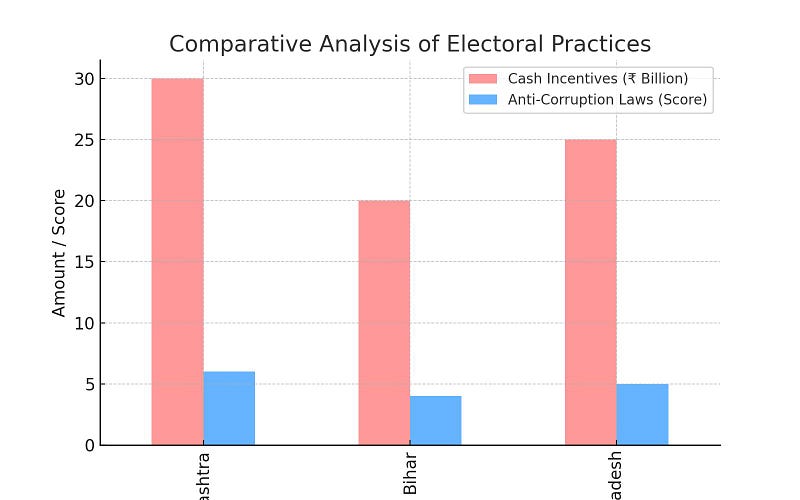
Comparative Perspectives on Cash Incentives in Elections — Several Indian states have employed various forms of cash incentives, subsidies, and welfare schemes during election periods. These practices, often referred to as “vote-buying” or “electoral bribery,” have raised concerns about their impact on democratic processes.
- Bihar: Cash incentives, often disguised as welfare benefits, have been a common practice in Bihar’s elections.
- Uttar Pradesh: The state has seen instances of cash distribution and other inducements, particularly in rural areas.
While the extent and nature of these practices vary across states, they generally aim to influence voter behavior and secure electoral victories.
Best Practices and Potential Reform Strategies
To address the issue of cash incentives and ensure fair and free elections, several reforms can be considered:
- Strengthening Electoral Laws: Enacting stricter laws with severe penalties for vote-buying and electoral corruption.
- Enhancing Enforcement Mechanisms: Establishing dedicated anti-corruption agencies and empowering them to investigate and prosecute electoral offenses.
- Promoting Electoral Literacy: Educating voters about their rights and responsibilities, and encouraging them to reject inducements.
- Improving Transparency and Accountability: Implementing robust mechanisms to track the expenditure of political parties and candidates.
- Campaign Finance Reforms: Introducing stricter regulations on campaign financing to limit the scope for illicit funding and inducements.
- Encouraging Citizen Participation: Empowering citizens to monitor elections and report any irregularities.
By adopting a multi-pronged approach, it is possible to mitigate the negative impact of cash incentives and safeguard the integrity of the electoral process.
Policy Recommendations —
Institutional Reforms to Reduce Cash Incentives — Institutional reforms are vital for minimizing cash-based incentives that encourage corrupt practices, especially in political and electoral systems. These reforms can include:
- Automating Payments: Transitioning to digital payment systems for government subsidies, salaries, and welfare schemes to reduce cash transactions that can be manipulated or misused.
- Strengthening Anti-Corruption Agencies: Empowering institutions like anti-corruption bureaus with resources, independence, and authority to investigate and prosecute offenses.
- Decentralizing Power: Redistributing decision-making authority to local or regional levels, ensuring that power is not concentrated in a few hands. This reduces opportunities for corruption stemming from centralized control.
- Monitoring Mechanisms: Establishing real-time auditing and surveillance systems to monitor the flow of funds in public projects.
- Cap on Cash Transactions: Introducing stringent caps on high-value cash transactions to curb the use of unaccounted-for money.
Transparency Mechanisms — Transparent governance creates accountability and minimizes the scope for corruption. Mechanisms to promote transparency include:
- Open Data Portals: Publishing government data on public expenditure, procurement, and contracts in user-friendly formats to allow for independent audits and citizen scrutiny.
- Whistleblower Protection Laws: Enforcing strict legal frameworks to safeguard individuals who expose corruption or malpractice.
- Mandatory Asset Declarations: Requiring politicians, civil servants, and other public officials to declare their assets periodically and make these declarations public.
- Digital Platforms for Public Services: Leveraging technology to provide online access to government services and reduce human interactions, which can lead to bribery or favoritism.
- Citizen Participation: Institutionalizing citizen oversight committees to review the progress and allocation of public projects.
Voter Education Initiatives — Educating voters on their rights and responsibilities fosters a culture of accountability in democratic systems. Key initiatives include:
- Awareness Campaigns: Organizing mass campaigns to inform voters about the detrimental effects of accepting cash bribes or gifts during elections.
- Incorporating Electoral Literacy in Schools: Introducing modules on the importance of ethical voting in school curriculums to instill these values early on.
- Community Engagement Programs: Collaborating with civil society organizations to conduct workshops and town halls emphasizing the role of voters in combating corruption.
- Accessible Information on Candidates: Providing detailed and unbiased information about candidates’ profiles, including their financial records and criminal history, to help voters make informed decisions.
- Leveraging Media and Social Platforms: Using traditional and digital media to counter misinformation and promote ethical voting practices.
Electoral Financing Reforms — Corruption in electoral financing is a major issue that undermines democratic integrity. Reforms to address this include:
- Caps on Campaign Spending: Implementing strict limits on election expenditure to curb excessive spending and dependence on illicit funds.
- Public Financing of Elections: Providing state funding to candidates or political parties to level the playing field and reduce the influence of private donors.
- Audits of Campaign Accounts: Requiring political parties and candidates to maintain transparent accounts and undergo regular audits by independent bodies.
- Prohibition of Corporate Donations: Limiting or banning corporate donations to reduce the undue influence of businesses in policymaking.
- Real-Time Disclosure of Funding Sources: Mandating political entities to disclose their funding sources and campaign expenditures in real-time through digital platforms.
These recommendations, implemented collectively, aim to reduce corruption, strengthen democratic processes, and foster a culture of accountability and trust in governance.
References —
- Government of Maharashtra Finance Department Reports
Maharashtra State Budget Documents (2023–2024). - World Bank Report on Cash Transfers
World Bank (2022). Cash Transfers: A Tool for Poverty Alleviation or Fiscal Burden?. Washington, DC: The World Bank. - Election Commission of India Reports
Election Commission of India (2023). Electoral Practices and Voter Incentives: A Review of Maharashtra. Retrieved from [Election Commission of India website]. - Khemani, S. (2013)
Khemani, S. (2013). Buying Votes Versus Supplying Public Services: Political Incentives to Under-Invest in State Capacity. World Bank Policy Research Working Paper Series. - Media Ownership Monitor India
Reporters Without Borders (2022). The Role of Partisan Media in Shaping Public Opinion. Retrieved from [Media Ownership Monitor India]. - Transparency International Reports
Transparency International (2022). Corruption Perception Index: India’s Electoral Landscape. Retrieved from [Transparency International website]. - Banerjee, A., & Duflo, E. (2011)
Banerjee, A., & Duflo, E. (2011). Poor Economics: A Radical Rethinking of the Way to Fight Global Poverty. PublicAffairs. - Mitra, A. (2021)
Mitra, A. (2021). Fiscal Sustainability and Election Expenditures in Indian States. Economic and Political Weekly, 56(34), 12–15. - Rao, M.G., & Chakraborty, P. (2006)
Rao, M.G., & Chakraborty, P. (2006). Fiscal Decentralization and Local Level Accountability: Evidence from Indian States. Oxford University Press. - Sharma, P. (2020)
Sharma, P. (2020). Election Incentives and the Asymmetric Information Problem: A Case Study of Maharashtra’s Elections. Journal of Indian Politics and Economics, 15(4), 45–67.
Conclusion — The analysis presented in this article highlights the significant economic costs associated with cash incentives in Maharashtra’s elections. These costs extend beyond the immediate financial outlay to encompass broader societal implications.
Firstly, the fiscal burden imposed on the state’s exchequer is substantial. The diversion of public funds towards election-related expenditures compromises the allocation of resources to essential public services such as healthcare, education, and infrastructure development. This, in turn, hampers the state’s long-term economic growth and social welfare.
Secondly, the prevalence of asymmetric information exacerbates the problem. Voters often lack the necessary information to evaluate the true costs and benefits of cash incentives. This information asymmetry empowers politicians to manipulate public opinion and distort the electoral process.
Thirdly, the nexus between cash incentives and corruption poses a serious threat to good governance. The distribution of cash often involves opaque channels, leading to opportunities for graft and embezzlement. This undermines public trust in government institutions and hinders the efficient allocation of resources.
Finally, the role of partisan media in amplifying the impact of cash incentives cannot be ignored. The selective reporting and biased narratives disseminated by media outlets can further distort public perception and reinforce the appeal of cash-based inducements.
In conclusion, the economic costs of cash incentives in Maharashtra’s elections are multifaceted and far-reaching. To mitigate these costs and ensure a level playing field, it is imperative to implement comprehensive electoral reforms. These reforms should focus on strengthening regulatory frameworks, enhancing transparency and accountability, and promoting voter education. By addressing these issues, Maharashtra can strive towards a more equitable and democratic electoral process.
Thanks.
 Pratik Ghansham Salvi Assistant Professor of Economics | Banking & Finance | IMF Finance & Development Contributor
Leave a comment