Why holding interest rates low and inflationary imbalance can disadvantageous for Economic Growth and Development?
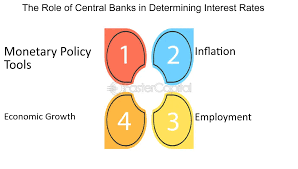
The central bank of country plays an important role as it formulate the monetary policy of country. When we discussed about monetary policy of any country it depends on various factors — Central Banks targets ehich determine according to the market situation, poolitical scanario, investment mechanisms, behavioural patterns of conumers, producers and other stakeholders in the economy. Moreover, in most of the countries monetary policy along with fiscal policy of the Government work together to achieve the economic stability and growth and development in the country.
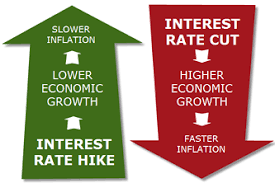
The concept of aggregate demand and its understanding is crucial for formulating monetary policy. And thisb is perhaps the priority of the most of the central banks authorities worldwide. Firstly, aggregate demand is the mechnism which can boost the economy is there is depression existed, on the other hand, if excessive inflation occurs sometimes known as the hyperinflation then central bank authorities reduce the aggregate demand with diffrent instruments such as the increasing intrest rates, rise in CRR, SLR, tax rate, etc. Therefore interst rates and aggregate demand has importanmt role in achiving stability in the economy.
In the modern economic landscape, central banks wield significant influence through their control over interest rates. While low interest rates can be a powerful tool for stimulating economic activity during periods of slowdown, maintaining them for extended periods can lead to an unintended consequence: inflationary imbalance. This phenomenon, where the rate of price increases outpaces the growth of the economy, presents a significant challenge to sustainable economic growth and development. This article delves into the intricate relationship between prolonged low interest rates and inflationary imbalance, highlighting the detrimental effects they can have on a nation’s economic well-being.
We will explore how low interest rates, initially intended to boost borrowing and investment, can morph into a catalyst for excessive money supply, ultimately driving up prices and eroding the purchasing power of citizens. This erosion can stifle consumer spending, discourage long-term investment, and create distortions within various economic sectors. Furthermore, the article will examine how an inflationary imbalance can exacerbate existing inequalities, disproportionately impacting vulnerable populations and hindering overall development goals.
By analyzing real-world examples and delving into the theoretical underpinnings, we will shed light on the potential pitfalls of prolonged low interest rates and the dangers of neglecting inflationary pressures. Ultimately, the article aims to provide a comprehensive understanding of why this policy approach, while seemingly attractive in the short term, can have detrimental consequences for a nation’s long-term economic prosperity and inclusive development.
Negative Impacts of Prolonged Low Interest Rates: A Comprehensive Breakdown- While low interest rates can stimulate economic activity in the short term, maintaining them for extended periods can have significant detrimental consequences across various sectors. Here’s a detailed breakdown of the potential negative impacts:
1. Excessive Money Supply and Inflation:
- Increased Borrowing: Low interest rates make borrowing cheaper, incentivizing individuals and businesses to take on more debt. This leads to an expansion of the money supply in circulation.
- Outpacing Economic Growth: If the money supply growth significantly exceeds the actual growth of the economy, it creates an imbalance. This excess money chases a limited pool of goods and services, driving up prices.
- Inflation: Sustained inflation erodes the purchasing power of wages and savings, making it harder for people to afford basic necessities and maintain their living standards.
2. Asset Bubbles and Financial Instability:
- Inflated Asset Prices: Low interest rates make stocks, real estate, and other assets appear more attractive, leading to increased investment and potentially unsustainable price hikes.
- Bubble Formation: When asset prices become significantly inflated beyond their intrinsic value, a bubble forms. This creates a sense of euphoria and encourages further speculation, increasing the risk of a sudden and sharp correction.
- Market Crashes: If the bubble bursts, asset prices can plummet, leading to significant financial losses for investors and potentially triggering a broader economic downturn.
3. Discouraged Investment and Distorted Economic Landscape:
- Reduced Returns on Savings: Low interest rates make traditional savings accounts and fixed-income investments less appealing, potentially discouraging long-term investments that are crucial for economic growth.
- Increased Risk-Taking: Investors seeking higher returns in a low-interest environment may be drawn towards riskier assets, such as highly leveraged companies or exotic financial instruments. This can increase financial system instability.
- Favorable Conditions for Debt-Heavy Entities: Companies with high levels of debt benefit significantly from low interest rates, as it reduces their borrowing costs. This can create an uneven playing field, potentially hindering competition and innovation from leaner companies.
4. Disadvantage for Savers and Fixed-Income Reliant Individuals:
- Eroded Purchasing Power: Retirees and others who rely on fixed-income sources like pensions or interest payments see their purchasing power decline as inflation rises. This can lead to significant financial hardship for these individuals.
- Reduced Standard of Living: With the cost of living increasing faster than their income, individuals dependent on fixed income may be forced to cut back on essential expenses or lower their standard of living.
While low interest rates can serve a purpose in stimulating economic activity, prolonged periods of such policies can lead to a multitude of negative consequences, including inflation, asset bubbles, discouraged investment, and financial instability. These factors can have a ripple effect across the economy, potentially harming individuals, businesses, and the overall financial system.
While moderate levels of inflation can sometimes be beneficial, excessive or imbalanced inflation can have significant negative consequences for a society, particularly impacting vulnerable groups and hindering overall development goals. Here’s a detailed breakdown of the consequences of inflationary imbalance:
Unequal Impact:
- Low-Income Earners: Individuals with limited income are disproportionately affected by inflation. As prices rise, they struggle to afford essential goods and services, leading to a decline in their standard of living and increased financial hardship.
- Retirees: Fixed-income earners, such as retirees who rely on pensions or social security, see their purchasing power erode significantly with inflation. Their income remains stagnant while the cost of living increases, putting them at risk of poverty.
- Others Dependent on Fixed Income: Individuals relying on fixed-income sources like scholarships or disability benefits face similar challenges as their income fails to keep pace with rising prices.
Hindered Development Goals:
- Reduced Investment in Social Programs: When governments face high inflation, they may be forced to prioritize short-term economic stabilization measures and cut back on spending in crucial areas like education, healthcare, and infrastructure development. This can have long-term negative consequences for human capital development and overall societal progress.
- Distorted Economic Priorities: In an inflationary environment, resources may be diverted towards speculation and short-term gains rather than long-term investments in areas like research, innovation, and sustainable development. This can hinder progress towards achieving long-term development goals.
- Erosion of Public Trust: High inflation can erode public trust in the government and its ability to manage the economy effectively. This can lead to social unrest and instability, further hindering development efforts.
Increased Poverty and Inequality:
- Widening Gap Between Rich and Poor: Inflation disproportionately affects low-income individuals, leading to a widening gap between the rich and the poor. This exacerbates existing inequalities and creates a more divided society.
- Social Unrest and Conflict: As inflation increases poverty and inequality, it can lead to social unrest and conflict as people struggle to meet their basic needs. This can further destabilize the economy and hinder overall development.
- Reduced Economic Mobility: High inflation can create barriers to upward mobility, making it harder for individuals from lower socioeconomic backgrounds to improve their lives and escape poverty. This can trap entire generations in cycles of disadvantage.
The inflationary imbalance can have severe consequences beyond just rising prices. It disproportionately affects vulnerable populations, hinders progress towards development goals, and exacerbates existing inequalities. Addressing inflationary pressures and maintaining stable prices is crucial for ensuring a just and equitable society with sustainable development opportunities for all.
Low Interest Rates and Unsustainable Growth — While low interest rates can be a valuable tool in stimulating economic activity during periods of sluggish growth, maintaining them for extended periods can have detrimental long-term consequences. This argument hinges on the following key points:
Short-Term Benefits:
- Increased Borrowing: Lower interest rates make borrowing cheaper, encouraging individuals and businesses to invest and spend more, leading to a temporary boost in economic activity.
- Stimulus for Investment: Businesses can access cheaper capital, facilitating investments in expansion and innovation.
- Improved Consumer Confidence: Lower borrowing costs can free up disposable income for consumers, leading to increased spending and overall demand.
Long-Term Risks:
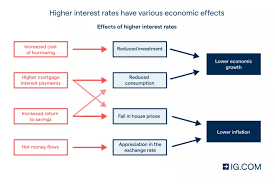
- Inflationary Pressures: As the money supply expands due to increased borrowing, it can outpace actual economic growth, leading to inflation.
- Asset Bubbles: Low interest rates can inflate asset prices (stocks, real estate) beyond their intrinsic value, creating unsustainable bubbles that risk bursting and causing financial instability.
- Discouraged Investment: Reduced returns on traditional savings discourage long-term, productive investments, hindering sustainable economic growth.
- Unequal Impact: Inflation disproportionately affects vulnerable populations like low-income earners and retirees, eroding their purchasing power and exacerbating existing inequalities.
- Hindered Development Goals: Inflationary pressures can divert resources away from crucial social programs like education and healthcare, hindering overall development progress.
Therefore, while low interest rates can provide a temporary economic boost, their prolonged use leads to a series of negative consequences:
- Inflationary Imbalance: Excessive money supply growth outpaces actual economic growth, leading to rising prices and eroding purchasing power.
- Unsustainable Asset Bubbles: Inflated asset prices create a bubble prone to collapse, potentially triggering financial crises.
- Distorted Economic Landscape: Favorable conditions for debt-heavy entities and discouraged long-term investments create an uneven playing field.
- Disadvantage for Vulnerable Populations: Low-income earners, retirees, and others dependent on fixed income suffer the most from inflation, leading to increased hardship.
While low interest rates offer short-term benefits, their long-term drawbacks outweigh the advantages. Sustained periods of low interest rates ultimately hinder sustainable economic growth and development, particularly for vulnerable populations, by creating inflationary pressures and distorting the economic landscape. Therefore, a balanced approach to interest rate management is crucial for achieving long-term economic stability and equitable development.
Conclusion — The low interest rates can be a valuable tool for stimulating economic activity in the short term, maintaining them for extended periods can lead to a treacherous path of inflationary imbalance. This imbalance, where prices rise faster than economic growth, creates a web of detrimental consequences that hinder sustainable development and growth. From discouraging long-term investment and distorting economic sectors to disproportionately impacting vulnerable populations, the negative effects of prolonged low rates and inflation can significantly impede a nation’s progress.
Therefore, central banks must navigate a delicate balancing act, recognizing that the short-term benefits of low rates come at a long-term cost if inflation is not kept in check. A proactive and nuanced approach to monetary policy, one that prioritizes price stability alongside economic growth, is crucial for ensuring a nation’s long-term economic prosperity and inclusive development. By acknowledging the pitfalls of prolonged low rates and inflationary imbalance, policymakers can strive for a more sustainable and equitable economic future for all.
Thanks.


Leave a Reply